
Film
Dr. Mabuse, the Gambler
Fritz Lang's 1922 masterpiece follows a criminal mastermind who orchestrates elaborate schemes across Weimar Berlin through psychological manipulation, disguise, and hypnotic power. Nearly five hours of pure cinema: expressionist shadows, geometric framing, and moral vertigo. Essential for anyone interested in how cinema tells stories, and thrilling in its own right.
Should you watch it?
Watch it if you love silent-era crime serials built around a criminal mastermind who pulls strings from the shadows, with expressionist sets and a slow-burn sense of conspiracy.
Skip it if you need tight pacing and modern dialogue, because at roughly four and a half hours of silent intertitles and leisurely set pieces, the patience required is considerable.
What it asks of you: Best taken in sittings, since its slow, deliberate pace unspools over more than four hours and rewards patience through quiet stretches.
Not sure? Find tonight's pick in a minute.
If you liked this
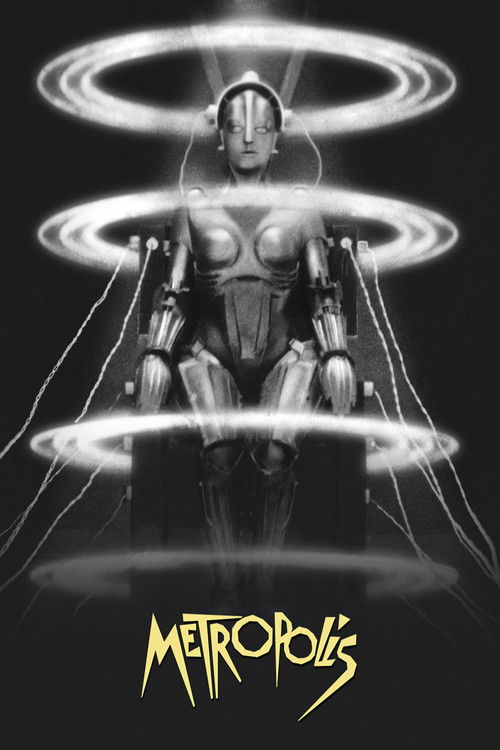
Metropolis1927
Lang's companion piece of ambition and technical audacity. A dystopian city divided by class, shot with the same visual precision and mythic scale. The influence of Mabuse ripples through every frame.
But The restoration is essential but even then: slow pacing, some theatrical acting, and philosophical speeches can feel ponderous to modern viewers.
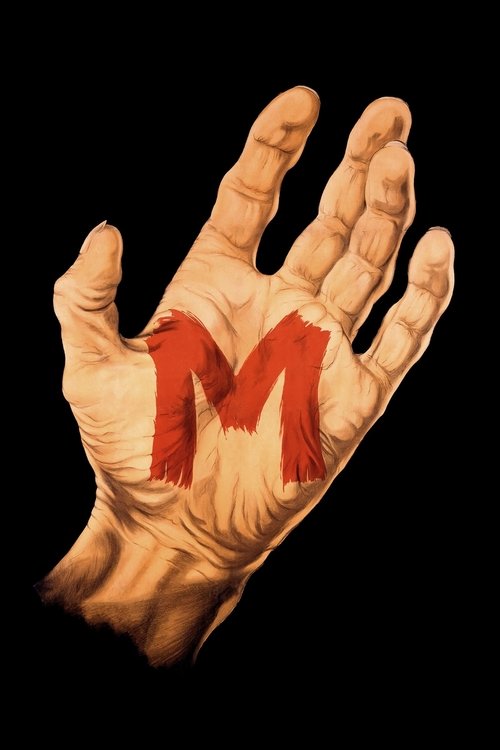
M1931
Lang made this after sound arrived, tracking a child killer through Berlin with documentary realism and mounting dread. Same city, same moral inquiry, but tighter and even more devastating.
But The depiction of mob justice and institutional failure is bleak. No catharsis, no comfort—just the machinery grinding on.
The Phantom Carriage1921
Sjöström's Swedish contemporary: a ghost story about a man haunted by his own cruelty, shot with expressionist power and genuine supernatural dread. Proof the innovation wasn't just German.
But Melodrama underneath; the moral reckoning can feel overwrought to modern sensibilities. Silent film acting demands patience.

Not sure tonight? Get a pick in a minute, starting from Dr. Mabuse, the Gambler
The wildcard
Something you would not have found on your own.
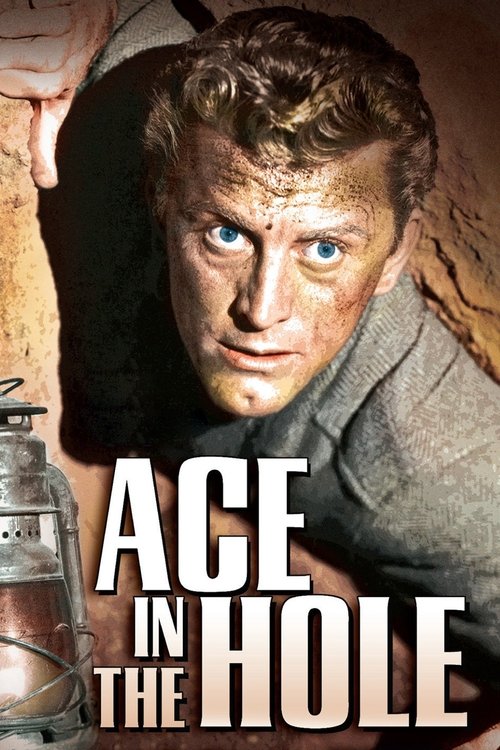
Ace in the Hole1951
Both examine how charismatic, intelligent men use systems and people's desires against them. Mabuse operates through hypnosis; the protagonist of Ace exploits human nature more directly. Same moral interrogation, different eras.
Billy Wilder's vicious portrait of a man willing to destroy others for profit. Not a thriller but a character study of capitalism and manipulation. Mordant, unsentimental, and ugly in the best way.
But It's a critique dressed as entertainment and some find it more depressing than thrilling. Kirk Douglas plays a character with almost no redeeming qualities.
More like this (7)
Nosferatu1922
Murnau's vampire film arrived the same year, same Berlin, same visual language. Evil as metaphor, shadow as character. A masterpiece of atmosphere that influenced everything after.
But Pacing is glacial by today's standards. The horror is slow-burn psychological rather than jump-scare visceral.

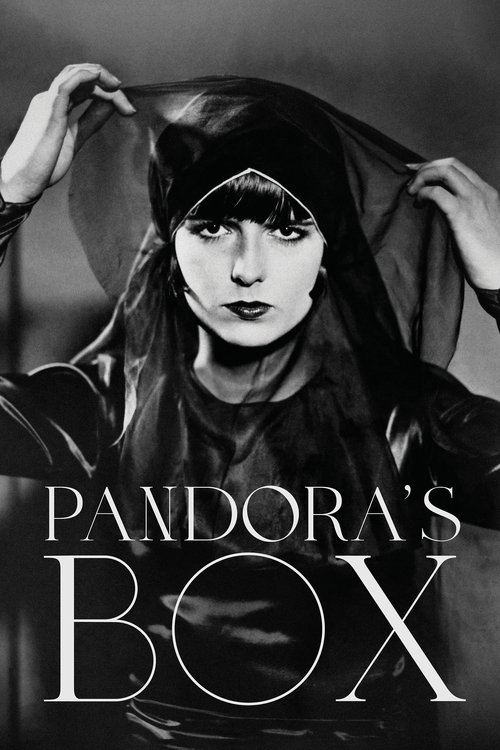
Pandora's Box1929
Pabst's portrait of a woman who destroys everyone who desires her, shot with the same Weimar decadence and moral complexity. A different take on corruption and fate.
But The sexual frankness and the ending's darkness might disturb; the print quality varies wildly depending on source.
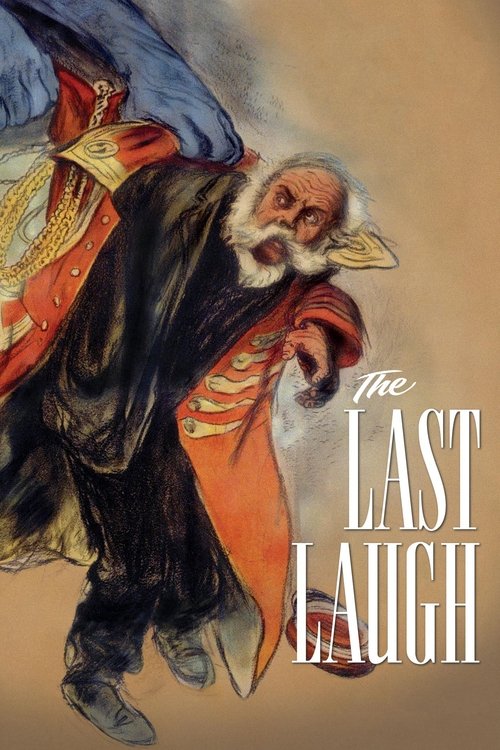
The Last Laugh1924
Murnau's study of humiliation and pride, told almost entirely without intertitles through pure visual storytelling. Camera moves and emotion married perfectly.
But The emotional manipulation is overt and can feel heavy-handed; some find the sentimentality cloying.
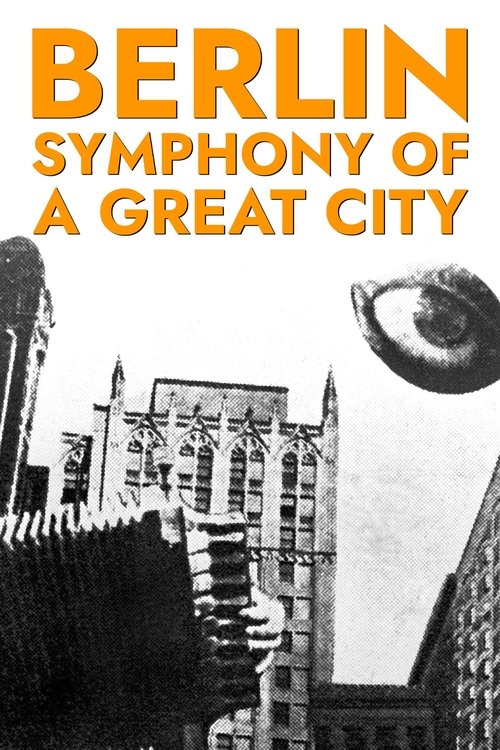
Berlin: Symphony of a Great City1927
Ruttmann's city symphony captures the same Berlin, same energy, but as documentary abstraction: rhythm, geometry, mass. Proof the era had endless ways to see the modern world.
But No plot, no characters—just rhythm and form. If you need narrative spine, this will feel like watching traffic for 65 minutes.
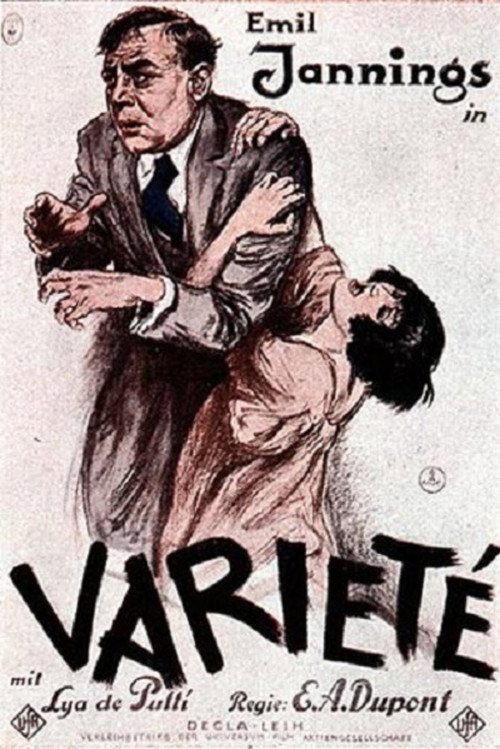
Variety1925
Dupont's circus thriller about obsession and betrayal, shot with acrobatic camera work. Proves expressionism worked in multiple genres and that cinema was inventing itself in real time.
But The plot is thin; it exists mainly as an excuse for visual virtuosity, which not everyone finds narratively satisfying.
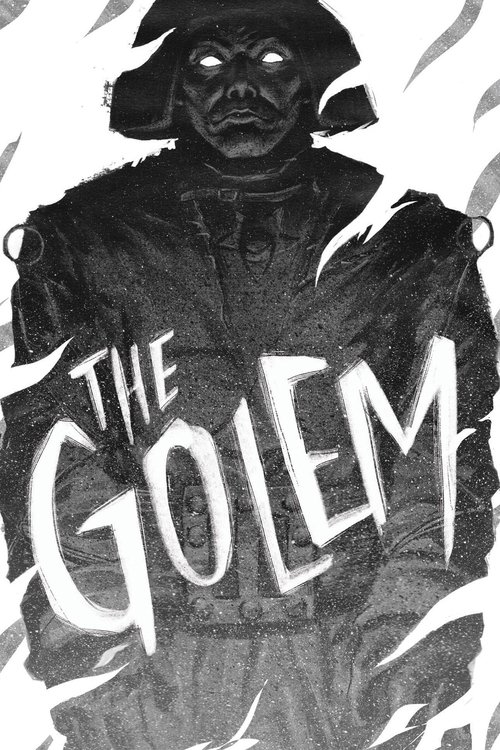
The Golem: How He Came into the World1920
Wegener's earlier expressionist horror about a clay creature protecting Prague's Jews. The same visual vocabulary as Mabuse, the same question about power and who wields it.
But Slow, static camera work compared to Lang's kinetic frame; the supernatural plot is simpler and less dramatically complex.
Possession1981
Both use genre as a container for exploring the dissolution of sanity and control. Mabuse uses thriller structure; Possession uses psychological horror. Both suggest that reality itself is negotiable for the sufficiently damaged or powerful.
Andrzej Żuławski's fever dream of a film where a marriage collapses into psychological and physical horror. Utterly unlike anything mainstream cinema makes. Raw, impossible to categorize, hypnotic in its strangeness.
But Deliberately disorienting and sexually explicit. The acting is operatic and unhinged. If you want your cinema legible and comfortable, this will exhaust you.

People
Cast
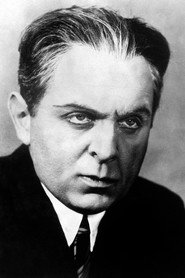 Rudolf Klein-RoggeDr. Mabuse
 Aud Egede-NissenCara Carozza
 Gertrude WelckerCountess Dusy Told
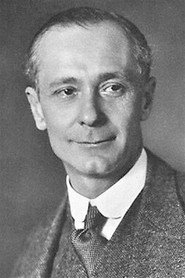 Alfred AbelCount Told
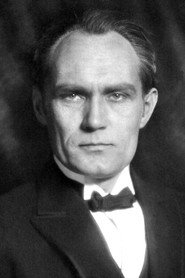 Bernhard GoetzkeProsecutor von Wenk
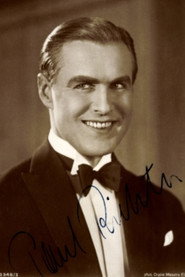 Paul RichterEdgar Hull
- Robert Forster-LarrinagaSpoerri
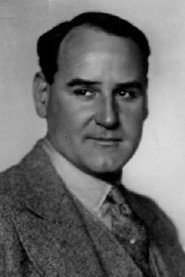
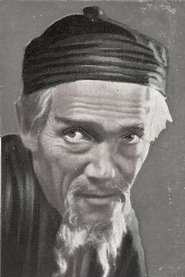 Georg JohnPesch
 Károly HuszárHawasch
- Grete BergerFine, a servant
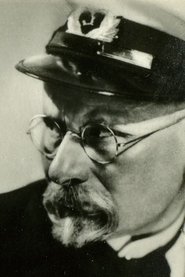 Julius FalkensteinKarsten
Directing
- Fritz LangDirector
Writing
- Norbert JacquesNovel
- Fritz LangScreenplay
- Norbert JacquesScreenplay
- Thea von HarbouScreenplay
Production
- Erich PommerProducer