
Film
Dr. No
Dr. No is the film that invented Bond as we know him: white dinner jacket, martini, brutal charm, and a plot that treats world domination as a fun problem to solve in the Caribbean sun. Cheaper and stranger than the sequels, it's spy fantasy at its most confident, and the blueprint every franchise since has been photocopying.
If you liked this
From Russia with Love1963no page yet
The sequel that fixed everything only slightly off about Dr. No — tighter plotting, a genuinely nasty villain, and a train-set brawl that still lands as pure tension.
But It's more spy thriller than spectacle; if you came for gadgets and volcano lairs, this one's comparatively restrained.
Goldfinger1964no page yet
This is the one that cemented the formula — laser beams, Aston Martins, a scheme so absurd it's brilliant. Bond at his most iconic and most quotable.
But The gender politics have aged badly even by Bond standards, and some of the humor now reads as smugness.
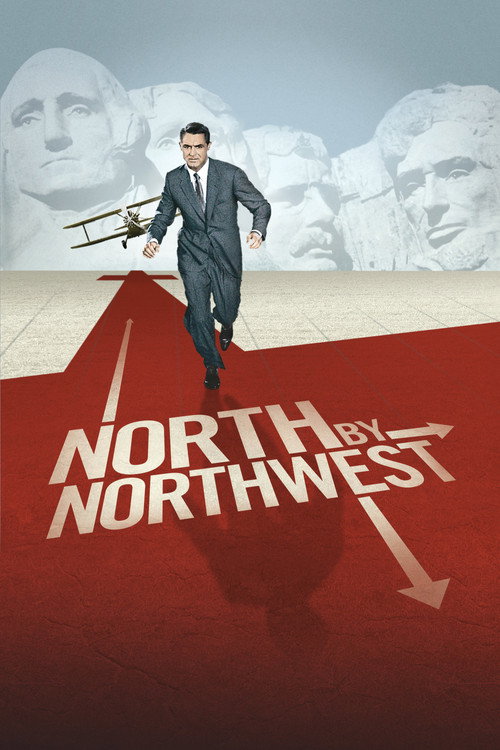
North by Northwest1959
Hitchcock's own spy thriller predates Bond and arguably taught it everything — wrong-man plotting, glamorous set pieces, a hero who improvises his way out of disaster with a raised eyebrow.
But No martinis, no gadgets, no villain lair — this is suspense through wit and staging, not spectacle.
The wildcard
Something you would not have found on your own.
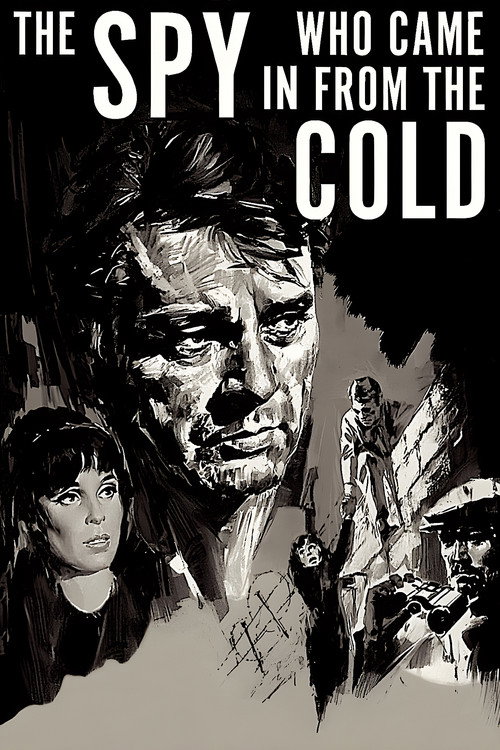
The Spy Who Came In from the Cold1965
Both are Cold War spy stories from the same brief window of film history, but where Dr. No sells espionage as fantasy, this John le Carré adaptation was written specifically to puncture that fantasy.
Same Cold War, same era Bond was conquering cinemas, but here espionage is grey, exhausting, and morally rotten — Richard Burton plays a spy who is used up, not glamorous.
But It is bleak, talky, and offers no gadgets or wish-fulfilment whatsoever; this is the hangover after Bond's party.
More like this (8)
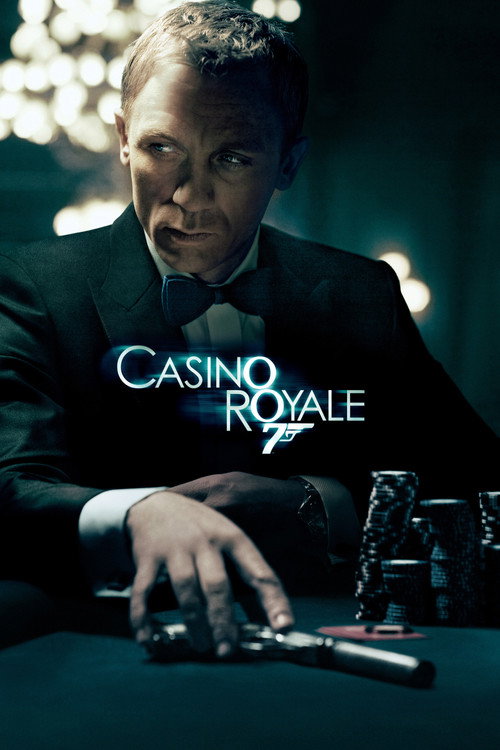
Casino Royale2006
A total reboot that strips Bond back to something raw and mean, with Daniel Craig playing him as a blunt instrument rather than a fantasy. The poker table has never been this tense.
But Gone are the gadgets and quips; if you loved Connery's playfulness, this grittier take might feel like a different character.
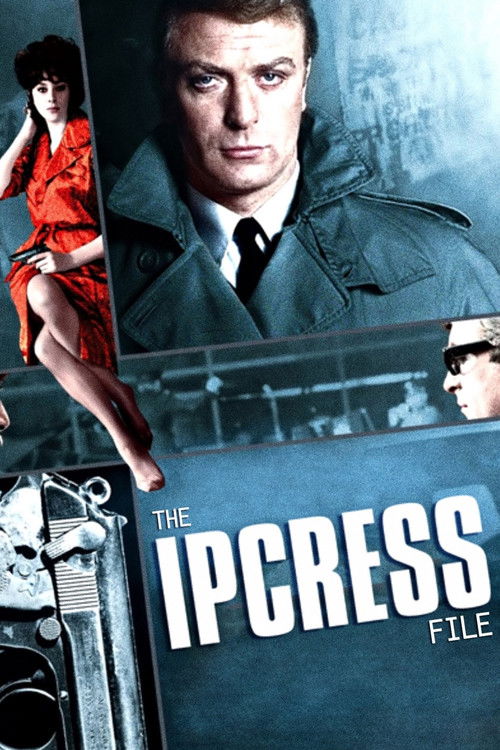
The Ipcress File1965
Michael Caine's Harry Palmer is the anti-Bond: bespectacled, insubordinate, cooking his own dinner between assignments. A brilliant corrective if the glamour ever starts to feel like a con.
But Deliberately unglamorous and slow-burning — there's no island lair here, just fluorescent offices and bureaucratic dread.
GoldenEye1995no page yet
Pierce Brosnan's debut brought Bond roaring back after a six-year gap, with a tank chase, a genuinely great villain in Sean Bean, and enough nostalgia to feel like a homecoming.
But It's very 90s in its effects and pacing, and some fans find Brosnan's version too polished next to Connery's rougher edges.
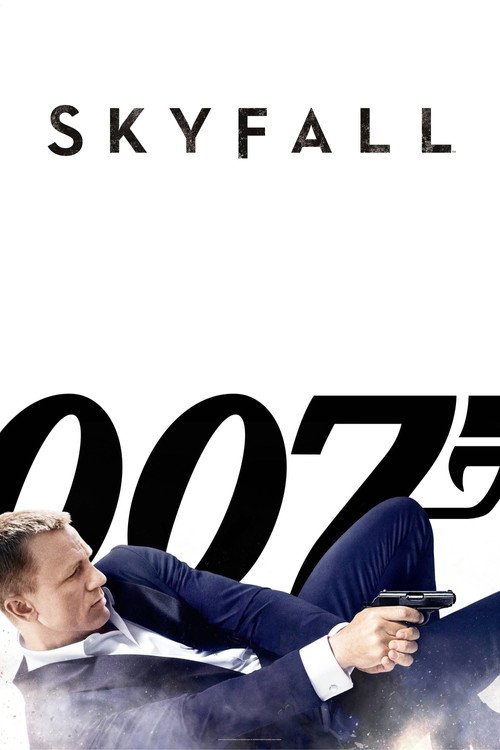
Skyfall2012
A gorgeous, melancholy Bond that treats the character's age and obsolescence as its actual subject, with Javier Bardem doing career-best villain work and Roger Deakins shooting it like art.
But It's slower and more introspective than the Connery era — this is Bond having a midlife crisis, not a martini-fuelled romp.
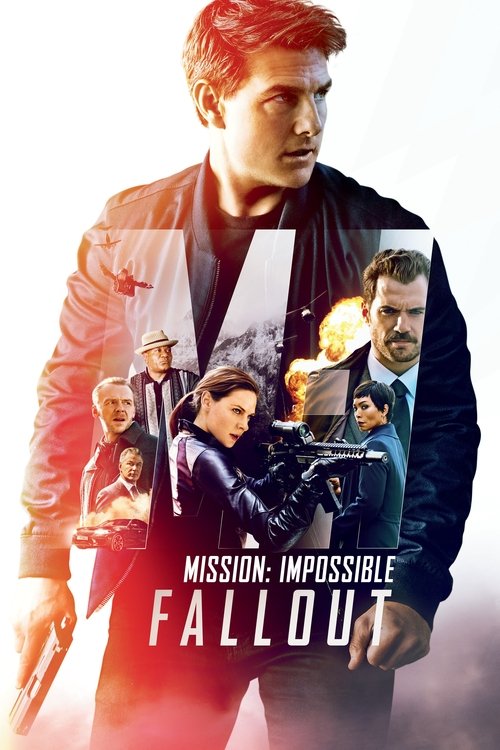
Mission: Impossible - Fallout2018
If what you loved was the pure kinetic pleasure of a spy doing impossible things in beautiful locations, this is the modern high-water mark — real stunts, real scale, relentless momentum.
But It's part of a long-running series with its own continuity, and the emotional stakes lean on films you haven't seen.
The Spy Who Loved Me1977no page yet
Roger Moore's best outing leans fully into the scale and silliness Dr. No only hinted at — a submarine-swallowing tanker, a theme song for the ages, Bond as pure spectacle.
But This is peak camp; the tone is miles from Connery's cooler, meaner original, closer to a comic book.
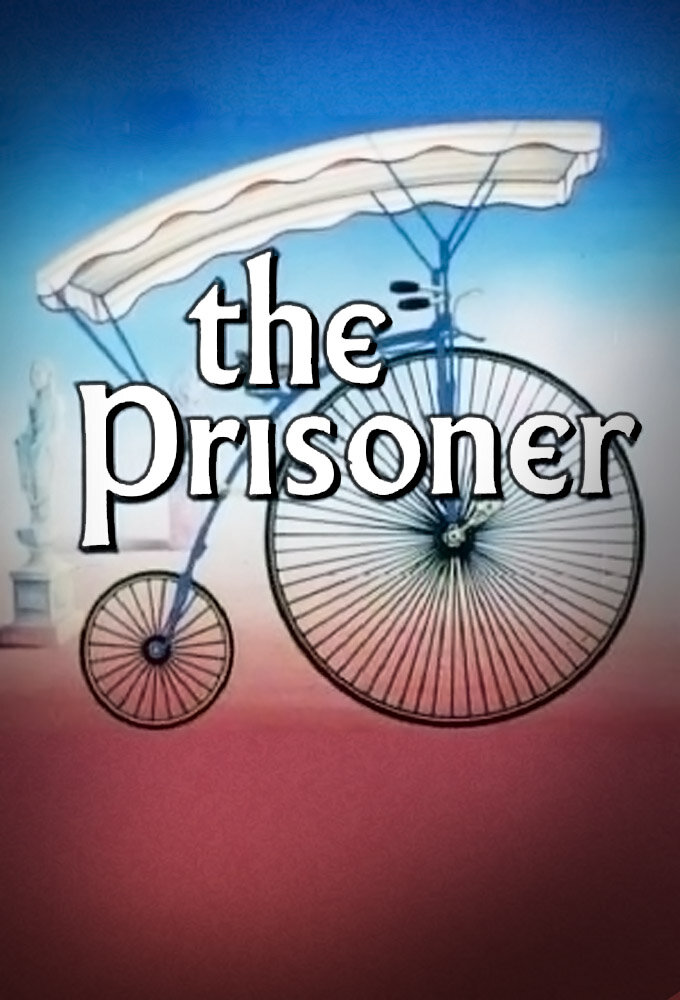
The Prisoner1967
McGoohan supposedly rejected Bond because he found the character's morality distasteful, then built an entire series arguing against everything Dr. No represents: obedience, identity, and the illusion of freedom.
Patrick McGoohan reportedly turned down the role of Bond and made this instead: a surreal, paranoid series about a spy who resigns and wakes up trapped in a village that won't let him leave.
But It's strange, philosophical television that resists easy answers — closer to a puzzle box than an adventure, and the ending divides people fiercely.
Dr. Mabuse, the Gambler1922no page yet
Dr. No's whole shape — the reclusive genius villain with a secret lair and world-altering ambitions — descends directly from Fritz Lang's Mabuse, the granddaddy of every Bond villain since.
Four decades before Dr. No, this silent German epic gave us the template — a genius criminal mastermind running an empire of crime from the shadows, manipulating governments for sport.
But It's over four hours across two parts, silent, and moves at a pace built for 1922 audiences, not modern attention spans.
People
Cast
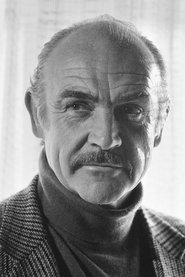 Sean ConneryJames Bond
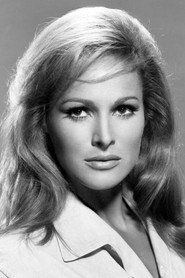 Ursula AndressHoney Ryder
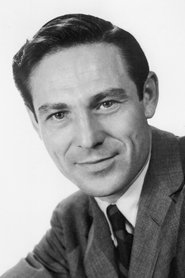 Joseph WisemanDr. No
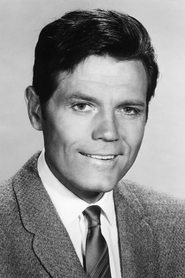 Jack LordFelix Leiter
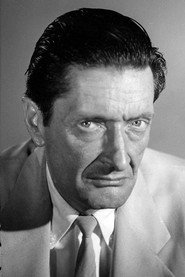 Anthony DawsonProfessor R. J. Dent
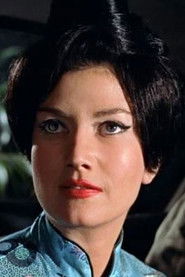 Zena MarshallMiss Taro
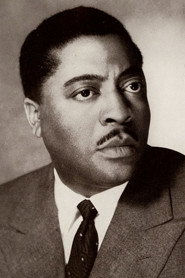 John KitzmillerQuarrel
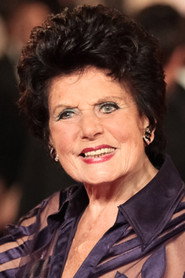 Eunice GaysonSylvia Trench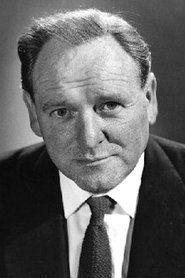
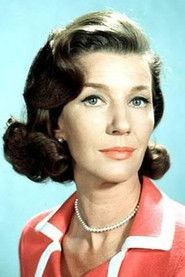 Lois MaxwellMiss Moneypenny
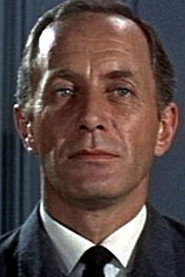 Peter BurtonMajor Boothroyd
 Yvonne ShimaSister Lily
Directing
- Clive ReedAssistant Director
- Helen WhitsonContinuity
- Terence YoungDirector
Writing
- Ian FlemingNovel
- Berkely MatherScreenplay
- Johanna HarwoodScreenplay
- Richard MaibaumScreenplay
Production
- Stanley SopelAssociate Producer
- James LiggatCasting
- Chris BlackwellLocation Manager
- Albert R. BroccoliProducer
- Harry SaltzmanProducer
- Ron QuelchProduction Assistant
- L. C. RudkinProduction Manager
- Maureen WhittyProduction Secretary
Recommended by
Casino Royale, The Man from U.N.C.L.E., Enter the Dragon, OSS 117: Lost in Rio