
Film
They Saved Hitler's Brain
A 1968 sci-fi thriller about a disembodied Hitler's head hidden in South America, waiting to resurrect the Third Reich. It's a campy, earnest Cold War artifact that swings wildly between lurid premise and TV-movie restraint. For cult film enthusiasts and anyone curious how B-movies weaponized historical evil as pure pulp.
If you liked this
Barbarella1968
Jane Fonda in a gorgeous, ridiculous future where the costumes are as important as the plot. It understands exactly how absurd it is and leans into that joy with complete confidence.
But The sex comedy register will feel dated and uncomfortable to many; it's deeply a product of a specific moment.

Planet of the Apes1968
Released the same year, it's a sci-fi thriller that takes an outlandish premise seriously and builds real tension and philosophical weight from it. A genuine masterpiece.
But It can feel slow and talk-heavy if you're expecting action; the final twist divides viewers on whether it lands or overreaches.

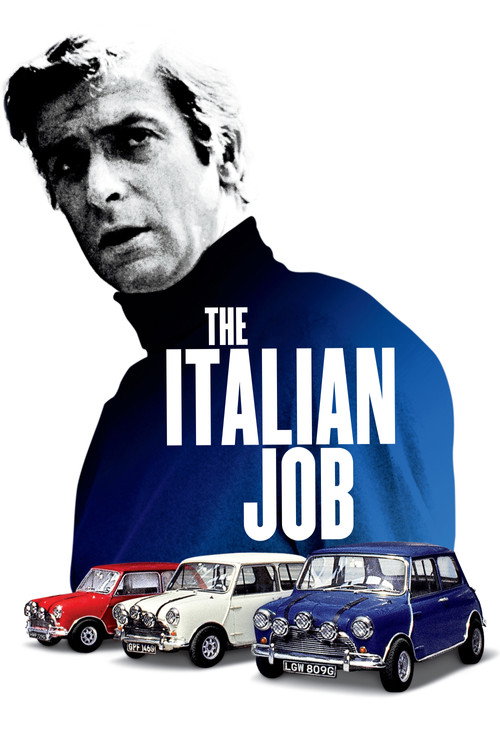
The Italian Job1969
A heist film with the same cheerful camp energy and multinational villain infrastructure. It's playful without winking, thrilling without pretending to be serious.
But Some find it lightweight; there's no real depth here, just impeccable craft in service of fun.
Not sure tonight? Get a pick in a minute, starting from They Saved Hitler's Brain
The wildcard
Something you would not have found on your own.
Audition2000
Both films hide something grotesque inside an apparently pulpy wrapper; the real horror emerges when you stop laughing.
Takashi Miike's film weaponizes a mundane premise (a widower auditioning actresses) into something genuinely horrifying. Like They Saved Hitler's Brain, it uses an outlandish central idea as a Trojan horse for exploring darker themes.
But It's viscerally disturbing and sexually violent in ways that go far beyond B-movie fun; many will find it unwatchable.

More like this (8)
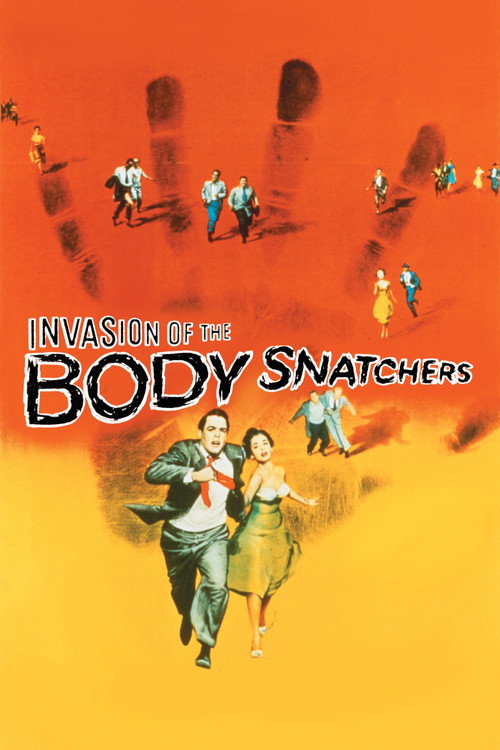
Invasion of the Body Snatchers1956
An earlier Cold War sci-fi thriller that used alien invasion as metaphor for conformity and existential dread. It proved the template works when you trust your premise.
But It's genuinely unsettling rather than fun; a much colder film that won't give you the B-movie pleasure you're after.
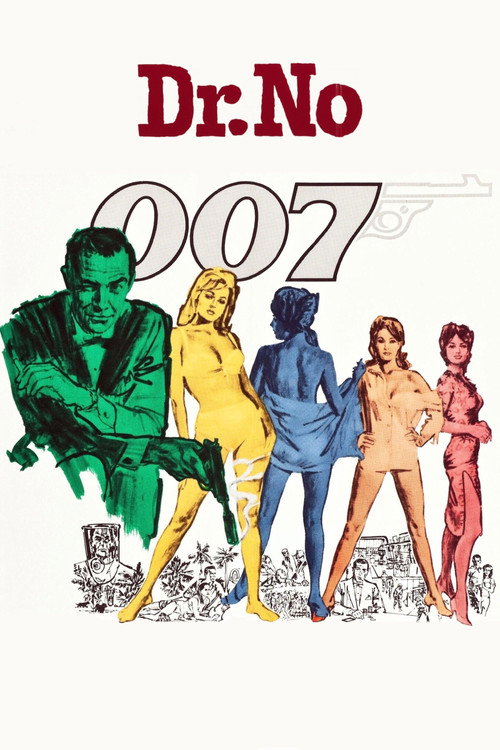
Dr. No1962
The first Bond film: international villains, kidnapped scientists, impeccable production design, and complete commitment to a ridiculous setup. It shows how to do this genre well.
But If you're expecting camp, it's actually fairly grounded; Connery plays it straight, which some find boring.
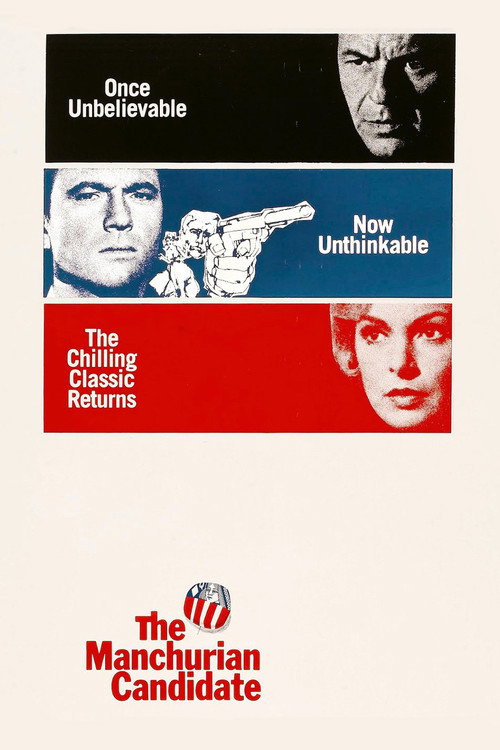
The Manchurian Candidate1962
A paranoid Cold War thriller about brainwashing and sleeper agents that genuinely gets under your skin. It earned its scares rather than trading on premise alone.
But It's bleak and brutal in ways that undercut entertainment; no fun to be found, only dread.
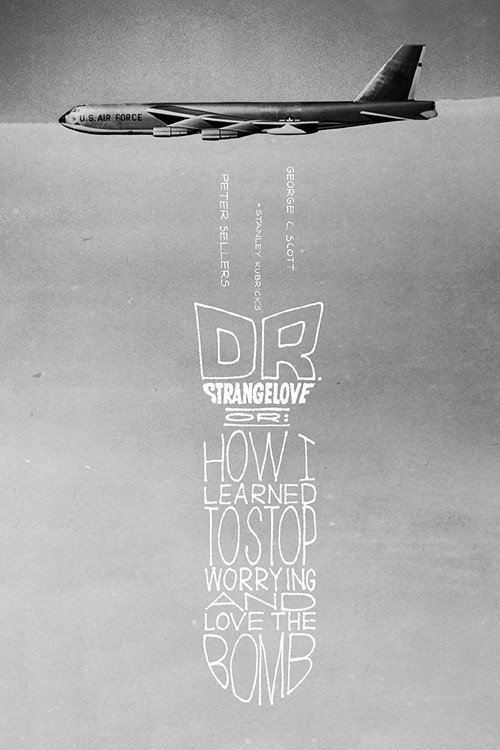
Dr. Strangelove or: How I Learned to Stop Worrying and Love the Bomb1964
Kubrick weaponized Cold War hysteria into satire. It's the film that proves you can take these paranoid ideas seriously and get laughs from the absurdity, not in spite of it.
But The satire can overshadow the thriller elements; if you want tension over laughs, this prioritizes the opposite.
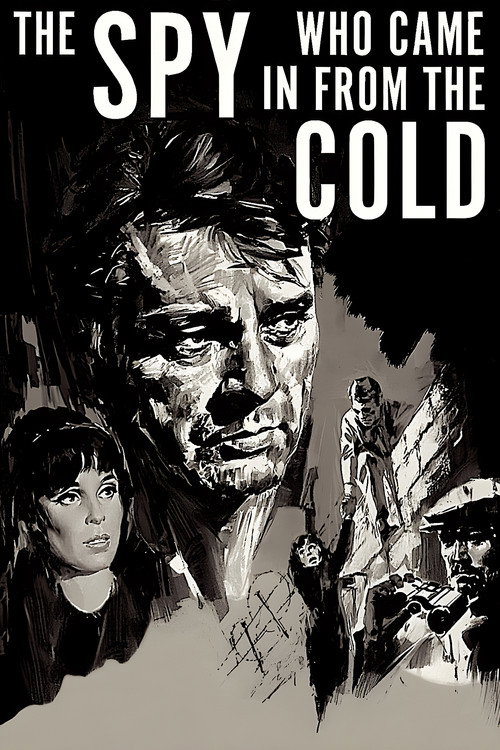
The Spy Who Came In from the Cold1965
A Cold War espionage film grounded in tradecraft and moral ambiguity. It's the serious answer to what international intrigue actually looks like without fantasy.
But It's deliberately unglamorous and slow; spy craft here is tedious and compromising, not exciting.
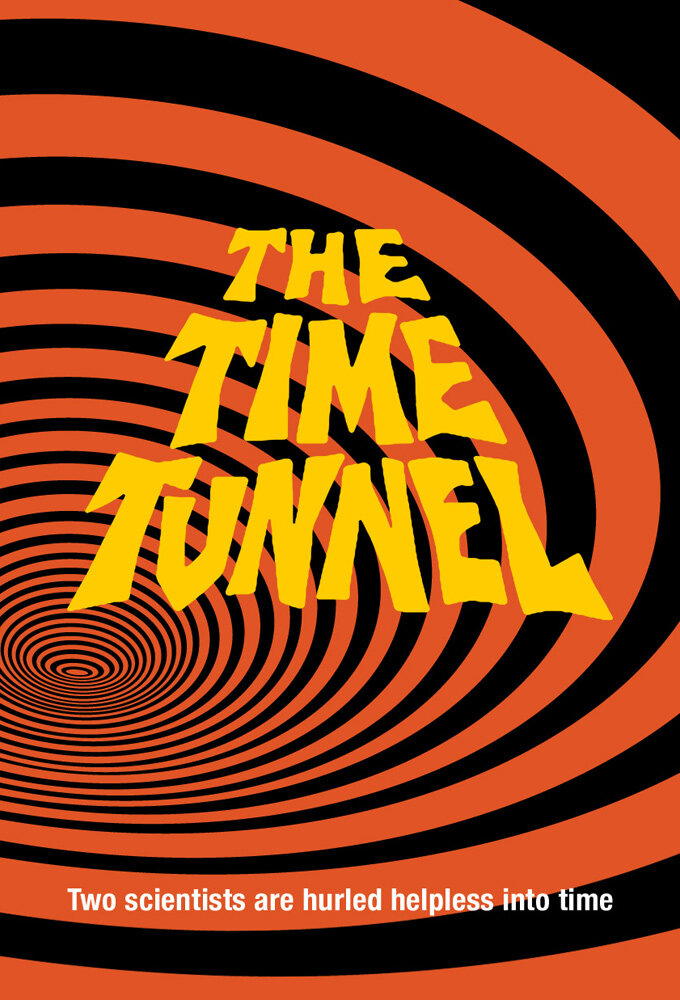
The Time Tunnel1966
A TV series about scientists trapped jumping through history, with the same budget constraints and earnest sci-fi energy. Each episode is a different historical scenario, always slightly off-kilter.
But TV production values show badly; the special effects are threadbare and repetitive plots wear thin fast.
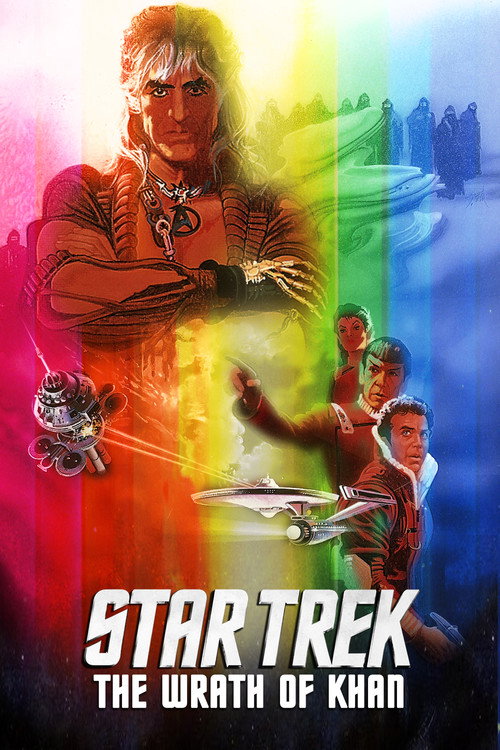
Star Trek II: The Wrath of Khan1982
Both are about a supposedly-dead enemy's return and the obsessive figure willing to risk everything to complete their resurrection.
A 1982 sequel that proves how to revive a villain and make it work. Khan's obsession, his resurrection subplot, his personal vendetta—it's what a competent version of this premise looks like.
But It requires knowledge of the original Star Trek; standing alone it reads as expensive fan service, not cinema.
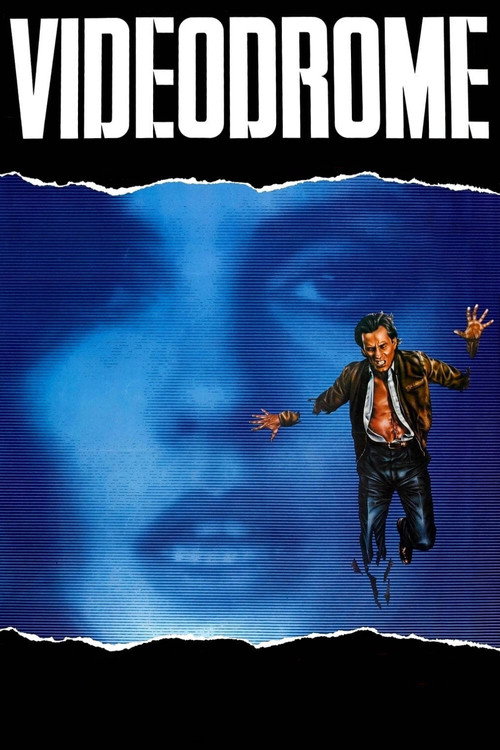
Videodrome1983
Both treat their absurd premises—disembodied evil, mind-control broadcasts—as literal and serious, mining existential dread from exploitation-movie setups.
Cronenberg's film about media, manipulation, and bodily horror wrapped in a thriller shell. It shares the same paranoid-plot energy as They Saved Hitler's Brain but channels it into something genuinely nightmarish and formally inventive.
But It's deliberately difficult and disgusting; the body horror is extreme and the plot logic deliberately breaks down. Not for comfort viewing.
People
Cast
- Walter StockerPhil Day
- Audrey CaireKathy Coleman 'K.C.' Day
 Carlos RivasCamino Padua / Teo Padua
 John HollandProf. John Coleman
 Marshall ReedFrank Dvorak
 Scott PetersDavid Garrick
- Keith DahleTom Sharon
- Dani LynnSuzanne Coleman
 Nestor PaivaPolice Chief Alaniz
 Pedro RegasPresidente Juan Padua
- Bill FreedAdolf Hitler
- Jerry RiggioRestaurant Manager
Directing
- David BradleyDirector
- Harry M. SlottSecond Assistant Director
Writing
- Richard MilesScreenplay
- Steve BennettStory
Production
- Anthony SanucciExecutive Producer
- Carl EdwardsProducer
- Steve BennettProducer
- Clark L. PaylowProduction Coordinator