
Film
Planet of the Apes
Planet of the Apes is a bleak, brainy sci-fi adventure dressed up as pulp spectacle—astronauts crash on a world where apes rule and humans are livestock. Heston's macho bravado curdles into desperation as the film's satire on colonialism, nuclear anxiety and human arrogance sharpens toward one of cinema's most quoted twist endings. It's smarter and stranger than its ape-suit reputation suggests.
If you liked this
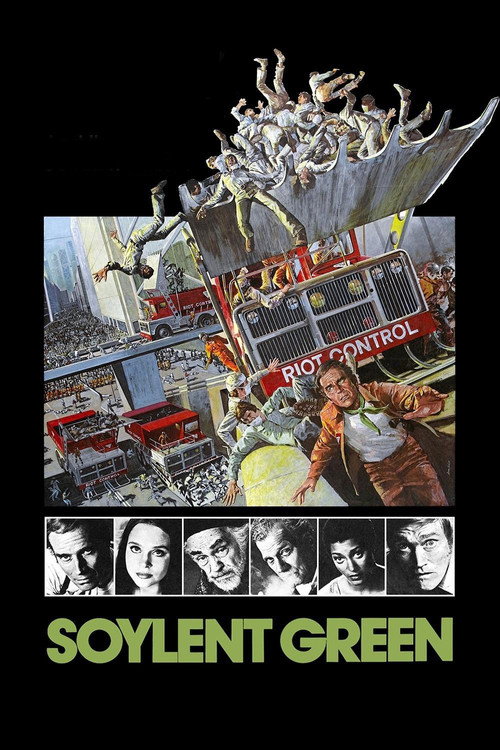
Soylent Green1973
Heston plays another man uncovering the ugly truth behind a crumbling future society, and the ending lands with the same gut-punch clarity as Taylor's discovery on the beach.
But The pacing is slower and grimier than Apes, more police procedural than adventure, and some effects show their budget.
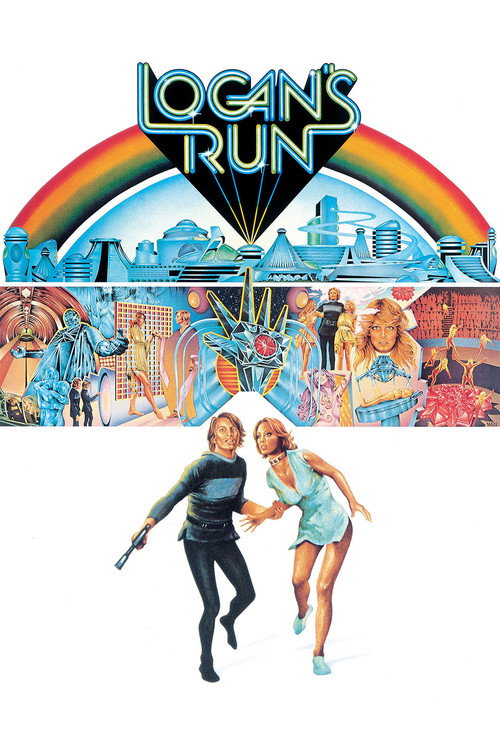
Logan's Run1976
A shinier, disco-era dystopia where youth is currency and running is survival—if you liked watching one man question everything his society taught him, this scratches the same itch with neon instead of jungle.
But The tone swings goofier than Apes, and the special effects have aged into pure camp.
The Omega Man1971no page yet
Heston, alone in a plague-ravaged Los Angeles fighting mutants who despise technology—another lone-man-against-a-world-that's-turned-against-him story with the same star at his most weathered and stubborn.
But It's pulpier and less philosophically ambitious, more B-movie thrills than social satire.
The wildcard
Something you would not have found on your own.
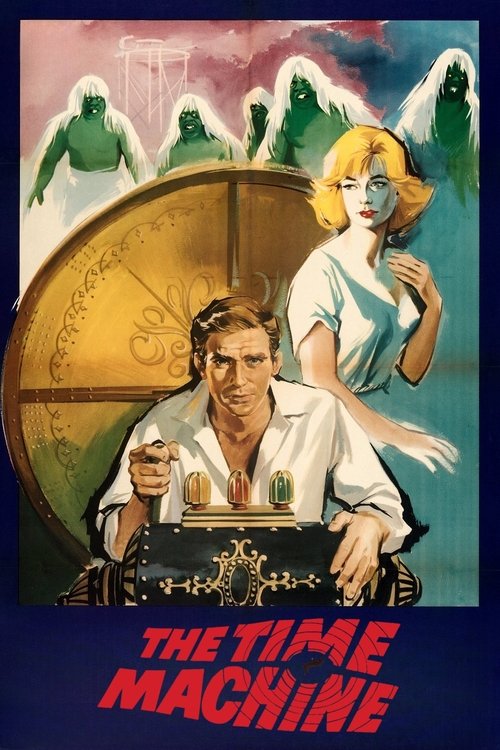
The Time Machine1960
Both films end with a stranded time-traveler confronting what humanity became after its own arrogance—Apes just waited eight more years and added guns.
H.G. Wells' original time-travelling adventurer stumbles into humanity's far future, split into two degraded factions—an earlier, gentler cousin to Apes' shock ending, made when Cold War anxiety about self-destruction was just as raw.
But The effects and pacing are pure early-60s matinee, gentle where Apes is savage, and its politics are simpler.
More like this (8)
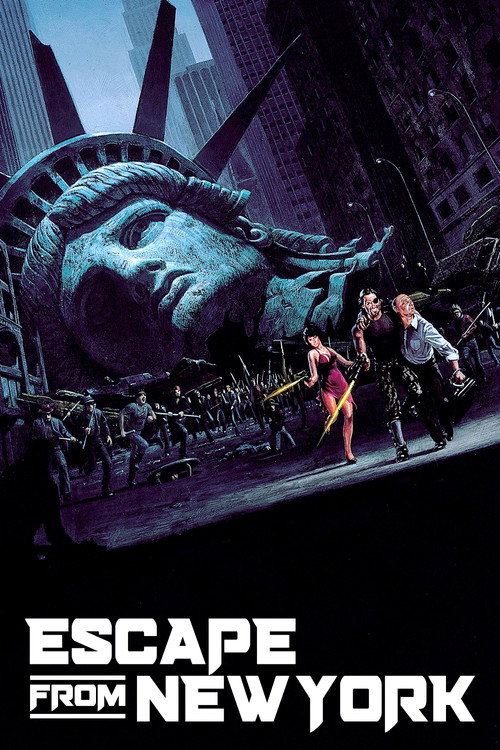
Escape from New York1981
Swap apes for gangs and Manhattan for a walled prison-island, and you've got Snake Plissken doing his own version of Taylor's survival swagger, with Carpenter's cool synth dread instead of Goldsmith's screeching brass.
But It's leaner and meaner but far less interested in ideas than in cool posturing and violence.
Rise of the Planet of the Apes2011no page yet
The origin story you didn't know you needed—Caesar's rise gives the apes real emotional weight, using modern effects to ask the same questions about intelligence, captivity and cruelty from the other side.
But It's a prequel with a very different visual language—motion-capture realism instead of practical makeup—which some purists find sacrilege.
Dawn of the Planet of the Apes2014no page yet
A tense, morally complex war drama that treats ape society with more nuance than any entry since 1968, asking whether peace between two suspicious species was ever really possible.
But You'll want context from Rise first, and it's heavier on drama than the pulpy adventure of the original.
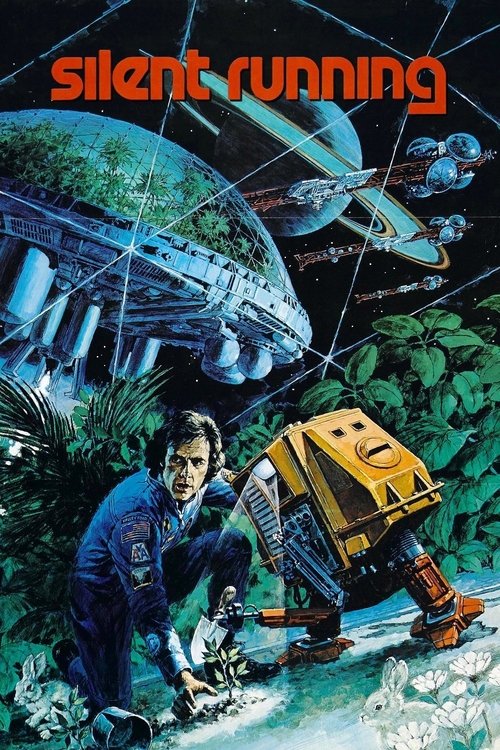
Silent Running1972
A quieter, sadder slice of early-70s eco-sci-fi—a lone botanist and his robot drones tending Earth's last forests in space—for anyone who loved the melancholy undertow beneath Apes' action.
But It's slow and sentimental, more mood piece than adventure, with barely any plot to speak of.
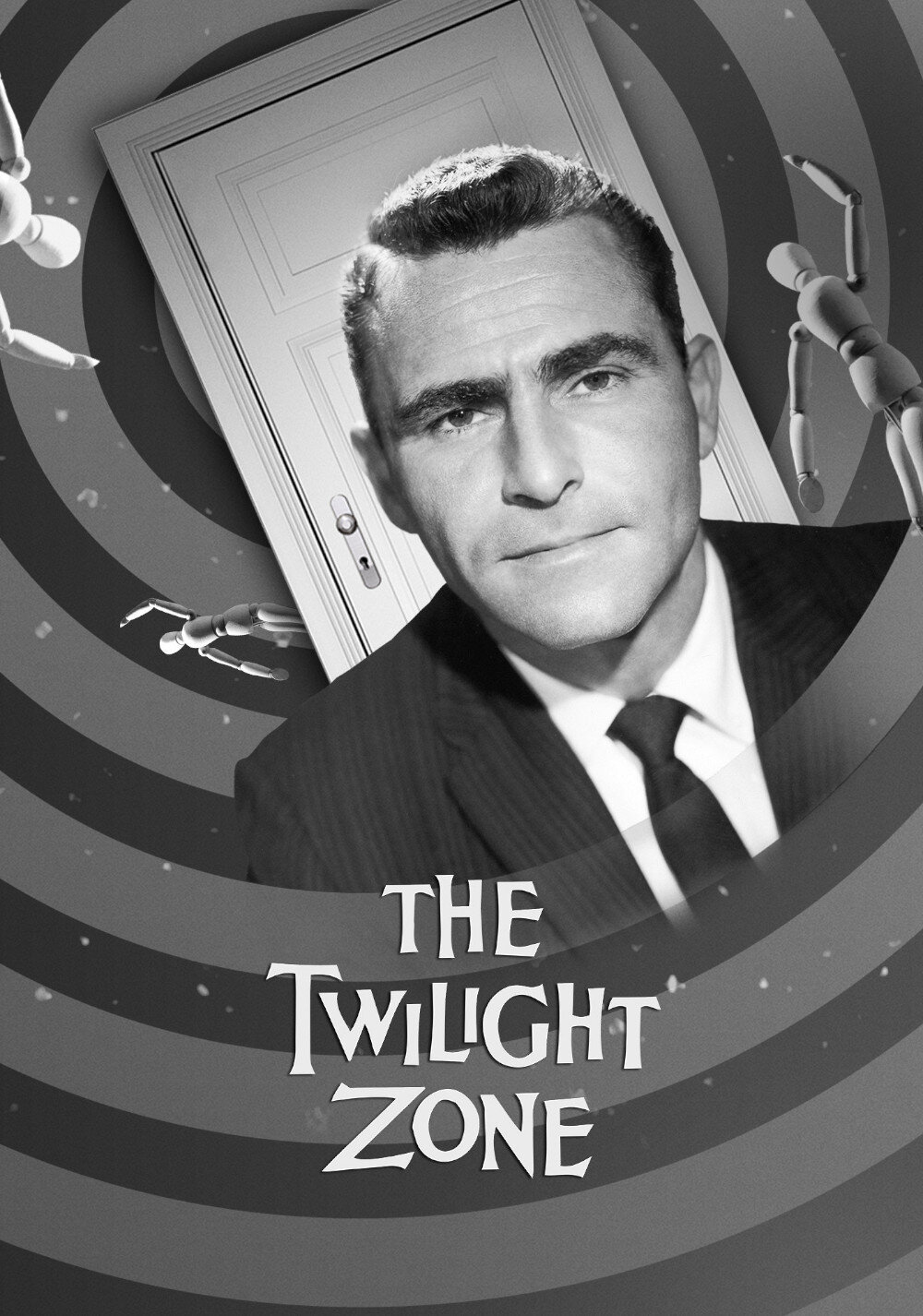
The Twilight Zone1959
Rod Serling's fingerprints are all over Apes' final twist, and his own anthology series is packed with the same kind of gut-punch reversals wearing science fiction's clothes.
But Anthology format means uneven episodes, and the black-and-white 1950s presentation takes some adjusting to.
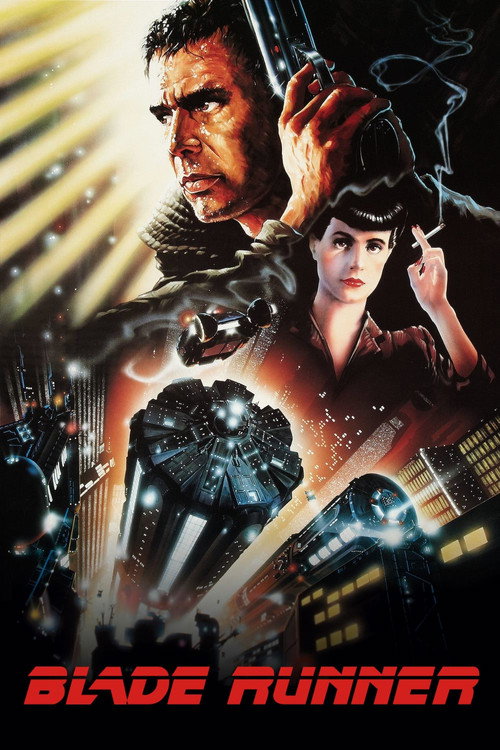
Blade Runner1982
A moodier, neon-soaked meditation on what separates human from other—swap apes for replicants and you get the same slow-building dread about who really deserves to be called civilized.
But It's much slower and more atmospheric, with almost none of Apes' pulpy adventure momentum.
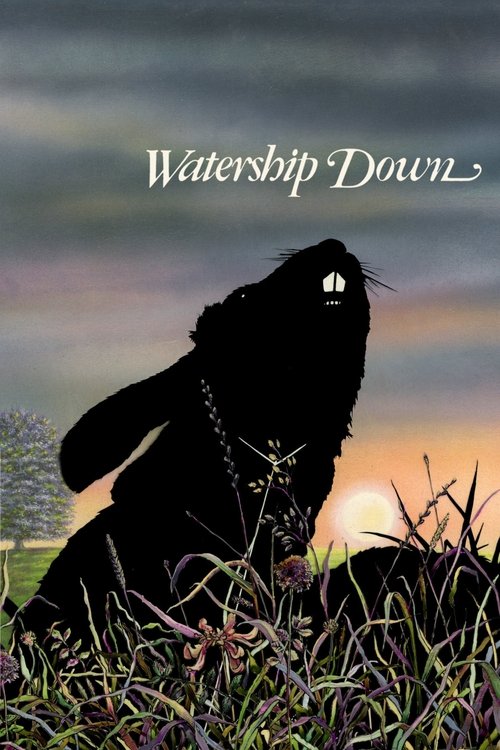
Watership Down1978
Apes uses primates to interrogate human cruelty and hierarchy; Watership Down does the same with rabbits, proving the trick works in any species and any medium, even one aimed nominally at children.
An animated British film about rabbits fleeing their warren that is, pound for pound, more traumatic than most horror movies—animals standing in for the same themes of tribalism, survival, and the terror of being hunted.
But It's animated and about rabbits, which lulls people into expecting something cozy right before it isn't.
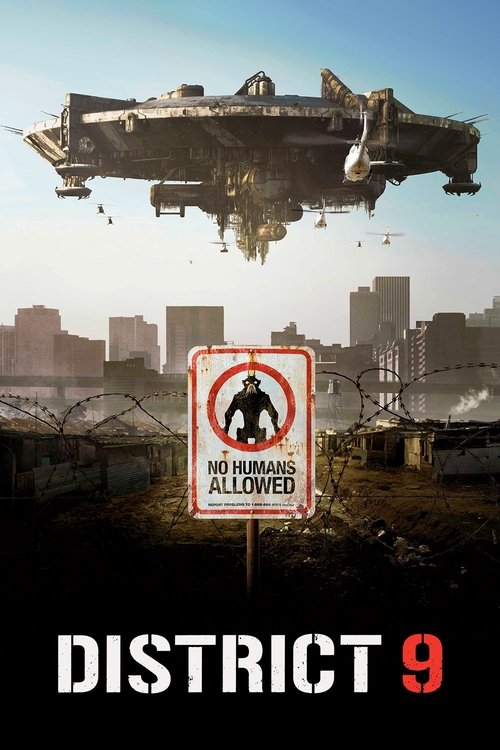
District 92009
Both use a fictional species to dramatize real apartheid and colonial logic; District 9 just drops the allegory into modern South Africa and lets it get considerably bloodier.
A scrappy, handheld sci-fi thriller set in Johannesburg where segregated aliens are treated as vermin—same DNA as Apes' colonial nightmare, but shot like a documentary and drenched in body-horror grime instead of matinee spectacle.
But It's much grosser and more visceral, with a shaky-cam intensity that trades Apes' widescreen grandeur for handheld chaos.
People
Cast
 Charlton HestonGeorge Taylor
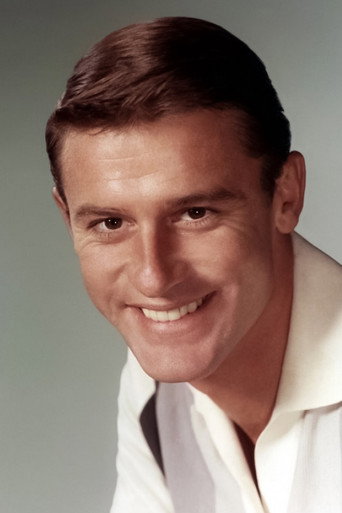 Roddy McDowallCornelius
 Kim HunterZira
 Maurice EvansDr. Zaius
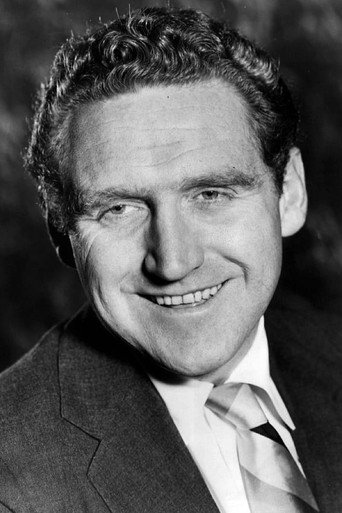 James WhitmorePresident of the Assembly
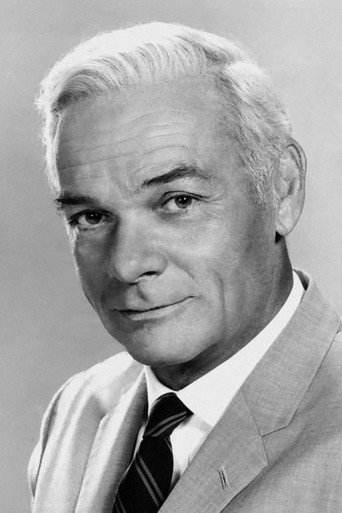 James DalyDr. Honorious
 Linda HarrisonNova
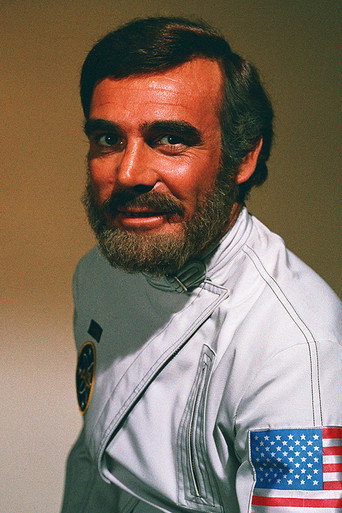 Robert GunnerLandon
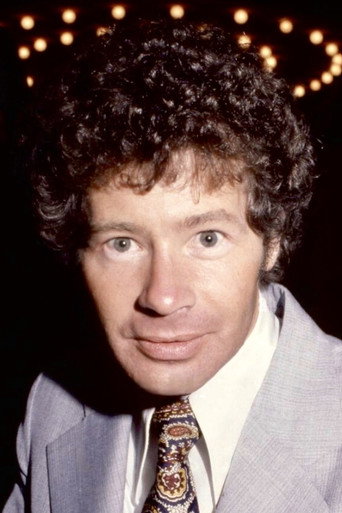 Lou WagnerLucius
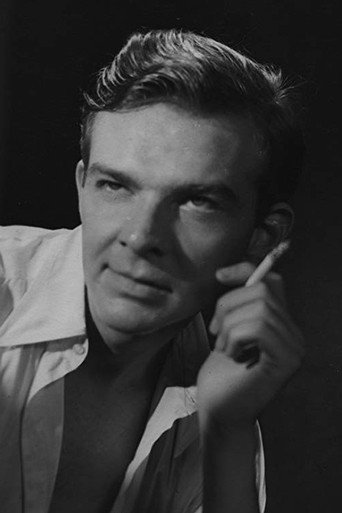 Woodrow ParfreyDr. Maximus
- Jeff BurtonDodge
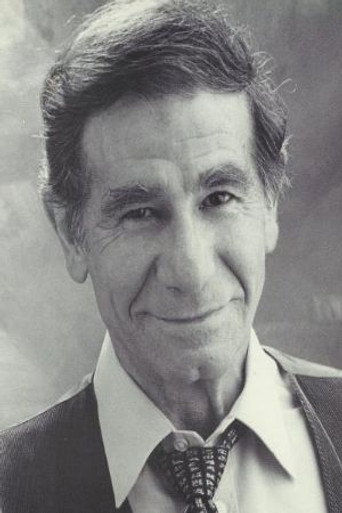 Buck KartalianJulius
Directing
- Robert DoudellAssistant Director
- William KissellAssistant Director
- Franklin J. SchaffnerDirector
- Rose SteinbergScript Supervisor
Writing
- Pierre BoulleNovel
- Michael WilsonScreenplay
- Rod SerlingScreenplay
Production
- Mort AbrahamsAssociate Producer
- Joe ScullyCasting
- Arthur P. JacobsProducer
- William EckhardtUnit Production Manager