
Film
Master of the World
Vincent Price as a visionary madman commanding an airship designed to enforce world peace through strategic bombing. This Jules Verne adaptation is a wind-up-toy spectacle of Sixties sci-fi ambition: bright colours, impossible machines, and Price's theatrical villainy. A showcase for practical effects ingenuity and one man's committed lunacy. Pure adventure-serial energy.
If you liked this
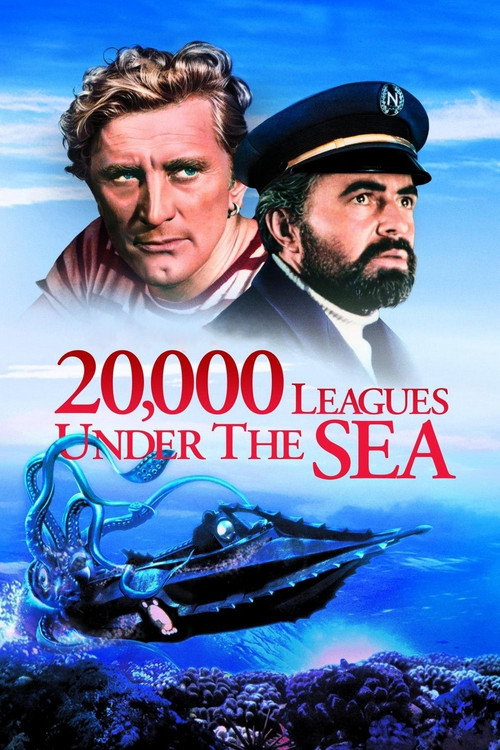
20,000 Leagues Under the Sea1954
Another Jules Verne novel adapted with real craft and scale. Kirk Douglas, James Mason, a giant mechanical squid—it's old-fashioned spectacle done with absolute conviction and unfussy charm.
But The pacing is deliberate and the dialogue occasionally creaky. It assumes patience for scene-building over action.
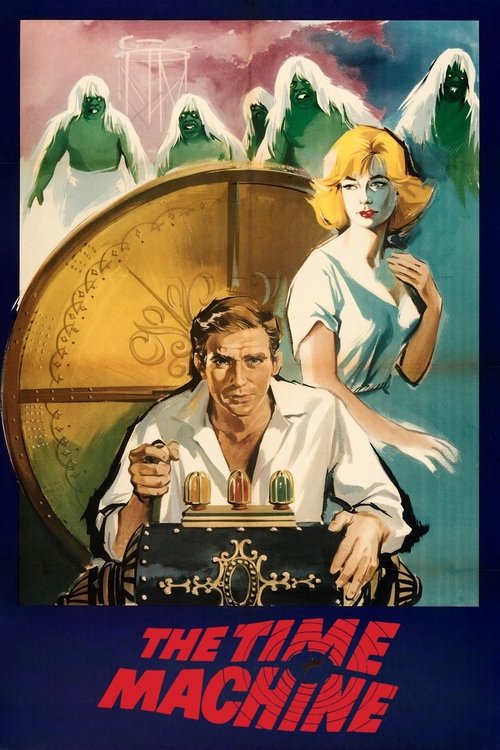
The Time Machine1960
Released a year before this, it shares the same adventure-serial DNA and practical effects confidence. Rod Taylor is charismatic, the future-world design is stunning, and the stakes feel genuinely high.
But The social allegory can feel heavy-handed. Some scenes drag despite the story's forward momentum.
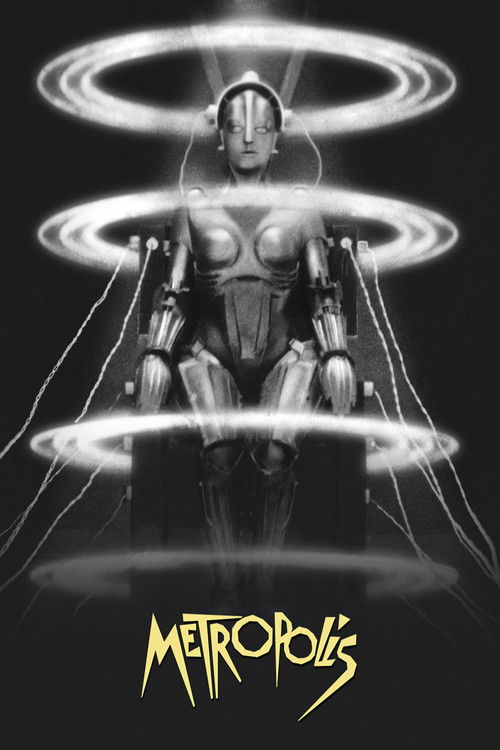
Metropolis1927
The grandfather of sci-fi design. A man commanding machines to reshape the world—the thematic DNA runs straight from Lang to Price's Captain Robur. Visually astonishing and architecturally obsessed.
But It's a silent film from nearly a century ago. The pacing and acting style require genuine adjustment. Intertitles interrupt the flow.
Not sure tonight? Get a pick in a minute, starting from Master of the World
The wildcard
Something you would not have found on your own.
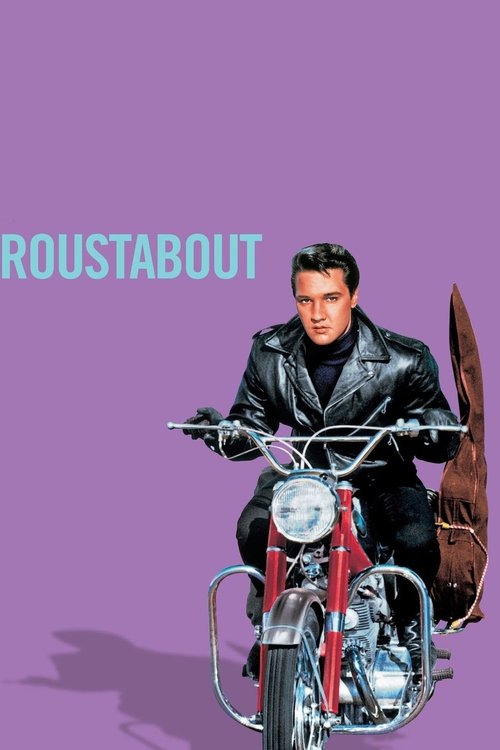
Roustabout1964
Both Price and Presley use elaborate theatrical worlds as extensions of personality. Both films treat production design as character. Both are about controlling a miniature, perfectly-ordered universe for an audience.
Elvis Presley as a carnival drifter in a world of gaudy mechanical wonder. It's not about the music—it's about the visual spectacle, the colour, the impossible commitment to production design in service of entertainment. Pure cinema as carnival.
But If you're not primed for Elvis and can't surrender to pure showmanship, it plays as exhausting and thin. The plot barely exists.
More like this (8)
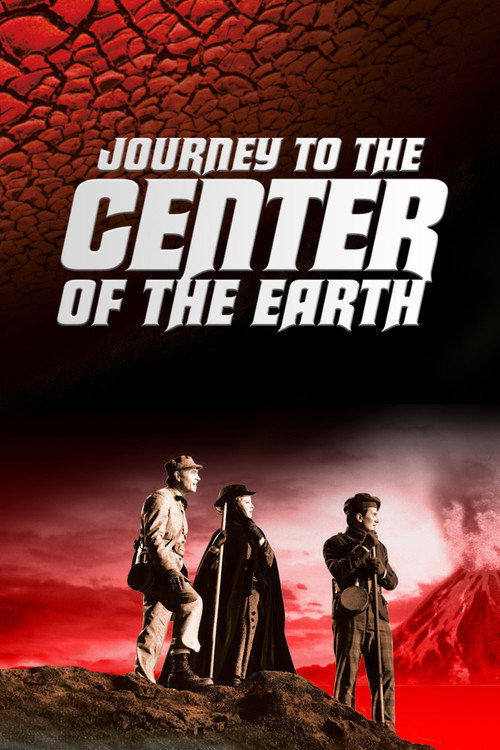
Journey to the Center of the Earth1959
Similar vintage, similar adventure-serial DNA. James Mason leads an expedition into the impossible with wit and genuine wonder. Practical effects and a real commitment to spectacle.
But It's gentler and less driven by a villain's philosophy. If you want darkness and edge, this veers too often toward family fun.
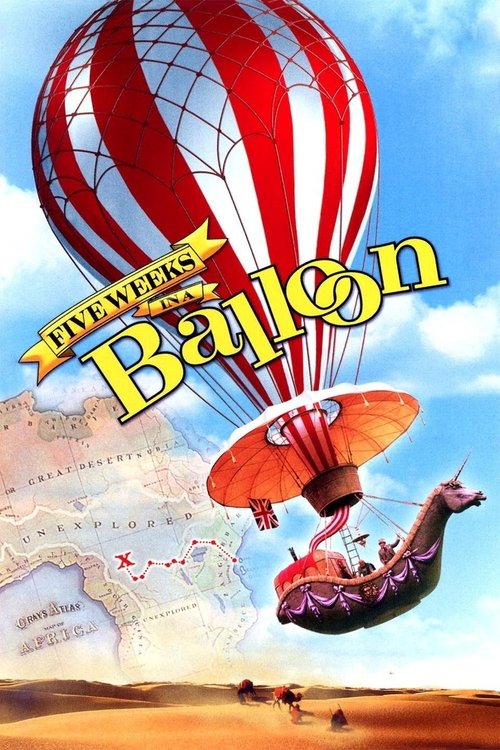
Five Weeks in a Balloon1962
Verne again, but lighter. Charming adventure with genuine comedy and ensemble warmth. The balloon sequences are inventive and the tone is buoyant without being naive.
But It prioritises charm over ambition. There's no real threat or darkness to grip you.
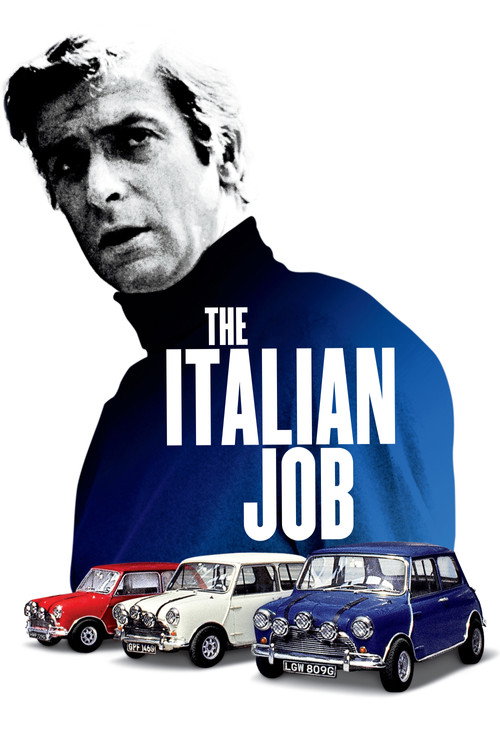
The Italian Job1969
A heist film with the same clockwork-precision plotting and ensemble confidence. Michael Caine leads a team with style. Genuinely funny and endlessly rewatchable.
But It's not sci-fi or fantastical. If you specifically want the futuristic element, you won't find it here.
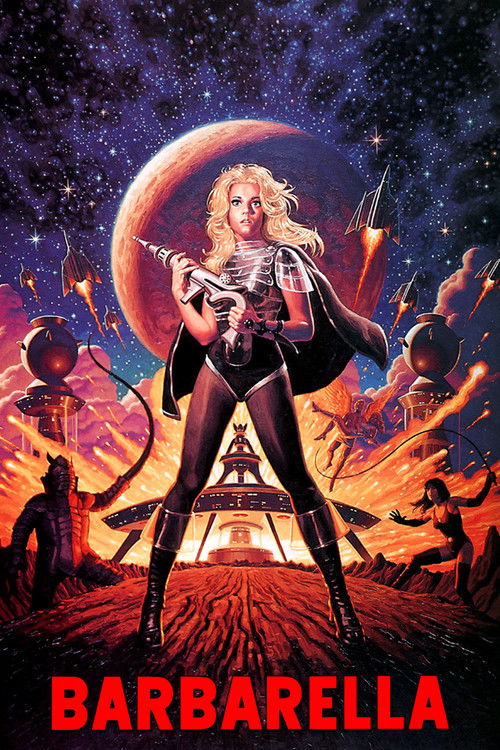
Barbarella1968
Space-opera camp from the same era, similarly invested in practical design and production spectacle. Jane Fonda, wild costumes, a villain with real charisma and ambition. Bonkers fun.
But The tone is pure camp. If you want your adventure played straight, the winking will exhaust you.
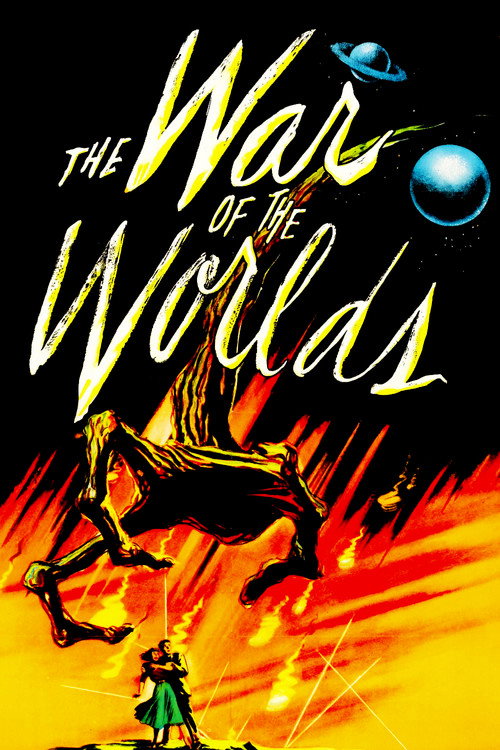
The War of the Worlds1953
Fifties sci-fi apocalyptic thinking, but grounded in real tension and genuine spectacle. The flying machines are mesmerising. It's desperate and urgent in ways that age beautifully.
But The romance subplot is thin and distracting. The pacing sags in the middle hour.
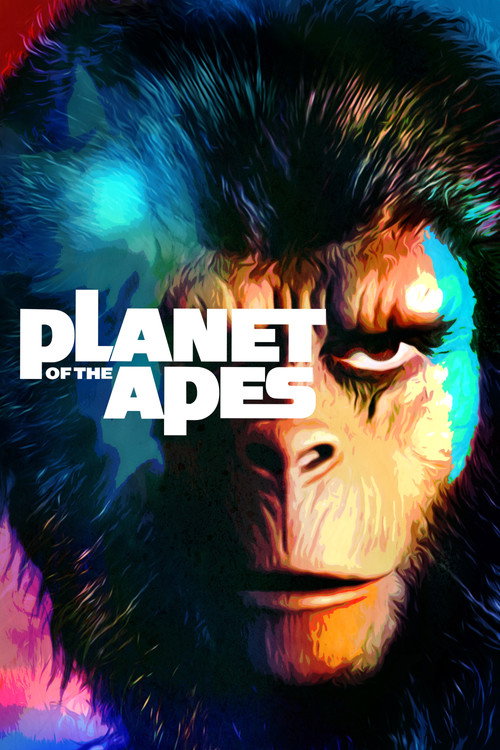
Planet of the Apes1968
A man-made world order enforced by authority, power, and ideology. Real philosophical meat underneath the adventure. Charlton Heston's fury and the twist ending stick with you.
But It's darker and more political than straightforward adventure. Some find the heavy-handedness tiresome.
Harakiri1962
Both films centre on a singular visionary figure imposing order on the world through elaborate, carefully-engineered systems. Both treat morality as something to be questioned, not assumed. Both are about one man's absolute certainty.
A man's obsessive, meticulous plan to reshape the world through his own sacrifice and manipulation. Masaki Kobayashi's camera work is architectural. Morally devastating. The design is as deliberate as any machine.
But It's a tragedy about death and shame, not adventure. Visually gorgeous but emotionally punishing. Samurai ethics are not plot-light entertainment.

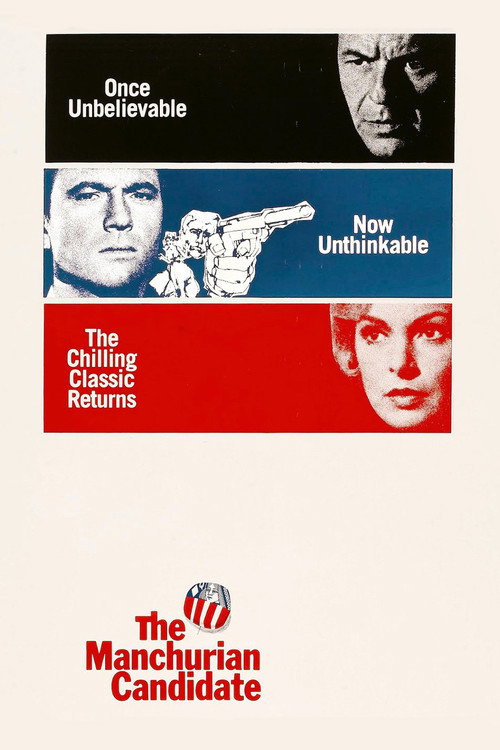
The Manchurian Candidate1962
Both films feature a powerful figure orchestrating global events from behind the scenes. Both ask what justifies imposing your will on the world. Both centre on charisma, control, and the machinery of influence—though one is literal metal and the other is social.
A hidden apparatus controlling world events for ideological ends. Frank Sinatra, Laurence Harvey, Angela Lansbury. Sharp, paranoid, brilliantly plotted. It takes the idea of hidden power seriously and makes it terrifying.
But It's a political thriller, not adventure spectacle. The mood is dread, not fun. If you want colour and machines, you won't find them here.
People
Cast
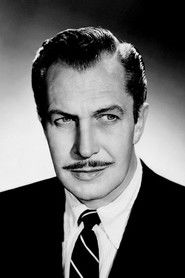 Vincent PriceCaptain Robur
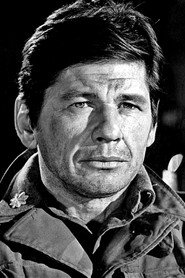 Charles BronsonJohn Strock
 Mary WebsterDorothy Prudent
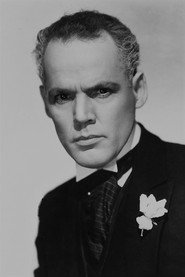 Henry HullPrudent
 David FrankhamPhillip Evans
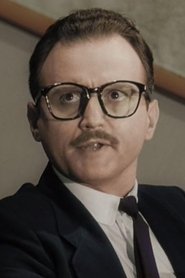 Wally CampoTurner
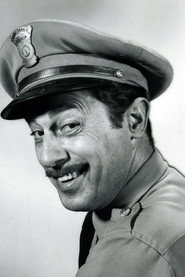 Vito ScottiTopage
 Richard HarrisonAlistair
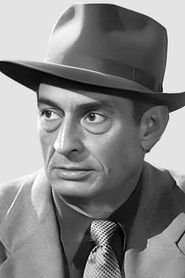 Ken TerrellShanks
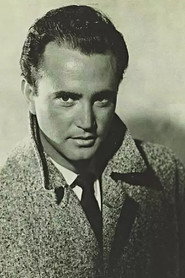 Steve MasinoWeaver
- Peter BesbasWilson
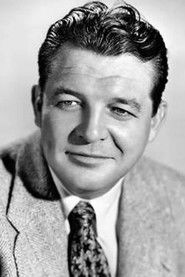 Gordon JonesTalkative Townsman
Directing
- Robert AgnewAssistant Director
- William WitneyDirector
Writing
- Jules VerneNovel
- Richard MathesonScreenplay
Production
- Bartlett A. CarréAssociate Producer
- Daniel HallerAssociate Producer
- Anthony CarrasCo-Producer
- Samuel Z. ArkoffExecutive Producer
- James H. NicholsonProducer
- Jack W. CashProduction Assistant
- Bartlett A. CarréProduction Manager