
Film
Tarzan of the Apes
Other titles called Tarzan of the Apes: the 1998 film.
The 1918 silent film that established Tarzan as a cultural icon. A foundational adventure yarn about a boy raised by apes who discovers civilization—and love—through an English woman. Genuinely thrilling in its action sequences, it moves with surprising pace and inventiveness. A window into how early cinema told stories of wildness and belonging.
If you liked this
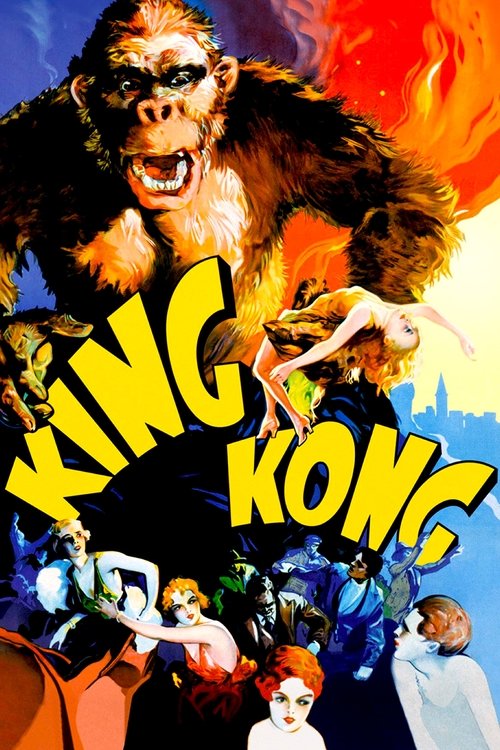
King Kong1933
Builds directly on Tarzan's template: a creature of impossible power protecting a woman from a hostile world, shot with comparable technical ambition and visual spectacle. The emotional core is remarkably similar.
But Monochrome and paced very differently from modern adventure. The racial politics are troubling by any standard, worse by modern ones.
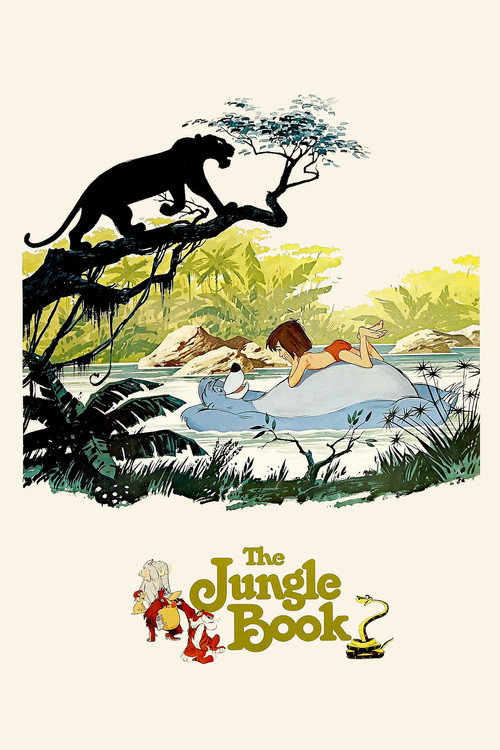
The Jungle Book1967
Disney's animated retelling of another Kipling boy-in-the-wild story, with the same question at its heart: does civilization save us or cage us? Far more charming, and the songs are excellent.
But It's a children's film, so the stakes feel lower and the action is gentler. Not what you want if you crave genuine peril.
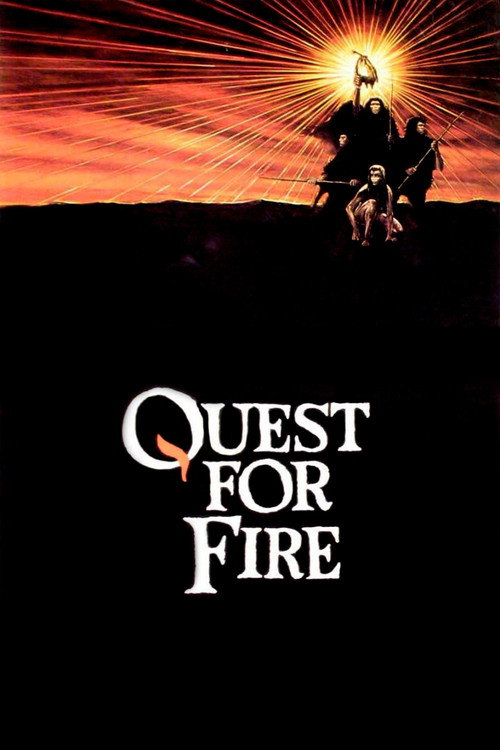
Quest for Fire1981
A serious, unglamorous vision of pre-civilized life. Minimal dialogue, real intelligence about how survival actually works, and surprisingly moving in its portrayal of human connection across cultural barriers.
But Deliberately unglamorous means you're watching people being cold, hungry, and terrified. It's beautiful but bleak, and harder to watch than adventure usually is.
Not sure tonight? Get a pick in a minute, starting from Tarzan of the Apes
The wildcard
Something you would not have found on your own.
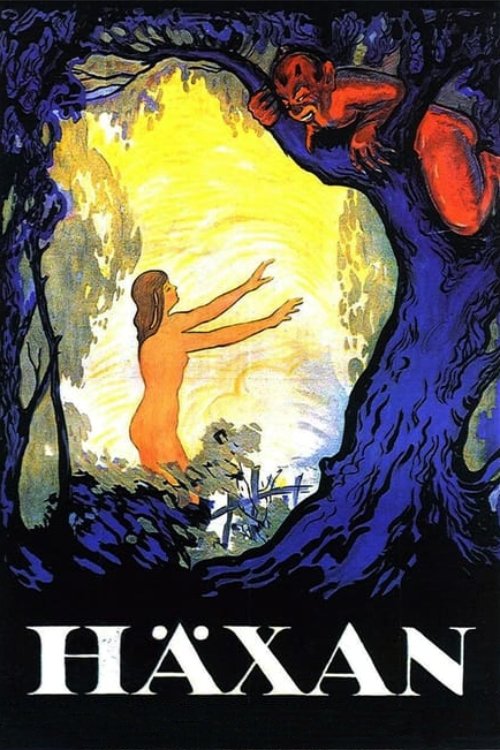
Häxan1922
Both are now-primitive films that nonetheless found ways to be technically adventurous within their limitations. Both use the camera to create genuine wonder. Both have survived because they understood that images, not explanations, are what matter in cinema.
A Swedish film from the same era—four years younger than Tarzan—but it's a documentary-essay about witchcraft that's shot like a surrealist nightmare. Proof that silent cinema could be radically intelligent and unsettling in ways Tarzan never attempts. Pure visual storytelling at its most ambitious.
But It's obscure, extremely weird, and has no plot in any conventional sense. Some of it is genuinely disturbing. A very acquired taste, even for silent-film enthusiasts.
More like this (8)
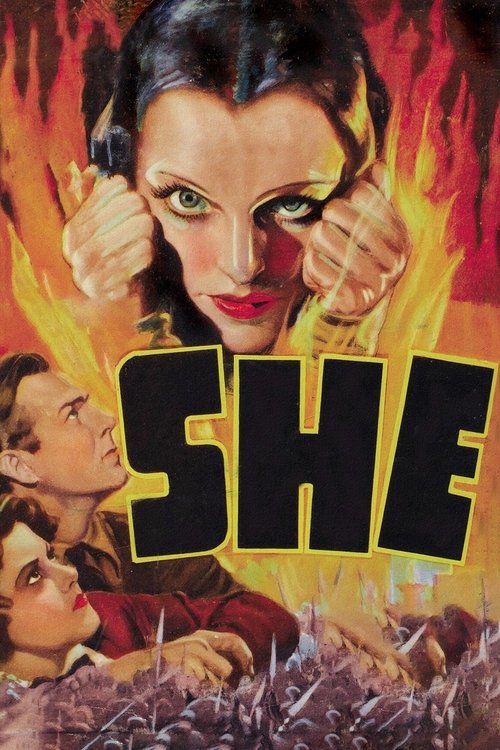
She1935
Another lost-world adventure from the same era, with a similar blend of the exotic and the romantic. Strong-willed heroine, visual imagination, and genuine danger. Often overlooked but a proper film.
But The pacing is leisurely by any standard. Long stretches of walking through sets before anything happens.
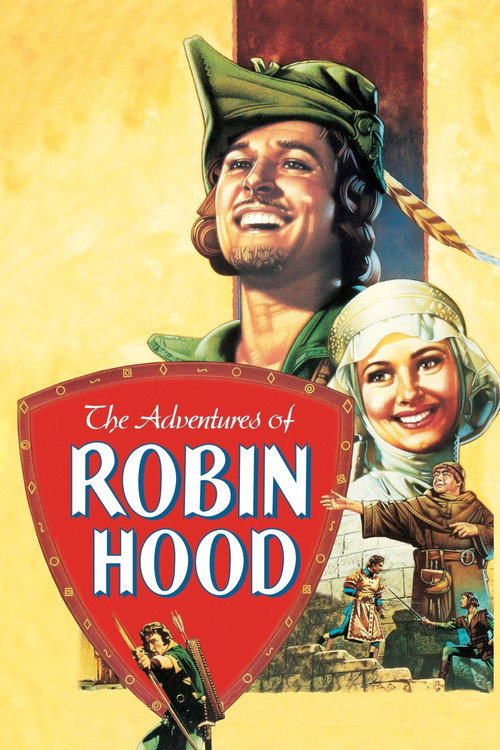
The Adventures of Robin Hood1938
Errol Flynn at peak charm in a Technicolor adventure that values action sequences as pure cinema. If you loved the physicality and the pace of Tarzan, this is the next step in how Hollywood was learning to film movement.
But The tone is lighter and more playful. If you wanted the primitive danger to stay front and center, this pivots toward swashbuckling fun.
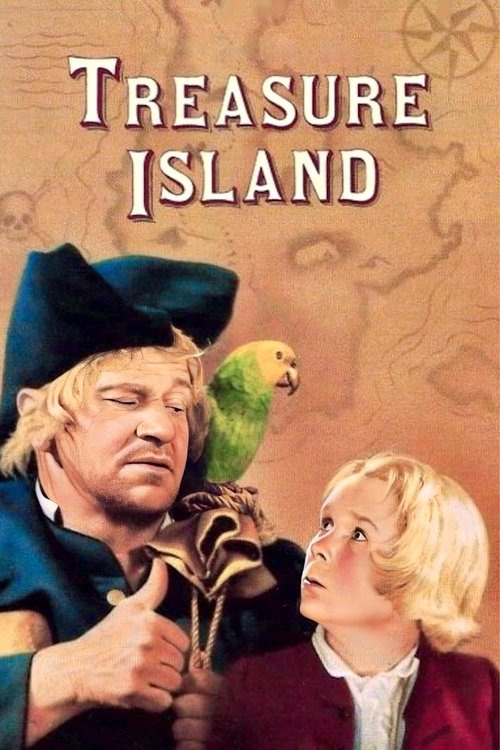
Treasure Island1934
A clean, well-made adventure story from Hollywood's golden age, with real stakes and convincing action. It doesn't get flashy but it doesn't need to. Solid craft and straightforward thrills.
But It's small and contained compared to Tarzan's jungle scope. Feels domesticated by comparison, almost like a stage play at times.
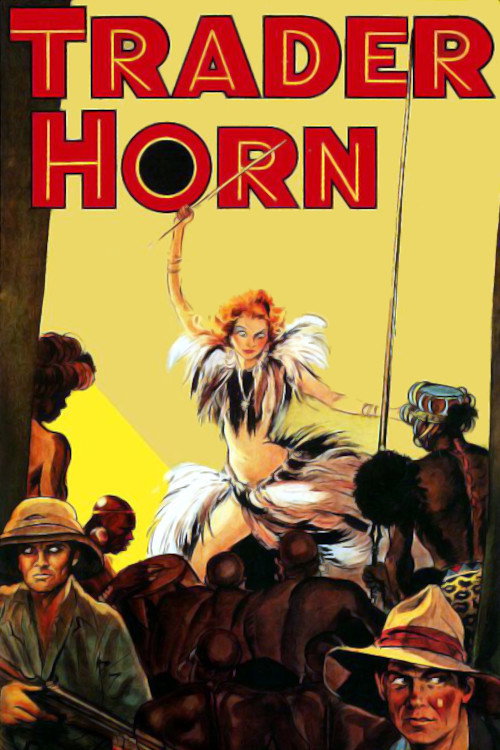
Trader Horn1931
Another early sound film that tried to capture wild Africa as Tarzan did, but played as an older man's tall tale. Notable as a parallel attempt to film adventure in exotic locales with 1930s technology.
But The exoticization is heavy-handed and sometimes unpleasant. It's also genuinely difficult to follow—the editing is confusing by design and often by accident.
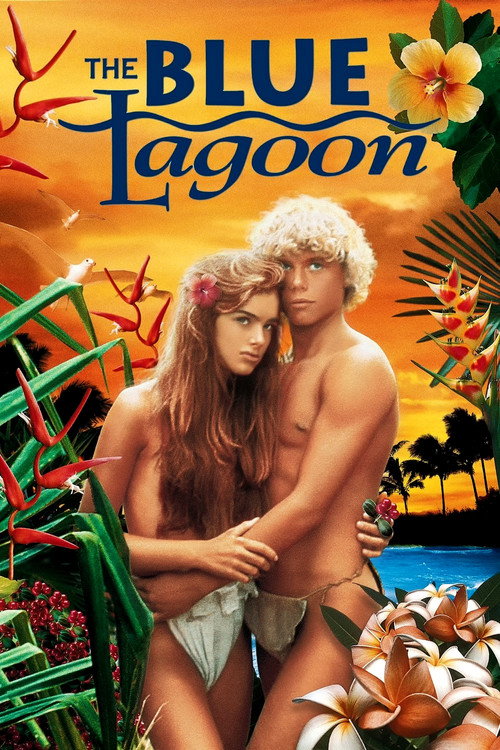
The Blue Lagoon1980
A modernized riff on the same premise: young people isolated from civilization discovering themselves and each other. It recasts Tarzan's innocence in a sexual-coming-of-age register that's very much of its moment.
But That sexual focus may feel like it's missing the point entirely. The film is also genuinely dull for long stretches, which Tarzan never is.
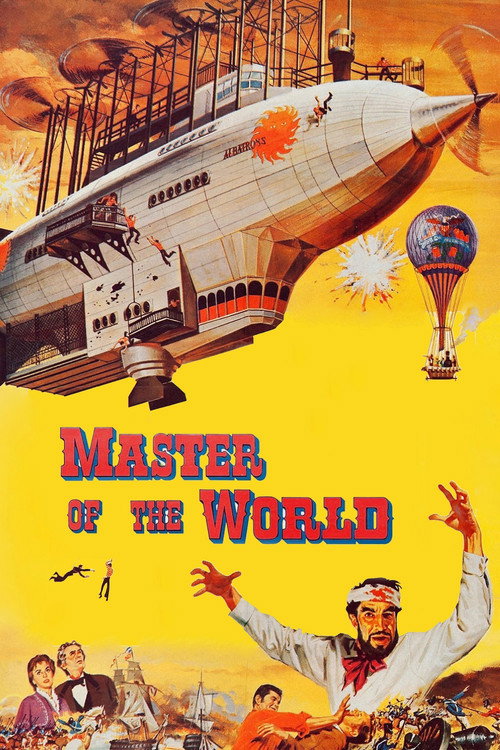
Master of the World1961
Jules Verne adaptation with similar themes of an outsider who lives by different rules, encountering the civilized world's technology and morality. Colorful sci-fi adventure with real ingenuity in the set design.
But Campy in a way that pulls focus from the adventure. Also fairly short on actual plot, mostly a series of set pieces strung together.
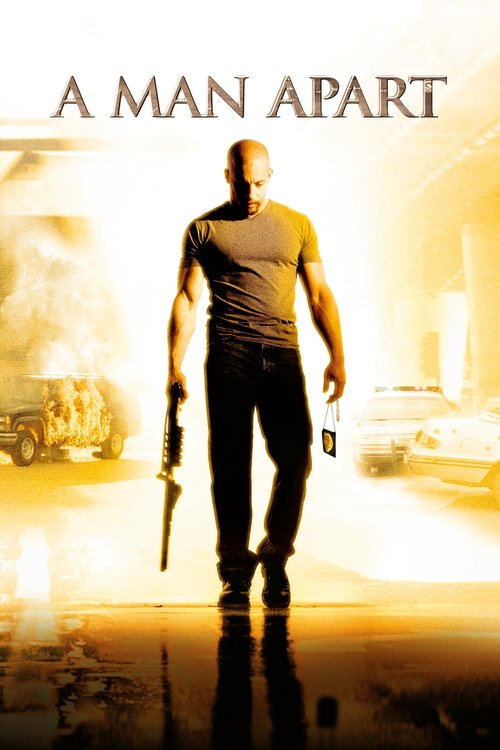
A Man Apart2003
The same fundamental question, reversed: Tarzan wonders if he can become civilized; A Man Apart wonders why he would want to. Both treat the feral state as having its own terrible purity and power.
Vin Diesel plays a DEA agent whose life as a civilized lawman disintegrates, and he's forced to return to the primal, ruthless world he came from. Inverts Tarzan's journey: instead of learning civilization, he's stripped back to animal survival and power. Lean, efficient action thriller that's far better than its reputation.
But It's a relatively recent action movie with all the tropes that entails: dated 2000s aesthetics, thin character work, and some genuinely ugly violence. Also straightforwardly cynical about whether civilization is worth the cost.
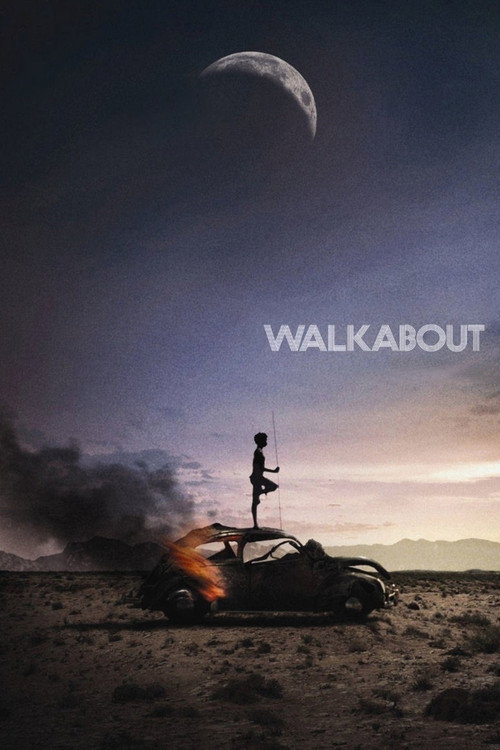
Walkabout1971
The same meeting point: innocence encountering the world, connection across radical difference, and the unspoken understanding that grows between people who have no shared language. But Walkabout is far more serious about the cost of that meeting, and far less sure it ends in love.
A British girl and boy lost in the Australian outback are rescued by an Aboriginal teenager on his coming-of-age walkabout. Nicolas Roeg's film is hypnotic, wordless for long stretches, devastatingly beautiful about what happens when different worlds collide. It's patient and strange and lingers in the mind.
But Nothing happens in a conventional sense. It moves on intuition and mood rather than plot. The ending is genuinely sad in a way that sits wrong with adventure-film conventions. Requires patience that feels more like a poem than a thriller.
People
Cast
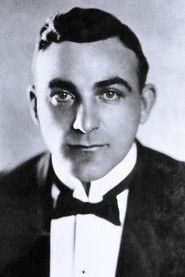 Elmo LincolnTarzan
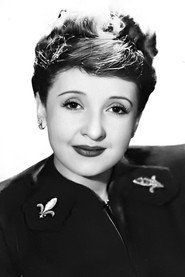 Enid MarkeyJane Porter
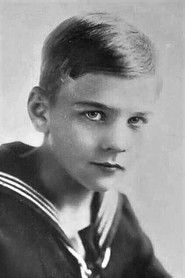 Gordon GriffithYoung Tarzan
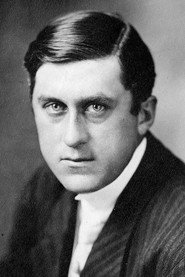 True BoardmanJohn Clayton - Lord Greystoke
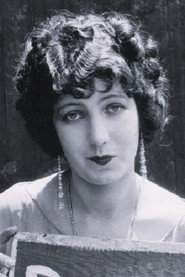 Kathleen KirkhamAlice Clayton - Lady Greystoke
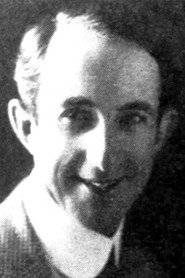 George B. FrenchBinns - a Sailor
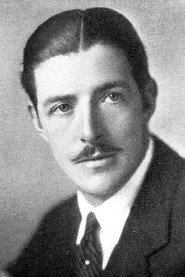 Colin KennyGreystoke's Nephew
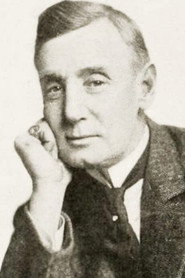 Thomas JeffersonProf. Porter
- Bessie TonerBar Maid
- Jack WilsonCaptain of the Fuwalda
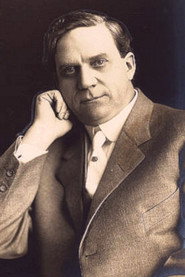 Louis MorrisonInnkeeper
Directing
- Charles WattAssistant Director
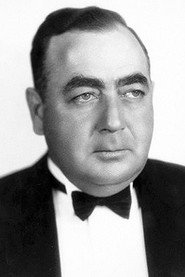
- Scott SidneyDirector
Writing
- Edgar Rice BurroughsNovel
- Fred MillerWriter
- Lois WeberWriter
Production
- William ParsonsProducer