
Film
The Time Machine
George Pal's Technicolor take on H.G. Wells is pulp with a conscience: a Victorian inventor spins forward through a fast-motion slideshow of history — still one of cinema's great effects sequences — into a far future split between two haunted species. Boyish adventure wrapped around a genuinely melancholy question about where comfort and cruelty both lead a civilisation.
If you liked this
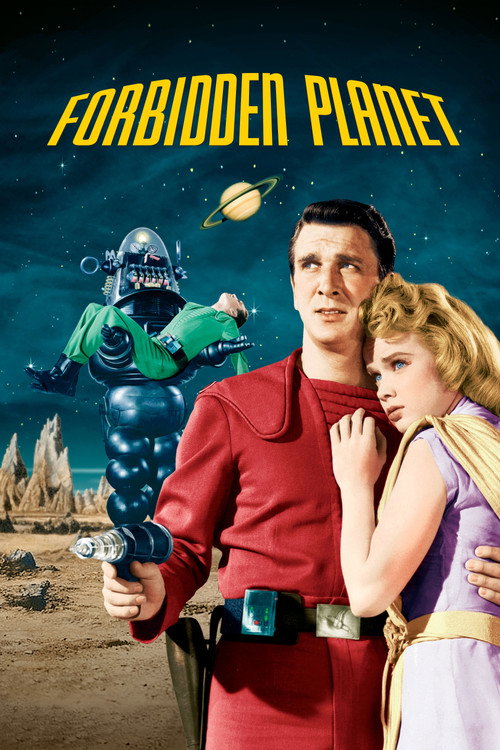
Forbidden Planet1956
Same golden age of practical-effects sci-fi, but swaps time travel for space exploration and adds a haunted-house plot, Shakespearean subtext, and one of cinema's first synthesized scores.
But The pacing is stately and the acting stiff even by 1956 standards — patience required.
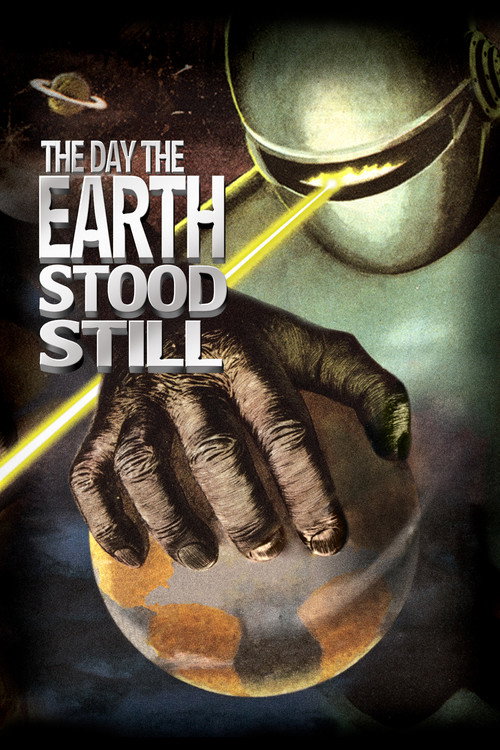
The Day the Earth Stood Still1951
Another Cold War-era sci-fi parable that uses spectacle to smuggle in a serious moral argument about humanity's talent for self-destruction, delivered with real gravity.
But Its earnestness can feel heavy-handed to modern viewers used to irony.
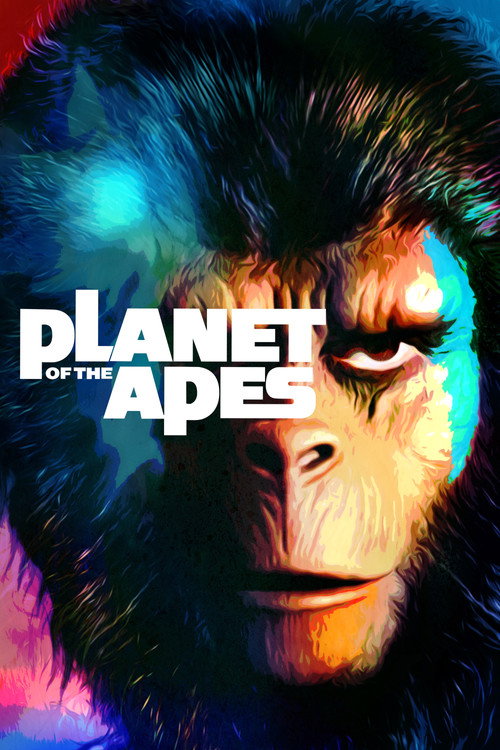
Planet of the Apes1968
Takes the same premise — a man alone confronting a future where humanity has split into two hostile factions — and turns it into one of cinema's most famous twist endings.
But The satire is broader and pulpier; less lyrical wonder, more shock value.
The wildcard
Something you would not have found on your own.
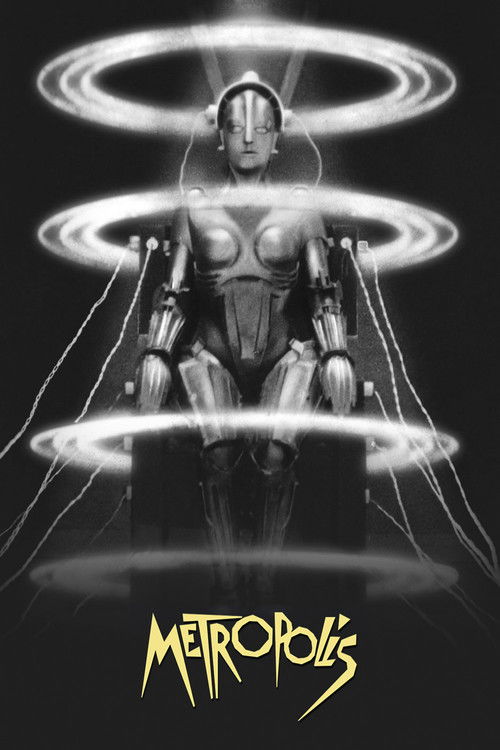
Metropolis1927
Both stories split humanity's future into a leisured class and a laboring one and ask which side is actually monstrous — Fritz Lang got there over thirty years before Pal, and did it without a single spoken word.
The silent German epic that first imagined humanity fractured into two classes — the pampered above, the toiling below — with visuals so influential every later sci-fi skyline still quotes it.
But Silent, over two hours, and its politics resolve into something more naive than Wells's.
More like this (8)
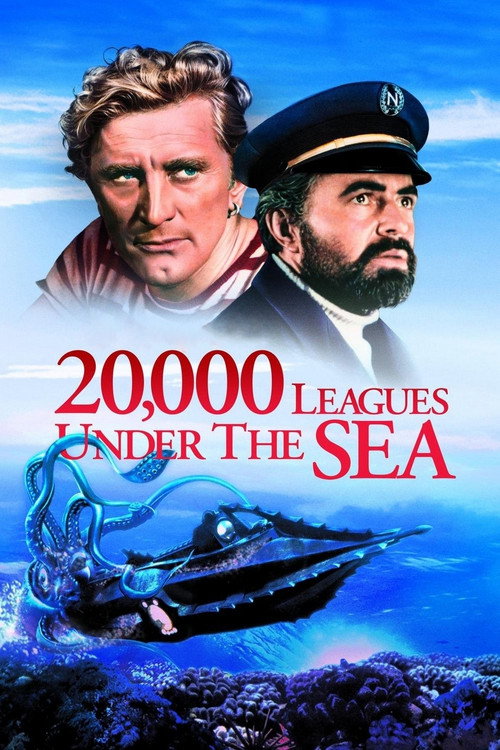
20,000 Leagues Under the Sea1954
Another Jules Verne-adjacent adventure from the same practical-effects era, with Disney's budget going toward a genuinely astonishing giant squid and submarine set.
But More swashbuckling spectacle than philosophical inquiry — the ideas here are thinner.
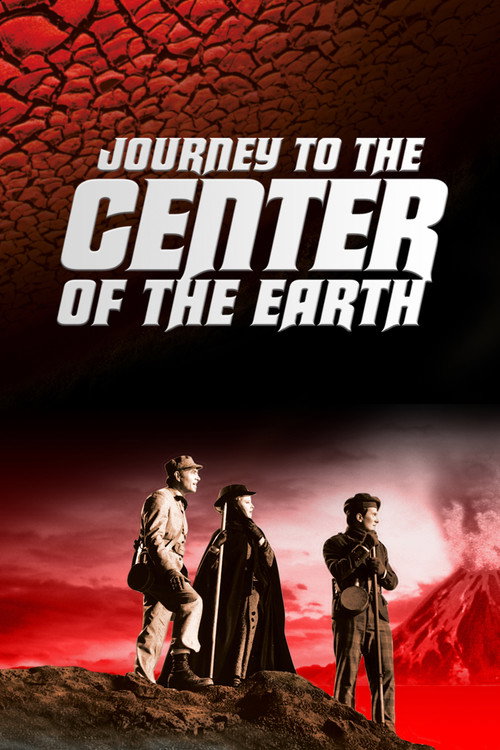
Journey to the Center of the Earth1959
Same year, same appetite for Victorian scientific adventure, same matte-painting sense of wonder, just headed underground instead of forward through time.
But The comic relief, including a duck named Gertrude, dates it more than the effects do.
The War of the Worlds1953no page yet
Produced by George Pal himself, so you get the same eye for apocalyptic spectacle and the same unshakeable faith that humanity's better qualities will somehow pull it through.
But Pacing sags in the middle act, and the Oscar-winning effects show their age more.
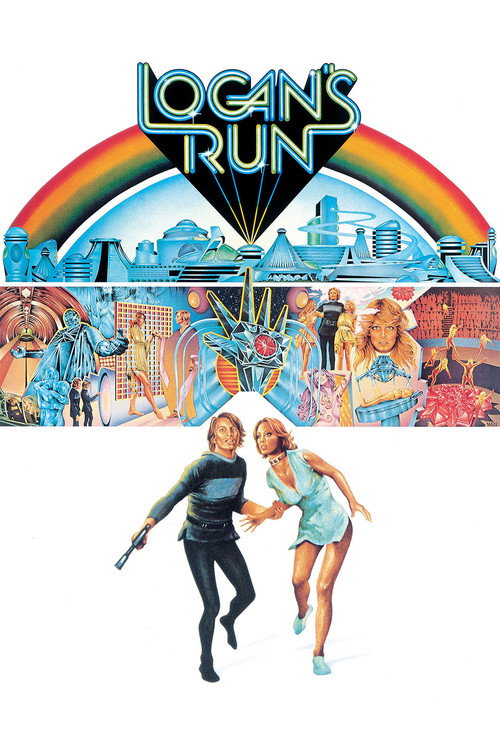
Logan's Run1976
A related nightmare — a future society that's traded freedom and truth for comfort — with someone finally brave enough to run from it.
But The seventies polyester futurism and thin worldbuilding can feel more silly than sinister.
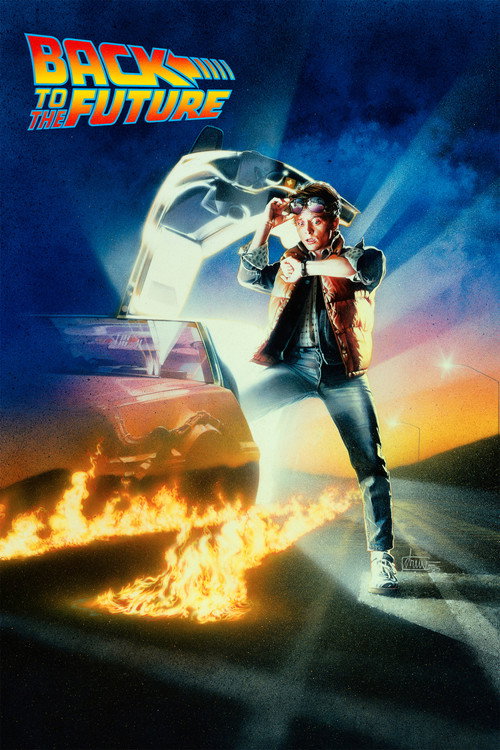
Back to the Future1985
If you want a time machine story that swaps melancholy for pure delight, this is the gold standard — funnier, faster, and endlessly quotable.
But Almost no thematic overlap beyond the premise — it's a much lighter, sillier ride.
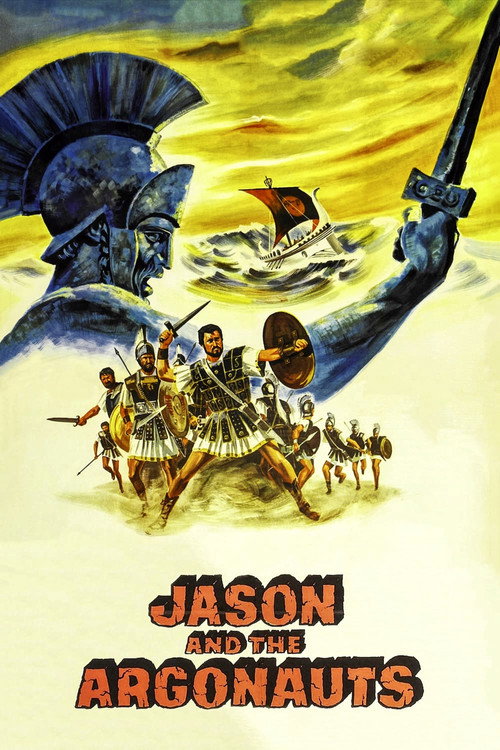
Jason and the Argonauts1963
Ray Harryhausen's stop-motion monsters offer the same handmade, pre-CGI sense of wonder, just filtered through Greek myth instead of Victorian science fiction.
But Episodic structure with little narrative urgency — it's spectacle first, story a distant second.
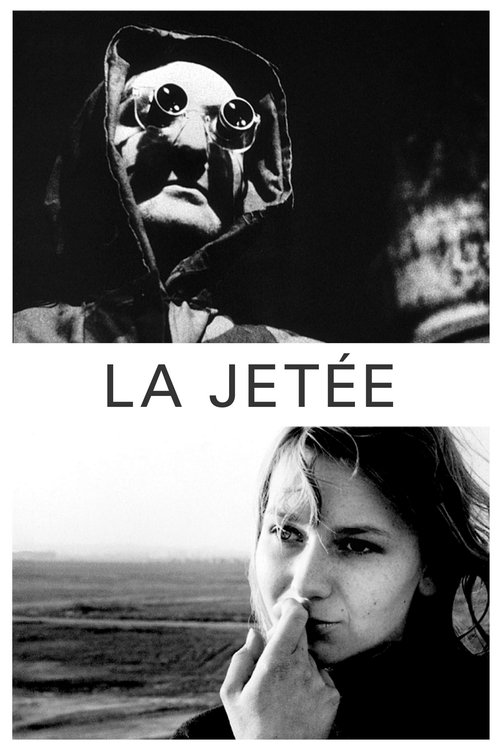
La Jetée1962
Strip away the Technicolor and the Morlocks and you're left with the same aching premise — a man traveling through time chasing something he's afraid to lose — told here in the sparest, saddest register imaginable.
A 28-minute French time-travel film told almost entirely in still photographs, about a man sent through time by the memory of one image — hushed, haunting, and hugely influential.
But No spectacle at all, glacially paced by design, and demands you sit with stillness and silence.
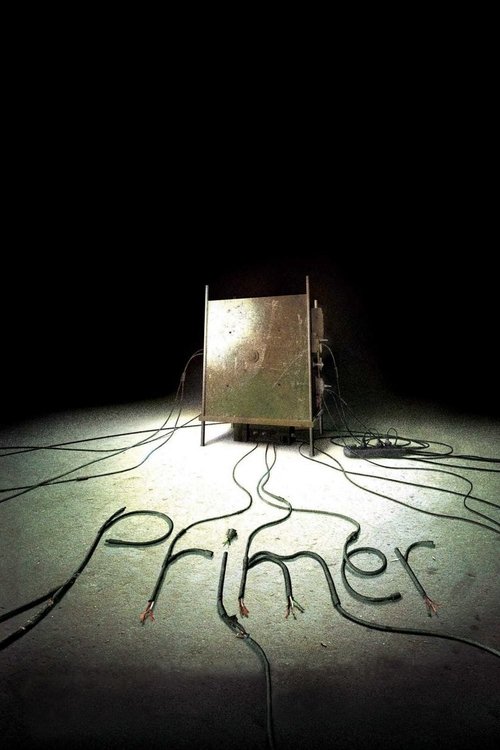
Primer2004
Same premise turned inside out — where Pal's inventor travels for wonder and hope, Primer's engineers travel for leverage and control, showing what a time machine looks like in the hands of people with no Victorian idealism left.
Two garage engineers build a time machine almost by accident and immediately start lying to each other about what to do with it — cold, paranoid science fiction with total conviction.
But Deliberately confusing, visually flat, and offers none of the adventure-serial pleasure of the original.
People
Cast
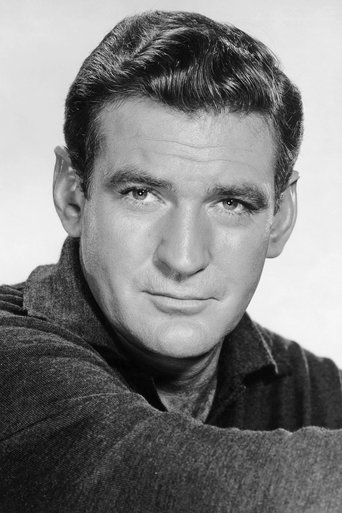 Rod TaylorH. George Wells
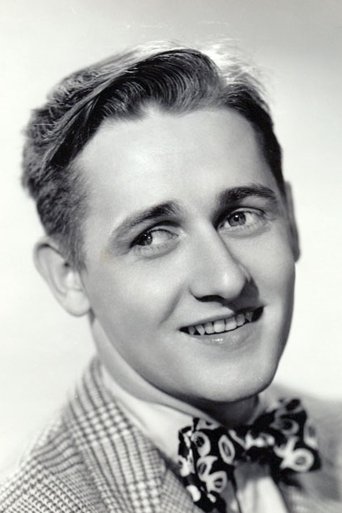 Alan YoungDavid Filby / James Filby
 Yvette MimieuxWeena
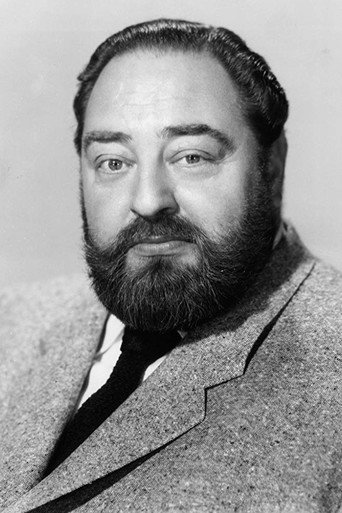 Sebastian CabotDr. Philip Hilyer
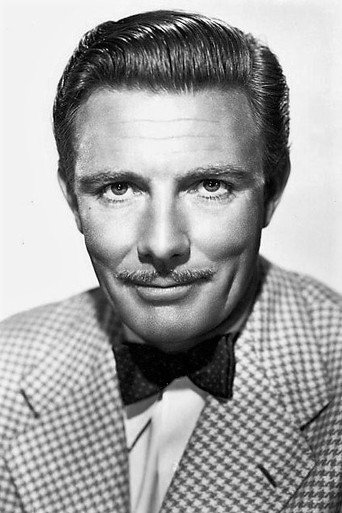 Tom HelmoreAnthony Bridewell
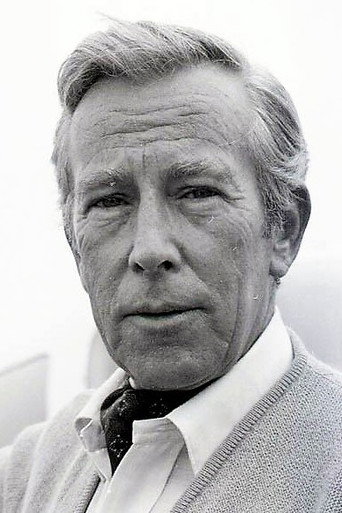 Whit BissellWalter Kemp
 Doris LloydMrs. Watchett
- Bob BarranEloi Man (uncredited)
 Paul FreesTalking Rings (voice) (uncredited)
Directing
- William ShanksAssistant Director
- George PalDirector
Writing
- H. G. WellsNovel
- David DuncanScreenplay
Production
- George PalProducer
Recommended by
Planet of the Apes, Journey to the Center of the Earth, Idiocracy