
Film
World Without End
A 1956 time-travel adventure where four astronauts crash into a post-apocalyptic 26th century divided between surface-dwelling mutants and underground normals. It's earnest sci-fi pulp with practical effects, B-movie charm, and a genuine sense of wonder about futures that terrify. For anyone who loves the retro-futurism of early space exploration and doesn't mind creaky dialogue in service of big ideas.
Should you watch it?
Watch it if you enjoy vintage paperback-cover science fiction, where a tidy 80-minute plot, earnest ideas about atomic folly and a little pulpy spectacle are the point.
Skip it if you want restrained, modern pacing or subtle performances, since the 1950s acting is broad, the dialogue is stiff and the effects show their age.
What it asks of you: A brisk eighty minutes, with long stretches of talk and pondering between its action beats, and a sincere, unhurried tone that takes its premise seriously.
Not sure? Find tonight's pick in a minute.
If you liked this
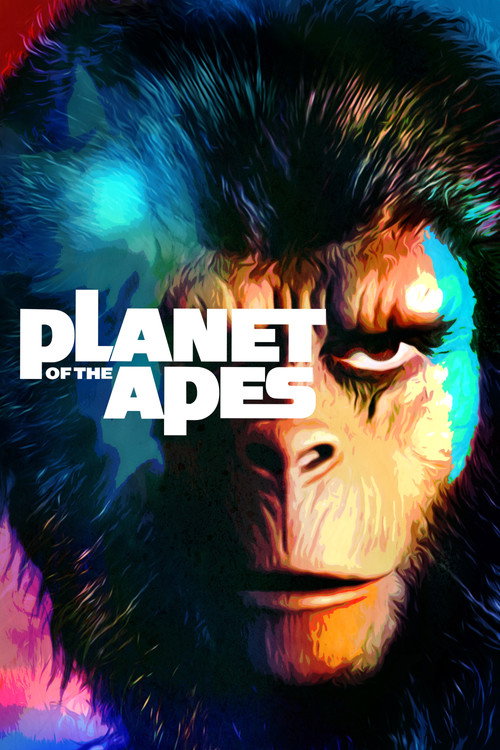
Planet of the Apes1968
Shares the same DNA: astronauts displaced in time, a world remade by catastrophe, and a divided society grappling with what evolution—or devastation—has wrought. Charlton Heston's fury gives it weight that World Without End reaches for.
But It's a masterpiece, which means watching a 1956 film alongside it highlights how uneven the storytelling can be. The pacing in the second half drags.
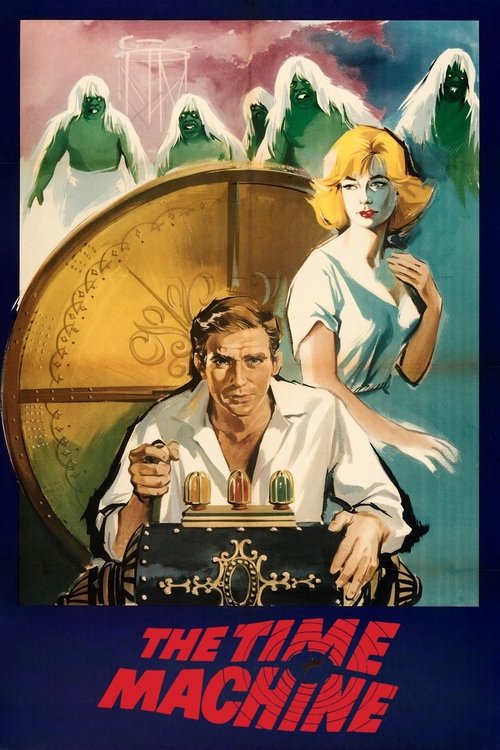
The Time Machine1960
Same era, same appetite for time-travel consequence. H.G. Wells' Morlocks and Eloi are the template for World Without End's mutants and underground society. Rod Taylor appears in this too, inhabiting the same world of retro-futurism.
But It's glossy and well-made, which throws into sharp relief how cheaply World Without End was produced. Comparisons hurt.
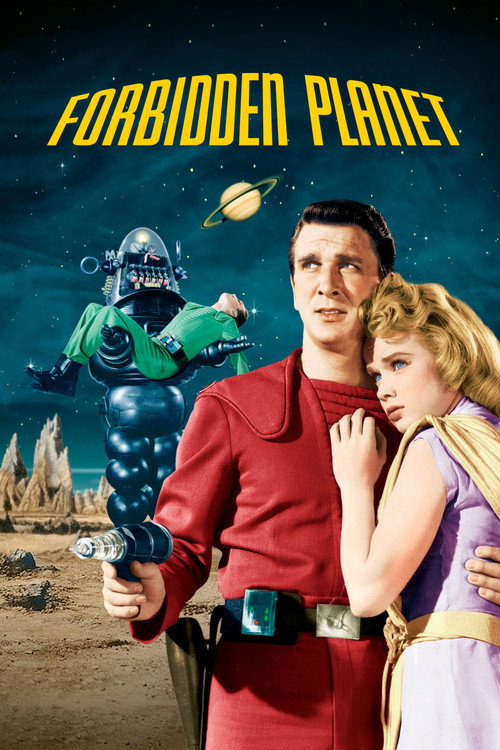
Forbidden Planet1956
Released the same year, this is what happened when Hollywood threw real money at space exploration. It has the same earnest wonder, the same crew-in-peril structure, and Walter Pidgeon's magnificent performance grounds the cosmic threat.
But It's gorgeous and confident. Watching it first will make World Without End feel like a rehearsal, which it kind of was.
Not sure tonight? Get a pick in a minute, starting from World Without End
The wildcard
Something you would not have found on your own.
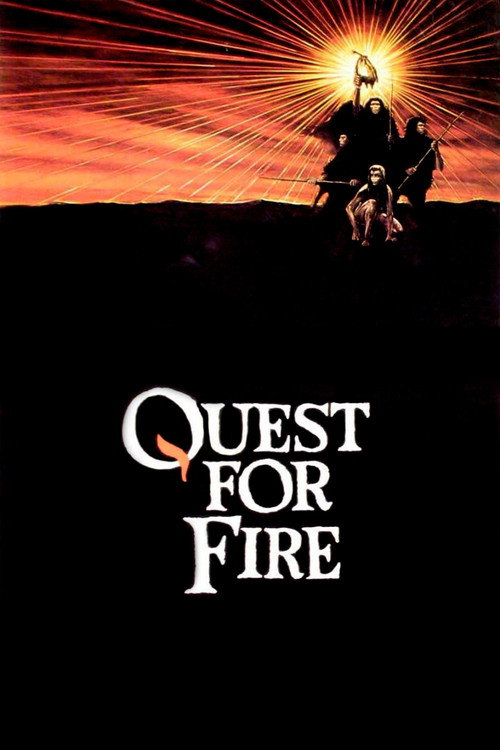
Quest for Fire1981
Both track a small crew navigating a world divided into competing versions of what humanity can be. Both ask: what do we keep when everything else is lost?
A tribe of proto-humans on a hostile Earth must journey across an unknowable landscape to survive. It's a completely different era and register—primal, physical, nearly wordless—but the structure mirrors World Without End exactly: a group displaced, a divided world, the question of what humanity becomes under pressure. Visually stunning and genuinely strange.
But There is almost no dialogue. If you need words to feel engaged, you'll find it slow and opaque. Some find the sexuality uncomfortable and the violence graphic.
More like this (8)
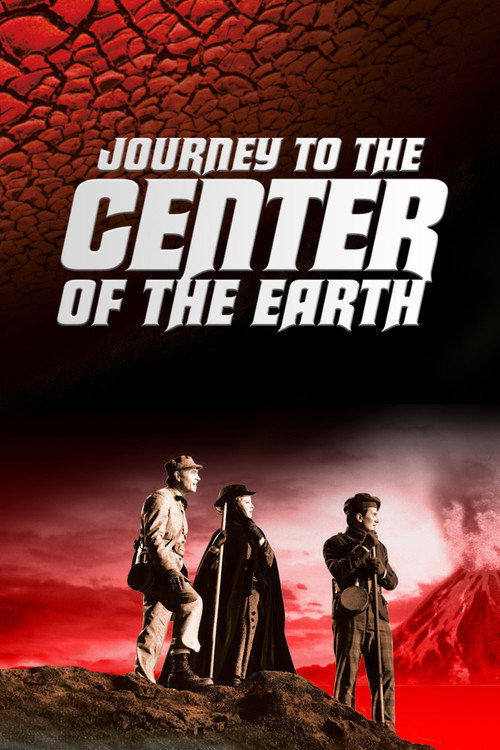
Journey to the Center of the Earth1959
Another underground civilization discovered by accident, another divided world, another chance to explore what isolation does to humanity. It has the same travelogue energy, the same sense of wonder-tinged-with-dread.
But It's more interested in spectacle and romance than in the moral questions World Without End actually cares about. You'll want it to think harder.
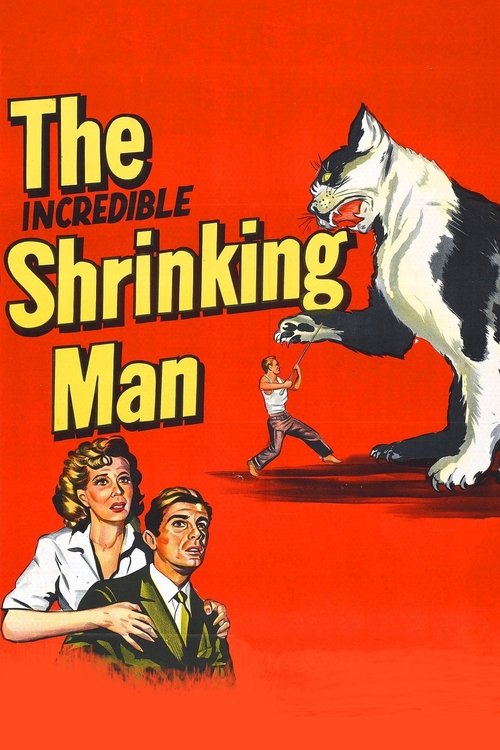
The Incredible Shrinking Man1957
Same era, same low budget, same ambition to ask philosophical questions about human place and purpose. It's about a man spiraling into an unknowable world; World Without End is about a crew spiraling into an unknowable future. Both earn their strangeness.
But It's relentlessly bleak and abstract by the end, which some find pretentious. It's also about a man getting smaller, which sounds absurd until it isn't.
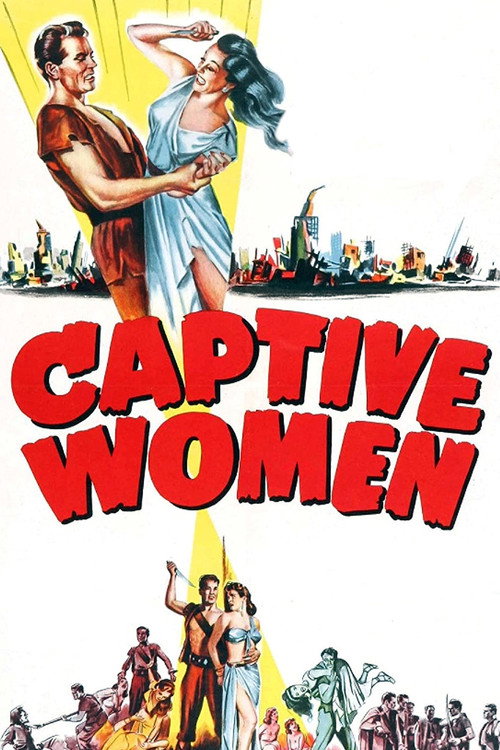
Captive Women1952
An earlier, rougher stab at post-atomic future Earth with remnant civilizations. It's cruder than World Without End but has a raw energy. Worth seeing to understand what the template looked like before Hollywood refined it.
But It's genuinely difficult to watch. The gender politics are awful, the plot is thin, and the production values make World Without End look like Metropolis. Only for deep dives into 1950s sci-fi archaeology.
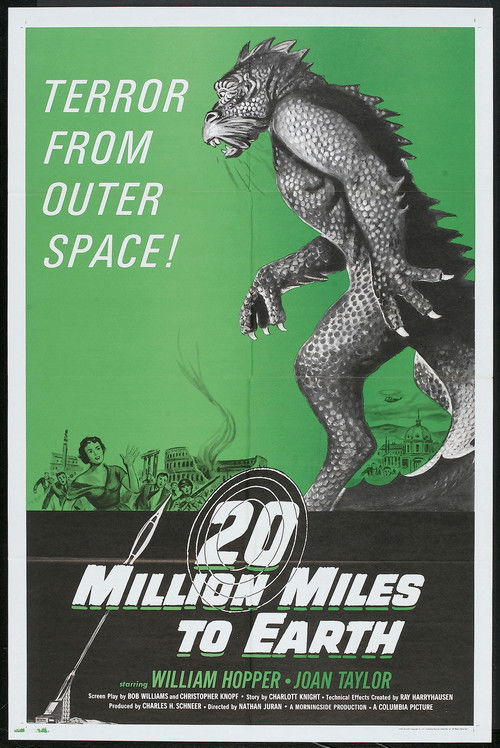
20 Million Miles to Earth1957
Another crew returning from space, another creature they didn't expect, another descent into chaos. Ray Harryhausen's stop-motion effects are crude but mesmerizing, and the film understands how to build dread from nothing.
But The script is thinner than tissue paper. You're watching it for the creature, not the drama, and once you've seen the creature, there's not much left.
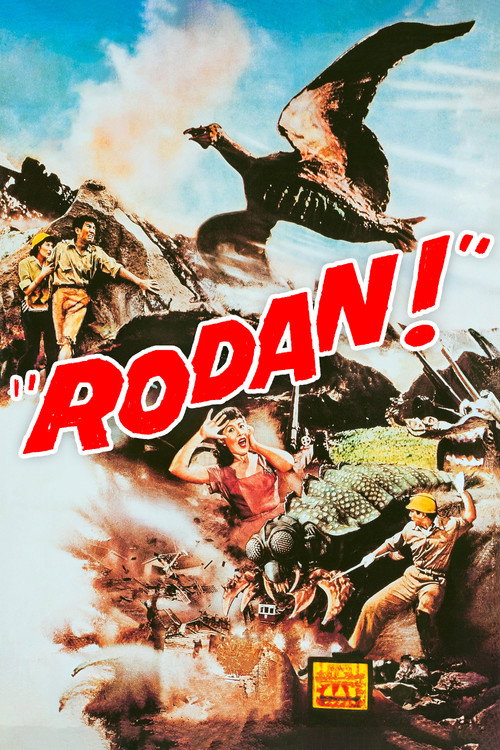
Rodan1956
A giant creature emerges from underground, and a society has to grapple with the threat and the origin. It's more spectacle than World Without End, but it shares the sense that the Earth itself is not what we thought it was.
But It's a monster movie, and if you're not in the mood for rubber-suited mayhem, the philosophical underpinnings feel thin. Also a Japanese film with dubbing that varies wildly in quality.
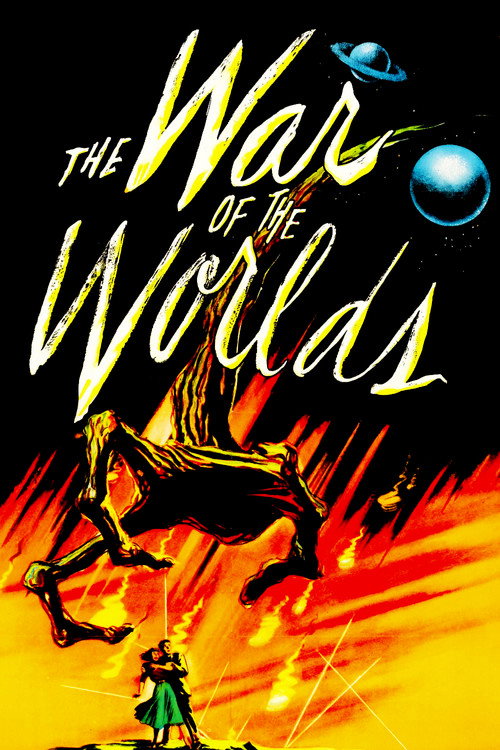
The War of the Worlds1953
Civilization under threat from the unknown, humanity forced to adapt or die. The production design is stunning, the panic feels real, and it shares World Without End's interest in what happens when the world changes overnight.
But It's sprawling and sometimes loses focus. At 85 minutes it should move faster, but it stops to admire its own effects. The militarism can feel dated and uncomfortable.
On the Beach1959
Both worlds are the aftermath of atomic war, but World Without End chose to find meaning in the ruins, while On the Beach asks whether meaning survives at all. They're mirror images: one looks forward, one looks down.
After nuclear war has rendered Earth uninhabitable, the last survivors wait in Australia for the radiation to reach them. It's the inverse of World Without End—no hope, no new world to discover, just the slow end of everything. Doomed elegance and real moral weight. Gregory Peck, Ava Gardner, and a score that will haunt you.
But It's relentlessly bleak. There is no adventure, no discovery, no escape. If you want hope, you won't find it. It's also very long and the pacing is deliberate to the point of numbness.

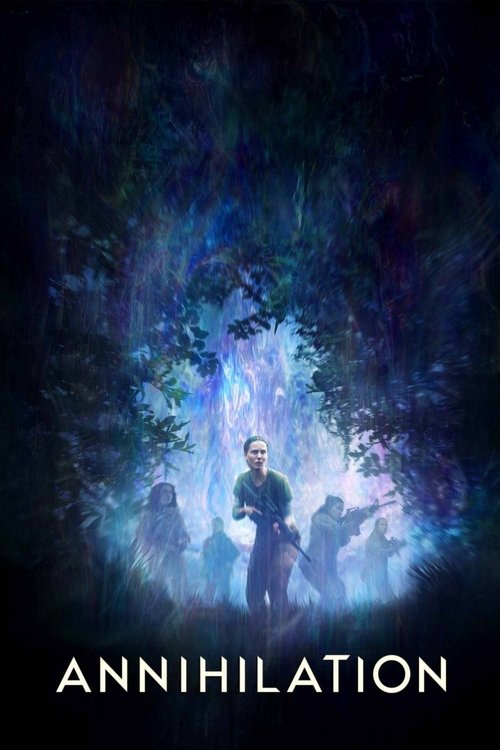
Annihilation2018
Both send a crew into a transformed world to gather information, but Annihilation suggests that understanding might not be possible or even safe. It's what World Without End would look like if it trusted the audience's discomfort more than its hope.
A shimmer descends on a coastal zone and everything inside warps into something other. A team goes in not knowing what they'll find, and the landscape itself is the antagonist. It has the same exploratory energy as World Without End—a world remade, a crew trying to make sense of it—but it's psychologically invasive and genuinely disturbing. Alex Garland made a modern film about incomprehensible change.
But The logic is deliberately obscure and some find it nonsensical. It's also unrelentingly tense and the horror comes from biology in ways that can be viscerally uncomfortable. No catharsis, no clear answers.
People
Cast
 Hugh MarloweJohn Borden
 Nancy GatesGarnet
 Rod TaylorHerbert Ellis
 Lisa MontellDeena
 Nelson LeighDr Eldon Galbraithe
 Christopher DarkHenry Jaffe
 Everett GlassTimmek
 Booth ColmanMories
 Shirley PattersonElaine
- Stanley FraserElda
- William VedderJames (uncredited)
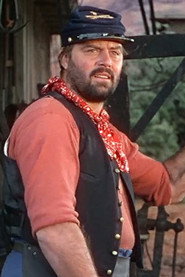 Mickey SimpsonNaga (uncredited)