
Film
First Men in the Moon
A 1964 British space adventure that rewrites the moon-landing myth with Edwardian charm. When modern astronauts discover an ancient Union Jack already planted there, the film flashes back to reveal how a Victorian inventor and his companion got there first. It's whimsical, earnest, and completely committed to its preposterous premise—part fantasy, part genuine scientific wonder.
Should you watch it?
Watch it if you love old-fashioned adventure told with a straight face, where Victorian pluck and handmade monsters matter more than sleek modern spectacle.
Skip it if you need fast pacing or sleek modern effects, since the early going is slow and the stop-motion can look creaky next to digital polish.
What it asks of you: Close to two hours of patience, an unhurried start, and a light, good-humoured tone that treats its wild premise with a grin.
Not sure? Find tonight's pick in a minute.
If you liked this
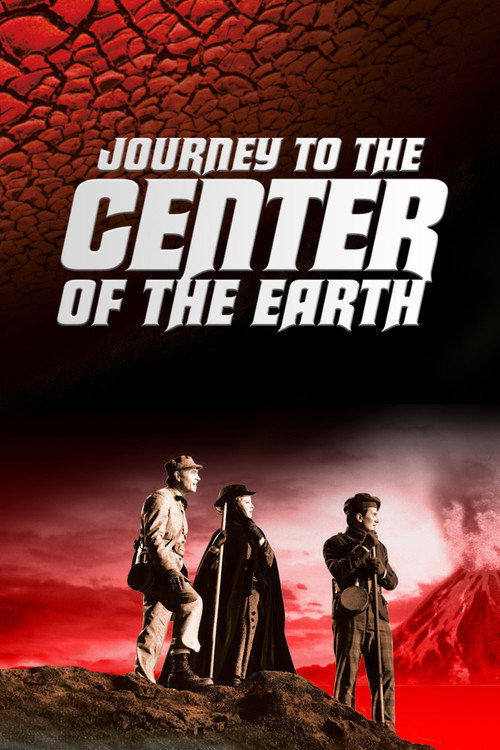
Journey to the Center of the Earth1959
An earlier Twentieth Century Fox adventure with similar imaginative scale and practical effects mastery. Henry Levin directs with the same gee-whiz earnestness, and it captures that era's faith in what spectacle and ingenuity could achieve on a modest budget.
But The pacing drags in stretches, and the romance subplot feels obligatory. Some of the creature effects haven't aged as gracefully as you might hope.
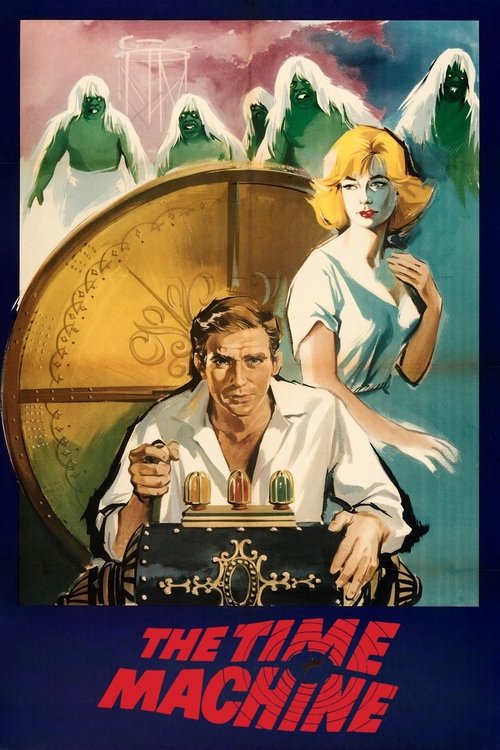
The Time Machine1960
George Pal's visual effects masterpiece about an impossible journey, with that same blend of scientific pulp and genuine wonder. The H.G. Wells adaptation shares First Men's DNA: British source material, time-spanning narrative, and belief in the power of imagination.
But It's more serious and melancholy than First Men's playfulness. If you want constant whimsy rather than existential dread, you might find it a tonal shift.
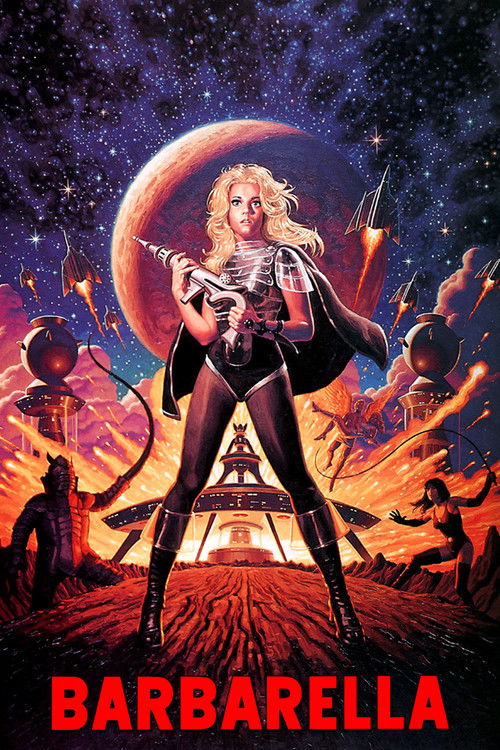
Barbarella1968
Campy, colorful, gorgeously designed space opera that wears its absurdity with complete confidence. Like First Men, it treats outlandish premises with straight-faced sincerity and celebrates the fun of low-gravity romance and retro-futurism.
But It's considerably sexier and far less family-friendly. The tone is arch and theatrical—if you prefer understatement, this will feel overdone.
Not sure tonight? Get a pick in a minute, starting from First Men in the Moon
The wildcard
Something you would not have found on your own.
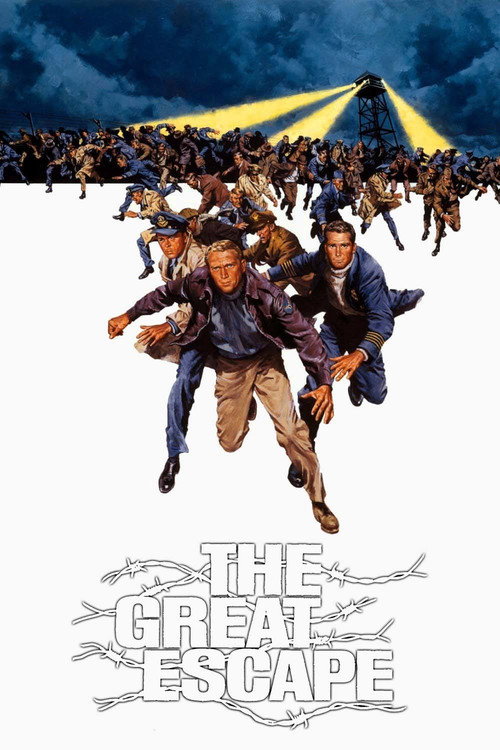
The Great Escape1963
Both center on improbable British protagonists using wit and invention to accomplish the 'impossible,' treating elaborate plans with deadpan sincerity.
A year before First Men, John Sturges made a nearly four-hour epic about ingenuity, British eccentricity, and impossible escapes through meticulous planning. It shares that same earnest respect for clever men solving impossible problems through patience and character.
But It's a war film, entirely earthbound, and dramatically serious. The tone is Hemingway, not whimsy—if you want levity with your adventure, this is lean and tense instead.
More like this (7)
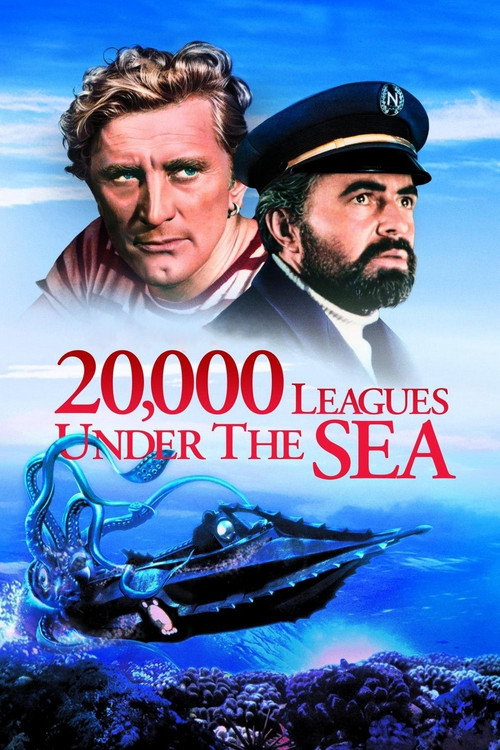
20,000 Leagues Under the Sea1954
Disney's Jules Verne adaptation has the same adventure-serial DNA: obsessive inventor, impossible vessel, moral complications beneath the derring-do. It's proof that practical effects and committed performances can still thrill decades later.
But The submarine effects work is impressive but slow. It's a long film that occasionally feels padded, and Captain Nemo's motivations get repetitive.
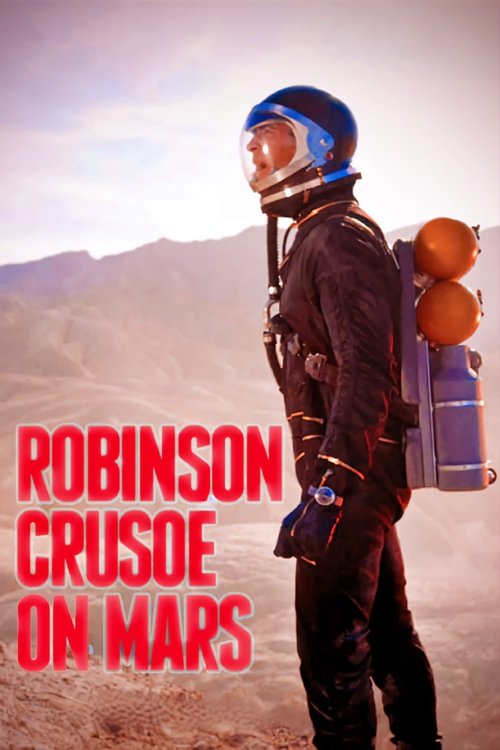
Robinson Crusoe on Mars1964
Released the same year and working similar ground: stranded colonist, resourcefulness, and the alien landscape treated as genuinely alien. The isolation and problem-solving give it a grimmer edge than First Men while maintaining sixties optimism.
But It's considerably more serious and less fun. If you want whimsy and Victoriana, this survival narrative might feel too desperate and grim.
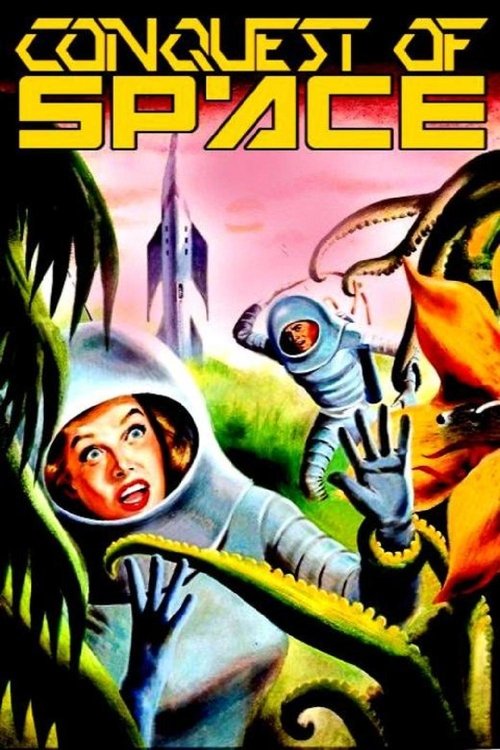
Conquest of Space1955
George Pal again, this time reaching for Mars with Technicolor grandeur and rotating space stations that still look futuristic. It shares First Men's earnest belief that space exploration is inherently wondrous, not just dangerous.
But Religious themes become increasingly heavy-handed, and the plot mechanics feel creaky. Some sequences drag despite the visual spectacle.
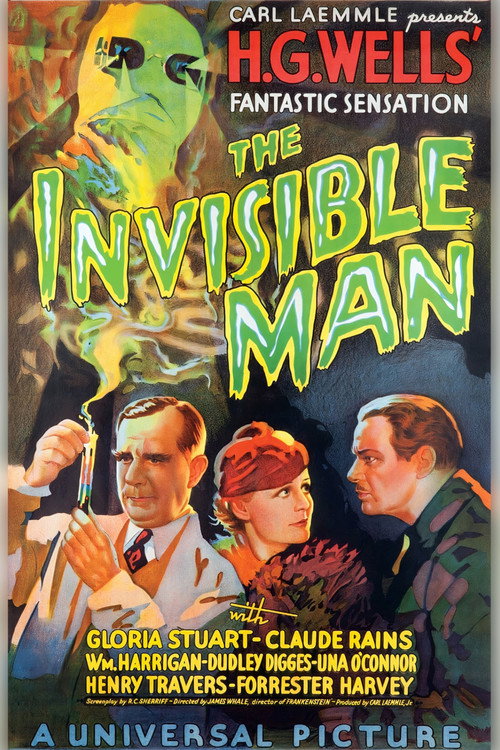
The Invisible Man1933
Universal's masterpiece shows how to make impossible science credible through committed acting and sharp writing. The inventive visual effects and dark comedy influenced how First Men balances spectacle with character.
But It's considerably darker and more misanthropic. The horror elements and social commentary might overwhelm if you want pure adventure escapism.
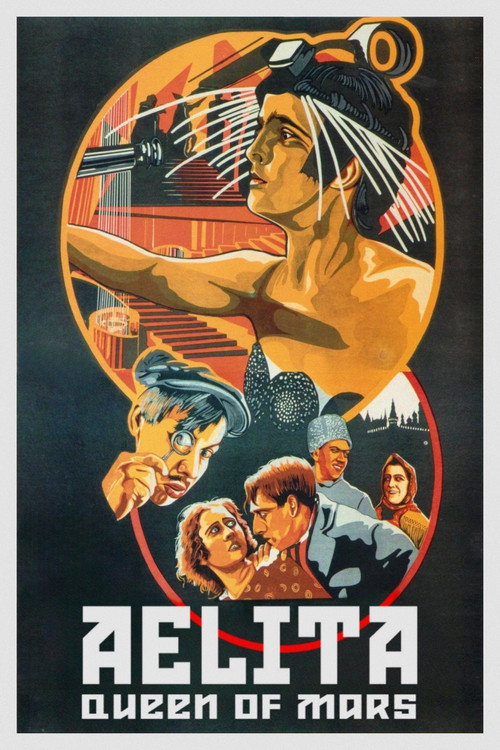
Aelita: Queen of Mars1924
A Soviet silent film that imagined Mars colonization when rocketry was still fantasy. Its art-deco design and earnest utopianism predate First Men's aesthetic and share that same sense of space as humanity's romantic destiny.
But It's silent and slow-paced with long philosophical dialogue cards. The politics are foregrounded and sometimes feel preachy by modern standards.
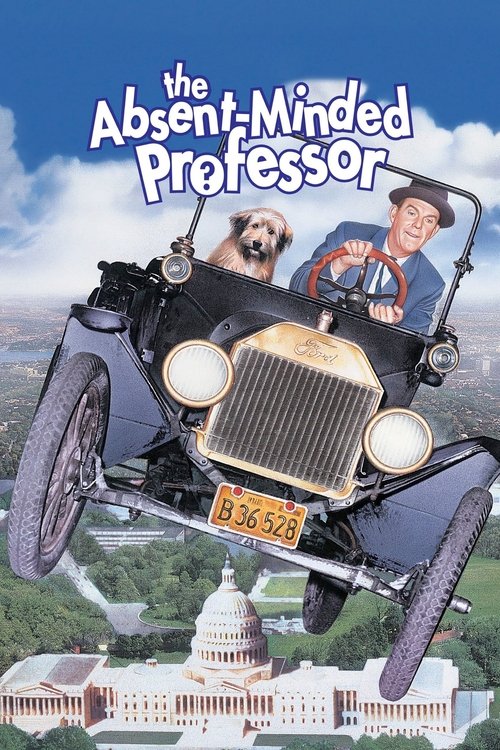
The Absent-Minded Professor1961
Disney comedy about a brilliant inventor and his gravity-defying discovery. It captures the same tone of British eccentricity applied to science, and Fred MacMurray's befuddled energy mirrors Lionel Jeffries' charming chaos.
But It's lighter and more domestic-scale than First Men's cosmic ambition. The humor is gentler and broader—less sophisticated space-age adventure, more small-town slapstick.
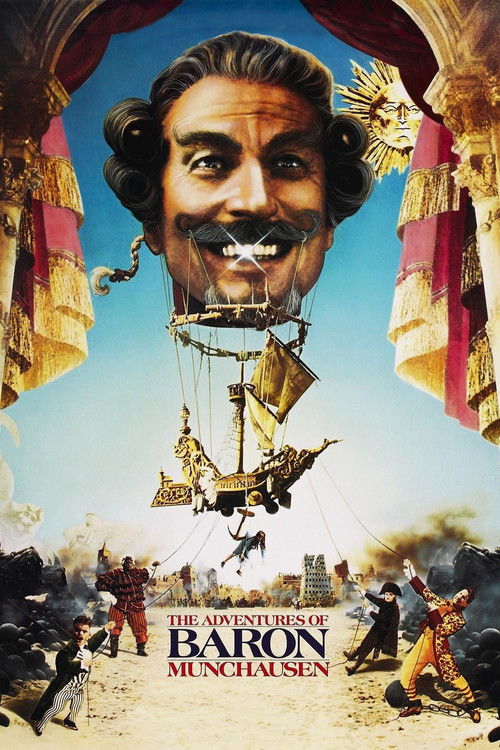
The Adventures of Baron Munchausen1988
Both films are about an eccentric old man's claim that he reached the moon, treated as gospel truth by their narratives despite being manifestly ridiculous to everyone else.
Terry Gilliam's baroque fever dream about an old man insisting he really did the impossible, complete with a journey to the moon. It's what happens when a filmmaker truly commits to absurdity—it becomes hallucinatory and moving, not just campy.
But It's visually chaotic and narratively fragmented. The whimsy can tip into self-indulgence; some find it exhausting rather than enchanting.
People
Cast
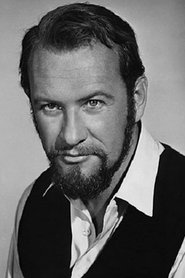 Edward JuddArnold Bedford
 Martha HyerKate Callender
 Lionel JeffriesJoseph Cavor
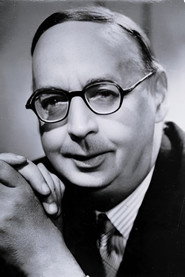 Miles MallesonDymchurch Registrar
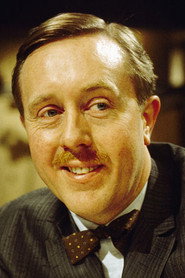 Norman BirdStuart
 Gladys HensonNursing Home Matron
 Hugh McDermottRichard Challis
 Betty McDowallMargaret Hoy
 Erik ChittyGibbs (uncredited)
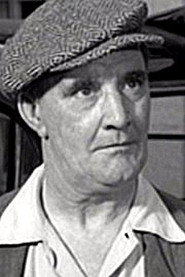 Douglas IvesSparks (uncredited)
 Peter FinchBailiff's Man (uncredited)
 Marne MaitlandDr. Tok, UN Space Agency (uncredited)
Directing
- George PollardAssistant Director
- Eileen HeadContinuity
- Nathan JuranDirector
Writing
- H. G. WellsOriginal Story
- Jan ReadScreenplay
- Nigel KnealeScreenplay
Production
- Charles H. SchneerProducer
- Ted WallisProduction Manager