
Film
The Invisible Man
Other titles called The Invisible Man: the 1975 series (NBC), the 2020 film.
James Whale's 1933 masterpiece transforms invisibility into a portrait of corruption by power. Claude Rains delivers a thrilling vocal performance as a scientist undone by his own creation. It's taut, clever, and genuinely frightening—a film about how absolute freedom from consequence breeds absolute cruelty. Essential viewing for anyone who thinks old horror is quaint.
Should you watch it?
Watch it if you enjoy old-fashioned Universal-era horror where the monster is a brilliant, unhinged man and the fun lies in clever, practical trickery and sly wit.
Skip it if you need modern pacing or effects; the 1930s stagecraft looks creaky, and the early story is talky and slow before the mayhem begins.
What it asks of you: Barely over an hour, so it moves briskly and costs little time; the dialogue is theatrical and deliberate, so settle into stagey talk and playful menace rather than gore.
Not sure? Find tonight's pick in a minute.
If you liked this
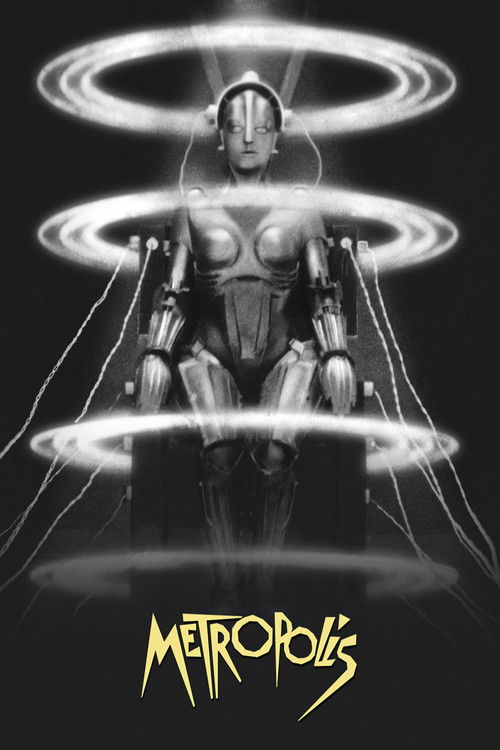
Metropolis1927
Fritz Lang's sci-fi epic shares the same era's ambition and technical wizardry, wrestling with how science reshapes society. The visual spectacle alone justifies the runtime, and the themes about unchecked power still bite.
But It's nearly three hours, frequently restored, and the pacing belongs to another century. Some plot threads sprawl; patience is non-negotiable.
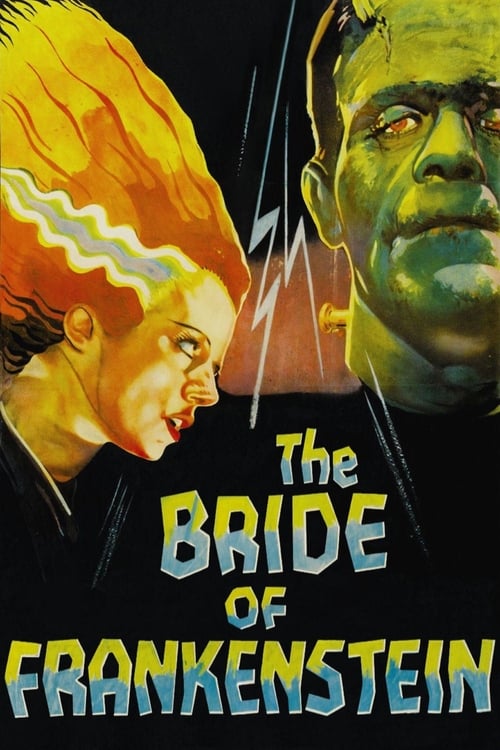
Bride of Frankenstein1935
James Whale directing another Universal monster masterpiece, with the same dark wit and formal grace. It doubles down on the horror while somehow getting stranger and more human. Essential companion piece.
But The tonal shifts between camp and tragedy won't land for everyone. Some find Whale's approach too theatrical for the material.
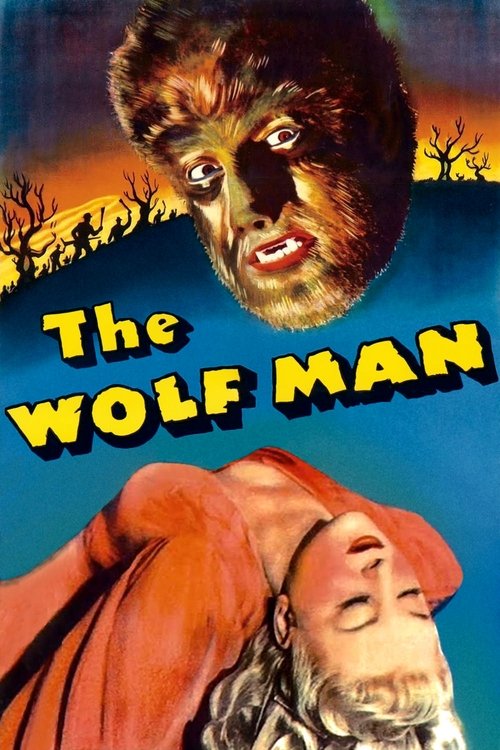
The Wolf Man1941
Lon Chaney Jr. transforms into something sympathetic and tragic—a man destroyed by circumstance rather than ambition. It captures the same moral complexity as Griffin, minus the nihilism. Beautifully made and genuinely moving.
But It's slower-burn than The Invisible Man, and the creature effects look dated. The melodrama can feel heavy-handed to modern viewers.
Not sure tonight? Get a pick in a minute, starting from The Invisible Man
The wildcard
Something you would not have found on your own.
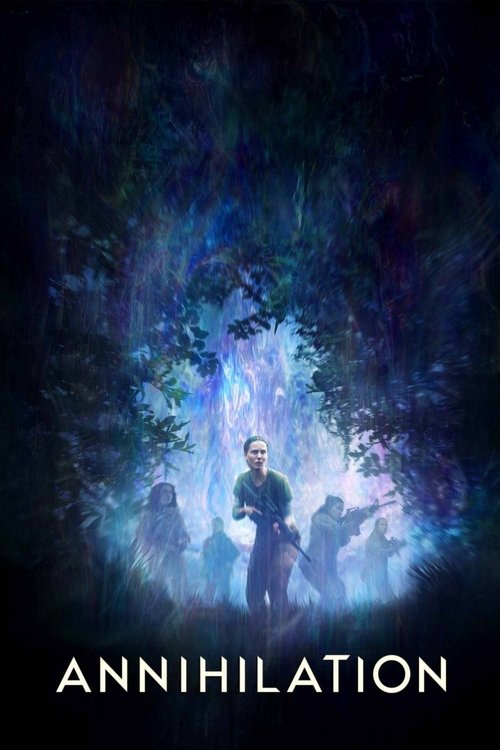
Annihilation2018
Both explore how an alteration to yourself—invisibility versus cellular mutation—severs you from the human world. They're about the loneliness of being changed.
A woman descends into a shimmer—reality gone porous and wrong. Like The Invisible Man, it's about a transformation that isolates you from everyone you love. Visually stunning and profoundly disorienting. A modern riff on that exact isolation.
But It's deliberately oblique and offers few concrete answers. If you want a film that explains itself, this will frustrate you deeply.
More like this (8)
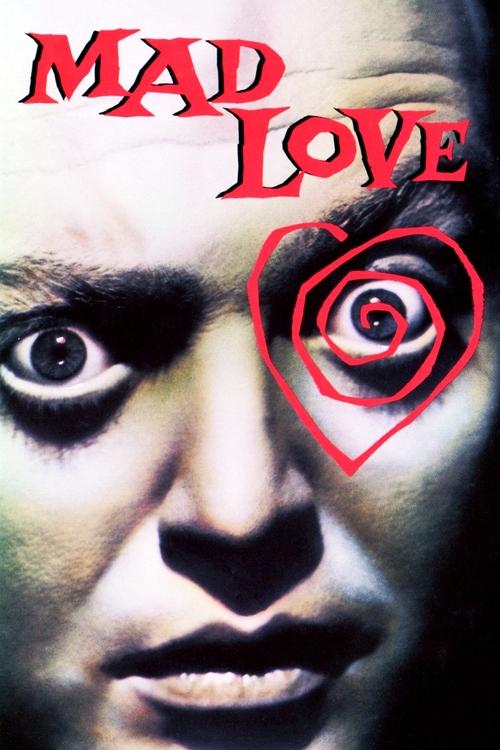
Mad Love1935
Peter Lorre as an obsessive surgeon who becomes monstrously disfigured. The psychological portrait of corruption through isolation echoes Griffin's descent, but via a different door. Deeply unsettling and visually inventive.
But Lorre's performance is so theatrical it borders on camp. The plot hinges on contrivances that strain credibility.
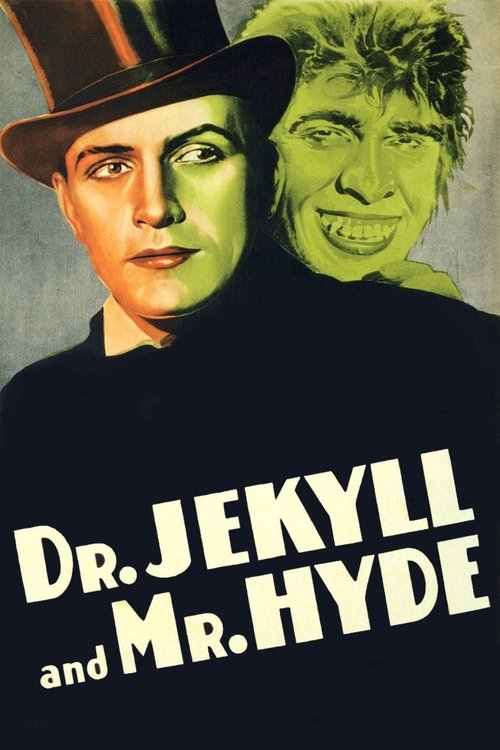
Dr. Jekyll and Mr. Hyde1931
Fredric March delivers an Oscar-winning turn as a man chemically unshackled from his own conscience. It's the same story—power without restraint corrupts—but more overtly Freudian. The transformation scenes are genuinely grotesque.
But The sexual anxiety underlying the plot feels dated and occasionally uncomfortable. Some find it preachier than The Invisible Man.
The Phantom Carriage1921
Victor Sjöström's Swedish ghost story predates Universal horror by years but shares its visual sophistication and moral reckoning. A man haunted by his cruelty; spectral and deeply moving. A major influence on Universal's style.
But Silent film, no dialogue to guide you. The pacing is glacial by modern standards, and the print quality varies. Requires real attention.

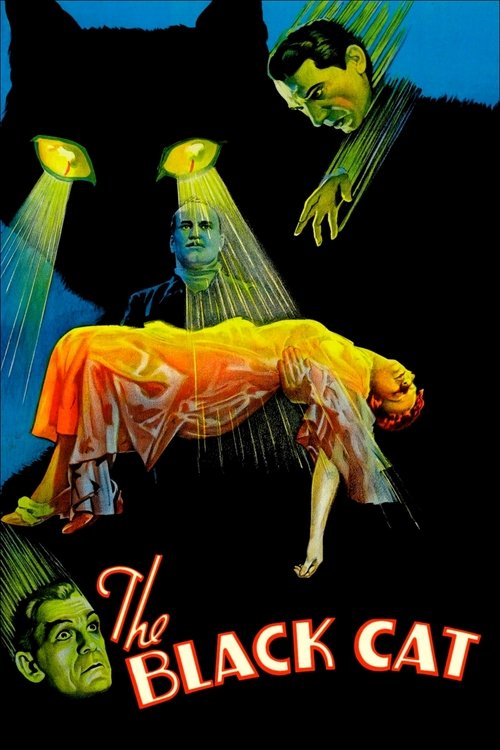
The Black Cat1934
Bela Lugosi and Boris Karloff in a fever dream of a film—modernist architecture, occultism, psychological warfare. It's genuinely disorienting in the best way. Edgar G. Ulmer's direction is audacious and unhinged.
But The plot is nonsensical and the film seems to revel in its own incoherence. If you want narrative clarity, look elsewhere.
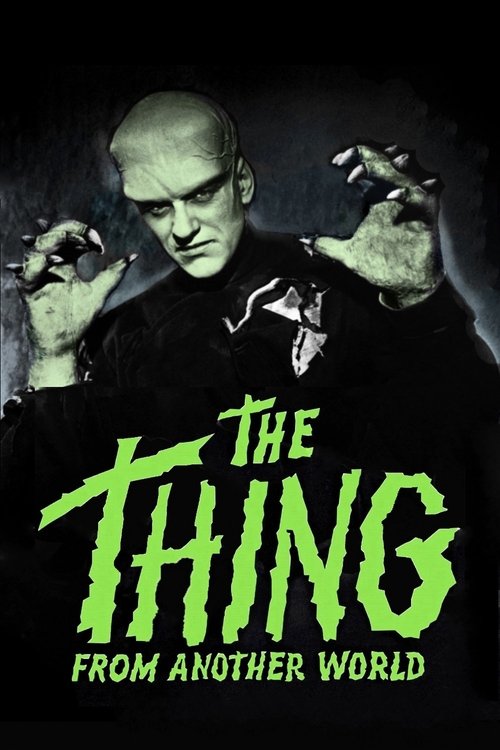
The Thing from Another World1951
Invisible threat, claustrophobic setting, men unraveling under pressure. The paranoia and group dynamics mirror Griffin's ability to destabilize everything around him. Lean, tense, and brilliantly economical.
But The science is pure nonsense and occasionally the acting feels stiff. It's very much a Cold War artifact—some of the ideology shows its age.
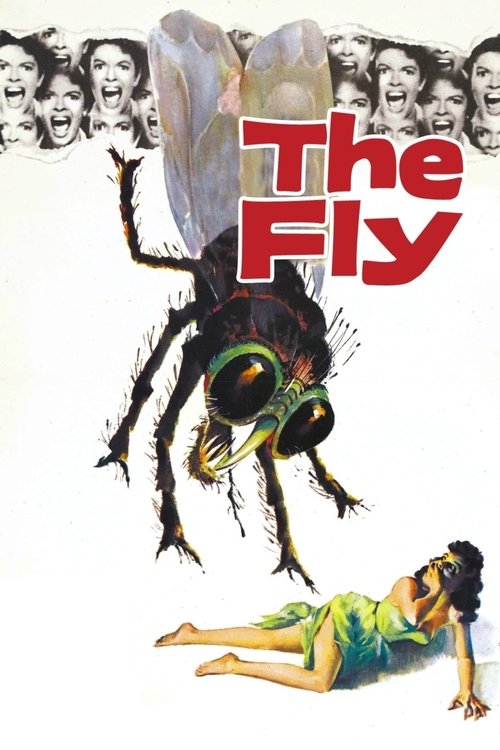
The Fly1958
David Hedison's body horror transformation carries echoes of Griffin's loss of humanity through science. It's grislier and more visceral than The Invisible Man, but shares the theme of scientific hubris with irreversible consequences.
But The special effects, while groundbreaking, look dated. The final act veers into territory some find unintentionally funny rather than tragic.
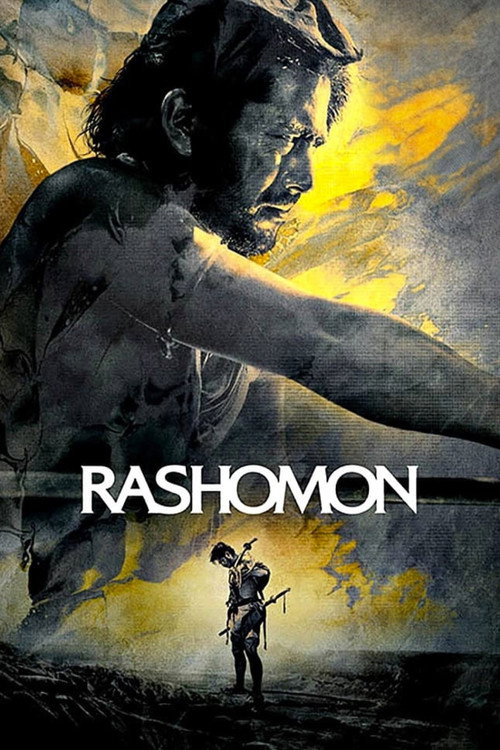
Rashomon1950
Both films leverage their central device—invisibility, narrative unreliability—to ask who deserves our sympathy and what we trust. Both are about power distorting reality.
Kurosawa's masterpiece shatters narrative reliability. Like The Invisible Man, it's fundamentally about who we believe and why. A crime told four ways; each version shifts the moral ground. It's about the impossibility of objective truth.
But The repeated structure can feel tedious on first viewing. It's more philosophical puzzle than plot, which alienates viewers seeking conventional drama.
Contempt1963
Both use their central premise—The Invisible Man, emotional distance in Contempt—to examine how people become strangers to each other. Both are about violation and loss of connection.
Godard's doomed marriage plays out against a Homeric adaptation crumbling behind it. An invisible wall grows between two people who loved each other. It's about how proximity breeds alienation. Ravishing, mournful, and structurally radical.
But The pacing is glacial; long takes on faces and landscapes. The philosophy overwhelms plot. If you watch it wrong, it feels like nothing happens.

People
Cast
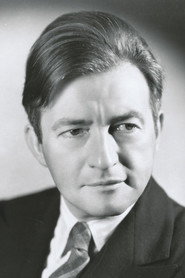 Claude RainsDr. Jack Griffin
 Gloria StuartFlora Cranley
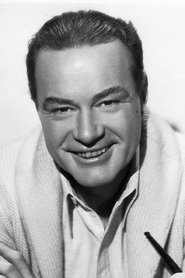 William HarriganDr. Arthur Kemp
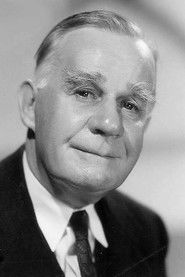 Henry TraversDr. Cranley
 Una O'ConnorJenny Hall
- Forrester HarveyHerbert Hall
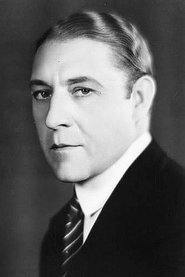 Holmes HerbertChief of Police
 E. E. CliveConstable Jaffers
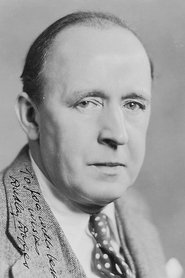 Dudley DiggesChief Detective
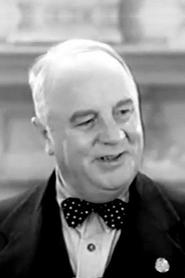 Harry StubbsInspector Bird
 Donald StuartInspector Lane
 Merle TottenhamMillie
Directing
- Joseph A. McDonoughAssistant Director
- James WhaleDirector
Writing
- H. G. WellsNovel
- R.C. SherriffScreenplay
Production
- Carl Laemmle Jr.Producer
Recommended by
It! The Terror from Beyond Space, Cat People, Dr. Jekyll and Mr. Hyde, The Hound of the Baskervilles, The Golden Compass, Ultra Q, The Wolf Man, White Zombie, Dr. Cyclops, The Fall of the House of Usher, The Devil-Doll, Sleepy Hollow, House of Wax, Two Evil Eyes, Unacknowledged, The Entity, Children of the Damned, The Bird with the Crystal Plumage, The Curse of Frankenstein, Sisters, The Tingler, Strait-Jacket, Demon Seed, The Cat and the Canary, Time After Time, Dr. Jekyll and Mr. Hyde, The Fly, Cronos, The Picture of Dorian Gray, The Brain That Wouldn't Die, X: The Unknown, The Ghost Breakers, The House That Dripped Blood, X: The Man with the X-Ray Eyes, House of Dracula, Phantom of the Opera, Beneath the Planet of the Apes, Maniac, Fiend Without a Face, The Quatermass Experiment, Mad Love, The Black Cat, Murders in the Rue Morgue, Island of Lost Souls, The Beguiled, Nightbreed, Werewolf of London, The Beast Must Die, The Phantom of the Opera, Brainstorm, Obsession, The Mask of Fu Manchu, The Quatermass Xperiment, The Black Castle, The Raven, The Black Room, Black Moon, Svengali, Phantom from Space, Storm Over Asia, The Power, Nightfall, Bride of the Monster, Curse of the Fly, The Vampire's Ghost, Seance on a Wet Afternoon, The Hands of Orlac, The War of the Gargantuas, Flash Gordon's Trip to Mars, Donovan's Brain, The Mummy, Now You See Him, Now You Don't, The Philadelphia Experiment, The Corpse Vanishes, The Mummy's Hand, The Creature Walks Among Us, The Dunwich Horror, Dreamland: The Burning of Black Wall Street, The Covenant, The Phantom Empire, Mystery of the Wax Museum, Madhouse, Sorceress, Homicidal, The H-Man, The Island of Dr. Moreau, The Revenge of Frankenstein, The Two Faces of Dr. Jekyll, Murders in the Rue Morgue, Quatermass 2, The Mad Ghoul, The Mummy's Ghost, The Blood Beast Terror, Godzilla vs. Mechagodzilla II, Blood of the Vampire, Son of Frankenstein, Isle of the Dead, Kind Lady, The Black Sleep, Talk to Me, The Possession of Joel Delaney, The Mad Monster, The Ghoul, Creature with the Atom Brain, First Men in the Moon, The Mummy's Curse, The Undead, The Asphyx, The Trollenberg Terror, Mr. India, The Mummy's Tomb, The Fox Hollow Murders: Playground of a Serial Killer, The Unearthly, The Ape, Warning Sign, The Creeping Flesh, The Mysterious Dr. Fu Manchu, Coming Soon, The Mad Doctor of Market Street, Voodoo Man, The Return of the Vampire, The Alligator People, The Invisible Ray, Last Woman on Earth, The Phantom Creeps, King of the Zombies, The Spider, The Haunted House of Horror, The Bloodstained Butterfly, The Killer Is One of Thirteen, The Invisible Man Appears, The Vampire Bat, Doctor Who: The Underwater Menace, The Torture Chamber of Dr. Sadism, See No Evil, The Ghost of Frankenstein, Mark of the Vampire, The Jungle Captive, Vidocq, IT: Welcome to Derry, Daredevils of the Red Circle, The Rogues' Tavern, The Last Lear, Lost Boundaries, Tombs of the Blind Dead, The Ticket of Leave Man, The Raven, Frankenstein Conquers the World, The Brain