
Film
The Mad Ghoul
A 1943 mad-scientist picture where a chemistry professor weaponizes ancient Mayan gas to turn a student into his controllable killer. Sixty-five minutes of cheerful Gothic camp: creaky sets, over-the-top villainy, and the kind of logic that makes sense only in dreams. For anyone who loves the texture of wartime horror—low budgets, high stakes, and actors committed to the absurd.
Should you watch it?
Watch it if you love lean 1940s horror where a mad-science premise is played straight, with gothic shadows and creeping dread rather than gore.
Skip it if the creaky studio staging and slow, talky middle stretch may feel stagey to anyone raised on modern effects, and its B-picture pacing rarely surprises.
What it asks of you: Barely an hour, so it moves quickly and without fuss; you settle into its shadowy, theatrical world and accept its pulpy logic rather than analysing it.
Not sure? Find tonight's pick in a minute.
If you liked this
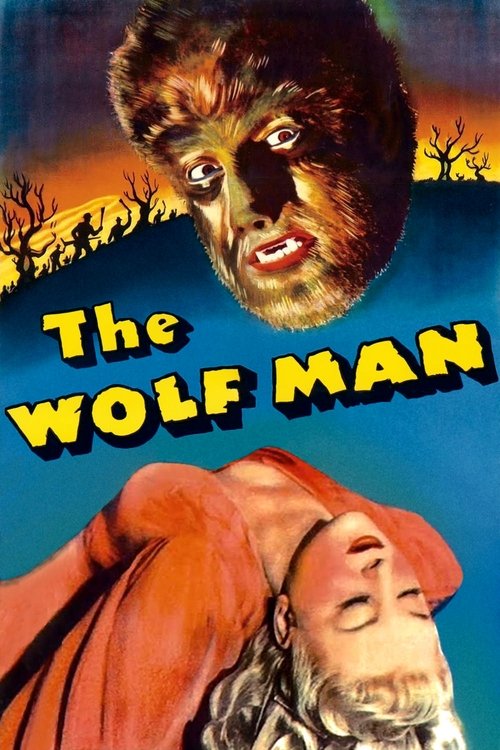
The Wolf Man1941
Lon Chaney Jr. as a man losing his humanity to a curse he didn't choose. The template for sympathetic monsters, with genuine dread wrapped in Universal's glossy production. A real tragedy dressed as a creature feature.
But The pacing is deliberate—sometimes glacial. If you need constant action, you'll feel the 103 minutes.
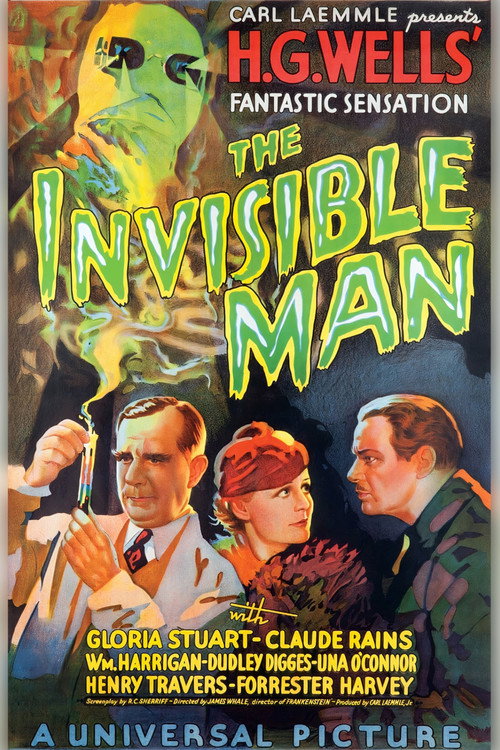
The Invisible Man1933
James Whale's masterpiece about a scientist undone by his own discovery. Claude Rains' voice acting is terrifying, and the invisibility effects still astonish. Lean, clever, and genuinely unsettling.
But The science is nonsense even by 1933 standards, and some may find the social commentary heavy-handed.
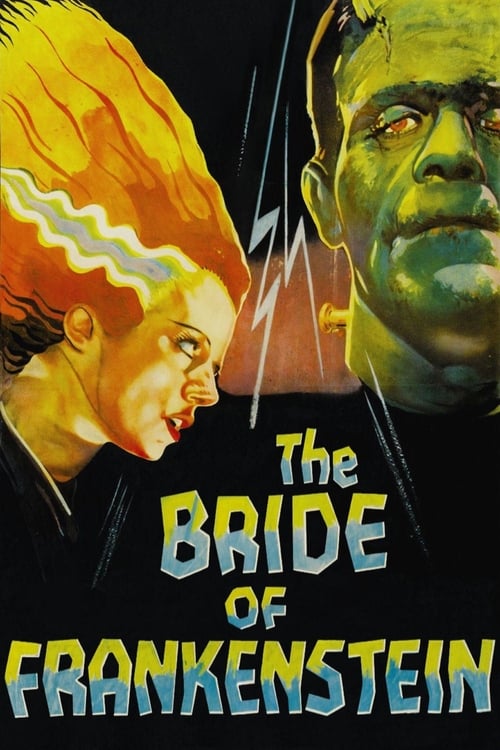
Bride of Frankenstein1935
James Whale at peak form. Monstrous, romantic, funny, and oddly touching. Elsa Lanchester's creation scene is pure cinema. It knows exactly what it is and loves itself for it.
But The tonal shifts—from horror to comedy to pathos—won't work if you want consistency. Some modern viewers find the camp dated.
Not sure tonight? Get a pick in a minute, starting from The Mad Ghoul
The wildcard
Something you would not have found on your own.
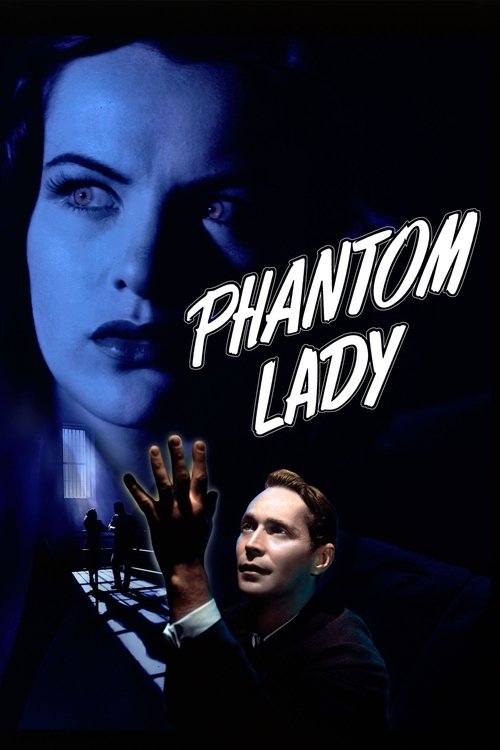
Phantom Lady1944
Both are 1940s Universal productions about science and madness used as tools of control. Both feature a sympathetic protagonist trapped by someone else's obsession. The mad ghoul is the noir thriller's inverse: the thriller shows us the villain's victim gaining agency, while the ghoul shows us the moment agency is stolen. Thematically twins.
A man wrongly convicted of murder, his sister fighting to prove him innocent, and a nightclub singer with secrets. Robert Siodmak's direction is hypnotic—less monster movie than nightmare wrapped in glamour. The mirror scene alone justifies watching.
But It's a noir thriller, not horror. If you came for the ghoul, you'll get suspense and betrayal instead. Also, it moves fast—no time to settle in.
More like this (8)
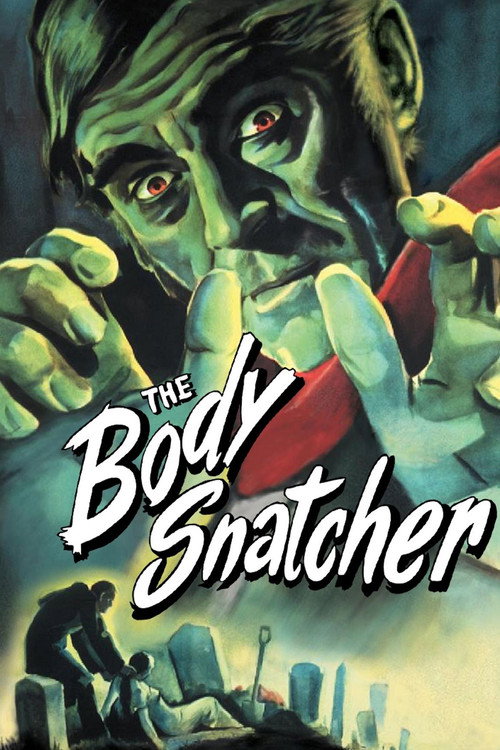
The Body Snatcher1945
Bela Lugosi and Henry Daniell as grave robbers in Victorian Edinburgh. Taut and genuinely creepy, based on Robert Louis Stevenson. The moral corruption at its core lingers after the credits.
But It's understated where you might expect melodrama. The horror is psychological rather than visceral.
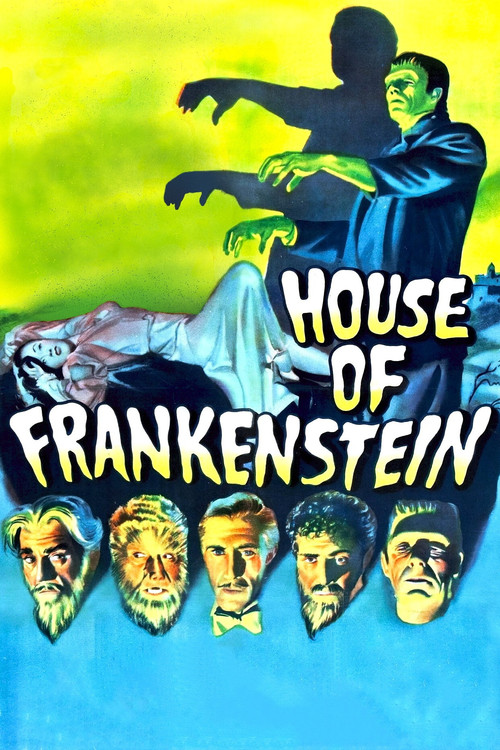
House of Frankenstein1944
Multiple monsters, multiple plots, multiple chances for something wild to happen. Boris Karloff, Lon Chaney Jr., Bela Lugosi, all in one film. It's overstuffed but never boring.
But Overstuffed is the operative word. Nothing gets room to breathe, and the ending feels rushed.
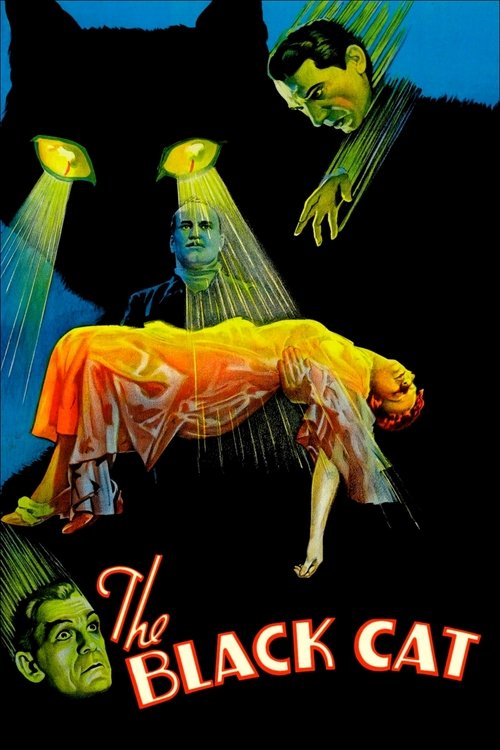
The Black Cat1934
Karloff and Lugosi in a fever dream of Art Deco Gothic. Surreal architecture, perverse eroticism, a plot that barely holds together. Pure atmosphere over sense.
But The story is genuinely incoherent. If you need narrative logic, this will frustrate you.
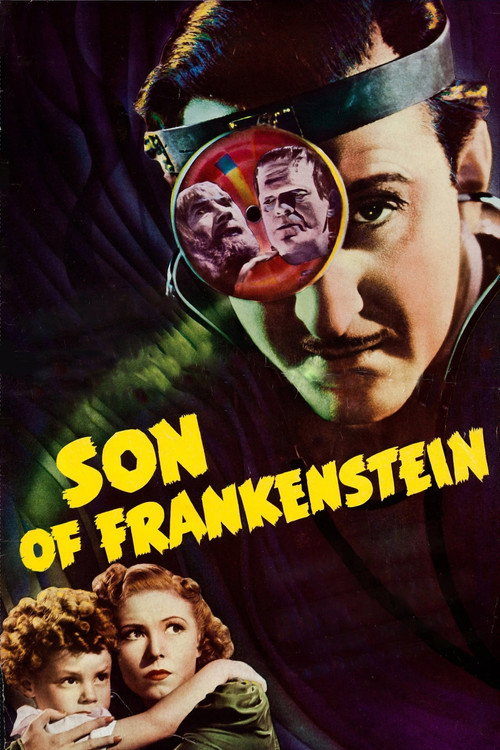
Son of Frankenstein1939
Basil Rathbone inherits his father's sins. Gorgeous black-and-white cinematography and Karloff returning as the creature. A bridge between the early films and the creature-feature boom.
But The middle sags. Rathbone carries less charisma than his predecessors, and some scenes feel padded.
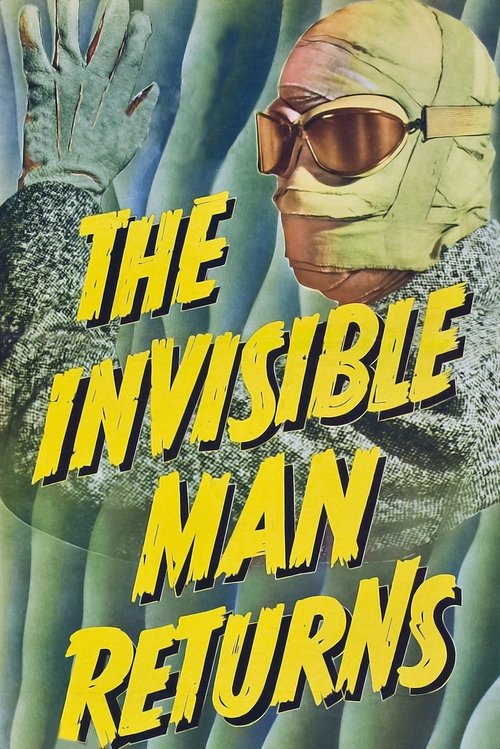
The Invisible Man Returns1940
Vincent Price taking over the invisible role with more nuance than you'd expect. The effects are still dazzling, and the moral question deepens: what does invisibility let you become?
But It relies heavily on the original without quite matching it. The novelty is half the charm of the first film.
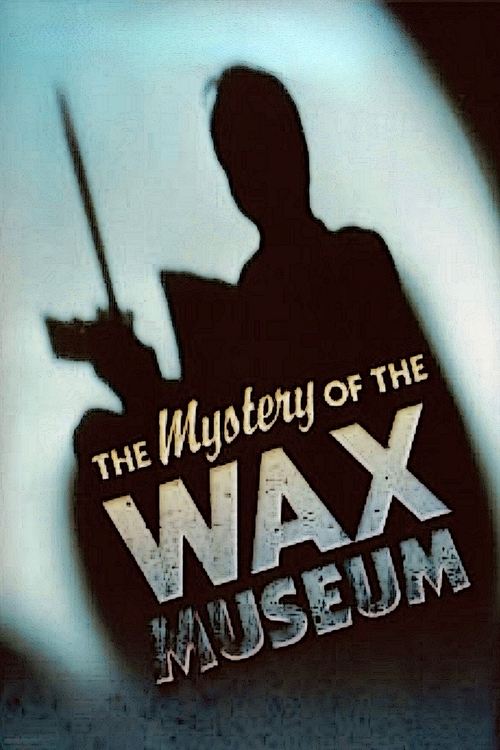
Mystery of the Wax Museum1933
Lionel Atwill as a deranged sculptor hiding corpses in wax. Early Technicolor makes it lurid and beautiful. Dark and weird in ways most 1930s horror wasn't quite prepared for.
But The comic relief is tiresome, and the plot turns on a convenient romantic subplot that derails the momentum.
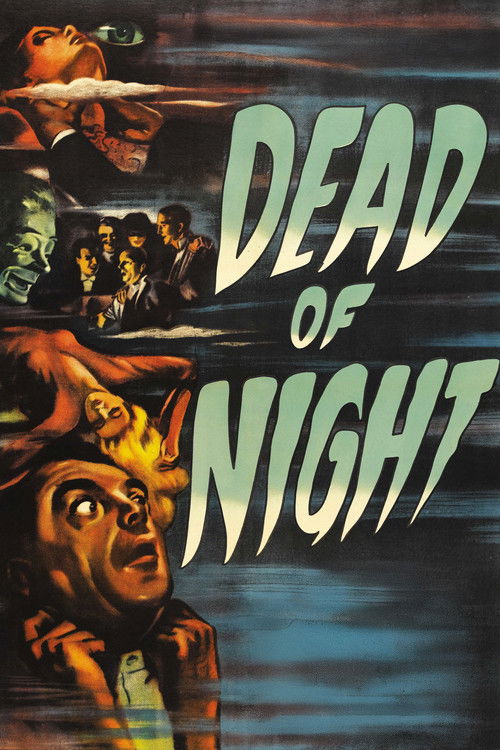
Dead of Night1945
Both use a frame story to trap their protagonist in a nightmare loop. Both suggest that knowledge itself—of the past, of the future, of what's being done to you—might be the real horror. The mad ghoul works through forced action; Dead of Night works through forced knowledge. Both are about the mind as a prison.
A British horror anthology where an architect arrives at a country house and realizes he's lived this exact nightmare before. Each story is a nasty little problem in logic and terror. The ventriloquist's dummy sequence is unforgettable.
But It's episodic, so if one story doesn't land for you, you're stuck with it for ten minutes. The framing device is deliberately disorienting—not everyone likes that in a film.
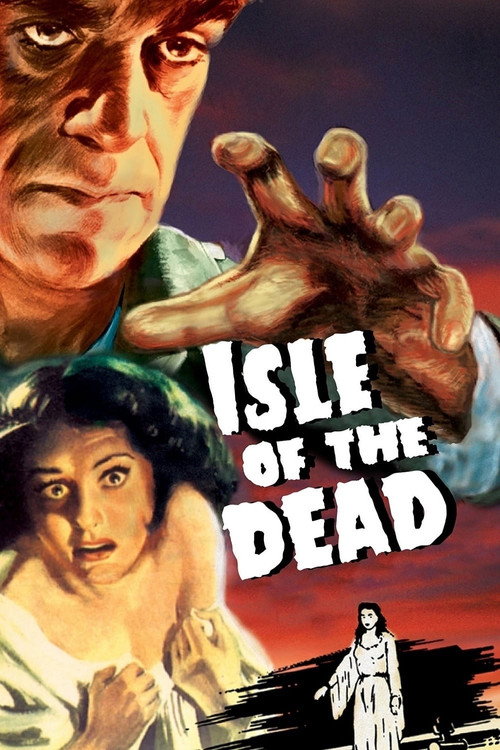
Isle of the Dead1945
Both are 1943–45 wartime horror films exploring how external forces—poison gas, plague, circumstance—transform an ordinary person into something monstrous. But where The Mad Ghoul is all plot and villainy, Isle of the Dead is all mood and inevitability. Watching it, you understand that the real mad ghoul was always us, waiting for the right conditions. One is about evil imposed; one is about evil revealed.
Boris Karloff as a general on a plague-stricken Aegean island during wartime. Atmospheric, claustrophobic, and genuinely tragic. It's less about monsters than about how fear makes us monstrous. Val Lewton's direction is painterly and quiet.
But Nothing explodes. No creature jumps out. If you need spectacle, you'll find it dull. The horror is existential—which means it's slow and it gets under your skin instead of onto the screen.
People
Cast
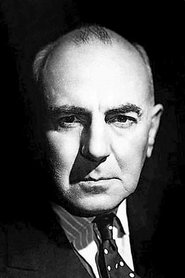 George ZuccoDr. Alfred Morris
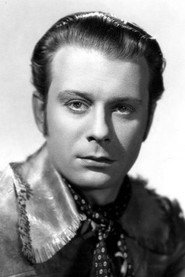 David BruceTed Allison
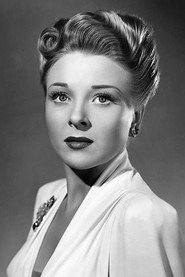 Evelyn AnkersIsabel Lewis
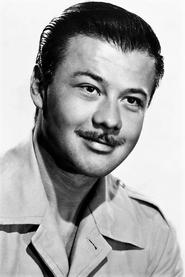 Turhan BeyEric Iverson
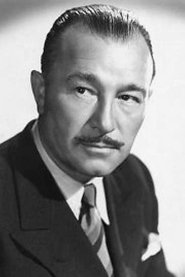 Robert Armstrong'Scoop' McClure
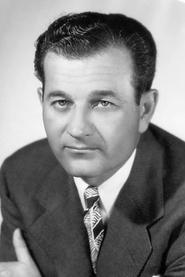 Milburn StoneSgt. Macklin
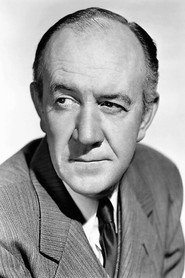 Addison RichardsEditor Gavigan
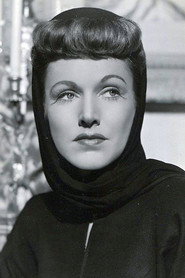 Rose HobartDella Elliott, reporter
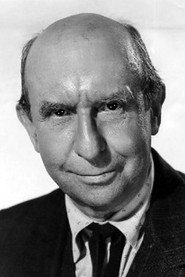 Andrew TombesMortician Eagan
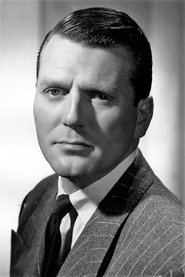 Charles McGrawDetective Garrity
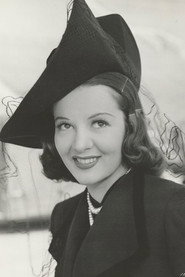 Lillian CornellIsabel's Singing Voice (voice) (uncredited)
- Gus Glassmire1st Cemetery Caretaker
Directing
- James P. HoganDirector
Writing
- Hans KralyOriginal Story
- Brenda WeisbergScreenplay
- Paul GangelinScreenplay
Production
- Ben PivarAssociate Producer