
Film
The Wolf Man
The Wolf Man is the Universal horror classic that gave the modern werewolf myth its entire shape: the pentagram, the full moon, the bite as curse, the sympathetic monster doomed by forces beyond his control. Lon Chaney Jr.'s lumbering sorrow anchors it more than any scare. Watch it for fog-drenched atmosphere and genuine pathos rather than thrills — brisk, moody, and endlessly copied since.
If you liked this
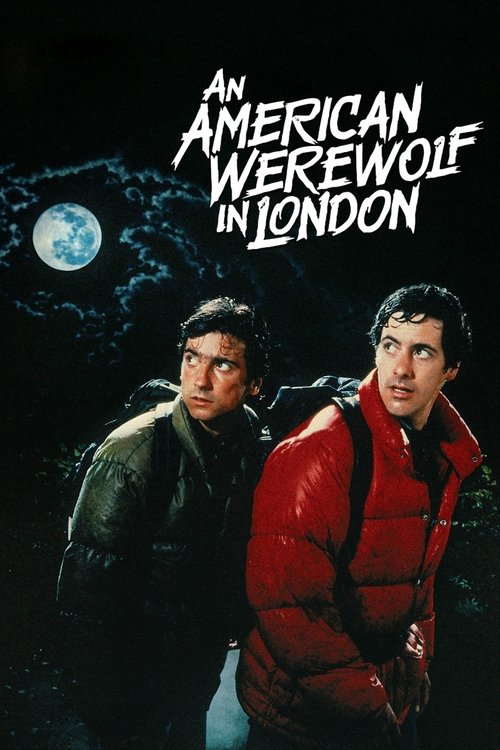
An American Werewolf in London1981
Takes the same doomed-man-bitten-by-a-beast premise and cranks it into gallows humor with transformation effects that still genuinely unsettle. Funny, gruesome, and heartbreaking in equal measure.
But The tonal whiplash between comedy and horror isn't for everyone, and some of the 80s London humor has aged oddly.
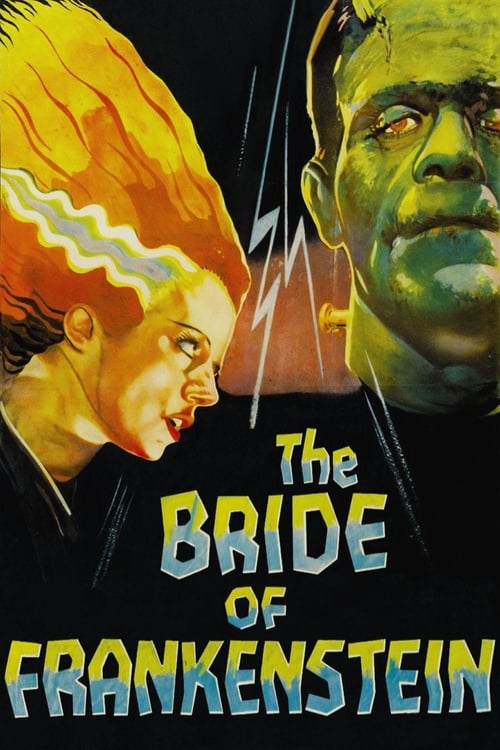
Bride of Frankenstein1935
The rare sequel that outdoes the original, full of gothic wit and genuine sympathy for a creature who never asked for existence. Same studio, same era, same tragic DNA as Talbot's curse.
But Its camp theatricality and stage-bound sets might feel quaint next to modern effects-driven horror.
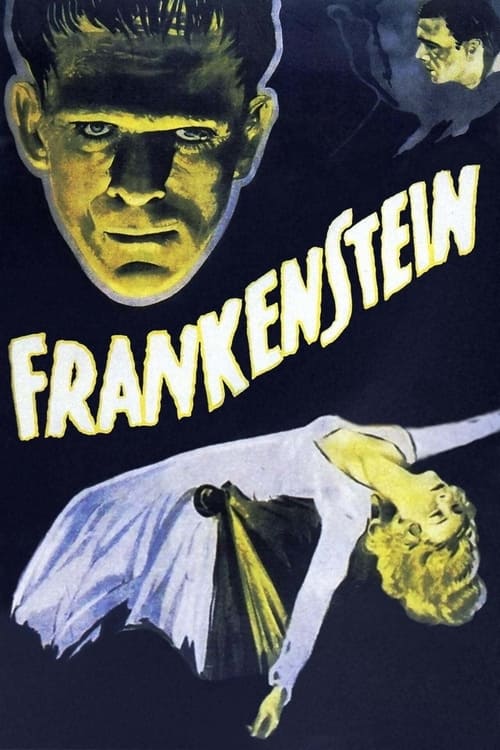
Frankenstein1931
The film that essentially invented the modern monster movie, built on the same sad-eyed sympathy for a creature who never chose what he became. Karloff's performance is still devastating.
But Slow by today's pacing standards, and decades of parody have dulled some of its original power.
The wildcard
Something you would not have found on your own.
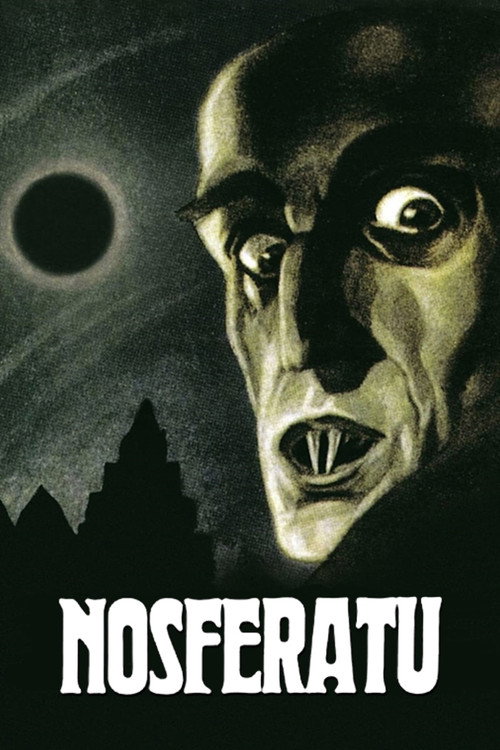
Nosferatu1922
Talbot's shadow-drenched dread and his fated march toward death borrow directly from this earlier Expressionist monster film; both treat the beast as tragedy, not thrill.
A silent German Expressionist film that invented so much of horror's visual vocabulary: the elongated shadow, the doomed man marked for death, a curse spreading like disease through a town.
But No dialogue, exaggerated silent-era acting, and a slower rhythm that takes patience if you're used to sound and modern pacing.
More like this (8)
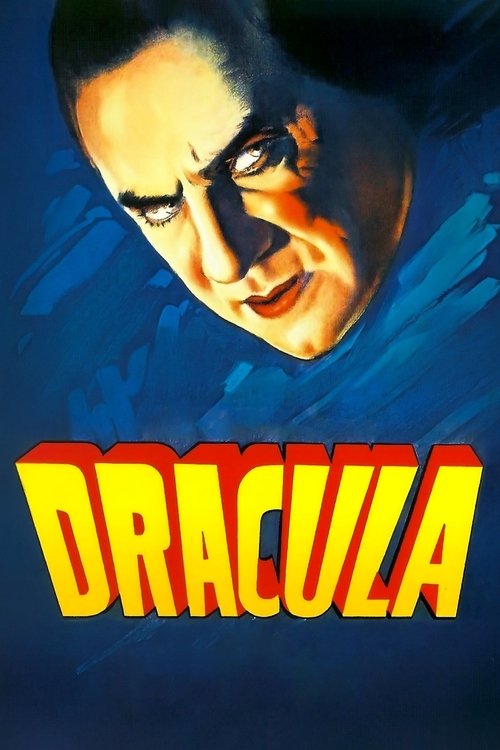
Dracula1931
Lugosi's performance defined vampire cinema for generations, and it's the other cornerstone of the Universal horror cycle that produced Talbot's story. Stagey, atmospheric, essential monster-movie history.
But Creaky pacing and stiff staging make it a tougher watch than its reputation suggests.
Cat People1942no page yet
A quieter, moodier take on the same idea: a curse tangled up with desire and identity, told through shadow and suggestion rather than makeup. Val Lewton's horror trusts what you don't see.
But Almost no visible violence or transformation, so if you want claws and fangs this will feel restrained.
Dr. Jekyll and Mr. Hyde1941no page yet
Same year, same studio system, same question of a decent man losing control of the beast inside him. Spencer Tracy plays both halves with real anguish rather than pure menace.
But The moralizing can feel heavy-handed, and some of its gender politics haven't aged well.
The Curse of the Werewolf1961no page yet
Hammer's lush, blood-red take on lycanthropy stars a young Oliver Reed as the doomed man-beast, tracing his curse back to a tragic birth rather than a random bite.
But Slower buildup than expected, with the actual werewolf action mostly confined to the finale.
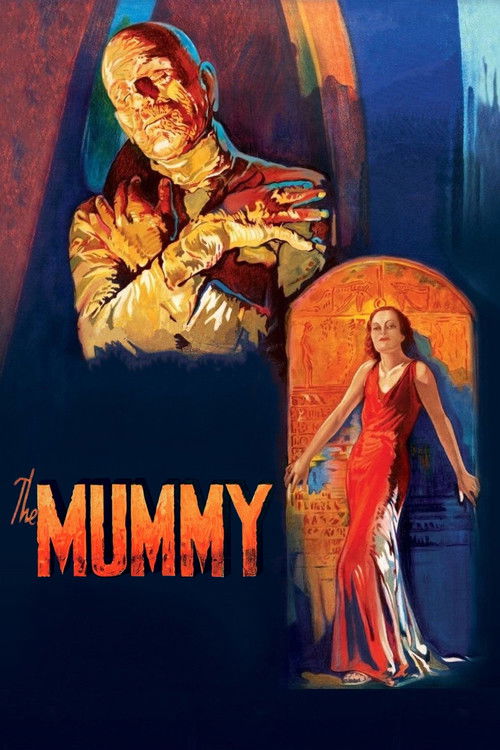
The Mummy1932
Another Karloff-led entry from the same Universal cycle, trading fur for bandages but keeping the same mournful core: a creature cursed by forces beyond its control, forever searching for what it lost.
But More slow-burn romance and dread than scares, which can feel like a bait-and-switch if you want horror.
The Invisible Man1933no page yet
James Whale's other great Universal monster movie, stranger and funnier than you'd expect, with effects that still impress and a descent into madness that echoes Talbot's own loss of control.
But The gleeful chaos and dark comedy sit oddly against the tragic tone of Talbot's story, if you want a straight match.
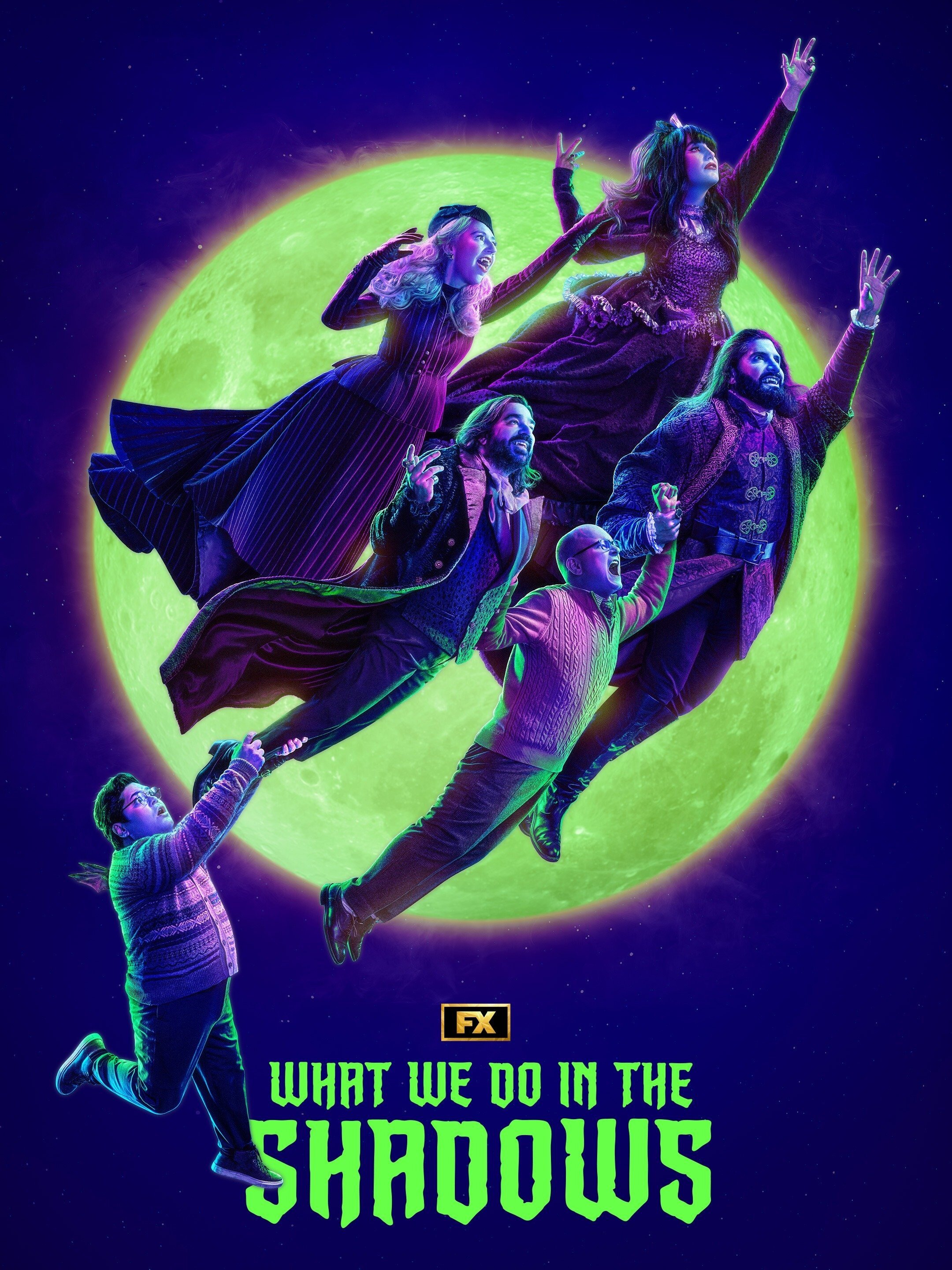
What We Do in the Shadows2019
It takes the exact monster mythology Talbot suffers through, curse, pack, transformation, and asks what it's actually like to live with it day to day, played entirely for laughs instead of tragedy.
A mockumentary sitcom about vampires and a werewolf pack sharing a Staten Island house, turning ancient monster mythology into deadpan comedy about roommates, jealousy, and bad decisions.
But If you want dread or pathos, this swaps it entirely for jokes; the horror here is mostly cosmetic.
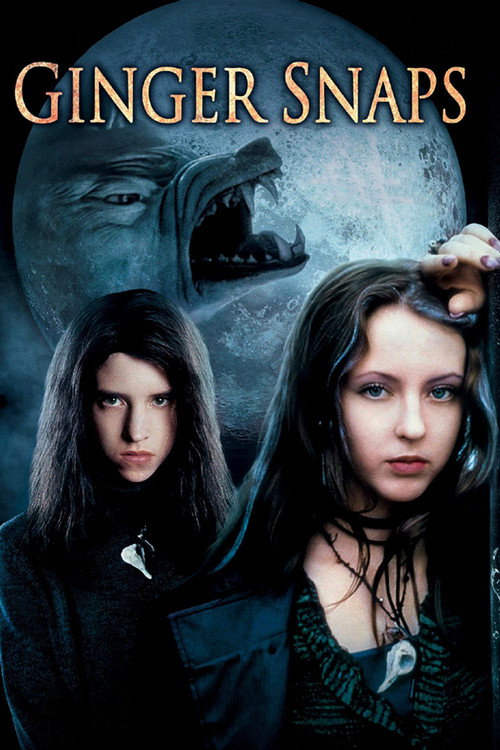
Ginger Snaps2000
Same bite-as-curse structure as Talbot's story, but the monster becomes a metaphor for a body changing against its owner's will, trading masculine tragedy for adolescent horror.
A Canadian cult favorite that reimagines lycanthropy as a blunt, gory metaphor for female puberty, following two sisters as one of them is bitten and slowly starts to change.
But The teen-movie packaging and low-budget effects might read as slight next to the gravity of Chaney's performance.
People
Cast
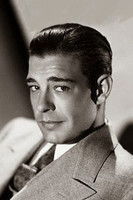 Lon Chaney Jr.Larry Talbot / The Wolf Man
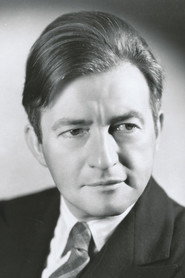 Claude RainsSir John Talbot
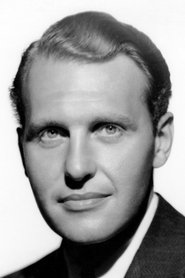 Ralph BellamyColonel Montford
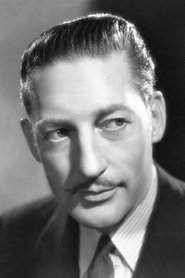 Warren WilliamDr. Lloyd
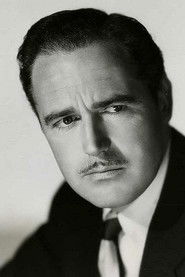 Patric KnowlesFrank Andrews
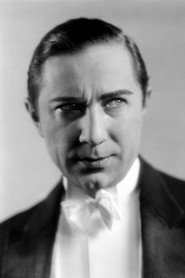 Bela LugosiBela
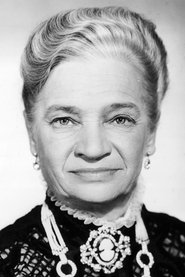 Maria OuspenskayaMaleva
 Evelyn AnkersGwen Conliffe
 Fay HelmJenny Williams
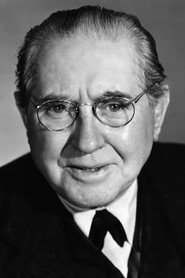 J.M. KerriganCharles Conliffe
- Forrester HarveyTwiddle
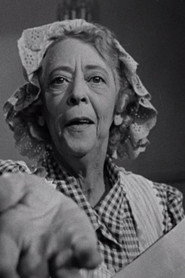 Jessie ArnoldGypsy Woman (uncredited)
Directing
- Vernon KeaysAssistant Director
- George WaggnerDirector
Writing
- Curt SiodmakScreenplay
Production
- Jack J. GrossExecutive Producer
- George WaggnerProducer
Recommended by
The Mummy, Frankenstein, Freaks, Wallace & Gromit: The Curse of the Were-Rabbit, An American Werewolf in London, Dr. Jekyll and Mr. Hyde, Bride of Frankenstein, Underworld, Of Mice and Men, Dracula, Dog Soldiers, The Howling