
Film
Mark of the Vampire
A 1935 Gothic mystery where Prague's elite suspect vampirism in a nobleman's death, calling in an occult expert to investigate. Directed by Tod Browning with atmospheric black-and-white cinematography and a cast led by Lionel Barrymore, it's a slow-burn psychological thriller that trades jump scares for mood. For fans of classic horror who prize atmosphere over gore.
If you liked this
Nosferatu1922
The silent German masterpiece that defined vampire cinema. Haunting, deeply unsettling, with imagery so powerful it needed no sound. Essential viewing for understanding where Mark of the Vampire comes from.
But Silent film moves at a meditative pace and demands patience. The intertitles interrupt rhythm, and no musical score to lean on.

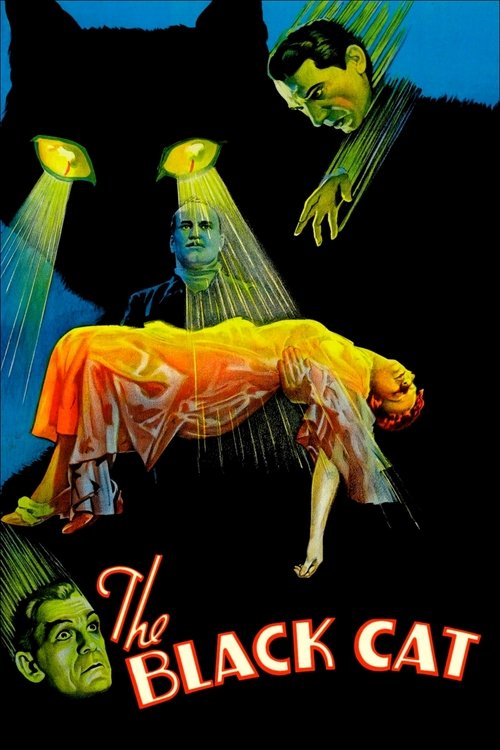
The Black Cat1934
Lugosi and Karloff's only pairing, a fever dream of Art Deco madness and psychological warfare. Browning regular Ulmer creates something genuinely disturbing from a loose Poe adaptation.
But Plot is wilfully strange and dream-logic nonsensical. If you need things to make sense, you'll be frustrated.
Dracula1931
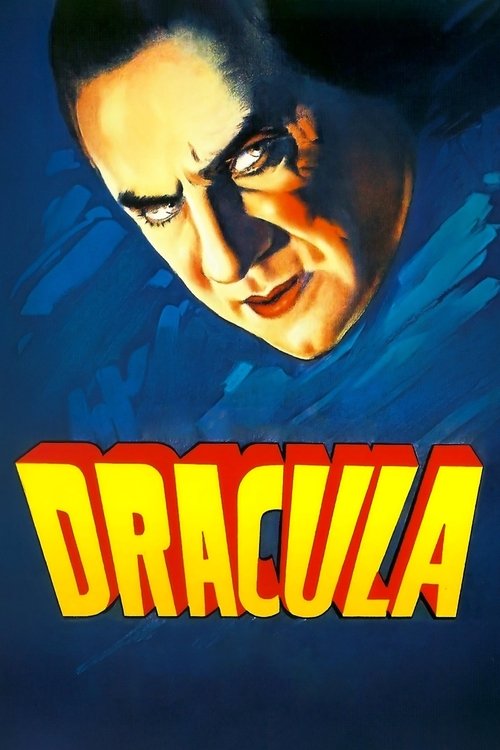
Bela Lugosi as the Count—the role that defined him for cinema. Tod Browning directed this too. Gothic, erotic, the template for every vampire film that followed. Lugosi is mesmerizing.
But Slow by modern standards and badly paced in the middle. The special effects haven't aged well. You might laugh where you should shudder.
Not sure tonight? Get a pick in a minute, starting from Mark of the Vampire
The wildcard
Something you would not have found on your own.
Vampyr1932
Both are vampire mysteries that use fog, shadow, and psychology over action. Dreyer's abstraction is what Browning's melodrama reaches for but can't quite grasp.
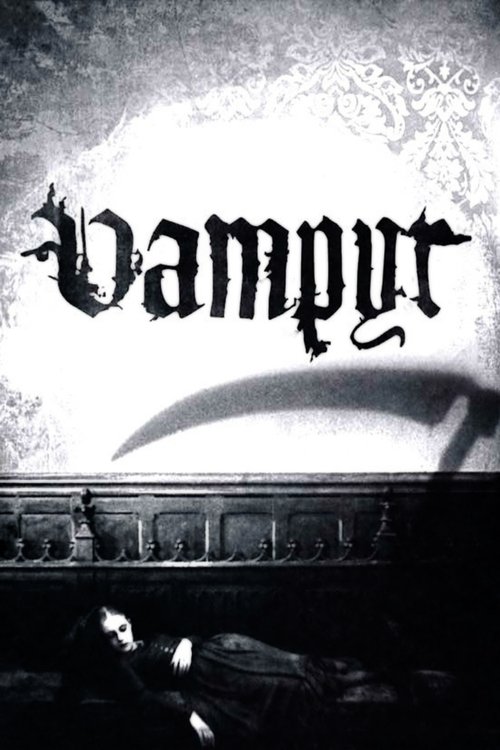
Carl Theodor Dreyer's dreamlike vampire film, shot like a fever. Disorienting, hypnotic, almost abstract in how it treats horror—less plot than mood and dread. Influenced everything that came after.
But Barely a plot. Images and atmosphere instead of story. You may feel lost and annoyed rather than thrilled. Very slow.
More like this (8)
The Cabinet of Dr. Caligari1920
German Expressionism at its peak—twisted angles, unsettling shadows, a mystery that turns inside out. Surreal and genuinely creepy, with a twist that recontextualises everything.
But The expressionist sets take getting used to. Some find the style dated; others find it too arch. Very silent-film paced.

The Wolf Man1941
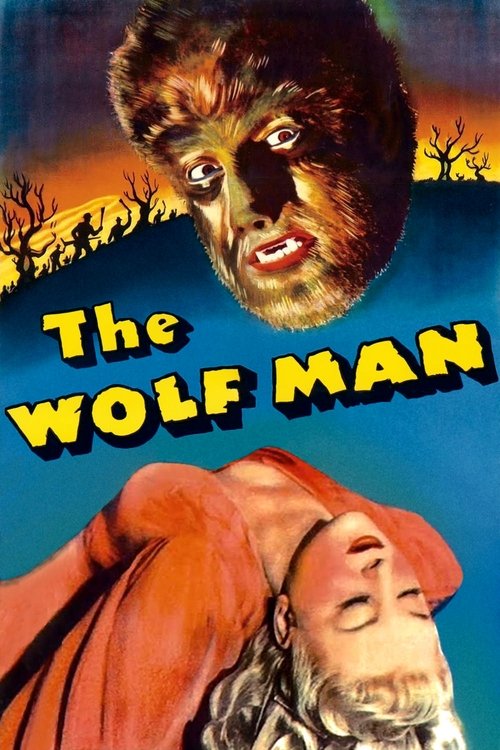
Universal's finest monster movie, balancing pathos with dread. Lon Chaney Jr. is genuinely sympathetic as a man cursed to become something he can't control. Moody and well-made.
But Monster effects are rubber-suit level. The transformation scene, though innovative, looks quaint now. More melodrama than true horror.
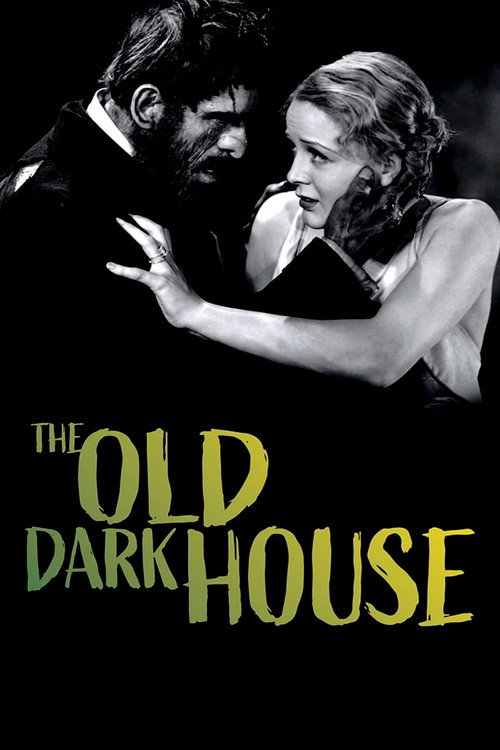
The Old Dark House1932
James Whale's Gothic comedy-thriller full of grotesque characters and creeping dread. A family seeks shelter and finds horror. Beautifully shot, darkly funny, and stranger than it has any right to be.
But Tonal shifts from comedy to real menace can feel jarring. Some characters are played so broadly they become cartoony.
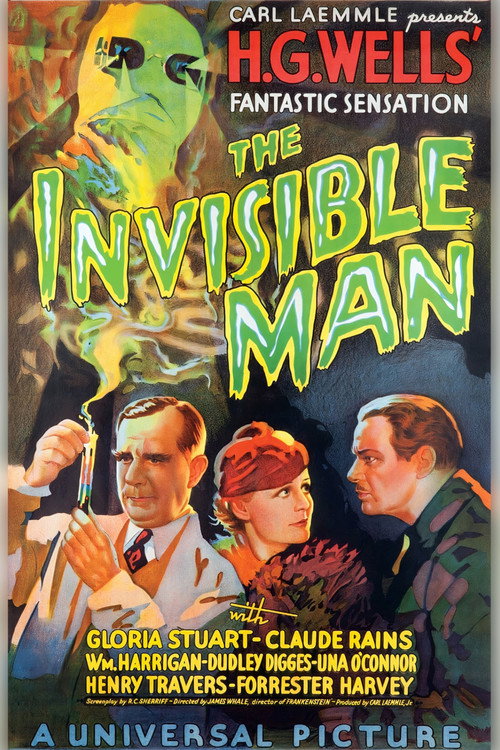
The Invisible Man1933
James Whale again, this time with science horror. Claude Rains becomes a voice and gradual revelation—technically brilliant and philosophically unsettling. The best of Universal's monster films.
But Rains' performance, while great, can feel theatrical to modern ears. The science is hand-wavy, which matters when it's the whole plot.
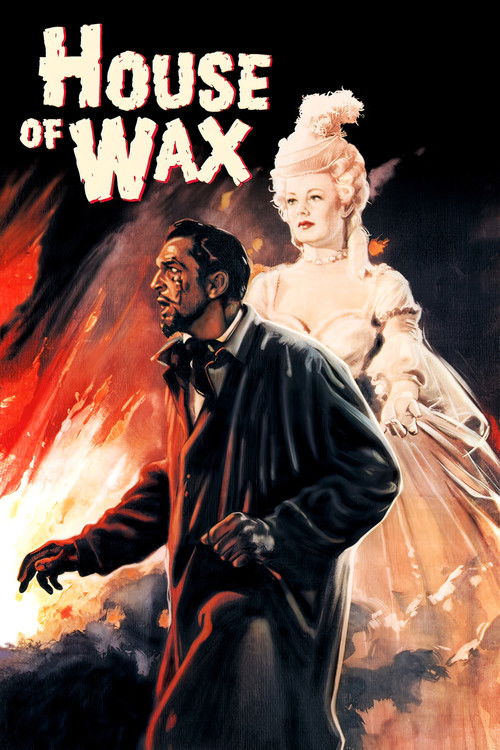
House of Wax1953
Vincent Price in 3D as a disfigured artist creating his revenge in wax. Genuinely eerie, with real tension and a warped romance at its core. Price is captivating.
But The 3D effects are gimmicky by today's standards. The pacing drags in the middle. The science is nonsense even for 1953.
The Phantom Carriage1921
A Swedish ghost story about a man given one last Christmas Eve to make amends. Ethereal, melancholy, beautifully composed. A quiet masterpiece of early cinema with real emotional weight.
But Silent, slow, and deeply melancholic. If you want entertainment rather than contemplation, skip it. Very long for what happens.

Night and Fog1956
Both interrogate evil and mystery through investigation. Mark of the Vampire asks: what evil hides in plain sight? Night and Fog asks: what evil did the world know and ignore?
Alain Resnais' 31-minute documentary about Auschwitz, combining archival footage with colour cinematography of the now-empty camps. Devastating, essential, the most important film about atrocity ever made.
But Unbearably heavy. Not entertainment. If you're not ready to sit with real horror, don't start here.

The Third Man1949
Both are mysteries where surface-level investigation masks deeper truths about human nature. Both use a beautiful, corruption-shadowed city as character. Both have an outsider arriving to ask dangerous questions.
Greene and Welles' post-war Vienna noir about a man investigating his dead friend. Morally ambiguous, visually stunning with Dutch angles and shadow, genuinely suspenseful. A perfect mystery.
But The famous zither score is precious and distracting. Ending may feel deflating. Political intrigue requires attention; you can't half-watch it.

People
Cast
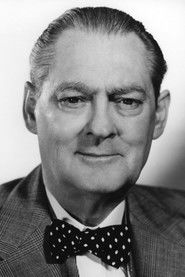 Lionel BarrymoreProfessor Zelin
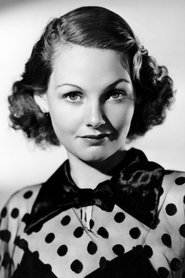 Elizabeth AllanIrena Borotyn
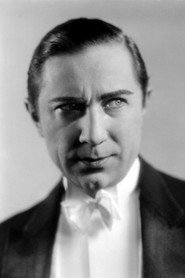 Bela LugosiCount Mora
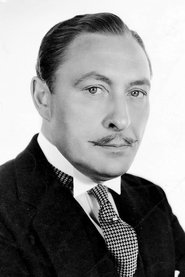 Lionel AtwillInspector Neumann
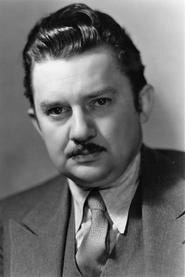 Jean HersholtBaron Otto
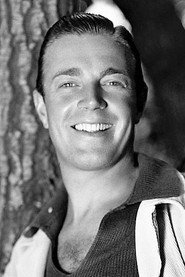 Henry WadsworthFedor Vincente
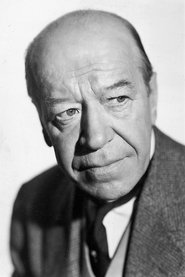 Donald MeekDr. Doskil
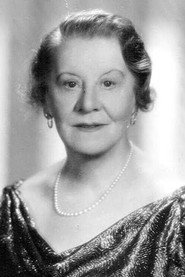 Jessie RalphMidwife
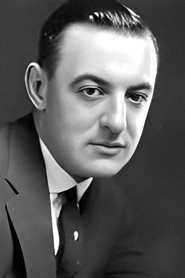 Franklyn ArdellChauffeur
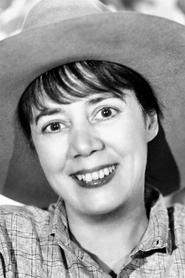 Leila BennettMaria
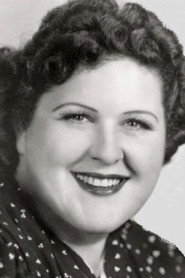 June GittelsonAnnie
Directing
- Harry SharrockAssistant Director
- Tod BrowningDirector
Writing
- Bernard SchubertScreenplay
- Guy EndoreScreenplay
- Tod BrowningStory
- H.S. KraftWriter
- John L. BalderstonWriter
- Samuel OrnitzWriter
Production
- E.J. MannixProducer
- Tod BrowningProducer