
Film
Vampyr
Carl Theodor Dreyer's Vampyr trades screams for smoke and shadow: a hushed, near-silent nightmare where death drifts through empty rooms like fog. There's little dialogue, less exposition, and no jump scares — just unease that seeps into the frame. It's cinema as trance, best watched late and alone, with patience for mood over plot. Not for thrill-seekers; perfect for anyone who wants horror that lingers instead of startles.
If you liked this
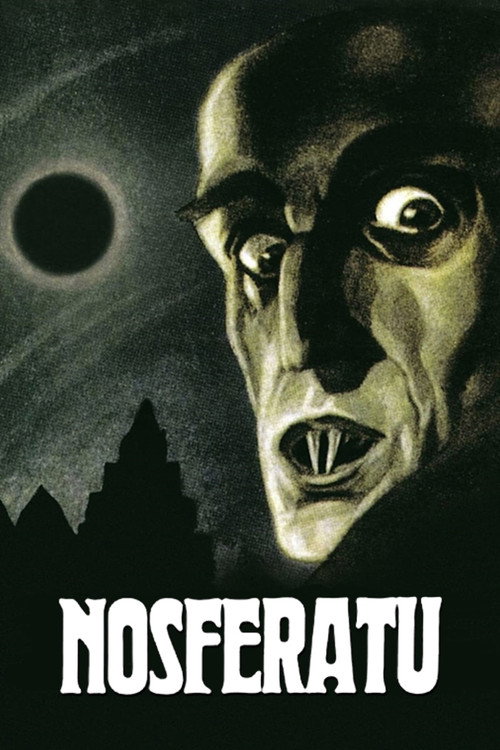
Nosferatu1922
The film Vampyr is quietly answering — Murnau's shadow-crawling count established the genre's grammar of dread, and watching it you'll spot exactly what Dreyer inherited and subverted a decade later.
But Silent, scratchy, and occasionally more comic than scary to modern eyes; patience for early cinema helps.
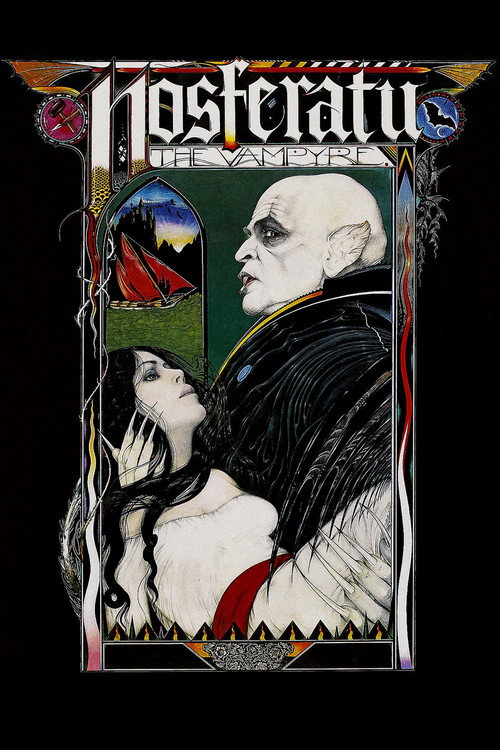
Nosferatu the Vampyre1979
Herzog's hypnotic remake keeps Murnau's melancholy but adds colour, Klaus Kinski's ravaged stillness, and a plague-era dread that feels closer to Dreyer's fog-bound mood than any modern vampire film.
But Slow, deliberately languid pacing that some will find beautiful and others will find inert.
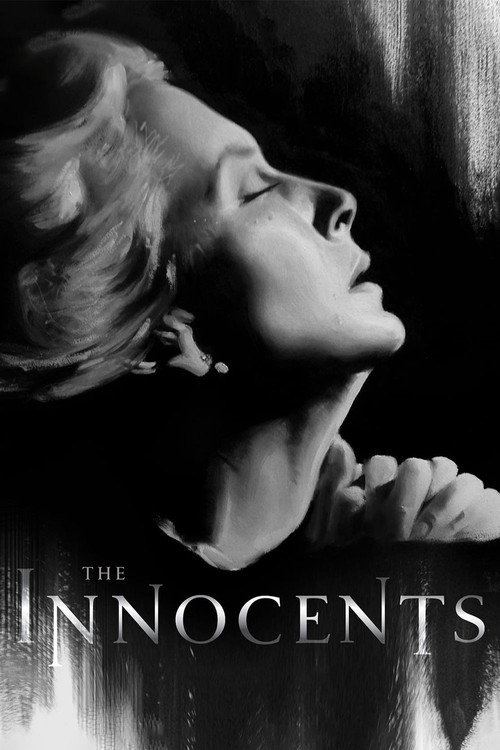
The Innocents1961
Jack Clayton's ghost story is all suggestion and dread, built from silence, shadow and unreliable perception — the same trust in atmosphere over explanation that makes Vampyr so unsettling.
But Black-and-white restraint and a deliberately ambiguous ending may frustrate anyone wanting a clear resolution.
The wildcard
Something you would not have found on your own.
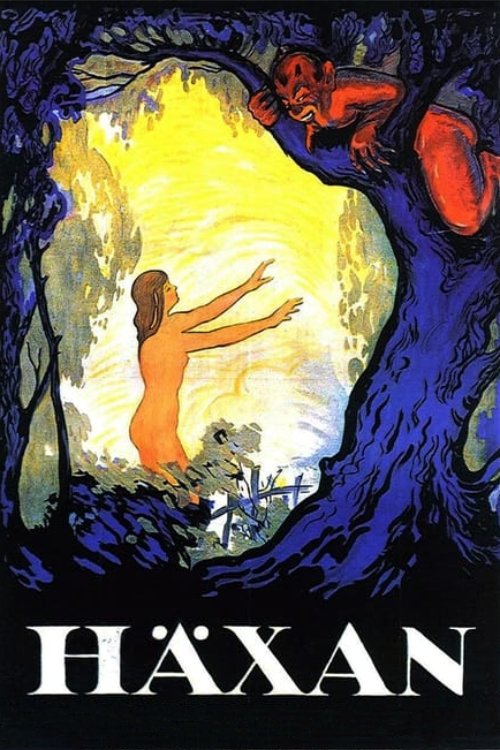
Häxan1922
Dreyer's Danish contemporary Benjamin Christensen made this in the same era, fusing documentary lecture with staged witch-trial reenactments — the same fascination with superstition rendered as if it were simply true.
Part lecture, part nightmare, this genuinely strange hybrid dramatizes witch trials and demonic possession with images so vivid they still unsettle a century on.
But The documentary framing device is dated and slow, and some sequences feel more academic than frightening.
More like this (8)
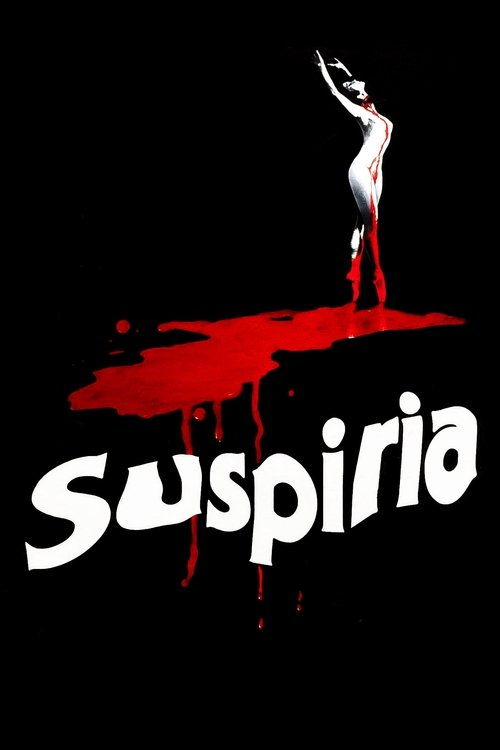
Suspiria1977
Argento swaps monochrome dread for lurid colour and a pounding score, but the dreamlike illogic and sense that reality has come slightly unglued is pure kin to Dreyer's nightmare logic.
But Garish, loud, and gleefully illogical — the opposite of subtle, which some will love and others won't.
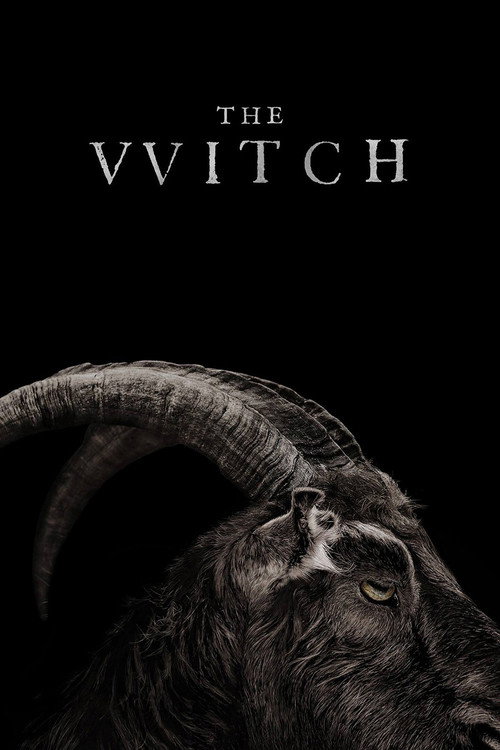
The Witch2016
Eggers builds dread through candlelight, isolation and creeping paranoia rather than jump scares, echoing Vampyr's patient, folkloric sense of evil closing in from all sides.
But Glacial pace and thick period dialogue demand real patience; nothing here moves fast.
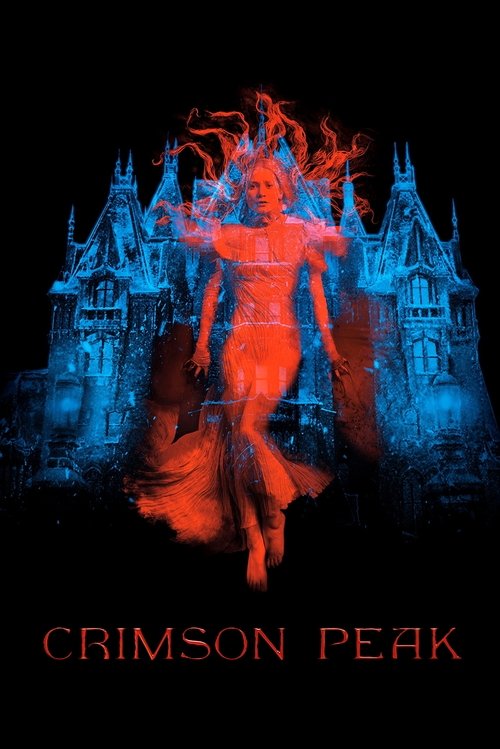
Crimson Peak2015
Del Toro's gothic romance, drenched in decay and dread, shares Vampyr's love of crumbling manors and ghosts as texture rather than jump-scare machinery.
But More lush melodrama than horror — if you want scares, this leans hard into romance instead.
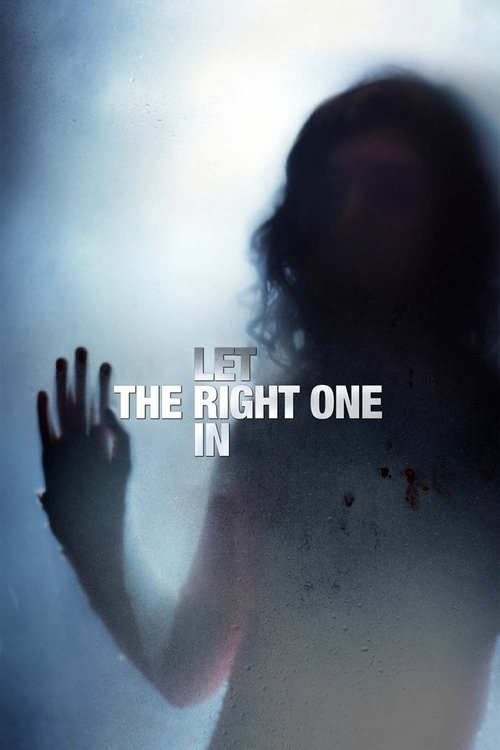
Let the Right One In2008
A cold, tender Swedish vampire story that trades Gothic grandeur for frozen suburbs but keeps the sense that vampirism is a slow, sad affliction rather than a monster-movie thrill.
But Deliberately unhurried and melancholic — don't expect action or conventional horror beats.
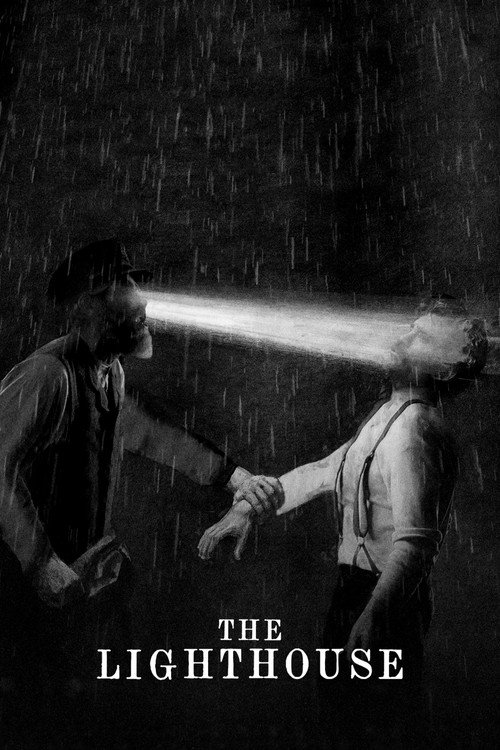
The Lighthouse2019
Eggers again, this time drowning two men in fog, myth and madness — a black-and-white fever dream that shares Vampyr's sense of reality dissolving at the edges.
But Deliberately disorienting and grim; the claustrophobia and shouting matches aren't for everyone.
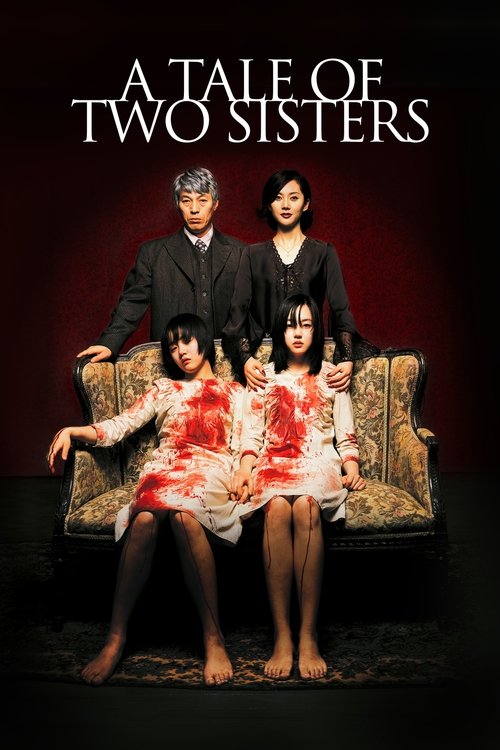
A Tale of Two Sisters2003
This Korean gothic ghost story builds dread through domestic unease and fractured perception, proving Dreyer's slow-burn haunted-house atmosphere translates easily across cultures and decades.
But The tangled, nonlinear plot rewards a second viewing but can feel bewildering on first watch.
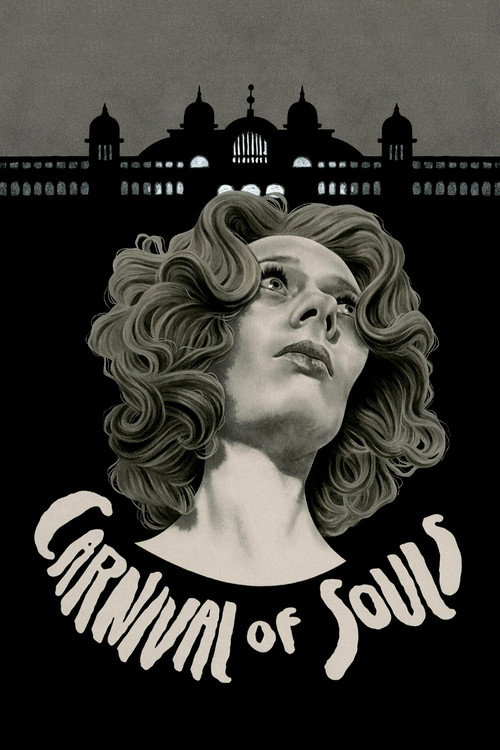
Carnival of Souls1962
A cheap, half-forgotten American indie reaching for the exact same dislocated, is-this-real dread as Vampyr — proof you don't need budget or reputation to make death feel like it's already arrived.
Made for almost nothing, this eerie B-movie about a woman drifting through a town that may already be dead has the same waking-nightmare quality — cheap, strange, unforgettable.
But Rough production values and amateur acting show; this is B-movie horror, not polished arthouse.
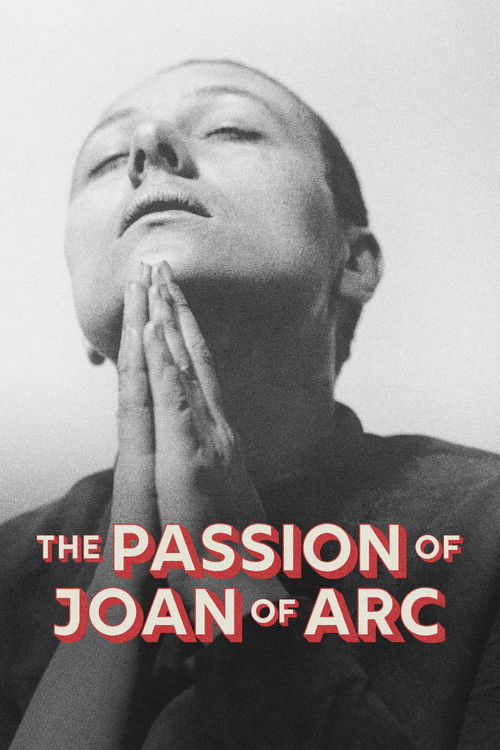
The Passion of Joan of Arc1928
Same director, same era, same obsession with faces and suffering under an unseen judgment — Dreyer's other masterpiece swaps vampires for a courtroom, but the dread of being watched and condemned is identical.
Dreyer's silent masterpiece about Joan of Arc's trial uses close-ups of anguish and faith the way Vampyr uses shadow — essential for understanding what actually obsessed him.
But No horror trappings at all — this is intense religious drama, and its emotional weight is heavy, not spooky.
People
Cast
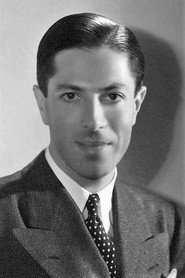 Nicolas de GunzburgAllan Grey
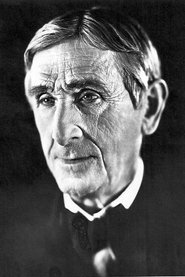 Maurice SchutzThe Lord of the Manor
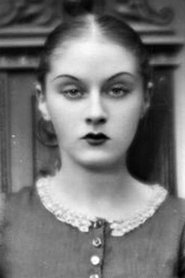 Rena MandelGiséle
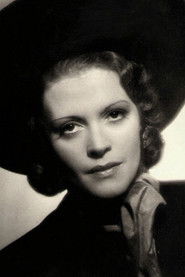 Sybille SchmitzLéone
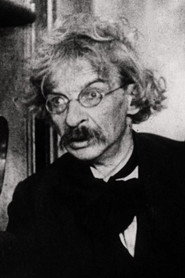 Jan HieronimkoThe Village Doctor
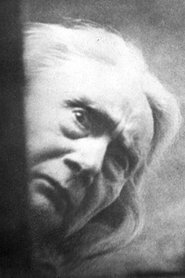 Henriette GérardThe Old Woman from the Cemetery
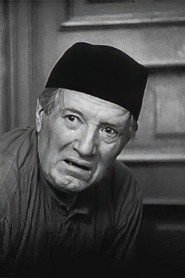 Albert BrasThe Old Servant
- N. BabaniniThe Old Servant's Wife
- Jane MoraThe Nurse
- Georges BoidinLimping Man
Directing
- Éliane TayarAssistant Director
- Preben BirckAssistant Director
- Ralph Christian HolmAssistant Director
- Carl Theodor DreyerDirector
Writing
- Sheridan Le FanuNovel
- Carl Theodor DreyerScreenplay
- Christen JulScreenplay
Production
- Carl Theodor DreyerProducer
- Nicolas de GunzburgProducer
Recommended by
Cries and Whispers, Nosferatu, Bram Stoker's Dracula, True Blood, Carnival of Souls, Interview with the Vampire, Only Lovers Left Alive, Vampire Hunter D: Bloodlust, Nosferatu the Vampyre, Nosferatu