
Film
The Innocents
Jack Clayton's 1961 adaptation of Henry James's The Turn of the Screw is deep-focus, black-and-white dread at its most disciplined: a governess (Deborah Kerr) arrives at a grand old house convinced the children in her care are possessed by the dead. Nothing is ever confirmed or explained, and the horror lives entirely in what you choose to believe.
If you liked this
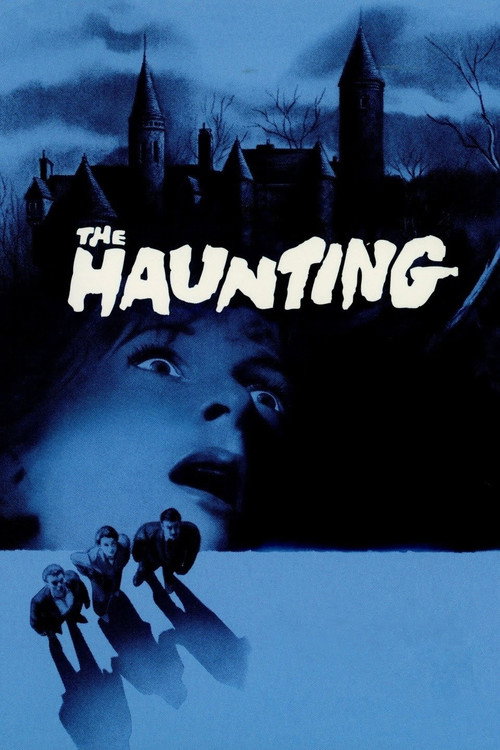
The Haunting1963
Robert Wise's black-and-white haunted-house masterpiece trusts sound design and camera angles over gore, building dread the same patient way Clayton does — a house that seems to breathe.
But No visible ghosts at all, so if you want something to actually jump out at you, this will frustrate rather than satisfy.
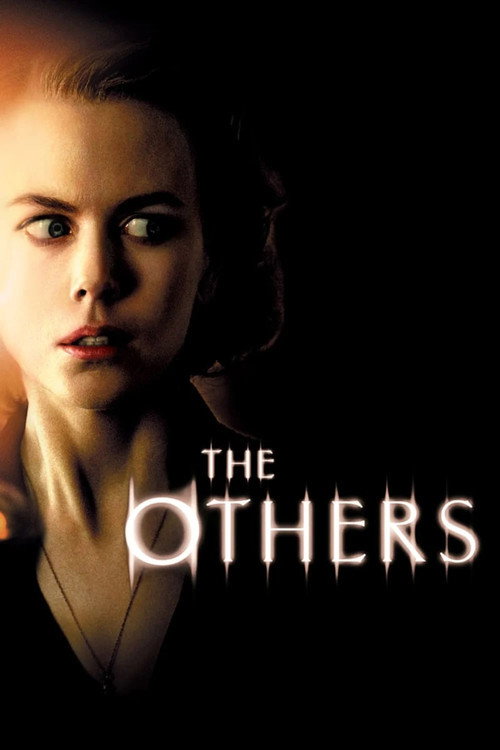
The Others2001
Nicole Kidman anchors a fog-bound gothic ghost story about children who may or may not be in danger, built around the same slow unravelling of what's real.
But The twist is more explicit and tidier than anything Clayton would allow, which some find satisfying and others find deflating.
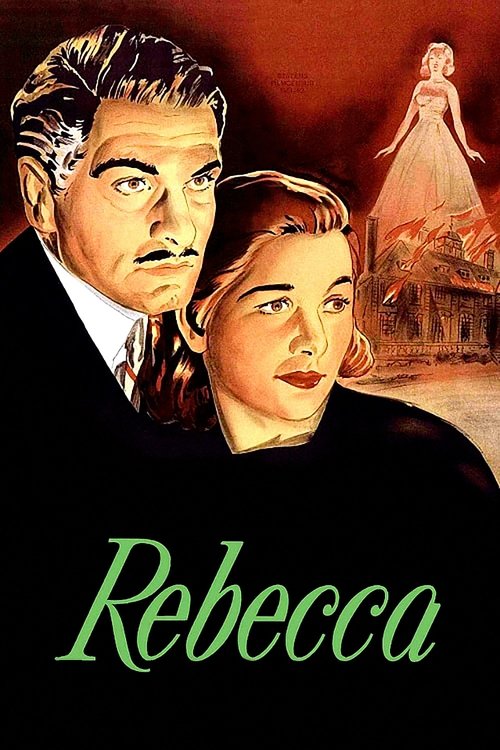
Rebecca1940
Hitchcock's own gothic house drama, with a nervous young woman undone by a home that seems to hold onto its dead, and a housekeeper who might be an ally or a threat.
But It's a romantic thriller first, so the supernatural dread here is entirely metaphorical rather than literal.
The wildcard
Something you would not have found on your own.
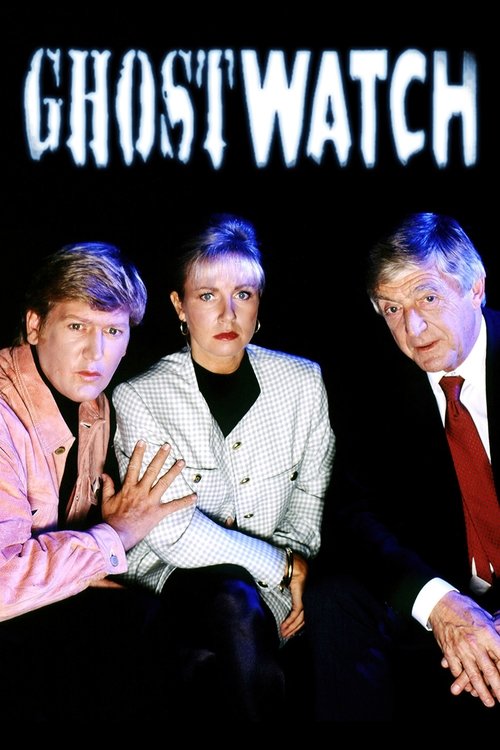
Ghostwatch1992
Same question of belief versus perception that drives The Innocents, transposed into a fake live broadcast that made an entire country doubt what it was seeing — the ultimate unreliable narrator, delivered through television itself.
A mockumentary broadcast live on the BBC in 1992, convincing much of Britain it was watching a real seance go wrong — a study in how easily dread spreads through a trusted format.
But The found-footage style and dated video effects read as cheap next to Clayton's cinematography, and its power depends partly on knowing the context.
More like this (8)
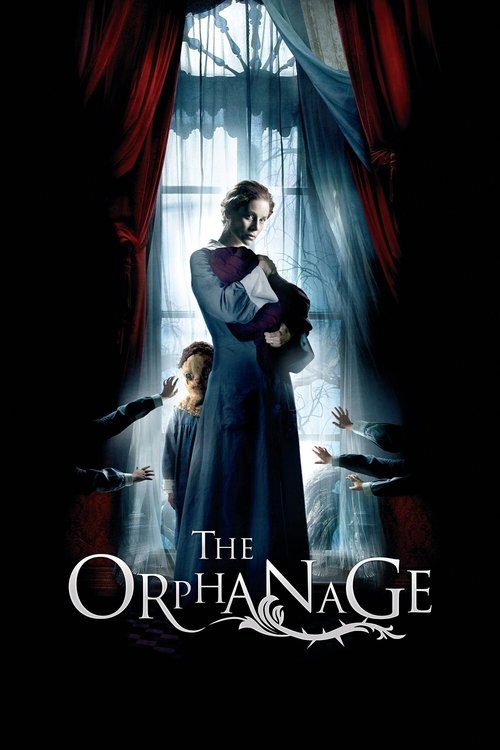
The Orphanage2007
A Spanish ghost story, produced by Guillermo del Toro, about a mother and a children's home haunted by something that wants a reckoning — tender and genuinely frightening in equal measure.
But It leans harder into grief and sentiment by the end than The Innocents ever does, and that may soften the horror for some.
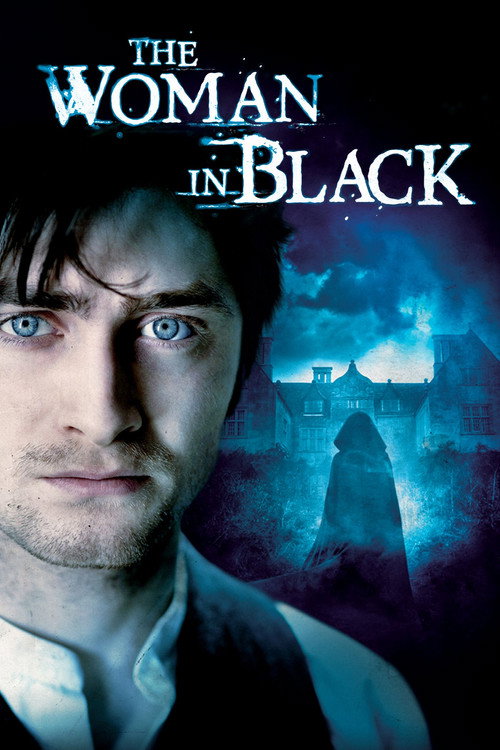
The Woman in Black2012
Daniel Radcliffe as a solicitor undone by a vengeful spirit and a village full of secrets, in a handsomely mounted period gothic that knows the power of a slow reveal.
But More conventional jump-scare craftsmanship than psychological ambiguity, so it wears its scares on its sleeve.
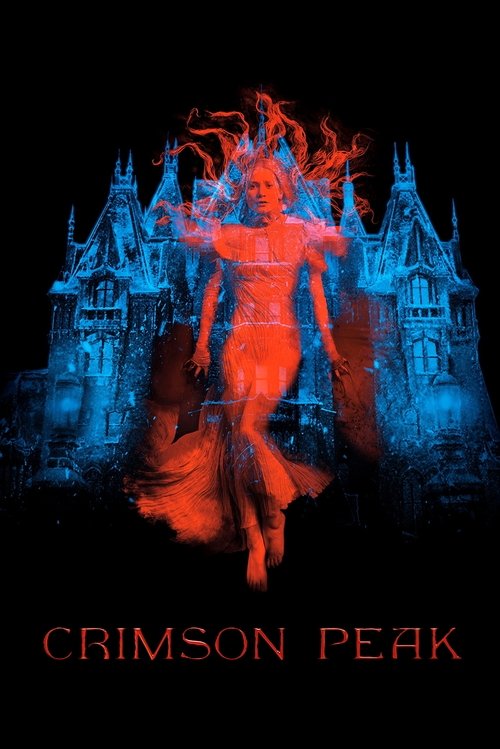
Crimson Peak2015
Del Toro's lush, blood-red gothic romance turns the haunted-house tradition inside out with ravishing production design and ghosts that are more grief than menace.
But It's a maximalist melodrama, all velvet and crimson — the opposite of Clayton's austere restraint.
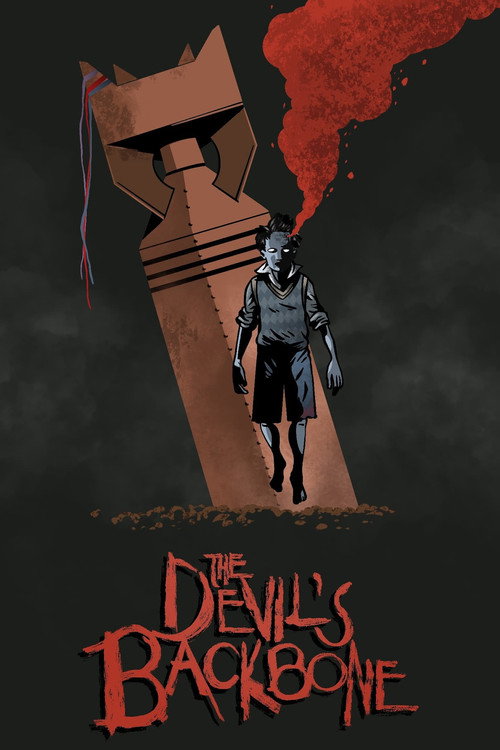
The Devil's Backbone2001
Another del Toro ghost story, set in a boys' orphanage during the Spanish Civil War, using a child ghost to talk about violence adults inflict and children absorb.
But The politics and wartime backdrop are as central as the haunting, making it heavier and more historical than a pure ghost story.
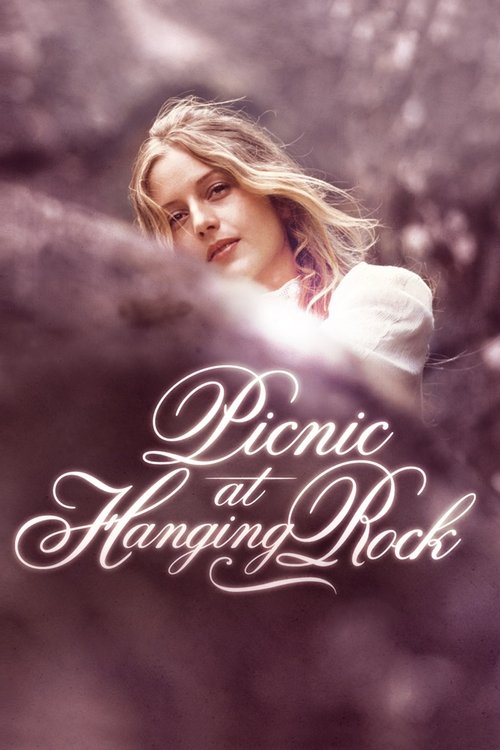
Picnic at Hanging Rock1975
Peter Weir's dreamlike Australian mystery about schoolgirls who vanish on an outing shares The Innocents' unresolved dread and its fascination with what adults can't explain about the young.
But There's no ghost, no answer, and no closure whatsoever — it's built entirely around a mystery that never resolves.
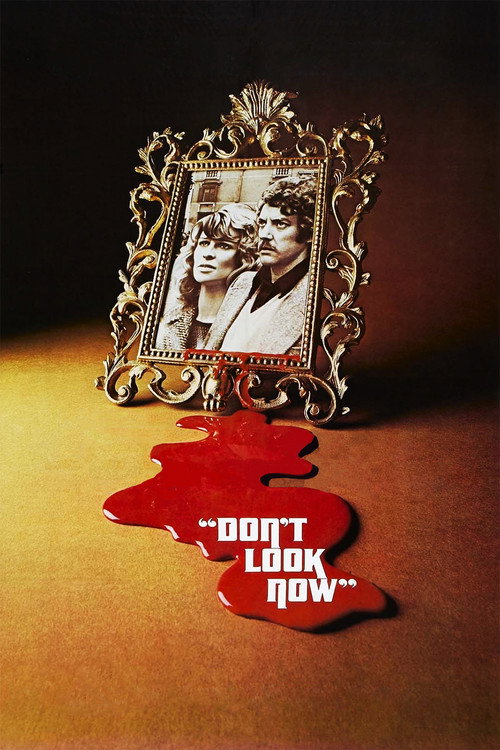
Don't Look Now1973
Nicolas Roeg's grief-soaked Venice thriller about a couple haunted by visions after their daughter's death, cut together with the same unsettling, editing-as-dread instinct.
But It's slower and more oblique than a traditional horror film, closer to art-house drama with occasional terror.
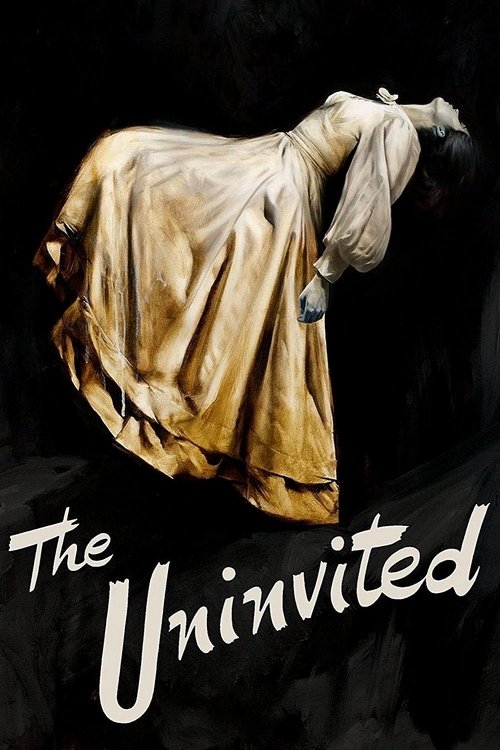
The Uninvited1944
A near-two-decade head start on the same trick — a haunted house whose ghost might be grief, guilt, or something real — done in glossy American melodrama rather than English gothic austerity.
Ray Milland and Ruth Hussey investigate a cliffside house that seems to want their niece back, in an American ghost story that got there first, doubting its own haunting scene by scene.
But The 1940s Hollywood polish and orchestral score are far softer and more sentimental than Clayton's chilly restraint.
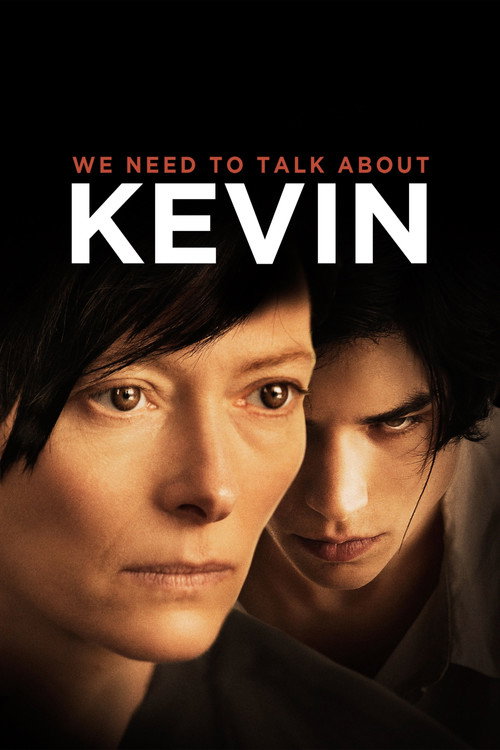
We Need to Talk About Kevin2011
Strips out the ghosts entirely and asks the question Clayton only gestures at — is the child evil, or is the adult who fears them unravelling? Same dread, no supernatural alibi to hide behind.
Tilda Swinton plays a mother convinced her son is capable of real evil, told through fractured, non-chronological editing that keeps you as uncertain as she is about what she's actually seeing.
But There is no supernatural mechanism, no gothic mansion, and no comforting genre distance — this is unrelieved psychological horror rooted in a mundane household.
People
Cast
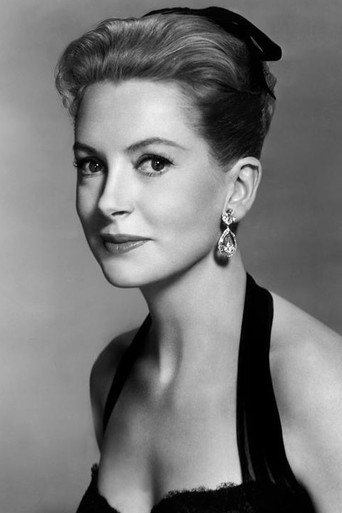 Deborah KerrMiss Giddens
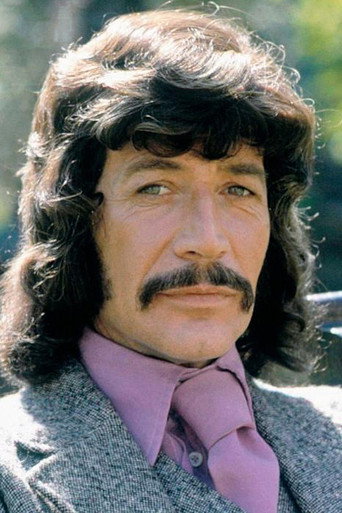 Peter WyngardePeter Quint
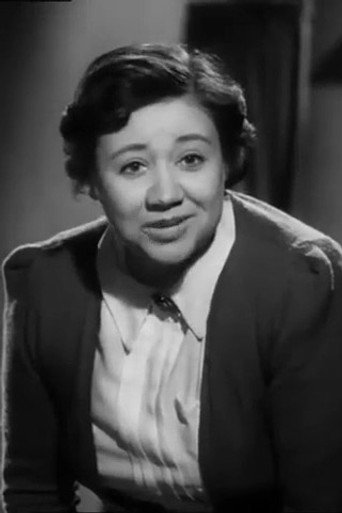 Megs JenkinsMrs. Grose
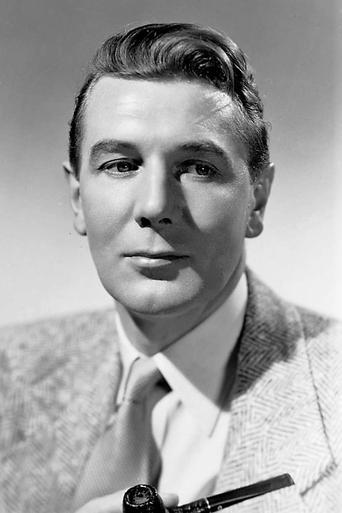 Michael RedgraveThe Uncle
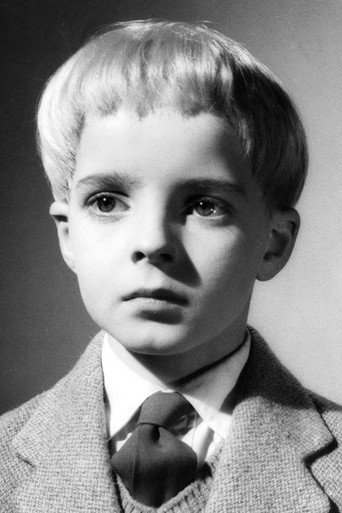 Martin StephensMiles
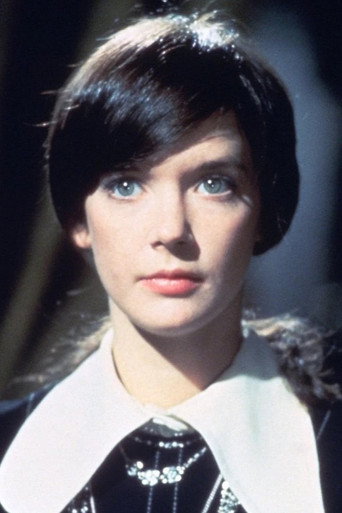 Pamela FranklinFlora
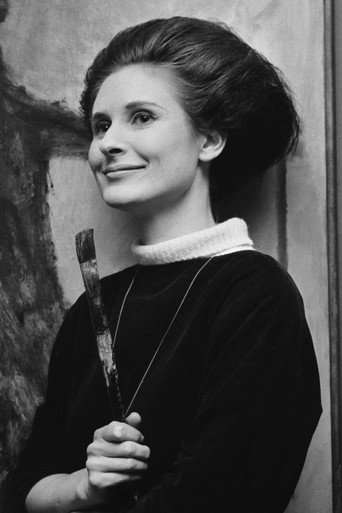 Clytie JessopMiss Jessel
- Isla CameronAnna
- Eric WoodburnCoachman (uncredited)
Directing
- Jack ClaytonDirector
Writing
- Henry JamesNovel
- Truman CapoteScreenplay
- William ArchibaldScreenplay
- Jeanie SimsScript Editor
Production
- Albert FennellExecutive Producer
- Jack ClaytonProducer
Recommended by
The Others, The Woman in Black, Rebecca, The Haunting of Hill House, A Little Princess, The Mummy, The Virgin Suicides, Dead of Night, Jane Eyre, Finders Keepers, The Orphanage, The Haunting of Bly Manor, Picnic at Hanging Rock, Kwaidan, The Secret Garden, Meet Me in St. Louis, The Stone Tape, The Haunting, Nanny McPhee, The Uninvited, Servant, The Devil's Backbone, Under the Shadow, Don't Look Now, Carnival of Souls, Ghostwatch, Fanny and Alexander, The Omen, Village of the Damned, Night of the Demon, Vampyr, The Old Dark House