
Film
The Pit and the Pendulum
Roger Corman's 1961 adaptation transforms Poe's short story into gothic melodrama, all towering sets, psychological torment, and Vincent Price's magnificent descent into madness. It's visually lush and operatic—less interested in scares than in atmosphere and the intoxicating corruption of guilt. For anyone who loves horror that prioritizes mood and performance over gore.
Should you watch it?
Watch it if you love candlelit Gothic dread, where mood and decaying halls do more work than jump scares, and you enjoy Vincent Price playing grandly menacing.
Skip it if the pace is deliberate and the performances lean into theatrical excess, so if slow build-ups and florid melodrama wear you down, the film will test your patience.
What it asks of you: It asks for an unhurried hour and twenty minutes of close attention to mood and dialogue; it lingers in its rooms rather than racing between set pieces.
Not sure? Find tonight's pick in a minute.
If you liked this
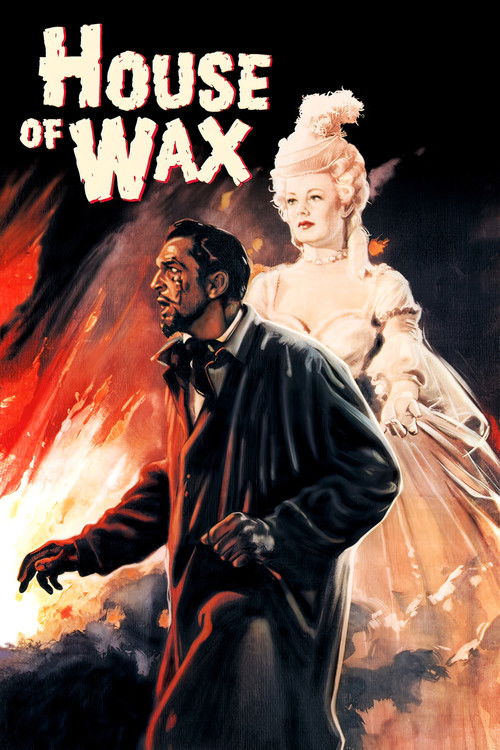
House of Wax1953
Vincent Price's first leading horror role, a masterclass in theatrical villainy. Same star, similar commitment to gothic atmosphere and architectural dread in a haunted museum that rivals any castle.
But In 3D, which can feel gimmicky now. The pacing is slower and the dialogue more theatrical than modern horror allows.
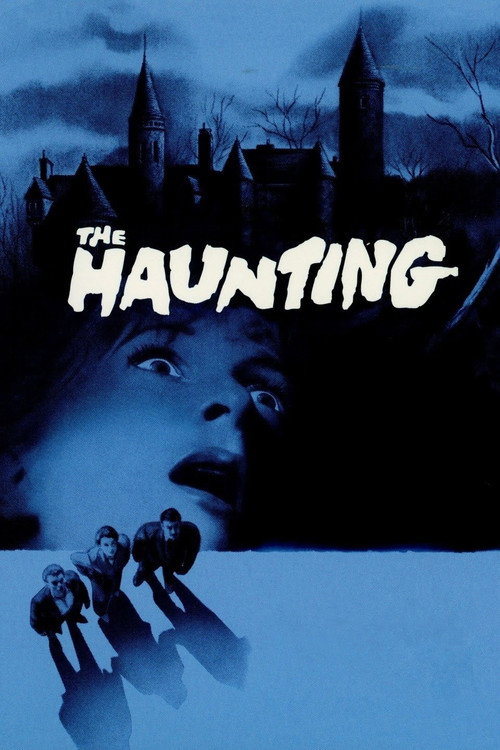
The Haunting1963
Corman's contemporary, equally obsessed with psychological dread over gore. A haunted house that's never entirely clear whether the horror is external or internal—that same ambiguity about sanity and guilt.
But Deliberately refuses jump scares and relies entirely on suggestion and mood. If you need overt frights, this will feel slow and frustrating.
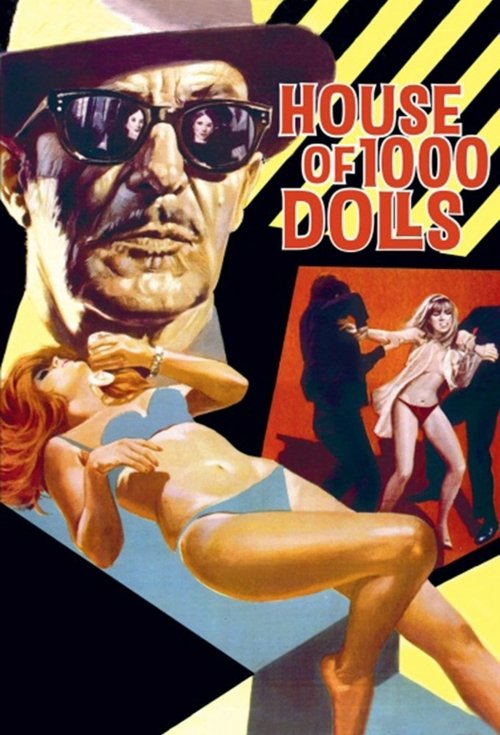
House of 1,000 Dolls1967
Vincent Price again, this time in a gothic Spanish setting with torture chambers and moral corruption. Similar visual excess and Price's gift for making villainy articulate and magnetic.
But The plot is genuinely convoluted and some sequences feel padded. The Camp quotient rises as it goes on, which isn't everyone's thing.
Not sure tonight? Get a pick in a minute, starting from The Pit and the Pendulum
The wildcard
Something you would not have found on your own.
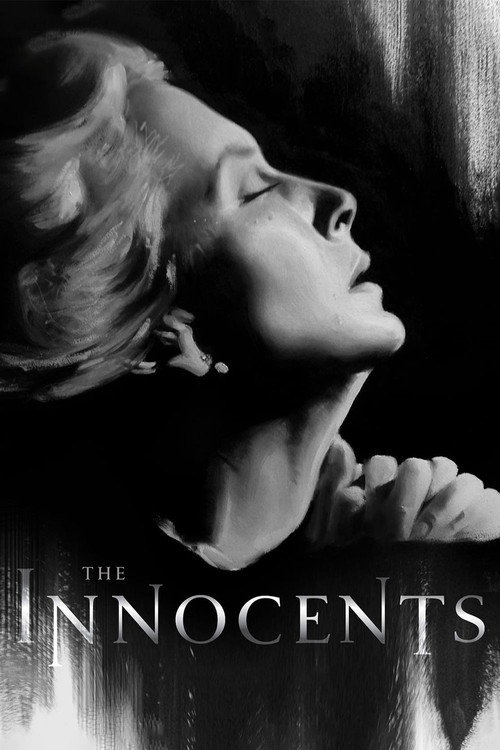
The Innocents1961
Both film the same fundamental question: is the protagonist going mad, or is the evil real? Both refuse to fully answer it. Both trust the viewer's imagination over spectacle.
Released the same year as The Pit and the Pendulum but in a completely different register: a psychological ghost story about ambiguous evil, children, and whether the horror is supernatural or internal.
But It's quiet, restrained, and morally murky—the opposite of Corman's theatrical excess. Some find the ambiguity frustrating rather than artful.
More like this (6)
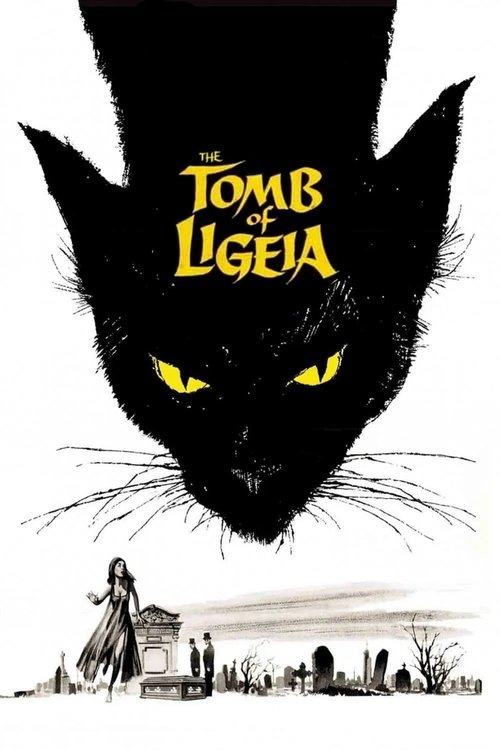
The Tomb of Ligeia1964
The last and strangest of Corman's Poe cycle. Psychologically tormented protagonist, gorgeous English locations, the same preoccupation with guilt eating the protagonist from inside.
But It's genuinely weird and structurally loose. The ending is oblique and some viewers find it pretentious rather than artful.
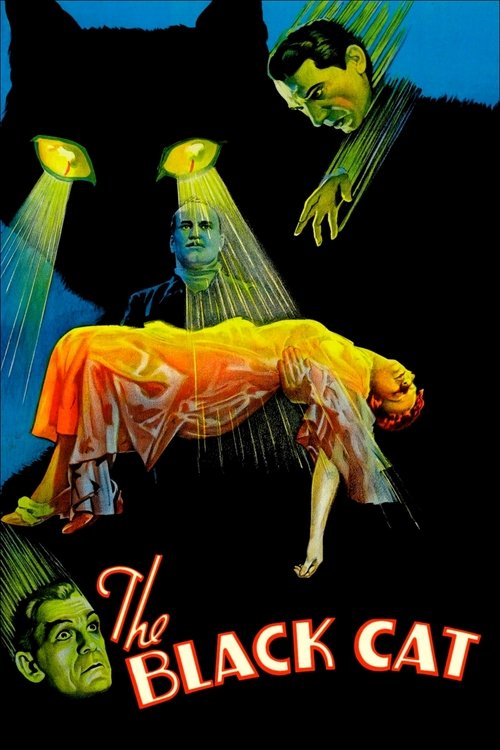
The Black Cat1934
Earlier horror masterpiece with similar Inquisition-era cruelty, torture, and an aristocratic villain. Boris Karloff and Béla Lugosi in a genuinely unsettling psychological duel.
But It's from 1934—the pacing and dialogue will feel remote. Some plot elements are bizarre even by horror standards and don't quite cohere.
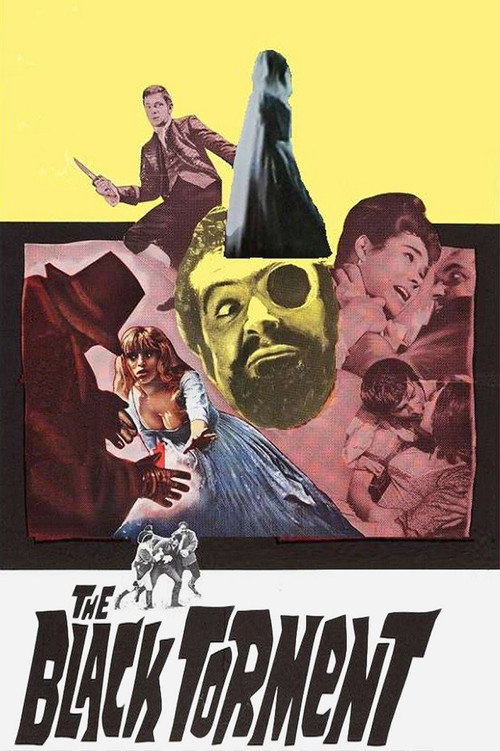
The Black Torment1964
A lesser-known gothic from the same era: gaslighting, insanity, a beautiful troubled house. The same apparatus of gothic suspicion and psychological unravelling.
But Genuinely obscure, so finding it is harder. It's competent but less stylish than Corman and can feel like a pale imitation.
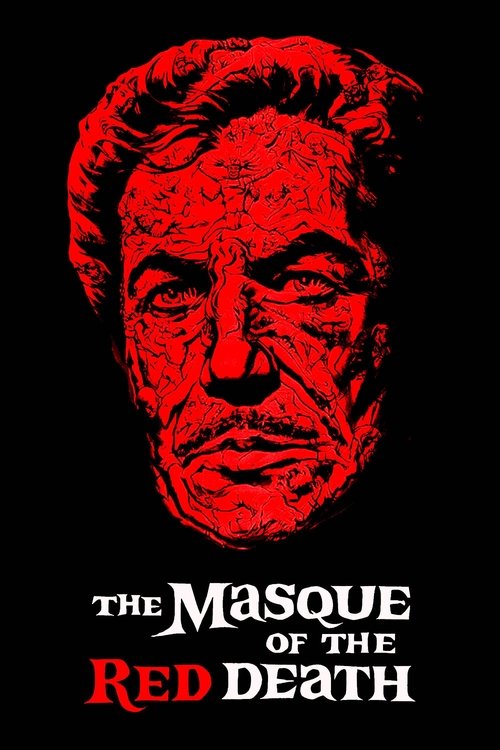
The Masque of the Red Death1964
Corman directing Poe again, this time with even more visual audacity and a larger canvas. A decadent plague-stricken castle where the host's depravity becomes inescapable.
But Deliberately abstract and morally pessimistic. Some find it more interested in looking beautiful than in narrative momentum.
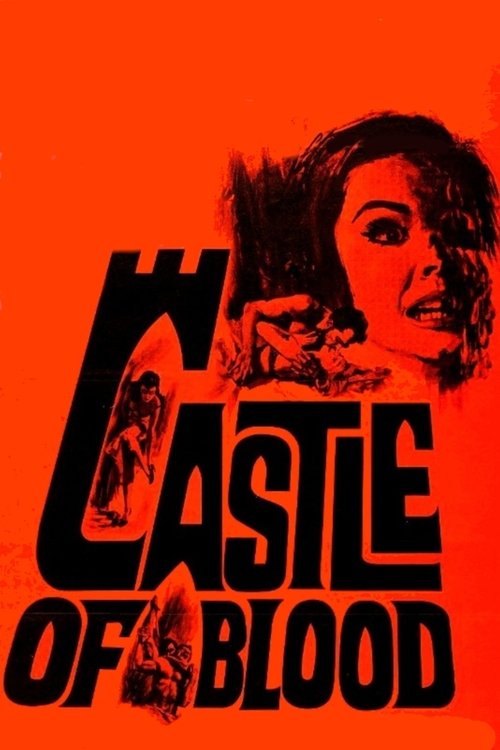
Castle of Blood1964
Barbara Steele (who plays Medina's wife) in her own gothic showcase—a castle, ghosts, and a night of supernatural trials. Same actress, same era, similar commitment to atmosphere.
But It's more straightforward gothic than The Pit and the Pendulum and lacks the psychological depth. The supernatural elements are literal rather than ambiguous.
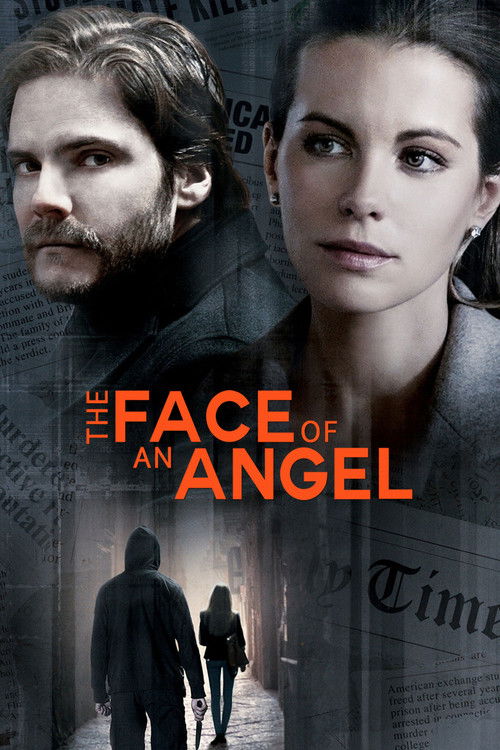
The Face of an Angel2014
Both are about men tormented by their guilt regarding women, and both use visual excess and architectural space to exteriorize psychological states. Both cast doubt on whether the protagonist is sane.
Charlie Hunnam stars in this psychological thriller about obsession, guilt, and the corruption of a beautiful woman's image. Visually baroque, morally murky, preoccupied with whether the protagonist is monster or victim.
But It's a recent film about a recent tragedy, which makes it feel exploitative to some viewers. The execution is uneven and some viewers find it pretentious and hollow.
People
Cast
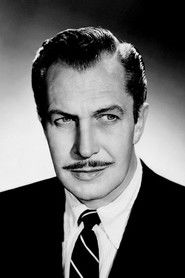 Vincent PriceNicholas Medina / Sebastian Medina
 John KerrFrancis Barnard
 Barbara SteeleElizabeth Barnard Medina
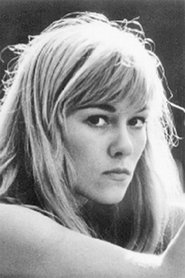 Luana AndersCatherine Medina
 Antony CarboneDoctor Leon
- Patrick WestwoodMaximillian
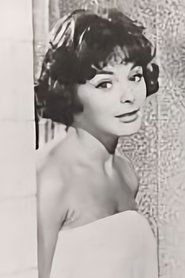 Lynette BernayMaria
- Mary MenziesIsabella
- Charles VictorBartolome
- Larry TurnerYoung Nicholas
 Randee Lynne JensenExtra (uncredited)
Directing
- Jack BohrerAssistant Director
- Roger CormanDirector
- Betty CrosbyScript Supervisor
- Paul RappSecond Unit Director
Writing
- Richard MathesonScreenplay
- Edgar Allan PoeShort Story
Production
- James H. NicholsonExecutive Producer
- Samuel Z. ArkoffExecutive Producer
- Roger CormanProducer
- Jack W. CashProduction Assistant
- Bartlett A. CarréProduction Manager
- Robert AgnewUnit Manager
Recommended by
House of Usher, Charlie Victor Romeo, The Long Hair of Death, The Masque of the Red Death, The Torture Chamber of Dr. Sadism