
Film
House of 1,000 Dolls
A 1967 thriller about white slavery in Tangiers, with Vincent Price presiding over a sinister operation. It's a lurid B-movie with genuine menace underneath the exploitation—stylish, uncomfortable, and more interested in atmosphere than logic. For those drawn to vintage crime pulp with a European setting and a willingness to sit with its moral murk.
If you liked this
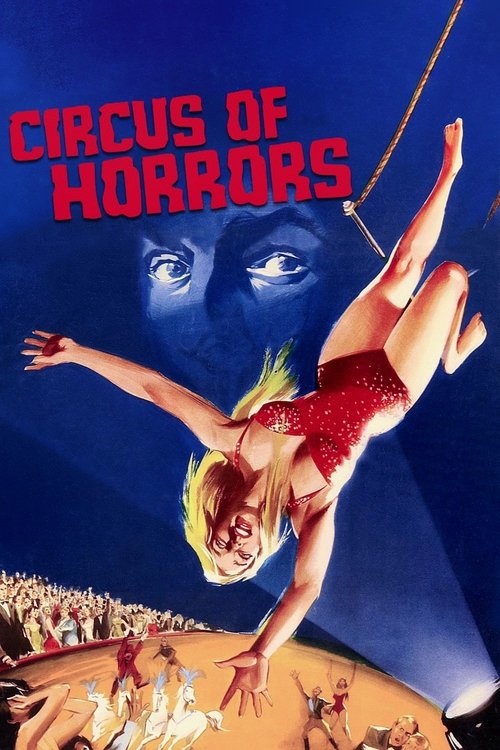
Circus of Horrors1960
A surgeon runs a traveling circus as a front for his schemes. It shares the same carnival-of-crime energy, European locations, and gleeful villainy. Price-adjacent without being Price—just as nasty and twice as weird.
But The plot barely holds together and the dialogue is occasionally risible. If you need internal logic, this will frustrate you.
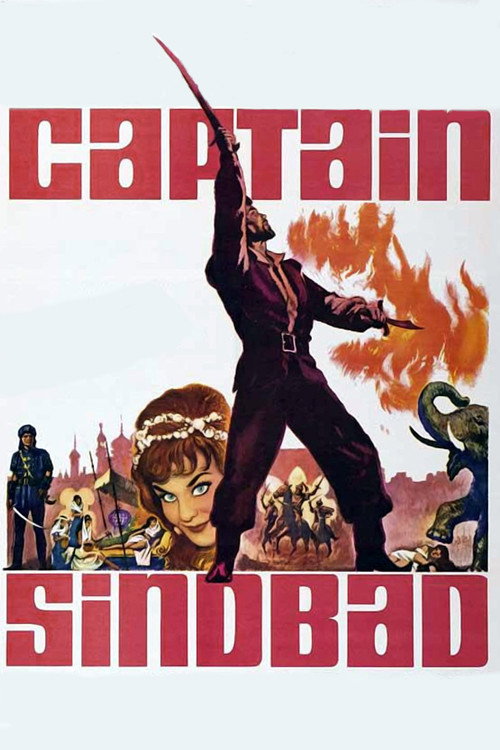
Captain Sindbad1963
Exotic locales, a villain you root for despite yourself, and the same pulpy adventure-noir tone. It understands that a well-dressed mastermind can carry a film even when the story doesn't quite work.
But The special effects are decidedly pre-digital. You'll need to meet it in its own era aesthetically.
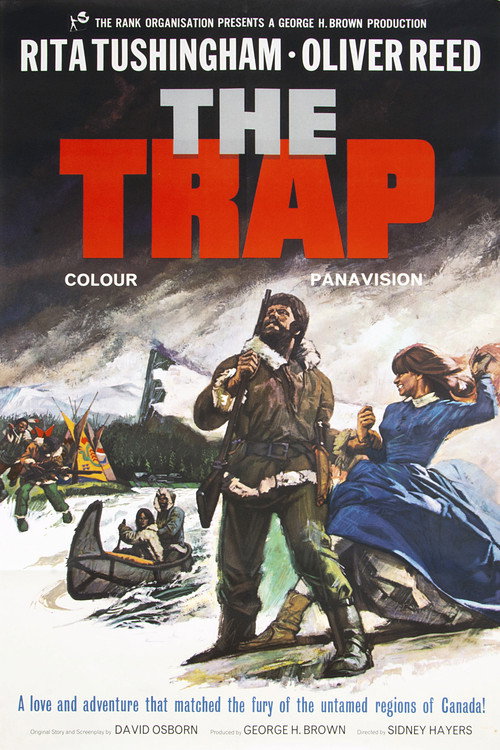
The Trap1966
Another kidnapping-centered European thriller with similar sleaze and stylization. It has Price's energy without his presence, relying on atmosphere and moral ambiguity to unspool a criminal plot.
But The pacing stutters; it's patient to a fault and will test your appetite for slow-burn tension.
Not sure tonight? Get a pick in a minute, starting from House of 1,000 Dolls
The wildcard
Something you would not have found on your own.
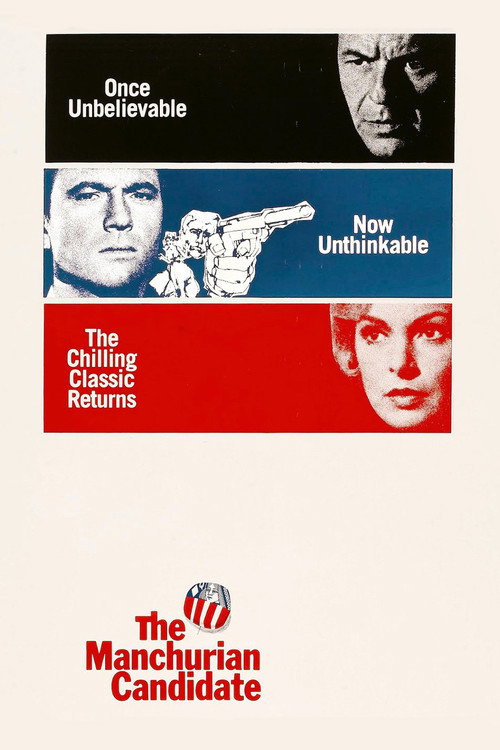
The Manchurian Candidate1962
Both films use an international setting and a captive body as the center of a larger conspiracy. Both ask what happens when power wants to own a person, not just rob them.
Political paranoia thriller with similar European-set passages and the same commitment to moral ambiguity. It's what happens when exploitation meets genuine craft: every frame means something. Laurence Harvey carries the film the way Price does his.
But It's dense with plot and ideology; it rewards watching twice but demands concentration the first time.
More like this (8)
Venom1981
A siege thriller with Klaus Kinski as a villain of impossible charisma. It updates the formula—criminals and hostages colliding—but carries the same perverse fascination with wrongdoing done well.
But It's a product of its decade, which means dated action rhythms and some truly questionable choices about suspense.

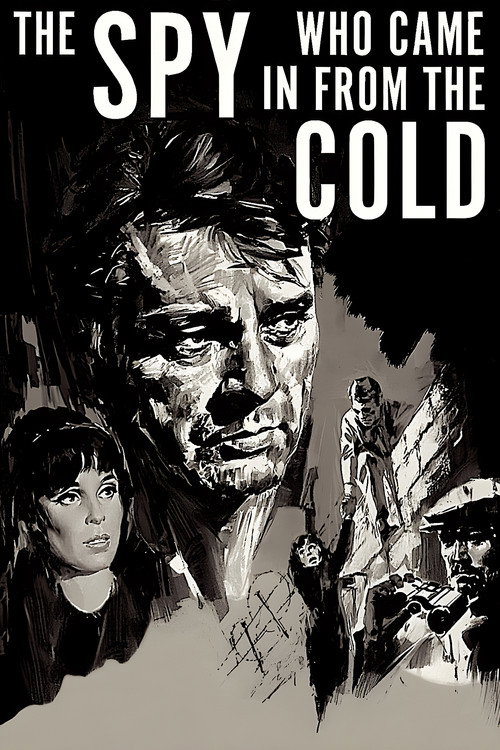
The Spy Who Came In from the Cold1965
Another espionage caper across European borders with genuine menace and moral grayness. It prizes atmosphere and character over plot mechanics, the same trade this film makes.
But It's deliberately unsexy—the opposite of exploitation cinema. Some find that honesty depressing rather than cathartic.
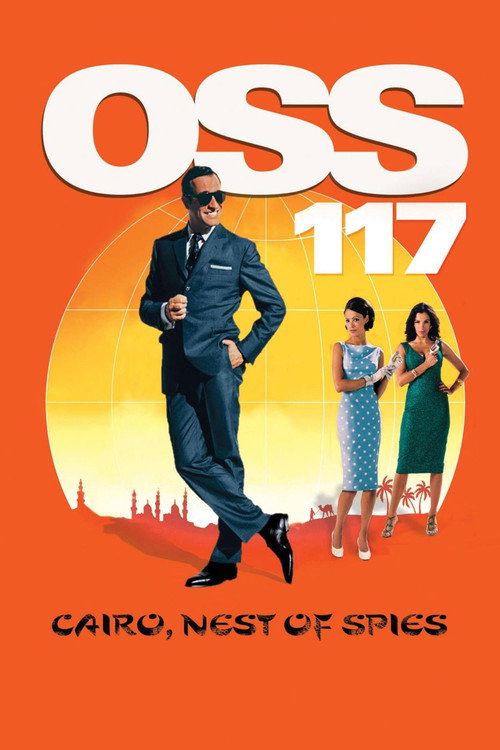
OSS 117: Cairo, Nest of Spies2006
A stylish pastiche of '60s spy thrillers that captures exactly what made them tick: the exotica, the chauvinism, the sheer confidence of pulpy adventure. Genuinely entertaining rather than merely arch.
But The satire will sail past you if you're not steeped in the conventions it's mocking. It assumes you love the thing it's gently roasting.
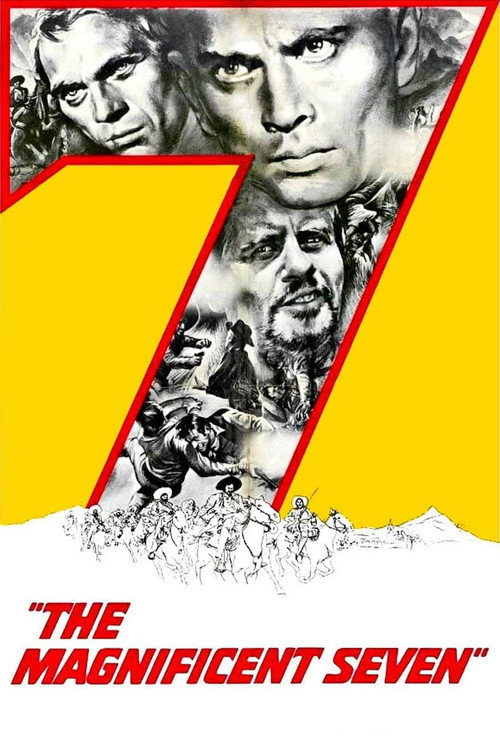
The Magnificent Seven1960
A different flavor entirely, but the same confident B-movie craftsmanship and European co-production polish. It proves the era could deliver narrative satisfaction when it tried.
But It's comfort cinema—a completely different tonal register. You might feel you've seen it already, even if you haven't.
The Third Man1949
The ancestral template for morally compromised men in European cities. It's the film that taught cinema how to make corruption look beautiful. Everything about this film earns its reputation.
But It's in black and white, it moves at 1949's pace, and it trusts you to follow without a map. That demands active attention.

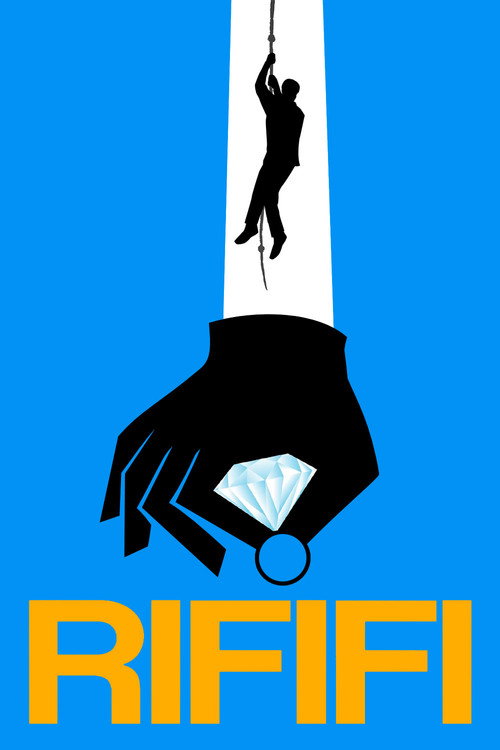
Rififi1955
A French heist picture about criminals who actually think. The craftsmanship is impeccable and the moral texture—crime as work, as skill—informs every frame. This is what professional villainy looks like.
But There's almost no dialogue for stretches. If you need constant exposition and character chat, you'll find it austere.
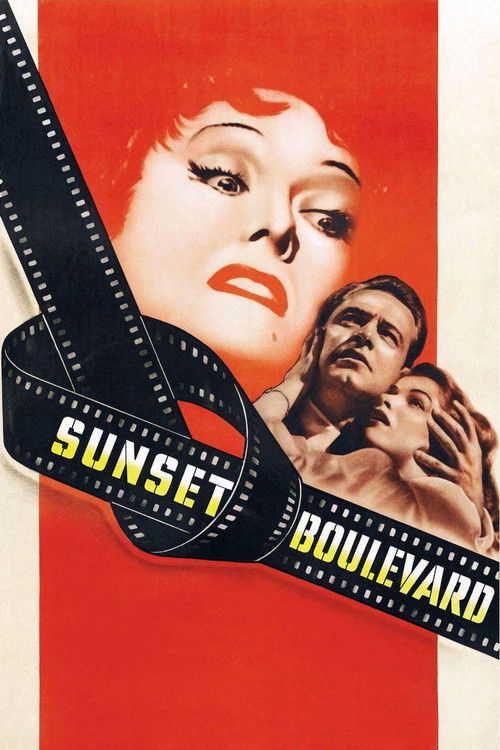
Sunset Boulevard1950
Both center on a beautiful location that's actually a prison, controlled by a figure of magnetic villainy. Both understand that confinement is the real plot.
A Hollywood grotesque about a man trapped in a decaying mansion with a charismatic villain. The atmosphere of decay and control mirrors yours exactly, but Wilder's film is a masterpiece where yours is pure pulp. See what the template looks like when executed perfectly.
But It's in black and white, it's slower, and it has something real to say about fame and delusion. Some find that earnestness overwrought.
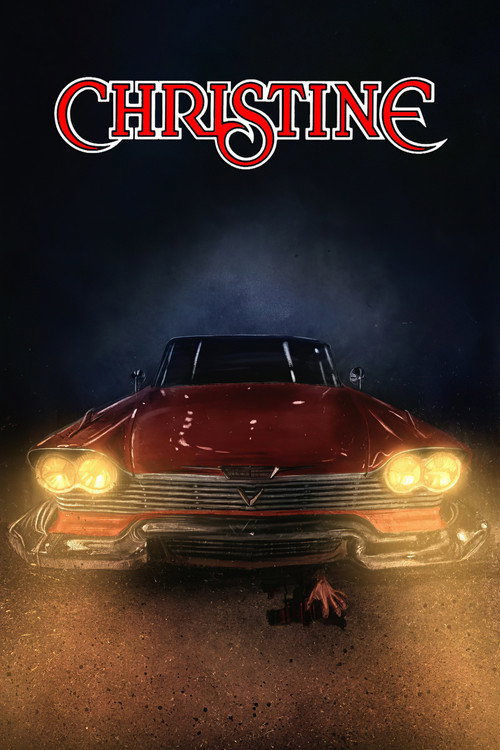
Christine1983
Both films treat a physical space or operation as a living thing with agency and appetite. Both ask: what happens when the trap has a will of its own?
John Carpenter's obsession with objects that own their users—a demonic car instead of a criminal operation, but the same architecture of control and corruption. It's genuinely unsettling without needing to traffic in human suffering. Pulp that earns its dread.
But It's a horror film first; if you're looking for crime-thriller texture you might feel the genre has hijacked the premise.
People
Cast
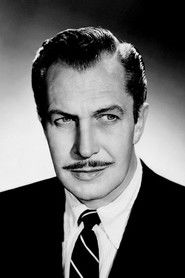 Vincent PriceFelix Manderville
 Martha HyerRebecca
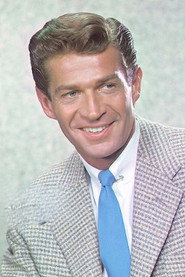 George NaderStephen Armstrong
 Ann SmyrnerMarie Armstrong
 Wolfgang KielingPolizeiinspektor Emile
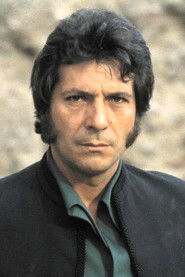 Sancho GraciaFernando
 Maria RohmDiane
 Herbert FuxFotograf Hapu / Abdu
 Kitty SwanDoll
 Yelena SamarinaMadame Viera
 Diane BondLiza
- Luis RiveraPaul
Directing
- Jeremy SummersDirector
- José RoyoScript Supervisor
Writing
- Harry Alan TowersWriter
- María del Carmen Martínez RománWriter
Production
- Louis M. HeywardExecutive Producer
- Harry Alan TowersProducer
- Francisco RomeroProduction Manager
- Tíbor RevesProduction Supervisor