
Film
The Trap
Other titles called The Trap: the 2007 film, the 2015 film, the 2023 film.
A 1966 frontier drama where a solitary French-Canadian trapper takes a mute girl as his unwilling bride, forcing her into his isolated cabin. It's a strange, uncomfortable love story that watches power dynamics shift across a harsh landscape. Rita Tushingham gives a remarkable silent performance. Not quite western, not quite romance—it exists in its own unsettling space.
Should you watch it?
Watch it if you are drawn to bleak, slow frontier stories where the wilderness does the talking and the silences between two wary people carry more weight than the dialogue.
Skip it if you need brisk plotting or a clear moral footing, since this is uneasy, unhurried and makes its discomfort the point rather than softening it for you.
What it asks of you: Under two hours of patient, airless tension, with long stretches of looking and little talk, so it rewards sitting still rather than checking your phone.
Not sure? Find tonight's pick in a minute.
If you liked this
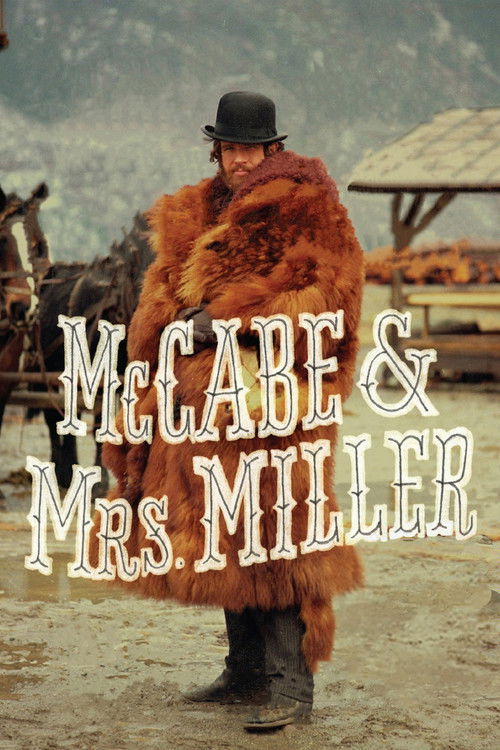
McCabe & Mrs. Miller1971
Robert Altman's revisionist western treats the frontier as a muddy, morally messy place where survival matters more than heroics. Both films strip romance from the landscape and show how harshly people actually lived.
But Deliberately anti-cinematic in style, with overlapping dialogue and a downbeat ending. The pacing will frustrate anyone wanting conventional western thrills.
Johnny Guitar1954
Nicholas Ray's fever dream western puts a woman at the centre of power and violence. Like The Trap, it's fascinated by desire and control in impossible circumstances, and refuses easy answers about either.
But Strange and stagy, with performances that feel theatrical rather than naturalistic. The plot can seem deliberately obscure.

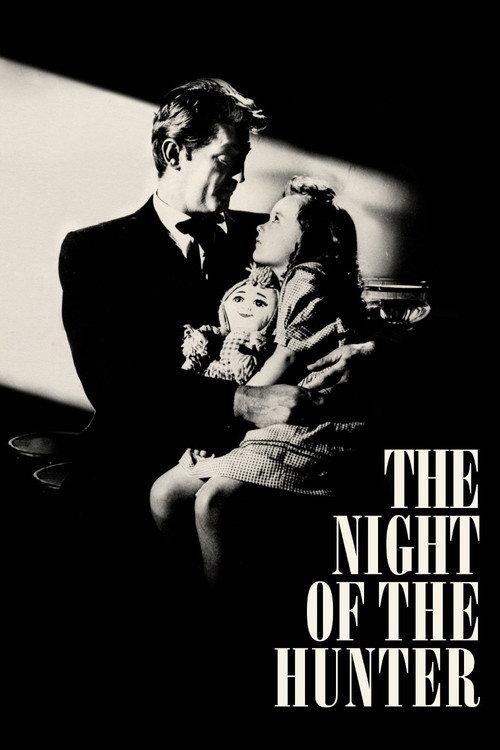
The Night of the Hunter1955
Charles Laughton's only film is a gothic nightmare about predation and survival. Robert Mitchum's preacher hunts children through the darkness with the same relentless inevitability as Reed's trapper pursues Eve.
But Expressionist and deeply artificial. If you want realism or comfort, this will feel like being trapped inside a German Expressionist painting.
Not sure tonight? Get a pick in a minute, starting from The Trap
The wildcard
Something you would not have found on your own.
Stalker1979
Both use isolation and landscape to explore desire, obsession, and whether love can exist between people with fundamentally unequal power. But where The Trap is earthbound and brutal, Stalker is transcendent and philosophical.
Tarkovsky's science fiction odyssey follows a guide leading two men through a mysterious zone toward a room that grants wishes. Hypnotic and slow; the real drama is philosophical and psychological. Both films are about men pursuing women into spiritual or emotional labyrinths.
But 163 minutes of intentional slowness. Long takes, minimal dialogue, metaphysical rather than plot-driven. Requires the kind of patience The Trap demands but offers almost no conventional satisfaction.

More like this (7)
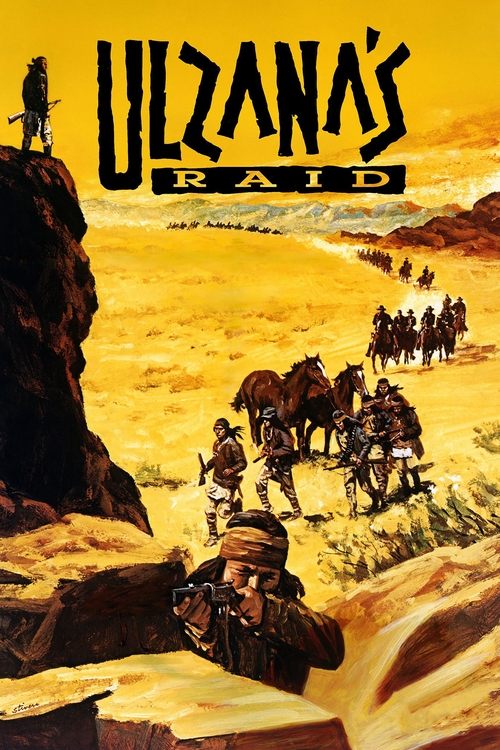
Ulzana's Raid1972
Robert Aldrich film about an Apache raid that refuses sentiment or heroism from either side. Brutal, economical storytelling that respects the intelligence of its audience and the harshness of frontier life.
But Violent and cynical throughout. There's no moral resting place, which some viewers find exhausting rather than illuminating.
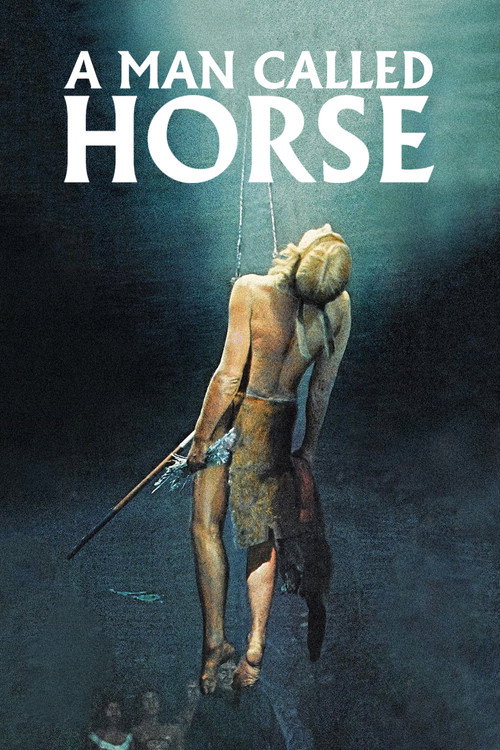
A Man Called Horse1970
Richard Harris as a white man forced into a Sioux tribe explores power, vulnerability and belonging across cultural lines. Both films are interested in what happens when someone is made to belong to a place that doesn't want them.
But Relies on spectacle and authenticity claims that haven't aged perfectly. Slower than most audiences expect from an adventure film.
The Ballad of Little Jo1993
Maggie Sinclair's film about a woman disguised as a man on the frontier is about survival, gender and the lies we live. Like The Trap, it refuses easy sentiment about frontier life and shows how people remake themselves under pressure.
But Low budget and deliberately understated. The restraint that makes it powerful can feel like nothing's happening.

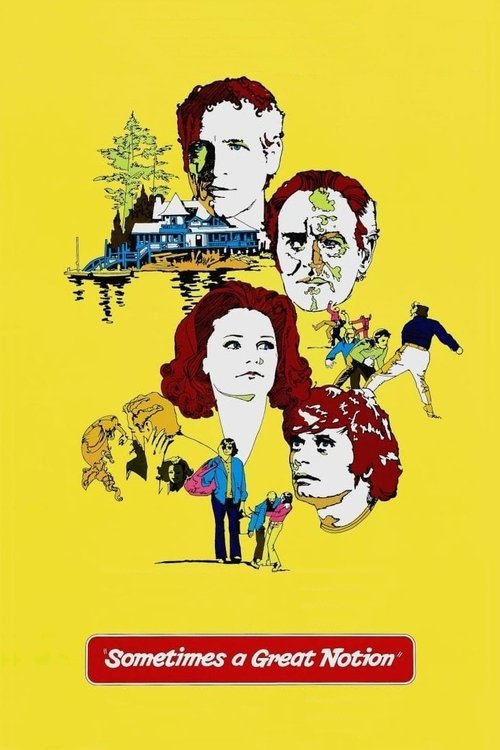
Sometimes a Great Notion1971
Paul Newman in a multigenerational lumber family drama set in the Pacific Northwest wilderness. The landscape is as much a character as any person; family bonds are tested by isolation and stubbornness in ways that echo The Trap's intensity.
But Nearly three hours long and structurally complex with multiple timelines. Requires patience and sustained attention.
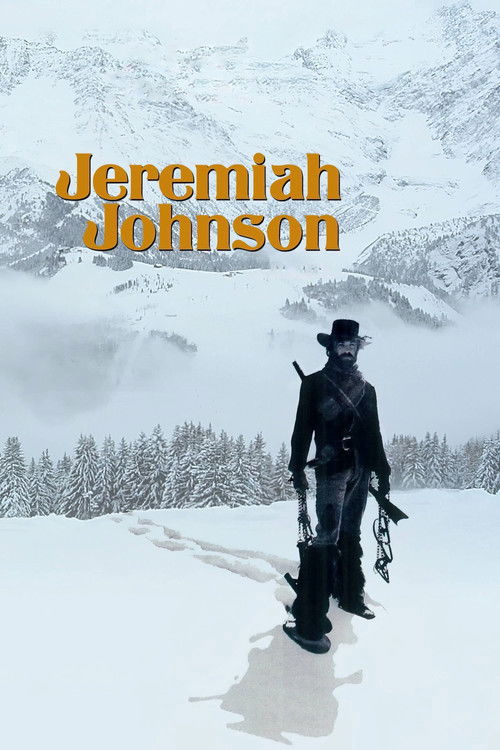
Jeremiah Johnson1972
Robert Redford as a mountain man learning to survive alone in the wilderness. Gorgeously shot meditation on self-reliance and the price of solitude. Both films understand that the frontier isn't freedom—it's a different kind of trap.
But Slow and contemplative rather than dramatically propulsive. The beauty of the landscape matters more than plot momentum.
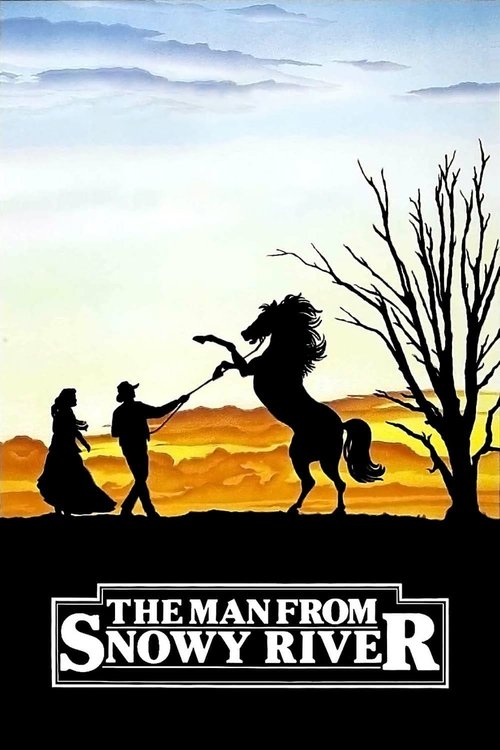
The Man from Snowy River1982
A horseman proves himself in the Australian frontier. Clean adventure storytelling with real horses and landscapes. If you loved The Trap's setting but want something more straightforwardly heroic and less morally complicated.
But Conventionally structured and earnest in ways that might feel simplistic after The Trap's complexity. Pure adventure rather than psychological drama.
La Haine1995
Both films understand that a trap can be physical (a cabin, a housing project) or social (gender, class, nationality). Both refuse to sentimentalize the people caught inside them.
Mathieu Kassovitz's black-and-white film about three young men in a Paris housing project follows them through a day of escalating tension. Like The Trap, it's about people trapped by circumstance, geography and systems they didn't choose. Visceral, angry, and formally brilliant.
But Angry and bleak. The film offers no catharsis or hope. Shot in grainy black-and-white which some find deliberately hostile to comfort.

People
Cast

 Oliver ReedLa Bete
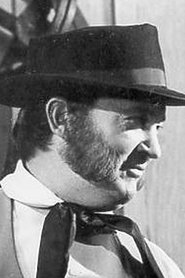 Rex SevenoaksThe Trader
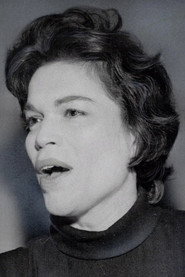 Barbara ChilcottTrader's Wife
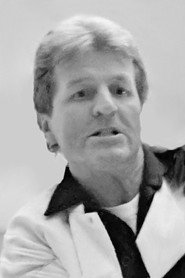 Blain FairmanClerk
- Walter MarshPreacher
- Merv CamponeYellow Dog
 Linda GoransonTrader's Daughter
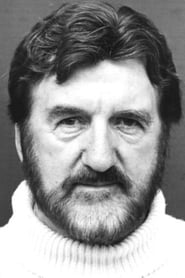 Shay Duffin(uncredited)
Directing
- Sidney HayersDirector
Writing
- David D. OsbornScreenplay
Production
- Jan Darnley-SmithAssociate Producer
- Jack AmmonCasting
- George H. BrownProducer