
Film
Carnage
Two couples meet to discuss their sons' playground fight. What begins as civil conversation unravels into a masterclass in how quickly adults revert to children when pride and wine get involved. Polanski's eighty-minute chamber piece is darkly funny, performed with surgical precision, and occasionally uncomfortable to watch—which is entirely the point.
Should you watch it?
Watch it if you enjoy sharp, talky chamber comedies where civilized people unravel one petty concession at a time, and where the fun comes from the performances and the escalating bickering rather than from plot.
Skip it if you want cinematic variety or a story that moves outside its room; the whole thing plays out in one apartment, and its barbs can feel more repetitive than cutting for some viewers.
What it asks of you: Roughly eighty minutes in a single set, with dialogue doing nearly all the work; you need to stay alert to who is saying what, and the mood sours steadily rather than in bursts.
Not sure? Find tonight's pick in a minute.
If you liked this
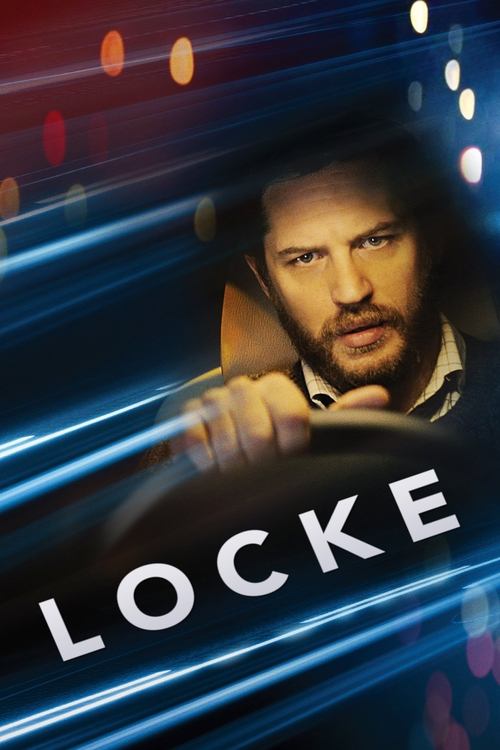
Locke2014
Tom Hardy in a car for ninety minutes, solving problems and unraveling. Like Carnage, it's about one man trying to hold things together while everything falls apart around him, except here the chaos is all interior.
But It's genuinely just a man in a car talking on the phone. If you need plot momentum or visual variety, you will find this punishing.
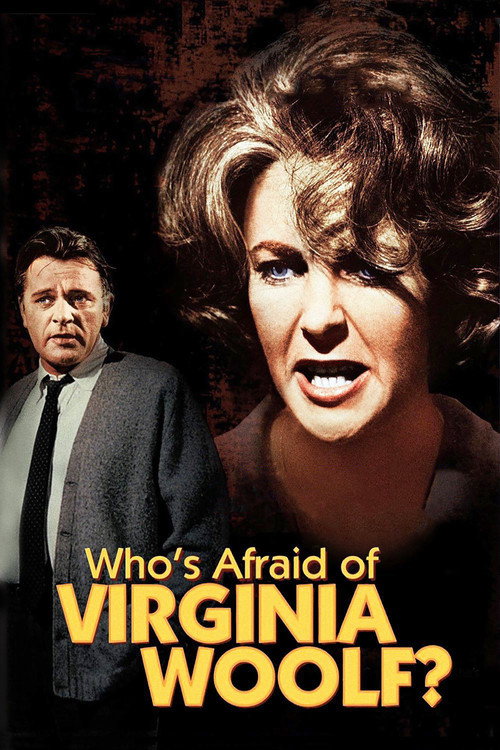
Who's Afraid of Virginia Woolf?1966
The ancestor text. Elizabeth Taylor and Richard Burton eviscerate each other over one boozy night. Same DNA as Carnage—civilized people shedding civility—but with more rage and less dark comedy.
But Nearly three hours of people being cruel. The performances are extraordinary but it's an ordeal; Carnage is a cocktail, this is a bender.
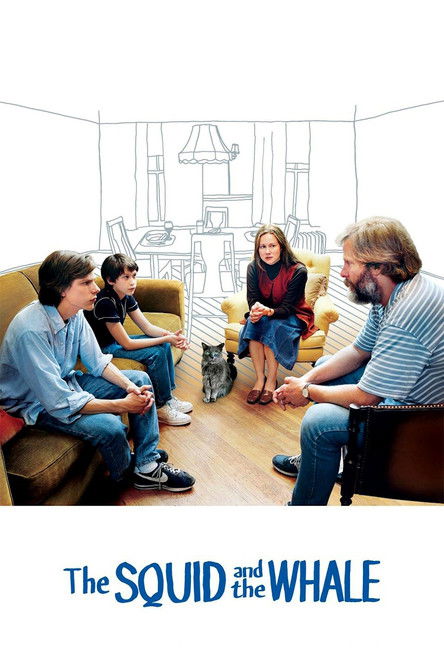
The Squid and the Whale2005
Noah Baumbach's divorce film. The same chaos of adults behaving badly, but seen through the eyes of children watching their parents' civility collapse. Funnier and sadder than Carnage.
But It's melancholy and sometimes mean-spirited toward its own characters. The humor never fully displaces the discomfort of watching a family break apart.
Not sure tonight? Get a pick in a minute, starting from Carnage
The wildcard
Something you would not have found on your own.
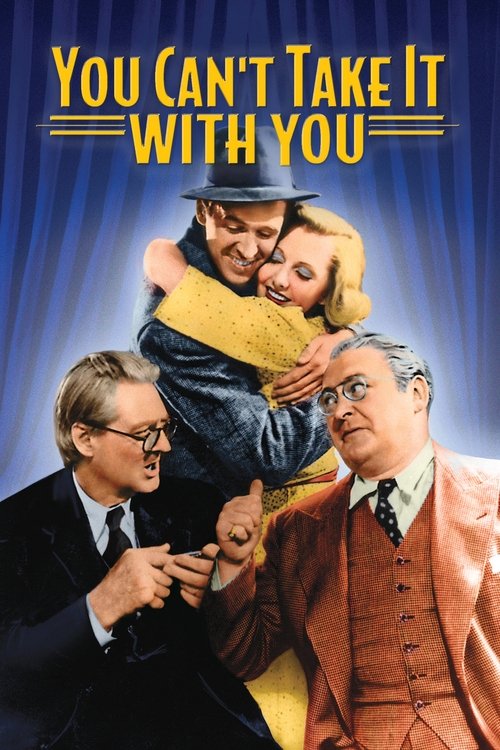
You Can't Take It with You1938
Both are about how quickly domestic order collapses when strangers collide; Carnage takes Capra's chaos and drains the sentimentality, replacing it with dread.
Capra's Depression-era romp where two families collide and chaos erupts. Same essential idea—civility evaporates when families meet—but it's joyful and anarchic rather than savage. The spiritual ancestor that Carnage inverts.
But It's eighty-five years old and deeply sentimental. Modern audiences sometimes find Capra's optimism mawkish, and the pacing belongs to 1938, not 2011.
More like this (6)
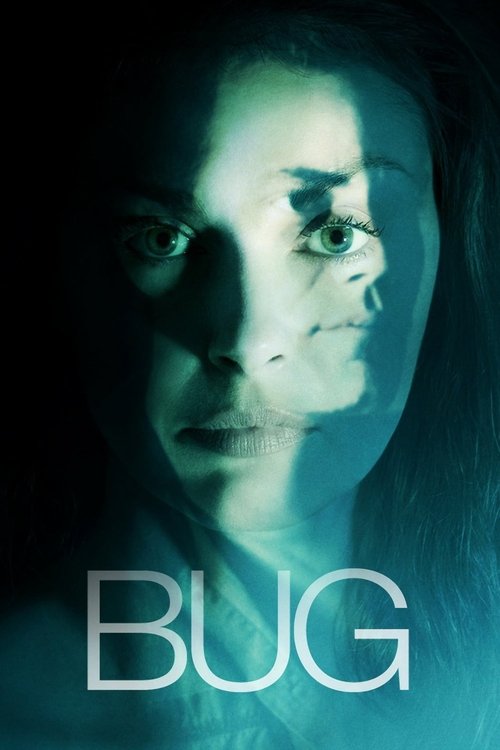
Bug2007
William Friedkin directs Michael Shannon and Ashley Judd in a two-hander that spirals from intimacy into paranoia and violence. Like Carnage, it's actors and confinement, but it goes somewhere genuinely dark.
But It's aggressively unpleasant and claustrophobic. Carnage has lightness; this does not. The descent becomes genuinely upsetting.
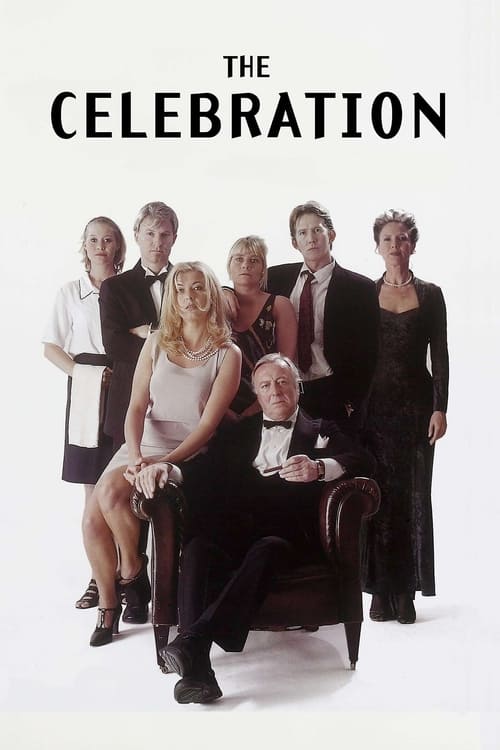
The Celebration1998
A family gathering where secrets explode. Danish, shot on digital video, completely unvarnished. Same chaos of civility cracking, but it's a full family dinner party and the stakes are immeasurably higher.
But It's brutal and bleak. Carnage is a tragicomedy; this is a family horror film. Watching family members turn on each other in such a raw way is difficult.
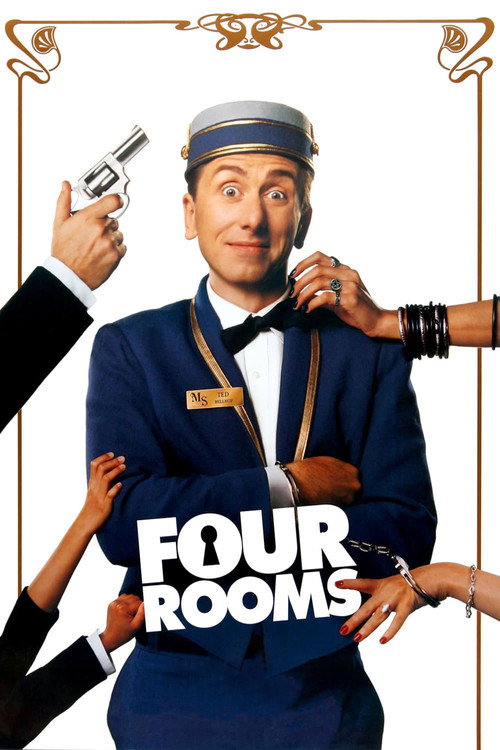
Four Rooms1995
Quentin Tarantino and Robert Rodriguez on one night in a hotel. Like Carnage, it's contained, escalating, and obsessed with how quickly situations spiral. It has more humor and movement but the DNA is there.
But It's dated in a particular late-90s way and the humor is uneven. Some bits will land and others will feel indulgent or thin.
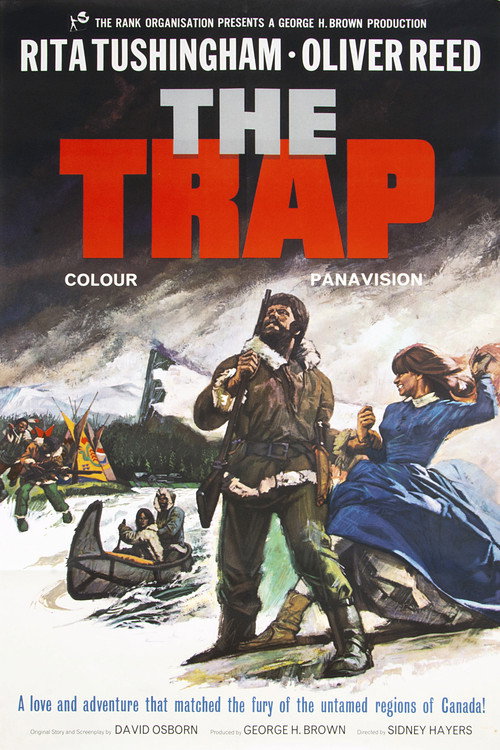
The Trap1966
Rita Tushingham and Oliver Reed in a British New Wave chamber piece about two people in a room. Contained, claustrophobic, and the tension builds the same way—through conversation and proximity.
But It's obscure for a reason. The pacing will feel glacial if you're expecting Carnage's momentum, and the emotional payoff is subtle.
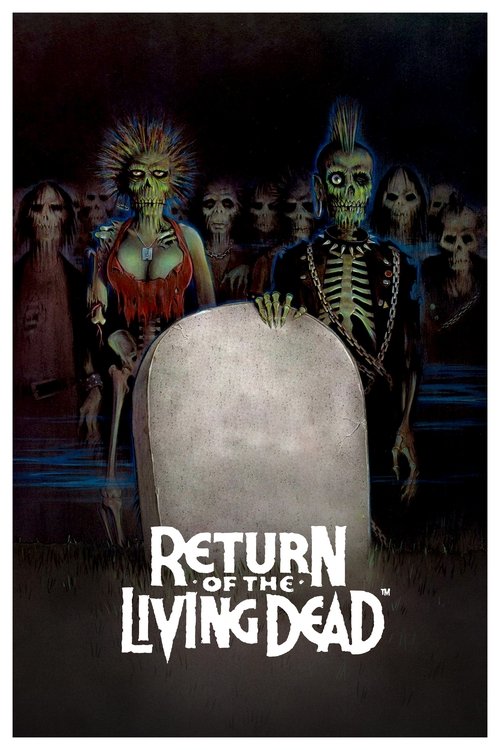
The Return of the Living Dead1985
Structure and escalation. Both films understand how to manage a contained space and ratchet tension through a series of increasingly absurd confrontations, but Carnage uses wine and wounded pride where this uses undead and punk rock.
A zombie comedy where strangers trap themselves in one location and the night devolves into total chaos. Same escalation pattern as Carnage—each scene worse than the last—but the stakes are literal survival and the tone is campy horror-comedy.
But It's B-movie trash with practical gore and low production value. If you're expecting sophisticated European cinema, you'll be watching punks fight zombies instead.
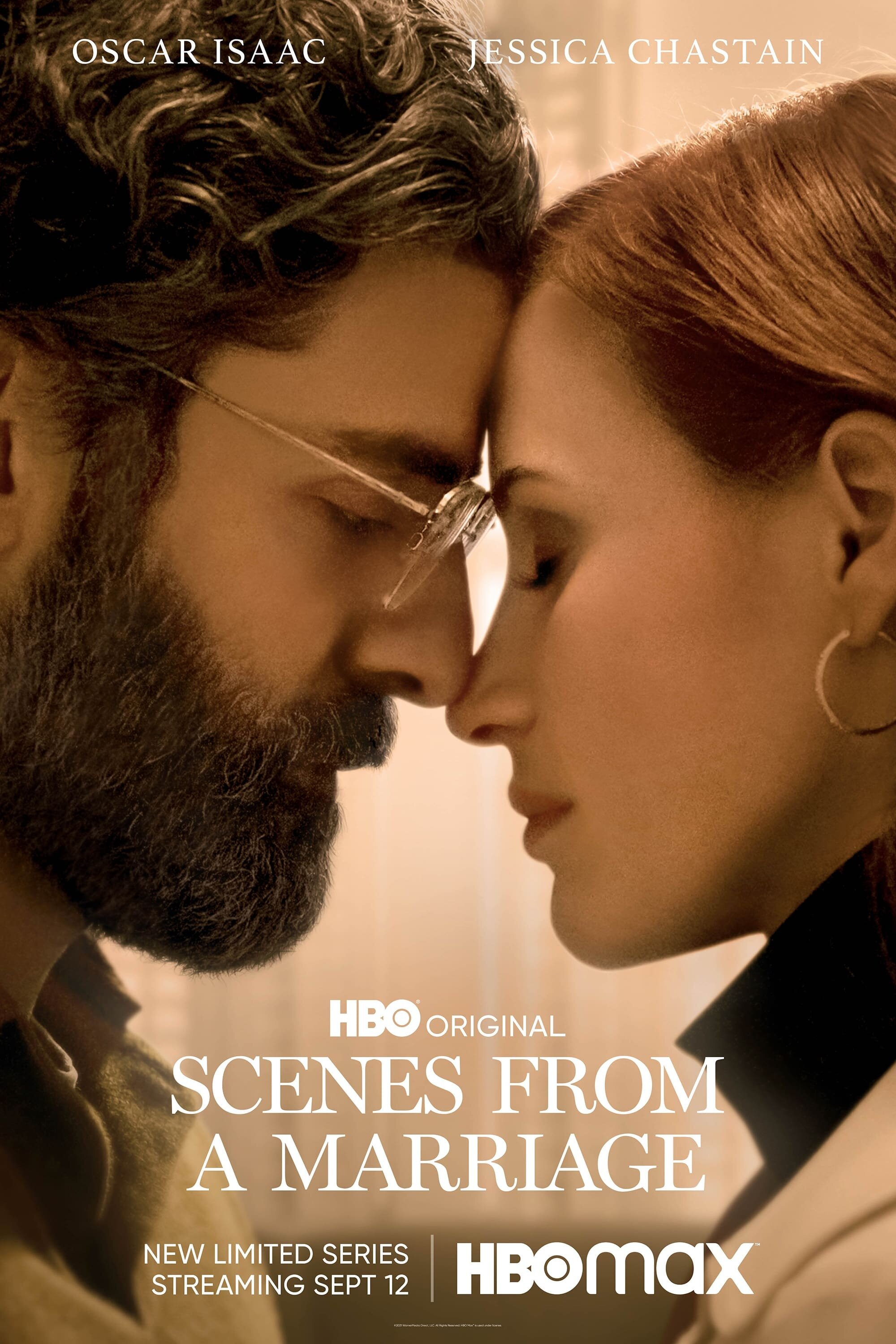
Scenes from a Marriage2021
Both isolate couples to explore how quickly affection turns to contempt; Carnage compresses Bergman's epic into eighty minutes and makes it funny, but the anatomy of relationships breaking apart is identical.
Bergman's six-hour television series—really a play about marriage collapsing over years. Carnage is one dinner party; this is the slow-motion version. Both are masterclasses in how intimacy becomes weaponry and how people hurt those closest to them.
But It's six hours of Swedish conversation. Bergman doesn't offer catharsis or resolution, just the grinding unhappiness of two people trapped in a room. It's bleak and repetitive by design.
People
Cast
 Jodie FosterPenelope Longstreet
 Kate WinsletNancy Cowan
 Christoph WaltzAlan Cowan
 John C. ReillyMichael Longstreet
 Elvis PolanskiZachary Cowan
 Eliot BergerEthan Longstreet
 Joseph RezwinWalter (voice)
 Nathan RippyDennis (voice)
 Tanya LopertMichael's Mother (voice)
 Julie AdamsSecretary (voice)
 Lexie KendrickJogger (voice) (uncredited)
 Roman PolanskiNeighbor
Directing
- Roman PolanskiDirector
- Ralph RemstedtFirst Assistant Director
- Anna ZenowiczScript Supervisor
- Sylvette BaudrotScript Supervisor
- Caroline VeyssièreSecond Assistant Director
Writing
- Roman PolanskiScreenplay
- Yasmina RezaScreenplay
- Yasmina RezaWriter
Production
- Geneviève AcienAdditional Casting
- Valérie EspagneAdditional Casting
- Eva GarridoAssociate Producer
- Marisa Fernández ArmenterosAssociate Producer
- Fiona WeirCasting
- Jaume RouresCo-Producer
- Martin MoszkowiczCo-Producer
- Oliver BerbenCo-Producer
- Piotr ReischCo-Producer
- Javier MéndezExecutive Producer
- Frédéric BlumLine Producer
- Saïd Ben SaïdProducer
- Géraldine SérafiniProduction Coordinator
- Vincent LefeuvreUnit Manager
Recommended by
The Celebration, Who's Afraid of Virginia Woolf?, Force Majeure, Locke, Jean de Florette, Funny Ha Ha, Abigail's Party, A Late Quartet, Bodied, Hope Springs, The Party, The Dinner, The Decline of the American Empire, The Caine Mutiny Court-Martial, The Booth at the End, The Dinner Party, The Comedian, Murphy's Romance, Miss Julie, Trigger, A Master Builder, The Dinosaur Project, King Lear, ATM, The Forgiven, Hedda Gabler, Marie and Bruce