
Film
Marie and Bruce
A couple's relationship implodes across one Manhattan day in this caustic, unsparing comedy-drama. Julianne Moore and Matthew Broderick tear into each other with surgical precision and filthy wit. It's smart, mean, and genuinely funny—a portrait of two people who know exactly how to wound each other because they know each other too well. For viewers who love dialogue that bites.
If you liked this
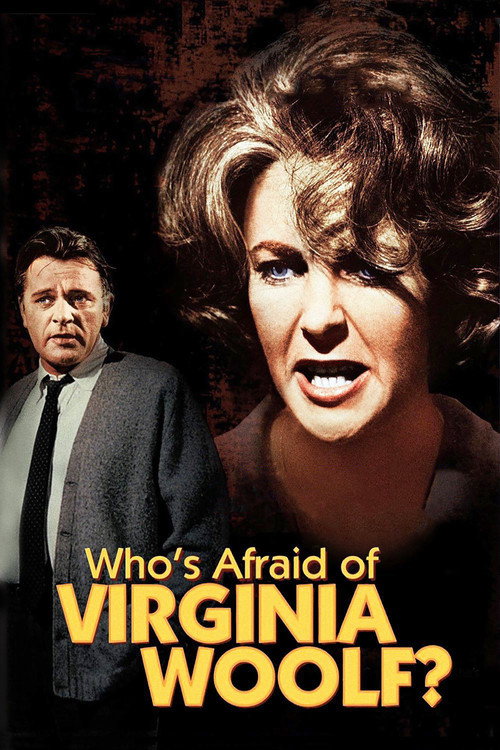
Who's Afraid of Virginia Woolf?1966
A couple tears into each other across one alcohol-soaked night with savage wit and precise cruelty. It's the template for intelligent, intimate destruction—and Mike Nichols made it devastatingly funny without softening the anger.
But Black and white, theatrical staging, and nearly three hours of unrelenting hostility. It's exhausting by design, and there's no relief valve.
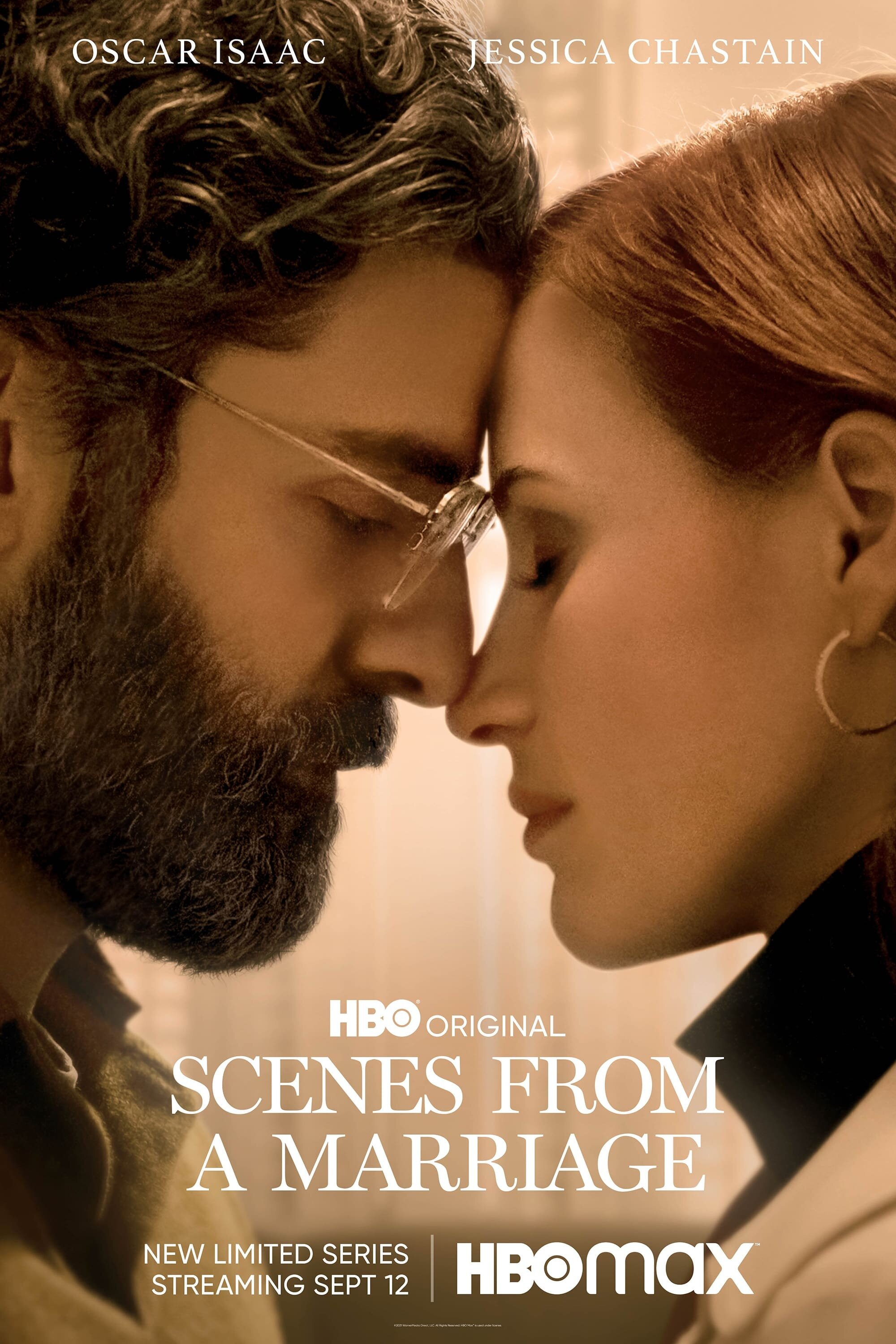
Scenes from a Marriage2021
Bergman's miniseries follows a couple's relationship across years in excruciating detail. It shares Marie and Bruce's precision about how two people know exactly where to hurt each other, but with more tenderness underneath.
But Glacially paced and emotionally bleak. The dialogue can feel repetitive, and there's no plot to carry you through the pain.
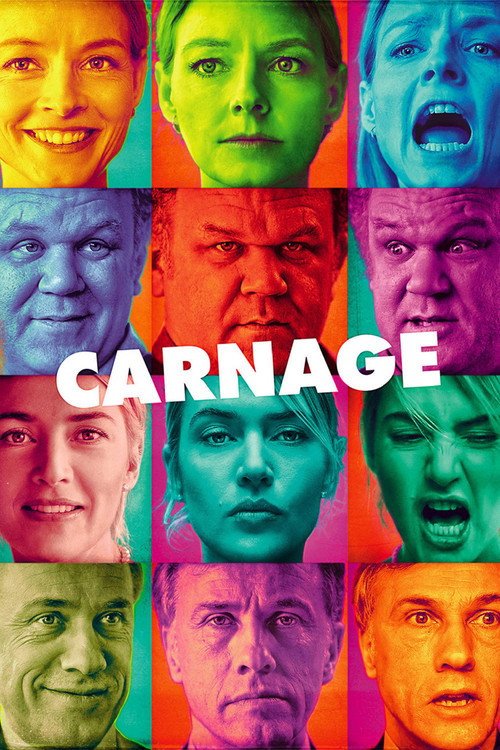
Carnage2011
Four adults in one room after a schoolyard incident, and the politeness cracks to reveal savagery underneath. Like Marie and Bruce, it's a real-time dissection of how civilized people really behave when the mask slips.
But Claustrophobic and stagey—Polanski never opens it up. And the ending feels a bit easy after the mess that precedes it.
Not sure tonight? Get a pick in a minute, starting from Marie and Bruce
The wildcard
Something you would not have found on your own.
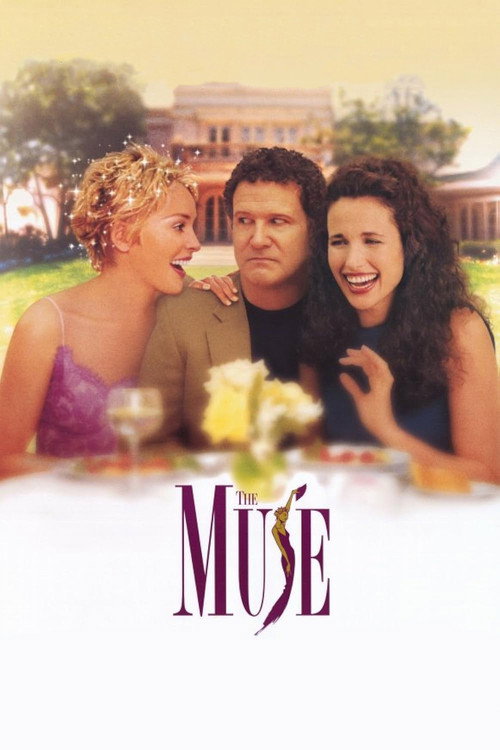
The Muse1999
Both are about couples whose communication has calcified into performance, and both use sharp dialogue and absurdist humor to expose how little connection actually remains.
Albert Brooks plays a blocked screenwriter whose wife hired a muse to fix his marriage. It's acid about relationships and showbiz desperation, with dialogue that snaps like Marie and Bruce's, and Brooks' desperate face doing half the work.
But Deeply uneven—some scenes land and others die. The gender politics haven't aged well, and the third act trades wit for plot convenience.
More like this (8)
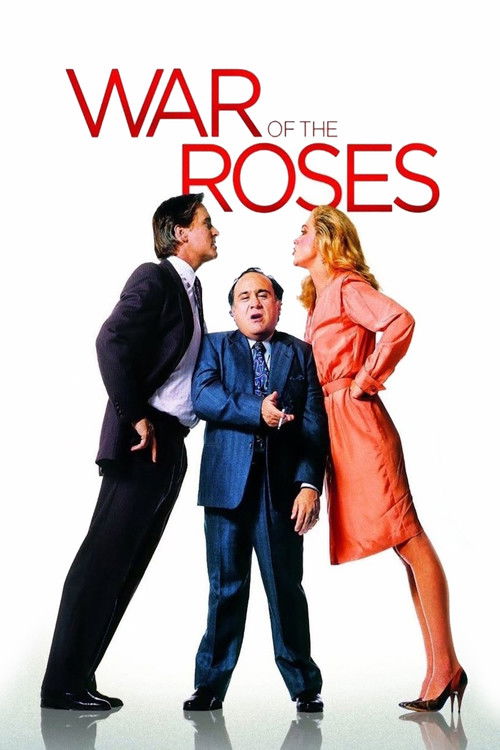
The War of the Roses1989
A marriage told backwards from destruction to meeting, finding comedy and genuine horror in how tenderness curddles into contempt. It's dark in a way that stayed with audiences for years.
But Slips into melodrama in the final act. The violence starts to overwhelm the character work that made it sting.
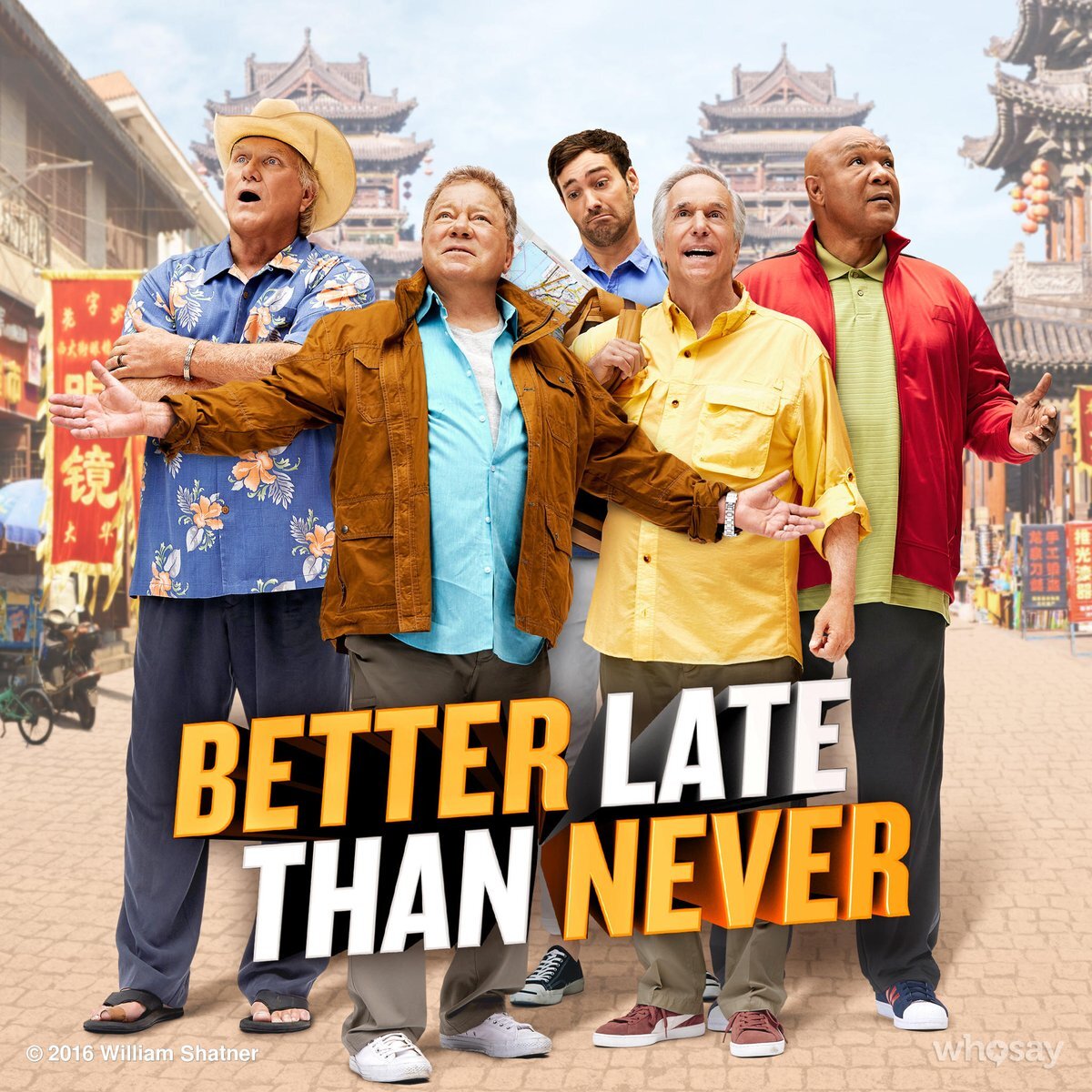
Better Late Than Never2016
Two people revisit their old relationship in one long night of brutal honesty and unexpected laughter. The dialogue is sharp and wounded, and it understands the specificity of how couples weaponize intimacy.
But Very low-key and deliberately small-scale. If you want plot or momentum, you won't find either.
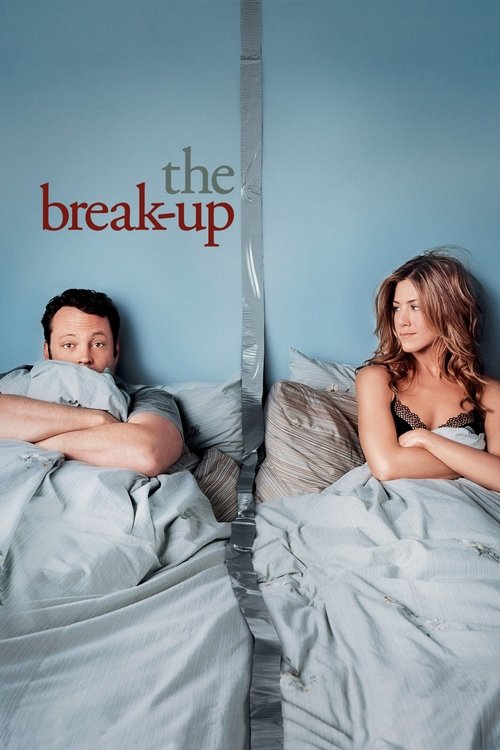
The Break-Up2006
A couple dating in Chicago hits a wall and has to decide if they're leaving. It has real anger underneath the comedy—less vicious than Marie and Bruce, but genuinely interested in incompatibility.
But Veers into romantic-comedy convention when the film most needs to stay cynical. The ending undercuts everything you watched before it.
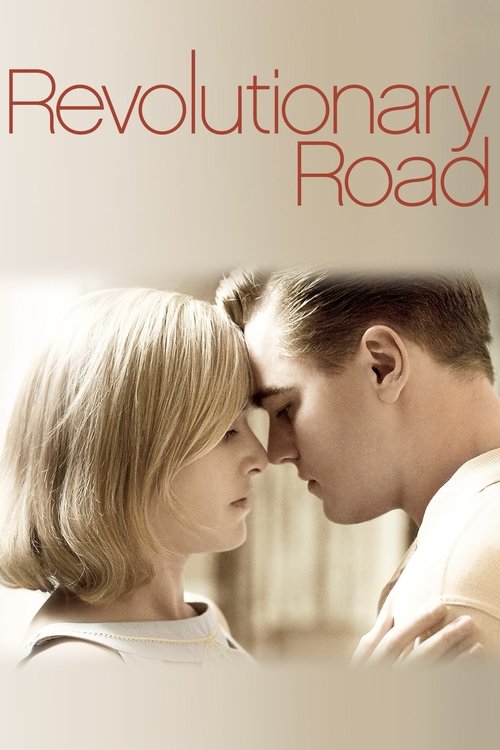
Revolutionary Road2008
Kate Winslet and Leonardo DiCaprio as a couple suffocating in the 1950s suburbs, their resentment building until it explodes. The dialogue has that same precision about how well partners understand each other's vulnerabilities.
But Heavy-handed in its symbolism, and the period detail can feel like decoration. It's less funny about the cruelty than it thinks it is.
In the Mood for Love2000
Wong Kar-wai's film about two neighbors who discover their spouses are having an affair. It's oblique and painterly where Marie and Bruce is direct and ugly, but both understand the architecture of attraction and betrayal.
But Glacially slow, deeply stylized, and the emotional core is implied rather than stated. If you want directness, this is the opposite.

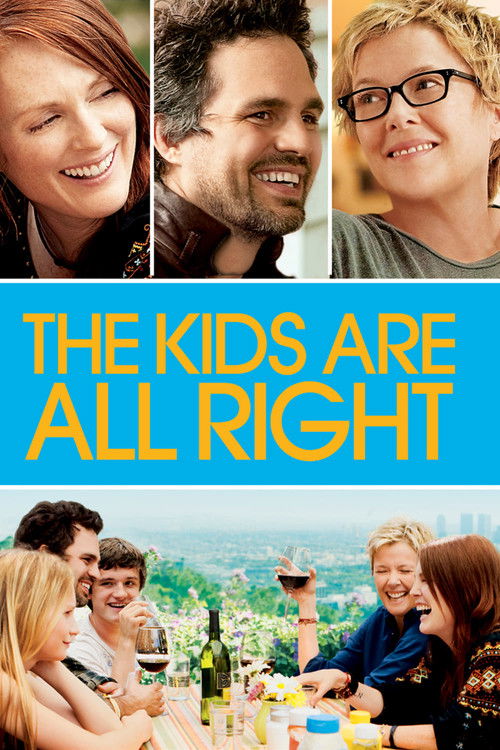
The Kids Are All Right2010
Two women in a long-term marriage have their equilibrium disrupted. It's warmer than Marie and Bruce but interested in the same question: how do people hurt each other inside long commitment?
But More feel-good than caustic. It lets everyone off easier than the premise threatens, which some viewers will find reassuring and others will find dishonest.
Synecdoche, New York2008
Both understand that intimate relationships are the place where identity dissolves, and both refuse to make that dissolution comfortable or clear.
Charlie Kaufman's film about a theater director whose wife leaves him, and his descent into solipsistic confusion about identity and love. It's strange and formally audacious—nowhere near a conventional couple's drama, but devastated by the same questions.
But Bewilderingly complex, sometimes incomprehensible, and depressing to the point of texture. It requires patience and multiple viewings, and some viewers will find it pretentious rather than profound.

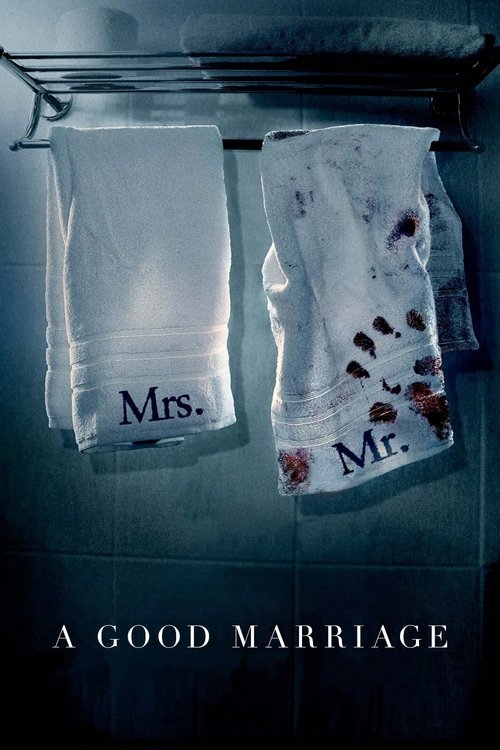
A Good Marriage2014
Both films hinge on the idea that marriage is a performance we maintain, and that revealing what's underneath can collapse the whole structure.
Joan Allen and Anthony LaPaglia as a couple married thirty years—until she discovers his secret. It's a genre shift into psychological thriller, but like Marie and Bruce, it's about how little you can know the person you've committed your life to.
But The twist simplifies what the film should keep complex. Once the secret is revealed, it becomes more conventional thriller than character study, and that deflates the careful unease.
People
Cast
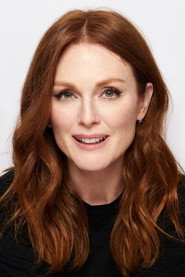 Julianne MooreMarie
 Matthew BroderickBruce
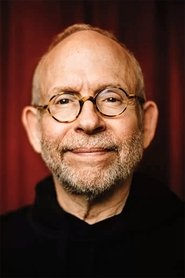 Bob BalabanRoger
 Tom Riis FarrellFrank
 Campbell ScottTommy
 Griffin DunneBert

 David Aaron BakerAntione
 Emily Cass McDonnellBettina
 Kenneth LonerganHerb
 Julie HagertyParty Guest at Frank's
Directing
- Tom CairnsDirector
Writing
- Tom CairnsScreenplay
- Wallace ShawnScreenplay
- Wallace ShawnTheatre Play
Production
- Juliet TaylorCasting
- Patricia Kerrigan DiCertoCasting
- Kelly MillerCo-Producer
- Kimberly ReissCo-Producer
- Amy RobinsonExecutive Producer
- David NewmanExecutive Producer
- Jonathan CavendishExecutive Producer
- Joseph CarusoExecutive Producer
- Julianne MooreExecutive Producer
- Nesim HasonExecutive Producer
- Ron GellExecutive Producer
- Sezin HasonExecutive Producer
- Joseph ZolfoLine Producer
- George VanBuskirkProducer