
Film
King Lear
Other titles called King Lear: the 1970 film, the 1988 film.
- Drama
- Very dark
Laurence Olivier's final Shakespearean film: a stripped-down, ferociously acted King Lear that treats the play as intimate psychological drama rather than spectacle. Shot for television but feels claustrophobic and urgent. For anyone who thinks Shakespeare on screen has to be either stuffy or overblown, or who's ready to sit with real human wreckage.
If you liked this
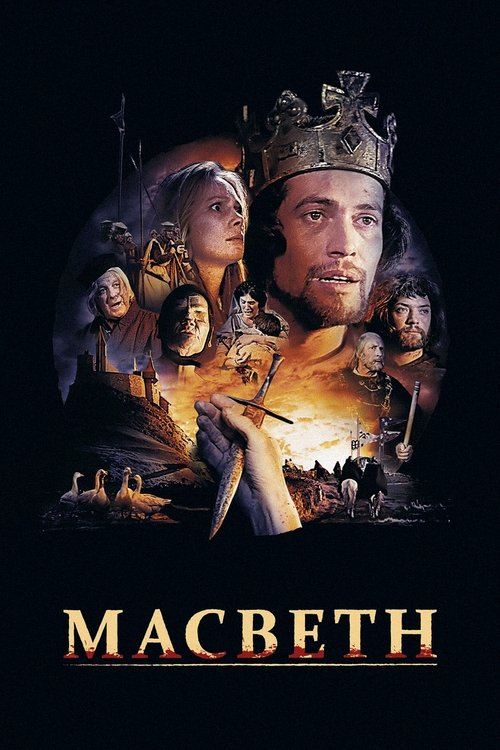
Macbeth1971
Roman Polanski's version is equally unflinching about power and descent into madness. Raw, violent, beautifully composed—it trusts Shakespeare's language while making it visceral and immediate. Another masterwork by a great director in his prime.
But It's bleak and graphic in ways that can feel punishing. Some find the relentless atmosphere exhausting rather than cathartic.
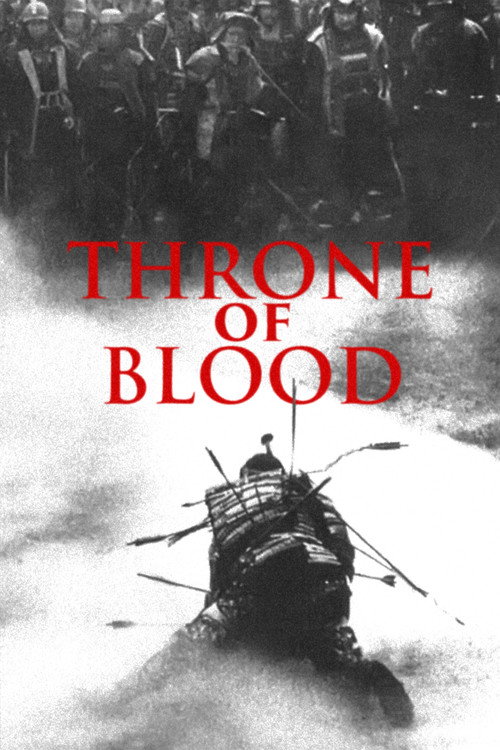
Throne of Blood1957
Kurosawa's Macbeth transposed to feudal Japan—proof that Shakespeare's architecture of ambition and descent survives translation into a completely different world. Visual magnificence paired with devastated human performance.
But It requires adjustment if you're expecting recognizable language. Some see the cultural displacement as distancing rather than illuminating.
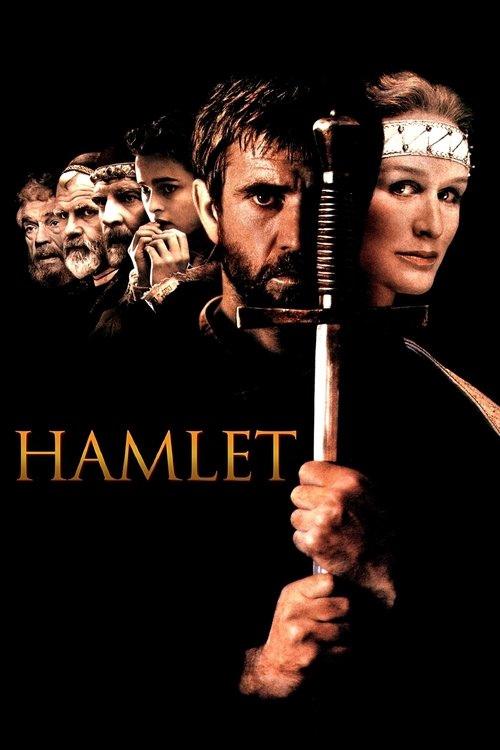
Hamlet1990
Franco Zeffirelli's version with Mel Gibson gives you a Hamlet who feels like a real person in real pain, not a symbol. Beautifully shot, emotionally raw, supported by Glenn Close and Alan Bates at their best.
But Zeffirelli makes significant cuts and choices that purists resist. Gibson's performance won't work for everyone—too contemporary for some, not Shakespearean enough.
Not sure tonight? Get a pick in a minute, starting from King Lear
The wildcard
Something you would not have found on your own.
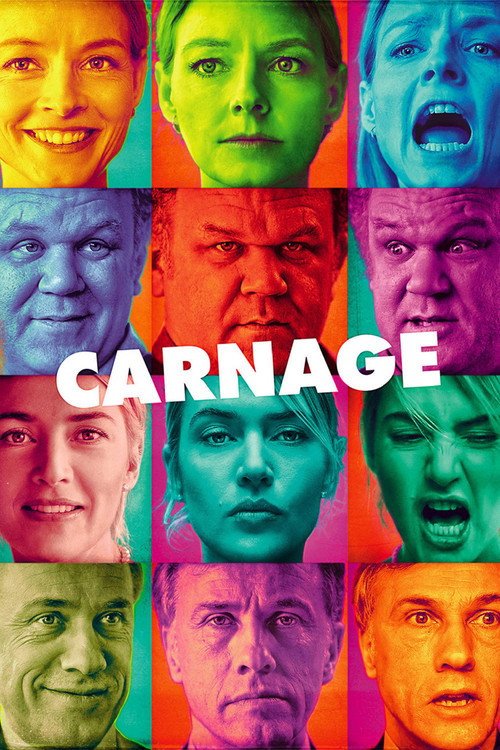
Carnage2011
Both are about the collapse of civilization when people abandon the restraints that hold them together. Polanski directs both; both feature elaborate verbal performances that become weapons.
Polanski's adaptation of Yasmina Reza's play: four civilized people trapped in a room as civility collapses into raw appetite and rage. Structurally it's a pressure cooker where Lear is a collapse, but the engine is identical—social order as a thin mask over chaos.
But It's claustrophobic and increasingly ugly. The artificiality of the one-room setting is never disguised, which some find theatrical in an off-putting way.
More like this (6)
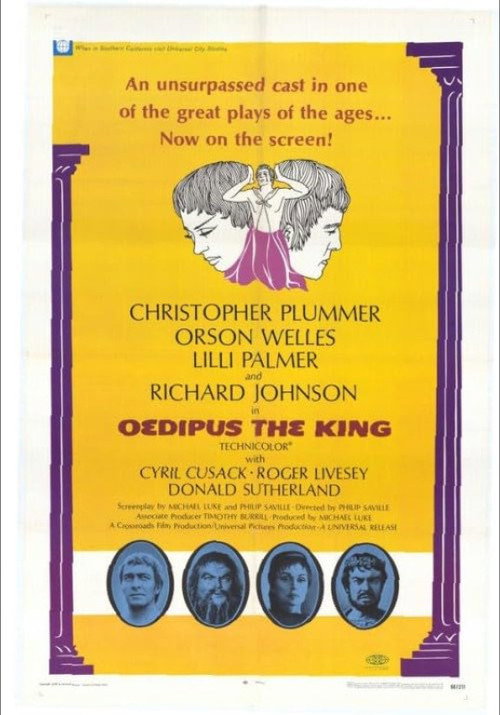
Oedipus the King1968
Pasolini's stark, ritualistic adaptation of another play about a man who brings catastrophe on himself through blindness and pride. Similar themes to Lear but even more austere and operatic. The moral weight is immense.
But It's extremely slow and deliberately artificial in style. If you want naturalism or emotional catharsis, this offers something more austere.
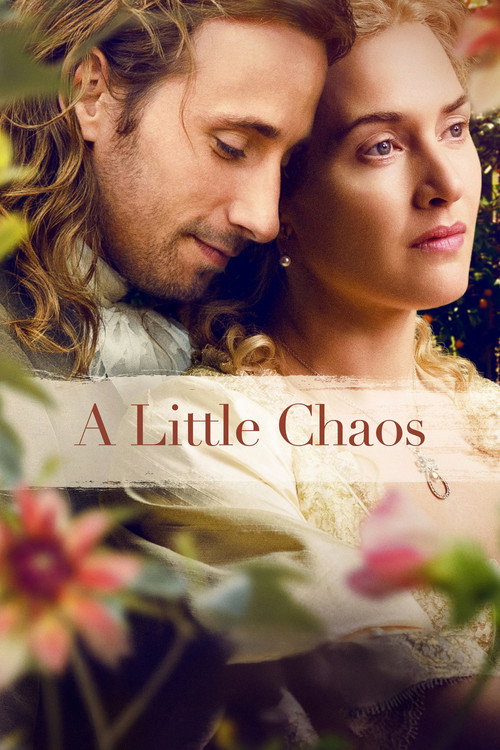
A Little Chaos2015
Kate Winslet and Matthias Schoenaerts in a story about power, desire, and the people who suffer when the powerful make decisions. More tender than Lear, but genuinely wise about human folly and consequence.
But It's a quieter film than you might expect. The emotional payoff is subtle, which some find rewarding and others find insufficient.
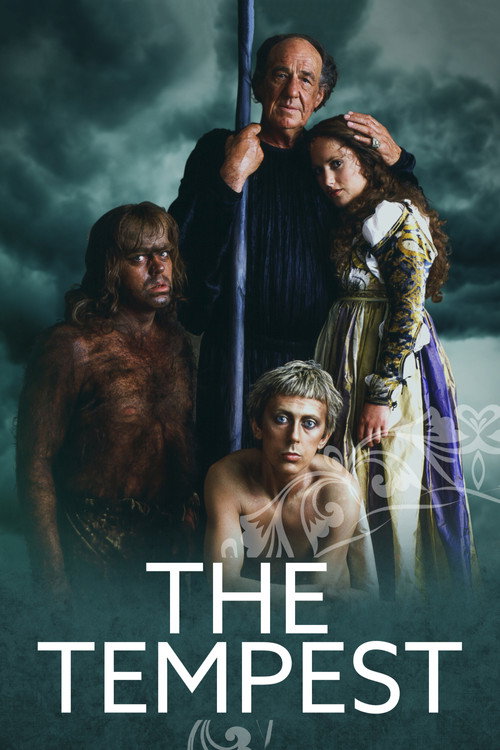
The Tempest1980
Derek Jarman's visually sumptuous, deliberately theatrical take on Shakespeare's final play. Olivier himself appears. It's about power, forgiveness, and the limits of human control—thematic kin to Lear but inverted in tone.
But Jarman's style is aggressively artificial and experimental. The camp sensibility and formal excess actively repel some viewers.
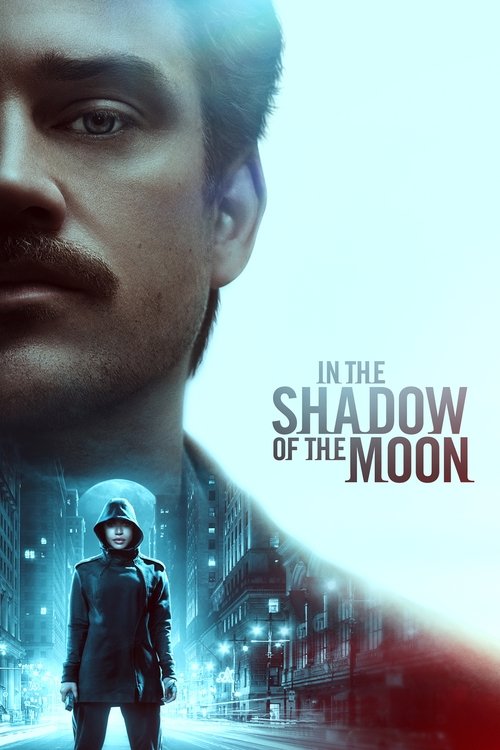
In the Shadow of the Moon2019
A documentary about Apollo astronauts that becomes, unexpectedly, about aging men confronting what their ambitions cost them. Not Shakespeare, but the arc of pride and consequence and the passage of time mirrors Lear in ways that will surprise you.
But It's a documentary about space exploration, not a drama. The connection requires patience to see, and some find the form fundamentally different enough to be distracting.
Come and See1985
Both are unflinching explorations of human wreckage—what a person looks like when everything has been taken or surrendered. Both refuse false comfort or recuperation.
A Soviet film about a boy's loss of innocence during WWII: a study in descent into psychological devastation more complete and punishing than almost any narrative film made. If Lear is about a man destroyed by his own choices, this is about a child destroyed by circumstances.
But It is genuinely difficult to watch—images and sounds that are deliberately traumatizing. Not a film you enjoy; you endure it and are changed by it.

La Haine1995
Both are about what happens when a society's hierarchy becomes unquestionable and those at the bottom are not permitted to be heard. Both end in irreversible damage that could have been prevented by listening.
Mathieu Kassovitz's portrait of three young men in the Paris suburbs contains Lear's tragedy: inevitable catastrophe triggered by a system that divides the powerful from the powerless, the listened-to from the unheard. Fury and poetry in equal measure.
But It's angry, violent, and structurally bleak in ways that can feel didactic. The politics are overt, which turns some away; others feel the style is more important than substance.

People
Cast
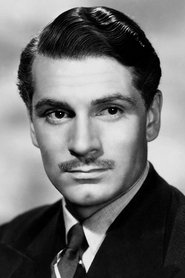 Laurence OlivierKing Lear
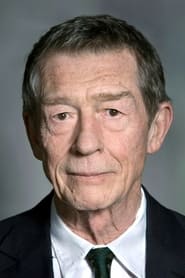 John HurtThe Fool
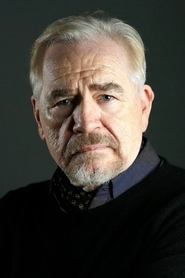 Brian CoxBurgundy
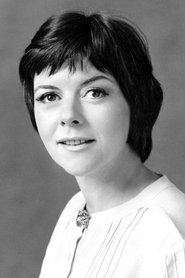 Dorothy TutinGoneril
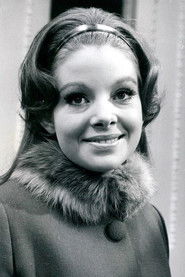 Anna Calder-MarshallCordelia
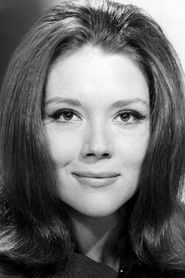 Diana RiggRegan
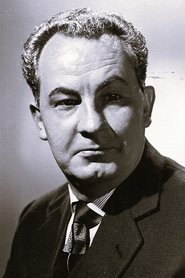 Leo McKernGloucester
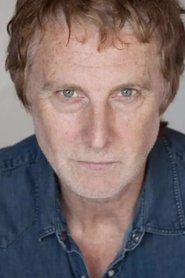 David ThrelfallEdgar
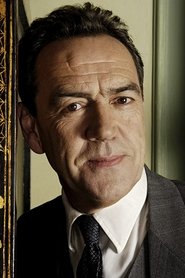 Robert LindsayEdmund
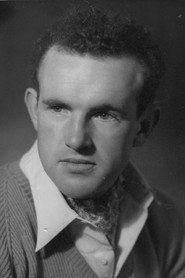 Colin BlakelyKent
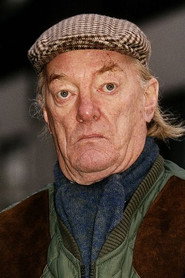 Jeremy KempCornwall
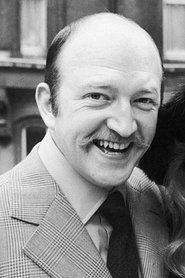 Robert LangAlbany
Directing
- Michael ElliottDirector
Writing
- William ShakespeareTheatre Play