
Film
Timon of Athens
- Drama
- Very dark
Jonathan Pryce leads this 1981 BBC adaptation of Shakespeare's harshest play, a rapid descent from lavish generosity to bitter isolation. Timon is betrayed by everyone he's trusted, and the play offers no redemption—only the question of whether misanthropy is madness or the only sane response to human nature. It's bleak, angry, and urgent.
If you liked this
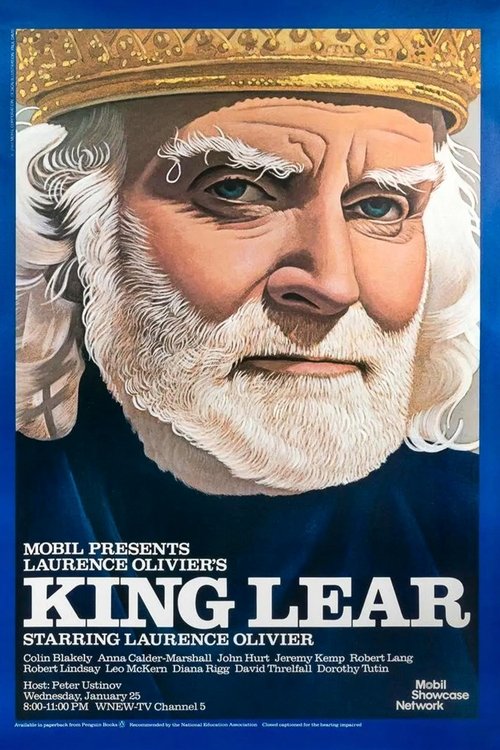
King Lear1983
Laurence Olivier's final film role, another Shakespearean study of betrayal and madness. The raw vulnerability of a powerful man undone by those closest to him will devastate you. Essential viewing.
But Very long, very heavy, very sad. Olivier is elderly and sometimes difficult to hear. Not a film that leaves you feeling restored.
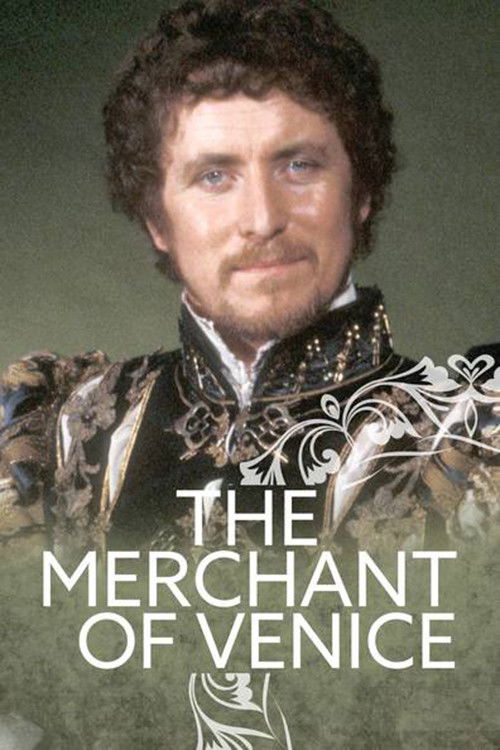
The Merchant of Venice1980
Jonathan Pryce again, in Shakespeare's other portrait of friendship corroded by money. Where Timon is all rage, this explores the cost paid silently. Tense, perfectly acted, morally complicated.
But The play's treatment of Shylock is troubling. The BBC production doesn't dodge it, which is honest but uncomfortable.
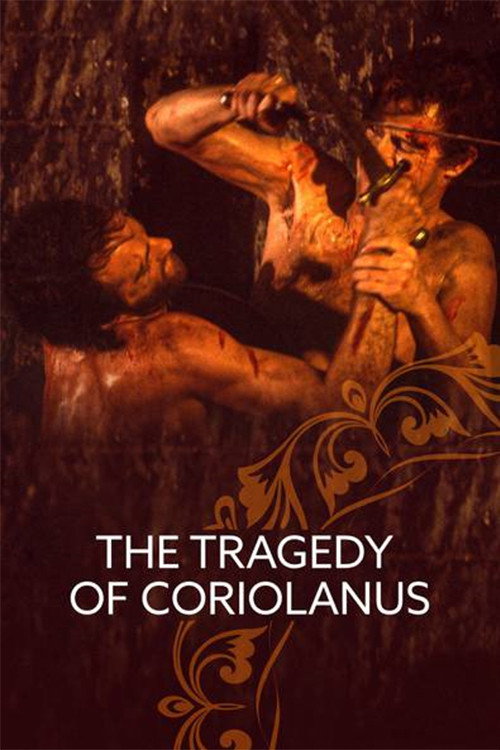
The Tragedy of Coriolanus1984
Ralph Fiennes' later film version (or this earlier BBC take) shows another protagonist destroyed by his inability to connect with people. Similar mood: contempt, isolation, and the impossibility of compromise.
But Also bleak and unresolved. If Timon left you wanting catharsis, you won't find it here either.
Not sure tonight? Get a pick in a minute, starting from Timon of Athens
The wildcard
Something you would not have found on your own.
Requiem for a Dream2000
Both are structured as descents with no rescue or redemption. The generosity and hope at the start make the desolation real. Both ask: is it better to withdraw than to be destroyed?
Aronofsky's film is about addiction and the betrayal of the self—a modernized Timon where the misanthropy is internal. Everyone here destroys themselves chasing a version of connection that doesn't exist. Visually and emotionally relentless.
But Extremely distressing. Graphic drug use, sexual desperation, body horror. It's designed to be difficult. Not cathartic; punishing.

More like this (8)
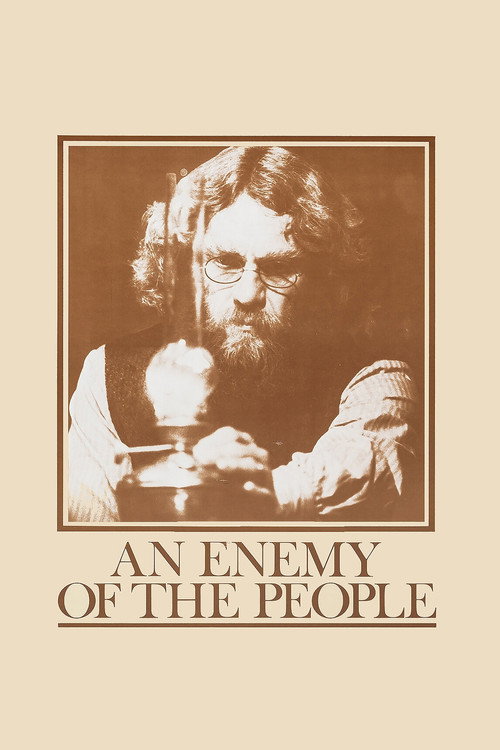
An Enemy of the People1978
Ibsen's play about a man whose truth-telling destroys him socially. Like Timon, it asks whether principled rage is heroic or self-defeating. Tighter plot, more modern sensibility.
But Ibsen's dialogue can feel stiff to modern ears. The ideological weight is heavy.
The Ballad of Little Jo1993
A woman abandoned by society finds freedom in deception and isolation. It's a gender-flipped, frontier-set echo of Timon's retreat—but with surprising warmth underneath the bitterness.
But Slow and deliberate. Period detail matters more than plot momentum. Some will find it static.

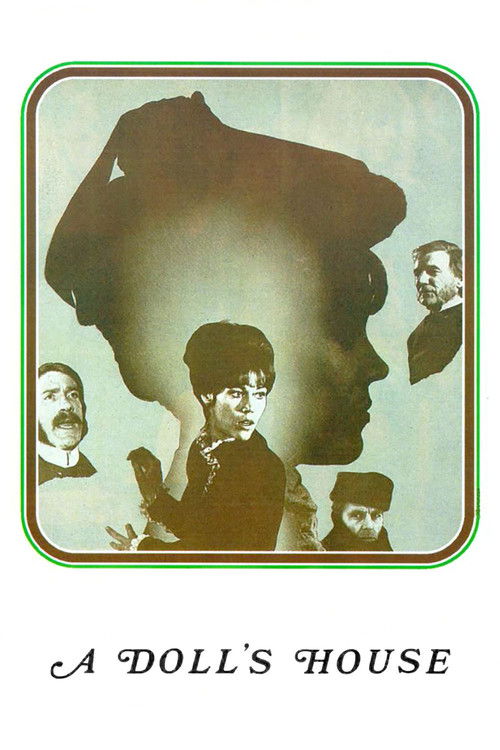
A Doll's House1973
Claire Bloom in Ibsen's study of betrayal within intimacy. Nora's shock at discovering who her husband really is mirrors Timon's disillusionment, though she acts on it.
But Stagy and theatrical. Feminist political tract first, human drama second—which is the point, but not everyone's preferred balance.
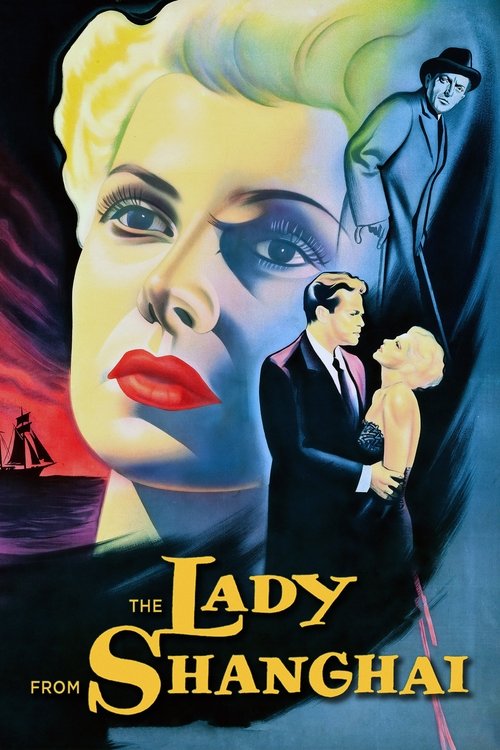
The Lady from Shanghai1947
Orson Welles' baroque film noir about a man destroyed by beautiful people and their money. Timon as hard-boiled thriller: betrayal, paranoia, the impossibility of escape.
But Wildly artificial and sometimes incoherent. Visual style overwhelms story. Either thrilling or exhausting depending on your mood.
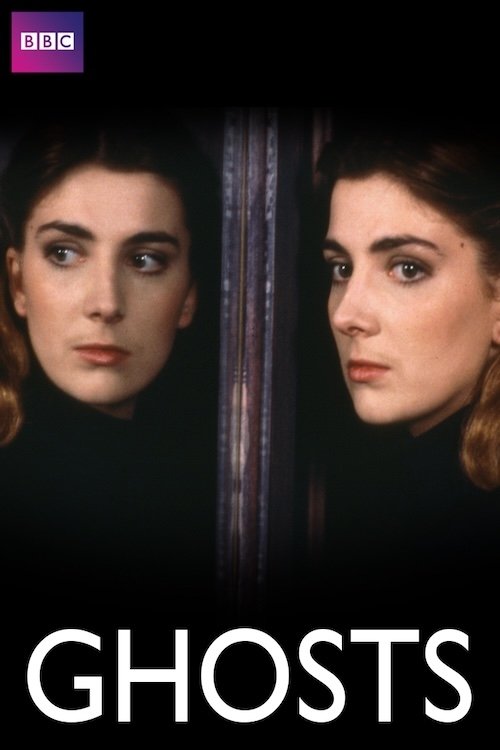
Ghosts1987
Ibsen's bleakest work: a family haunted by secrets and lies, discovering that their entire life was built on betrayal. The emotional devastation is genuine and unflinching.
But Very slow. Dialogue-heavy. Claustrophobic and depressing in ways that feel almost punitive.
The Killing of a Chinese Bookie1976
Cassavetes' existential noir about a man caught between the world and himself. Like Timon, it's about the failure of connection and the strange dignity of self-destruction.
But Improvised, rambling, deliberately unshowy. Many will find it boring and self-indulgent. The plot is thin.

In the Mood for Love2000
Both explore the impossibility of human connection—one through rage, one through restraint. Both suggest that sometimes the kindest thing is to withdraw.
Wong Kar-wai's opposite argument: two people in love who never touch, never speak of it. Where Timon gives everything and gets nothing, this is about wanting everything and allowing nothing. Achingly beautiful and quiet.
But Deliberately slow and repetitive. The beauty can feel cold. Plot is minimal. Requires patience and a willingness to sit with longing rather than resolution.

Come and See1985
Both are radical, uncompromising descents into misanthropy. Both refuse to offer you comfort. Both suggest that sometimes seeing the truth clearly means you cannot unsee it or recover from it.
Elem Klimov's Soviet war film: a boy's complete loss of faith in humanity and the world. Like Timon, it's a total rejection of human goodness, but earned through apocalyptic horror rather than social betrayal. Unbearably powerful.
But Extremely graphic violence and child trauma. Deeply nihilistic. One of the most difficult films ever made. Not entertainment; endurance test.

People
Cast
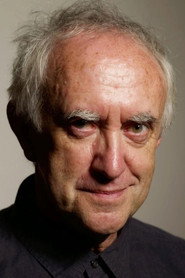 Jonathan PryceTimon
 John FortunePoet
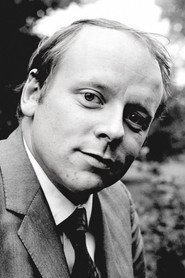 John BirdPainter
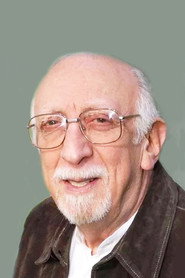 Tony JayMerchant
- David KinseyJeweller
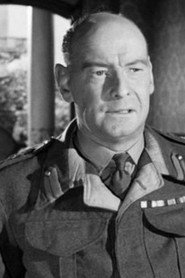 John WelshFlavius
 Sebastian ShawOld Athenian
- Max ArthurLucilius
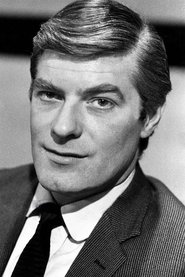 Norman RodwayApemantus
- Geoffrey CollinsFlaminius
- Terence McGinityServilius
 John ShrapnelAlcibiades
Directing
- Jonathan MillerDirector
Writing
- Thomas MiddletonTheatre Play
- William ShakespeareTheatre Play