
Film
The Lady from Shanghai
A drifter falls for a woman who may be using him as a pawn in her husband's schemes. Orson Welles spins a noir so visually unhinged—funhouse mirrors, impossibly tilted angles, that climax—it predicts the genre's dissolution. For lovers of style over certainty, men who think they're in control but aren't, and anyone who'll trade plot coherence for pure cinema fever.
Should you watch it?
Watch it if you're drawn to postwar noir where the cynicism is witty and the characters are slippery, and you enjoy a plot that keeps reshuffling who is lying to whom.
Skip it if the plot is knotted on purpose and the story sometimes loses its grip on itself, so if you need clear motives and a steady throughline, this may frustrate you.
What it asks of you: Close attention for a brisk eighty-seven minutes, with clipped, double-edged dialogue and a stylized look that asks you to track who is who as it goes.
Not sure? Find tonight's pick in a minute.
If you liked this
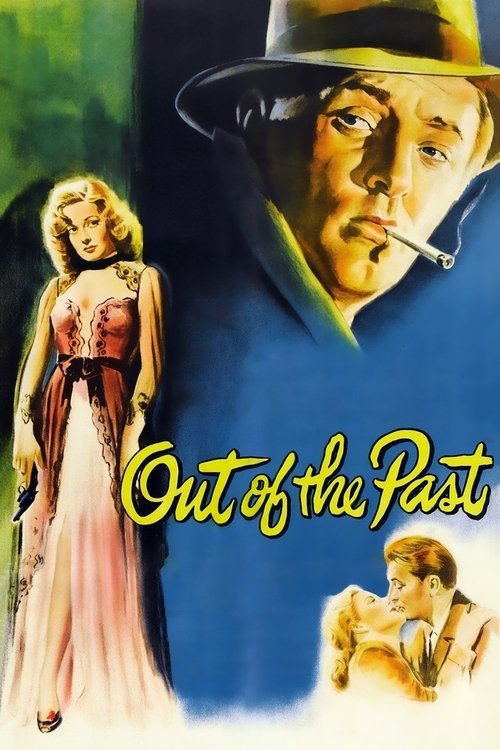
Out of the Past1947
The quintessential post-war noir: a man drawn back into a woman's orbit, double-crosses layered on double-crosses, and Robert Mitchum's fatalism. It's the template Welles was already breaking.
But Slower burn than Lady from Shanghai, and Mitchum's passivity can read as inertia if you're not in the mood for it.
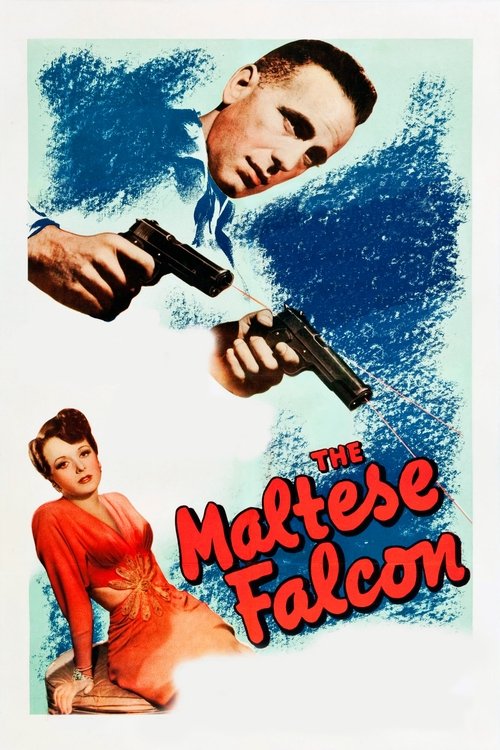
The Maltese Falcon1941
Bogart, Bacall, and a plot that hinges on everyone wanting the same thing for different reasons. It's noir's blueprint, and everything about desire and deception is cleaner here than in Shanghai.
But It can feel like a stage play—dialogue-heavy, a little creaky. If you want visual fireworks, this is script-first.
The Killers1946
Lancaster's boxer destroyed by a femme fatale, told in fractured time before that was common. Siodmak's shadows are operatic. The premise is simpler than Shanghai's, but the fatalism is just as dark.
But Burt Lancaster's acting is raw in a way that grates if you prefer subtlety. Some find the fragmented structure confusing rather than clever.

Not sure tonight? Get a pick in a minute, starting from The Lady from Shanghai
The wildcard
Something you would not have found on your own.
The Killing1956
Both are about men destroyed by women they desire, told through fractured narrative, with the woman's betrayal the hidden engine all along. But where Shanghai luxuriates, Kubrick audits.
Kubrick's racetrack heist told in fractured time with a criminal's wife pulling strings he doesn't understand. It shares Shanghai's sense of a man outmaneuvered by someone prettier and smarter, but it's spare, mechanical, and shot in arid black-and-white instead of Welles' visual intoxication.
But It's a procedural, not a romance. No seduction, no style for its own sake. If you want Shanghai's sensual fever, this is ice water.

More like this (8)
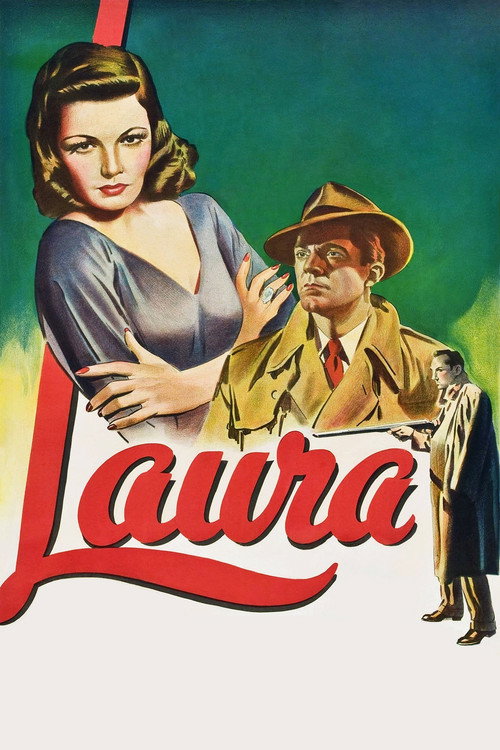
Laura1944
A murdered woman who may or may not be what she seemed, investigators who fall under her spell even dead. Preminger finds menace in daylit rooms. It's coiled and psychological where Shanghai is baroque.
But Slower pacing, and the central murder doesn't pack the visceral punch you might expect. Very interior.
The Third Man1949
Another Welles performance that's partly a con, set in rubble Vienna with Carol Reed's camera finding geometry in chaos. It shares Shanghai's sense that the world is tilted and nobody's telling the truth.
But Even more mannered than Shanghai. If you find Welles precious, this doubles down. And the zither score divides people.

In a Lonely Place1950
Bogart as a man suspected of murder, a woman who might save or destroy him. Ray's camera is intimate and claustrophobic. It's noir that trusts psychological detail over plot mechanics.
But Less kinetic than you might want. The ending is bleak in a way that some find nihilistic without earning it.

The Asphalt Jungle1950
Huston's heist blueprint: ordinary men executing a crime, then watching it collapse. It's procedural before that was a genre, and the moral clarity is the opposite of Shanghai's funhouse.
But Deliberately unglamorous and gray. If you came for the romantic fatalism, this is all mechanics and sweat.

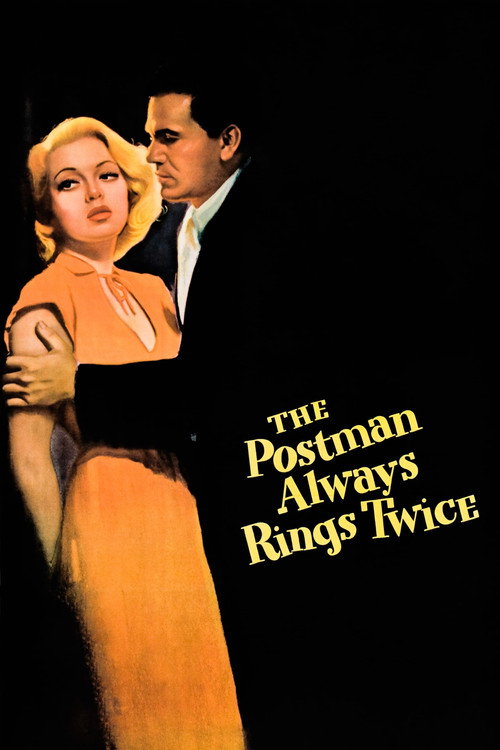
The Postman Always Rings Twice1946
A drifter and a married woman conspire. Garfield and Turner generate genuine heat, and the violence is sudden and consequential in ways Shanghai's is stylized.
But Shorter and more straightforward than you might hope. The femme fatale is less complex than Elsa Bannister—more just dangerous.
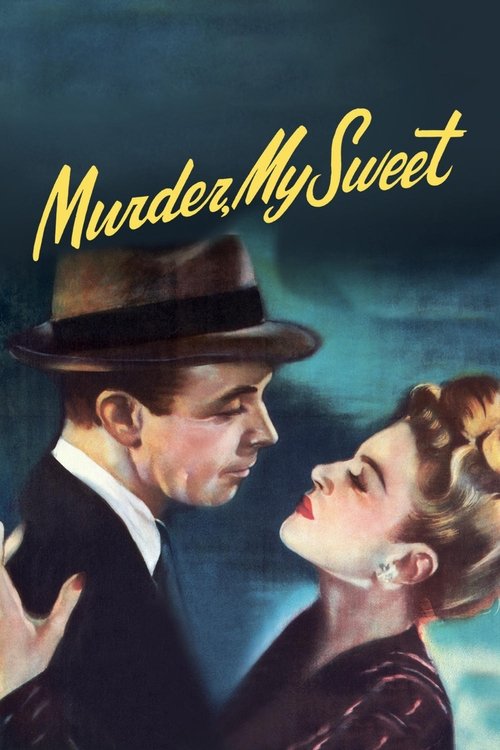
Murder, My Sweet1944
Powell's fall from grace, a woman who destroys his life, femme fatale at full power. Dmytryk's shadows are textured. It's noir as genuine despair, not performance.
But Dick Powell against type can be unsettling in the wrong way. The plot is convoluted and some resolutions feel rushed.
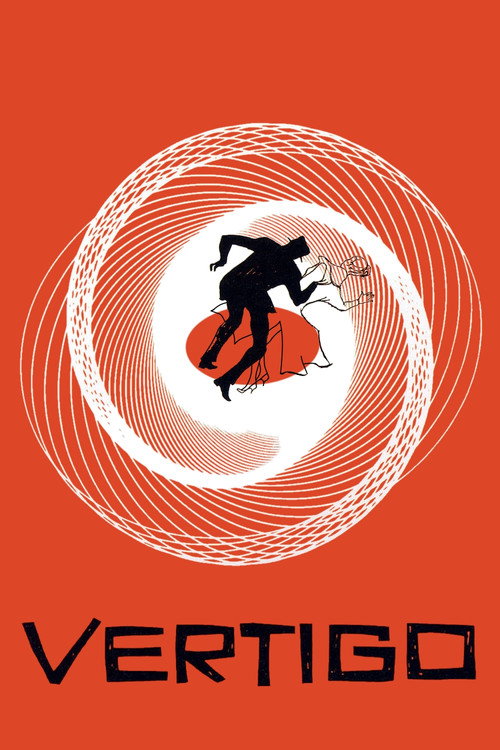
Vertigo1958
Both feature a man's certainty about a woman crumbling into unreality. Shanghai does it in 87 minutes of visual chaos; Vertigo does it in 128 of psychological vertigo. Same wound, different anesthesia.
A man remakes a woman into what he wants; she may be playing him, or may be a ghost, or may be both. Hitchcock's spiral cinematography matches Welles' mirror-maze climax in visual disorientation. It's about male desire as delusion, shot as pure cinema.
But Longer and slower, with obsessive repetition that some find glacial. Scottie's behavior becomes uncomfortable in ways Shanghai's drifter avoids. And it's Hitchcock, so everyone's already seen it.
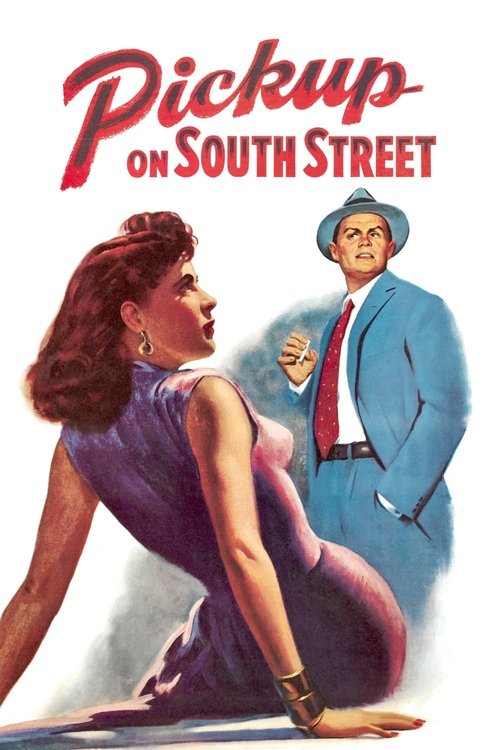
Pickup on South Street1953
Both trap a man in a woman's schemes, but Fuller's version is about working-class survival and spying; Shanghai's is about wealth and seduction. Same setup, opposite class registers—and Fuller's is meaner.
Fuller's pickpocket stumbles into Cold War espionage and falls for a woman who's using him. It's Shanghai's paranoia and double-crosses compressed into the streets, with Jean Peters' femme fatale who's also a victim. Rawer, cheaper, more authentic than any studio noir.
But Black-and-white and grimy, shot like a newspaper serial. No glamour. If you want Rita Hayworth's magnetism, you get Jean Peters' damage instead—and it's less romantic.
People
Cast
 Rita HayworthElsa Bannister
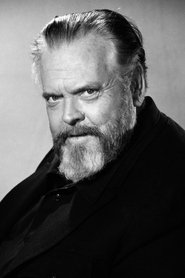 Orson WellesMichael O'Hara
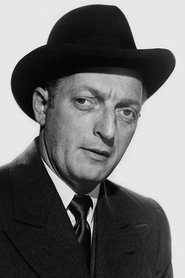 Everett SloaneArthur Bannister
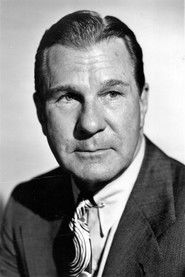 Glenn AndersGeorge Grisby
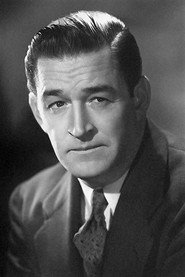 Ted de CorsiaSidney Broome
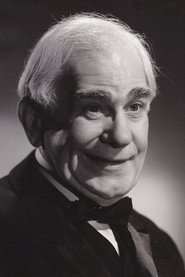 Erskine SanfordJudge
- Gus SchillingGoldfish
- Carl FrankGalloway
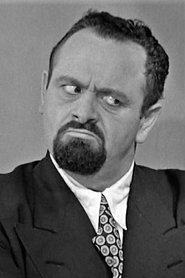 Louis MerrillJake Bjornsen
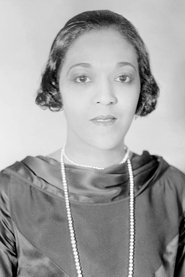 Evelyn EllisBessie
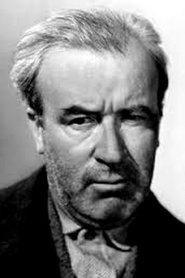 Harry ShannonCab Driver
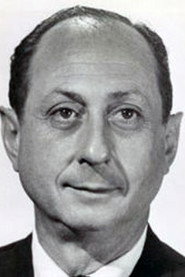 William AllandReporter (uncredited)
Directing
- Sam NelsonAssistant Director
- Orson WellesDirector
Writing
- Sherwood KingNovel
- Orson WellesScreenplay
Production
- Richard WilsonAssociate Producer
- William CastleAssociate Producer
- Orson WellesProducer
Recommended by
Saboteur, Murder, My Sweet, Strangers on a Train, The Hound of the Baskervilles, Gilda, Daughter of Shanghai, Magnificent Warriors, The Black Castle, The October Man, Hotel Reserve, Road to Utopia, Affair in Trinidad, Johnny O'Clock, Mirage, The Kennel Murder Case, Deadline at Dawn, Bud Abbott and Lou Costello Meet the Killer, Boris Karloff, Timon of Athens