
Film
Daughter of Shanghai
A 1937 crime thriller where a Chinese-American woman infiltrates a human trafficking ring to avenge her father's death. Brisk, pulpy, and genuinely engaged with its protagonist's agency—she's the one driving the investigation, not a bystander. A curio that asks more of its heroine than many films of its era, even if the production itself remains a product of its time.
Should you watch it?
Watch it if you like lean, old studio programmers that get to the point, where a stubborn heroine chases a smuggling racket through back rooms and waterfronts without much fuss.
Skip it if you need modern pacing or fully rounded characters, since this is a brisk hour of stock types and rough, dated plotting.
What it asks of you: Sixty-two minutes long and lean, it moves quickly with little room for lingering, so you settle in and let the hustle carry you along.
Not sure? Find tonight's pick in a minute.
If you liked this
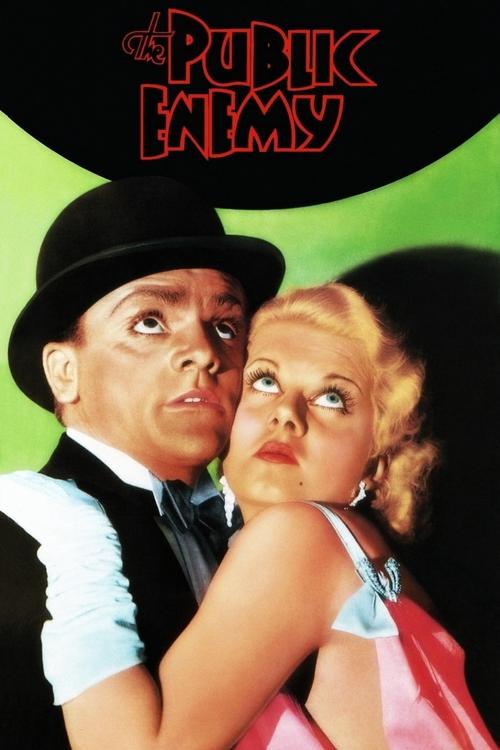
The Public Enemy1931
James Cagney and a lean script about bootlegging and ambition. Fast, brutal, and made just before the Code clamped down. This is the template Daughter of Shanghai is working from.
But The violence is sudden rather than graphic, and some may find the pacing abrupt by modern standards. It's also very much a product of 1931.
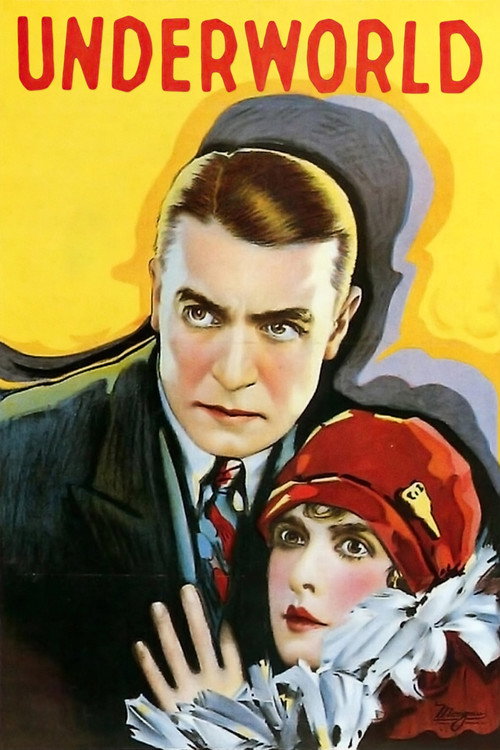
Underworld1927
Josef von Sternberg's silent masterpiece about gangsters, betrayal, and survival in a criminal underworld. Visually stunning and morally complex. The DNA of every crime film that followed.
But It's silent, which requires patience and attention. The story moves in different rhythms than you might expect.
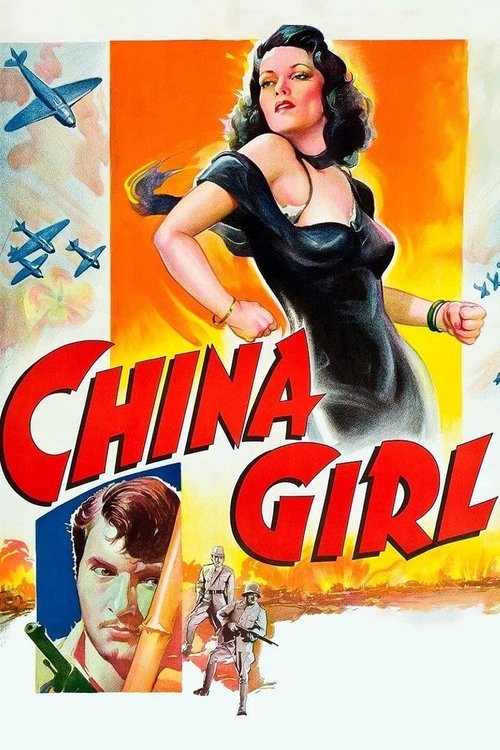
China Girl1942
Another pulp crime story set in Asian-American communities, with similar themes of infiltration and justice. Made just a few years later, it shows how quickly these narratives evolved.
But The ethnic stereotyping is worse than Daughter of Shanghai. It's harder to separate the story from its context.
Not sure tonight? Get a pick in a minute, starting from Daughter of Shanghai
The wildcard
Something you would not have found on your own.
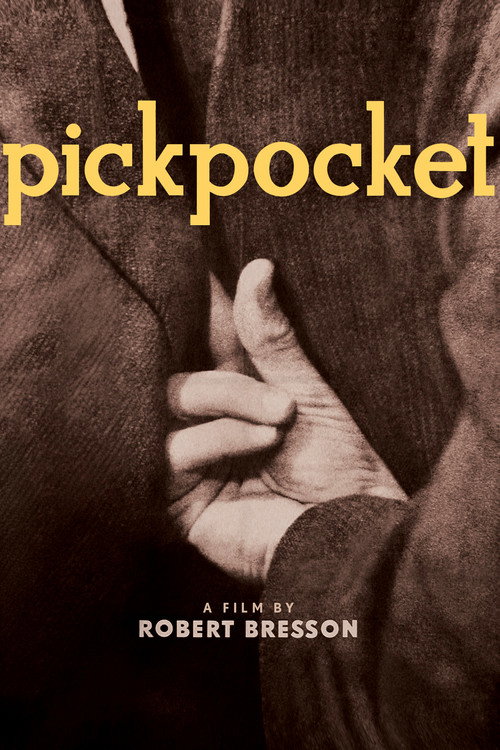
Pickpocket1959
Both use crime as a vehicle for moral reckoning rather than excitement. Both ask whether their protagonists can survive what they've done.
Robert Bresson's spiritual masterpiece about a young thief in Paris. Austere, meditative, and utterly uninterested in crime-picture conventions. It's about grace and salvation, dressed in a crime story. A completely different register from Daughter of Shanghai, but the same question: what does it cost to commit a crime, and can you be redeemed?
But Bresson's style is deliberately monotone. If you want entertainment, this will feel like watching paint dry. It's also very slow and very French.
More like this (8)
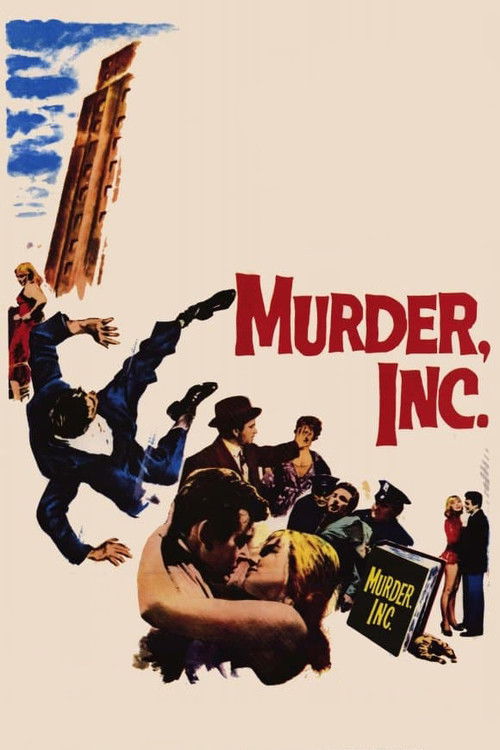
Murder, Inc.1960
A taut procedural about organized crime syndicates, with Peter Falk and Burt Lancaster. Grounded, atmospheric, and genuinely tense about how these operations actually worked.
But It's a procedural, not a thriller. If you need a single charismatic protagonist, you won't find one here.
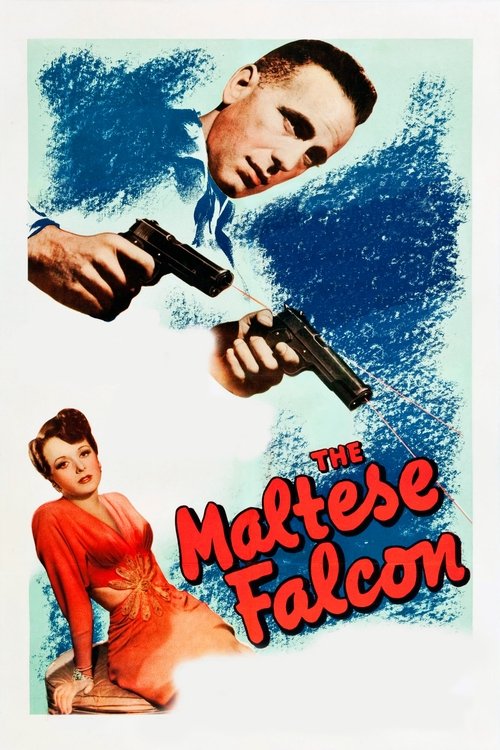
The Maltese Falcon1941
Dashiell Hammett's detective novel adapted by John Huston, with Humphrey Bogart and Mary Astor. Witty, intricate, and moves like a watch spring. The blueprint for modern crime cinema.
But The plot is genuinely complex and can feel slight on a first viewing. Some find Bogart's affectations tiresome.
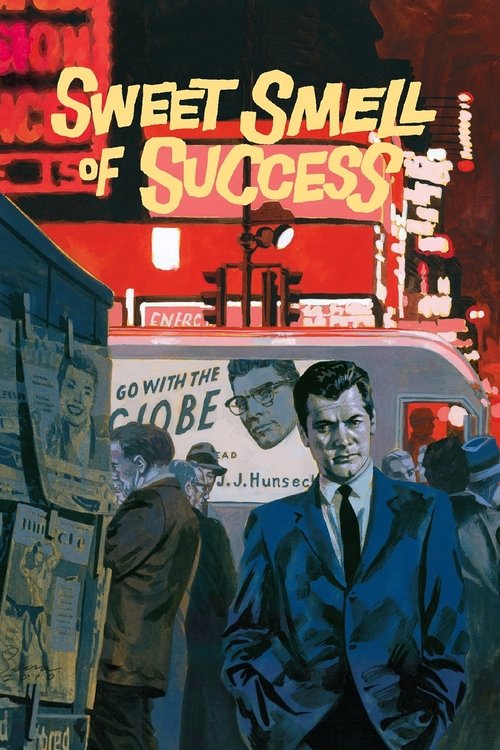
Sweet Smell of Success1957
A noir masterpiece about power, corruption, and obsession in New York gossip columns. The dialogue is baroque and the cinematography is astonishing. Vicious and beautiful.
But The pacing is deliberate. If you want plot momentum, this will feel slow. The moral landscape is very dark.
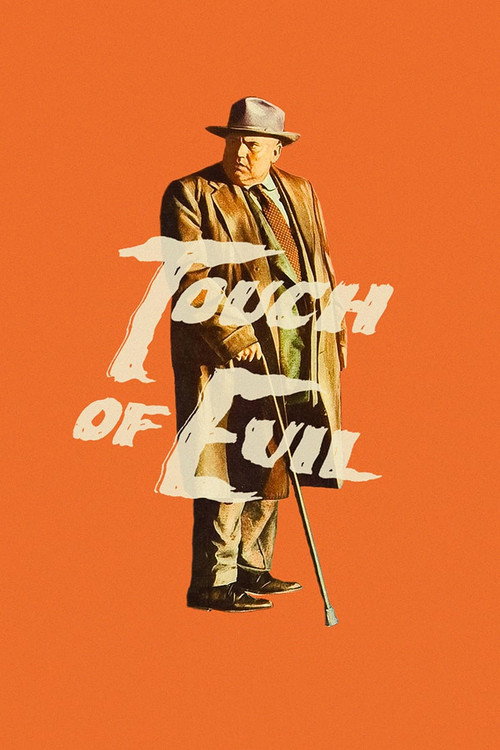
Touch of Evil1958
Orson Welles directing and starring in a border-town crime story. Visually audacious, morally complex, and endlessly inventive. Welles at his most confident.
But The narrative is deliberately fragmented and the camera work can feel show-offy. The racial politics are complicated and not always what you'd hope.
The Killers1946
Robert Siodmak directing Burt Lancaster and Ava Gardner in a revenge noir. Taut, fatalistic, and genuinely sad beneath the cynicism. Hemingway as a blueprint.
But The narrative frame can feel dated. The emotional register is melancholy rather than exciting.

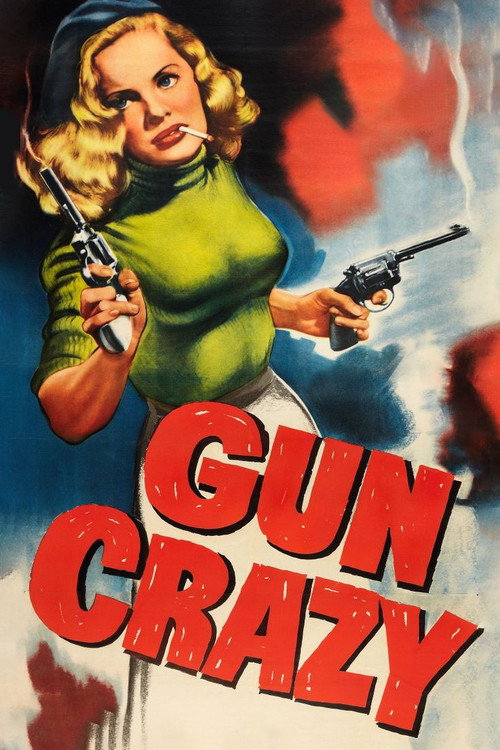
Gun Crazy1950
A lean, strange crime picture about a man and woman on the run, shot with real inventiveness on a tiny budget. Ballard's direction finds poetry in violence and desperation.
But The moral compass is ambiguous and the ending is bleak. It's also a very minor film without major stars, so finding it takes effort.
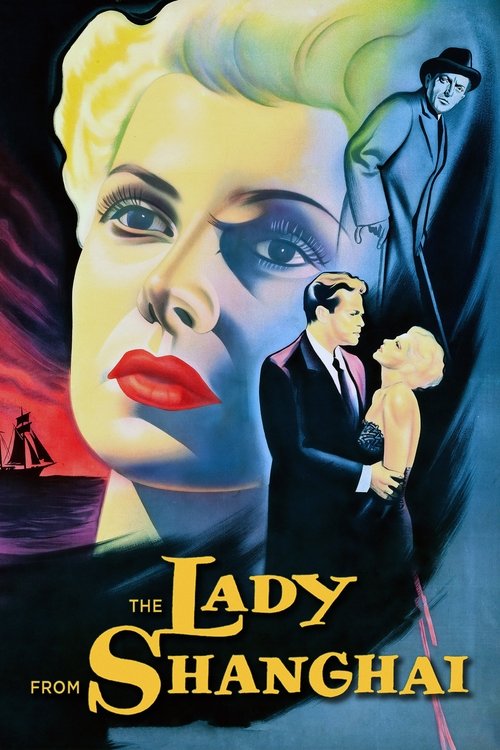
The Lady from Shanghai1947
Both feature protagonists infiltrating criminal circles, but where Daughter of Shanghai is earnest and driven, this is playful and self-destructive. A darkly comic mirror.
Orson Welles and Rita Hayworth in a delirious, corrupt romance set among the wealthy. It's garish, confused, visually stunning, and deeply cynical. The opposite of a tight procedural—it's baroque and self-aware about its own absurdity. The famous hall-of-mirrors finale is reason alone.
But The plot is genuinely hard to follow and doesn't hold together. Welles seems to have made it up as he went along. The tone is inconsistent in ways that bother some viewers.
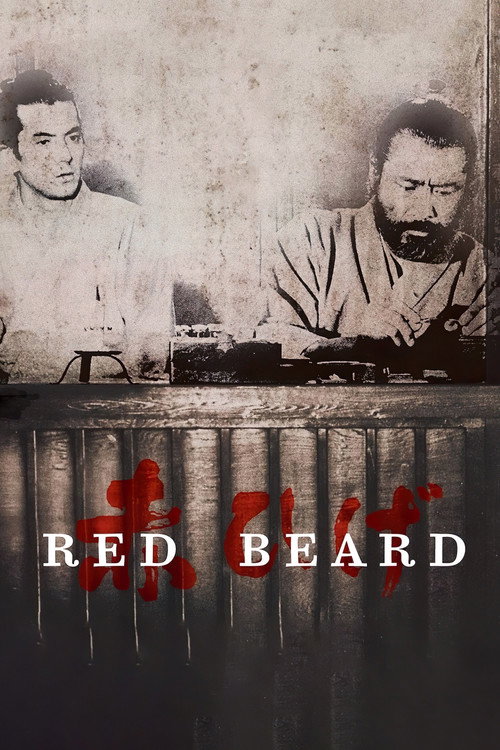
Red Beard1965
Both are driven by protagonists who refuse to accept injustice around them, and both believe that goodness is a deliberate act. One is a crime thriller, the other a gentle drama, but they move in the same moral direction.
Akira Kurosawa's last black-and-white film, a humanist epic about a young doctor learning compassion in a clinic for the poor. It's gentle, funny, and devastatingly moving. Utterly different from crime pictures, but shares Daughter of Shanghai's faith that a single person can change circumstances through integrity and will.
But It's nearly three hours long. Kurosawa's pacing is patient and meditative, not urgent. If you want plot, you'll find this frustratingly episodic.
People
Cast
 Cecil CunninghamMrs. Mary Hunt
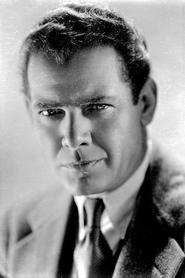 Charles BickfordOtto Hartman
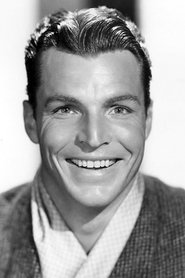 Buster CrabbeAndrew Sleete (as Larry Crabbe)
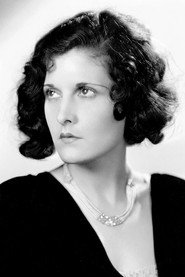 Evelyn BrentOlga Derey
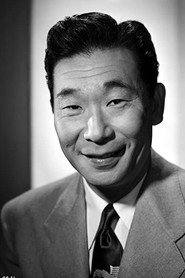 Philip AhnKim Lee
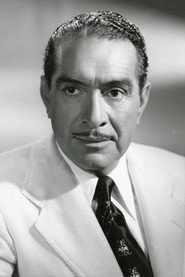 J. Carrol NaishFrank Barden
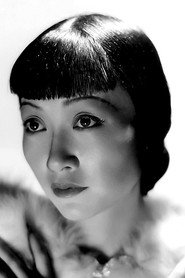 Anna May WongLan Ying Lin
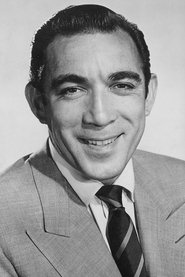 Anthony QuinnHarry Morgan
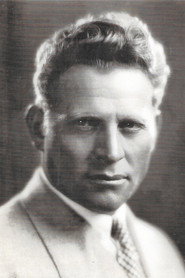 Fred KohlerCaptain Gulner
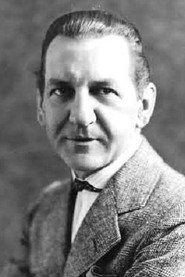 Guy Bates PostLloyd Burkett
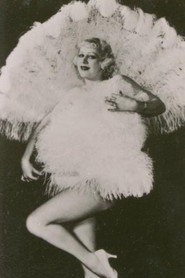 Virginia DabneyRita - a Dancer
- John PattersonJames Lang
Directing
- Stanley GoldsmithAssistant Director
- Robert FloreyDirector
Writing
- Garnett WestonScreenplay
- Gladys UngerScreenplay
- Garnett WestonStory
Production
- William LeBaronExecutive Producer
- Edward T. Lowe Jr.Producer
- Harold HurleyProducer