
Film
Murder, Inc.
A 1960 crime drama that chronicles Murder, Inc., the organized crime syndicate that became notorious for contract killing during Prohibition and its aftermath. It's a procedural look at how institutional violence works—less glamorous than you'd expect, more bureaucratic. For anyone curious about how criminal organizations actually functioned, not just how movies imagine them.
Should you watch it?
Watch it if you enjoy crime stories that treat the syndicate as a cold business machine and let the legal grind, not car chases, carry the tension.
Skip it if you want brisk action or a rooting interest in the gangsters, since this one is sober and keeps its distance from everyone involved.
What it asks of you: A hundred and three minutes that reward sitting still, with dialogue-led scenes and little sentiment to soften the cold.
Not sure? Find tonight's pick in a minute.
If you liked this
The Godfather1972
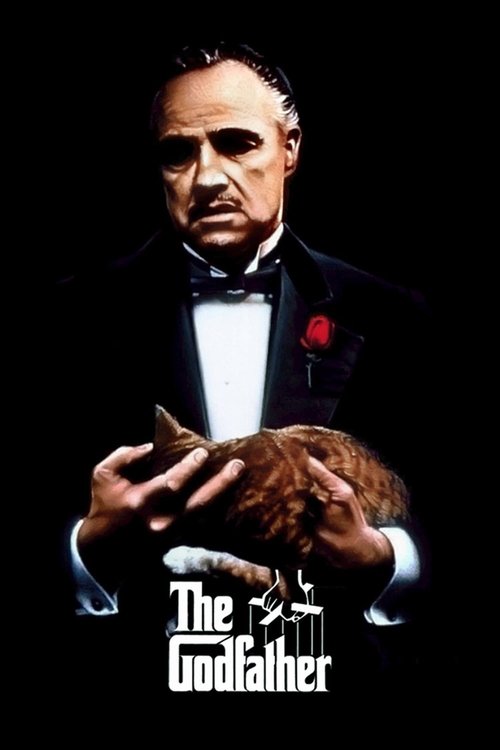
Coppola's masterpiece shows organized crime as a family business with codes and consequences. It's the definitive statement on how power corrupts institutions and bonds, rendered with operatic intensity and genuine moral weight.
But Three hours long and deliberately paced. If you want action and excitement, you'll find patience required instead.
The Killers1946
Siodmak's noir about two assassins hunting their target is taut and methodical, told in fragmented time. It's the ancestor of every crime procedural that followed, with a mood that still crackles.
But Post-war noir means grainy black-and-white film stock and a fractured narrative that takes concentration. Some find it dated rather than classic.

In Cold Blood1967
Capote's nonfiction crime story, adapted with chilling documentary precision. It treats real murder as a tragedy rather than spectacle, following the perpetrators and their victims with unflinching clarity.
But Deliberately unglamorous and genuinely bleak. The slow build to inexorable violence can feel like dread rather than entertainment.
Not sure tonight? Get a pick in a minute, starting from Murder, Inc.
The wildcard
Something you would not have found on your own.
The Valachi Papers1972
Both are rooted in real organized crime history and genuinely interested in how criminal institutions actually function, not just how they look.
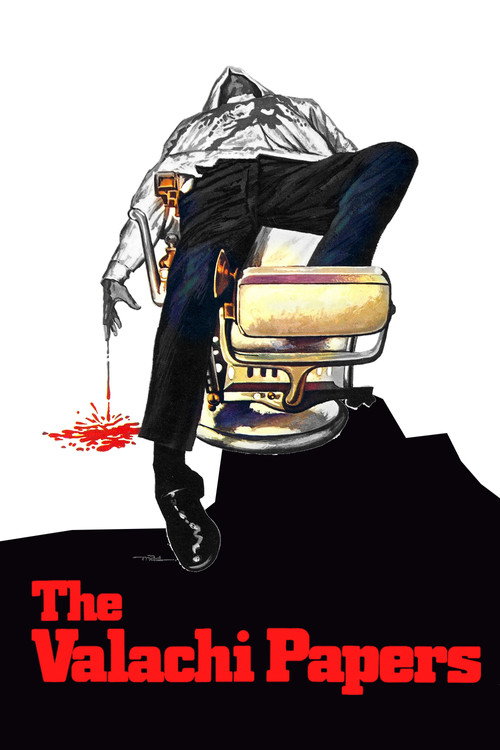
Based on a real mobster's testimony before Congress, it's structured as institutional history rather than narrative drama—Valachi *explains* how the Mafia works, its rules and ranks, while the life unfolds around it. Educational and urgent.
But By design, it's didactic and uneven. The explanatory structure takes precedence over character or traditional story, which some find tedious.
More like this (7)
Donnie Brasco1997
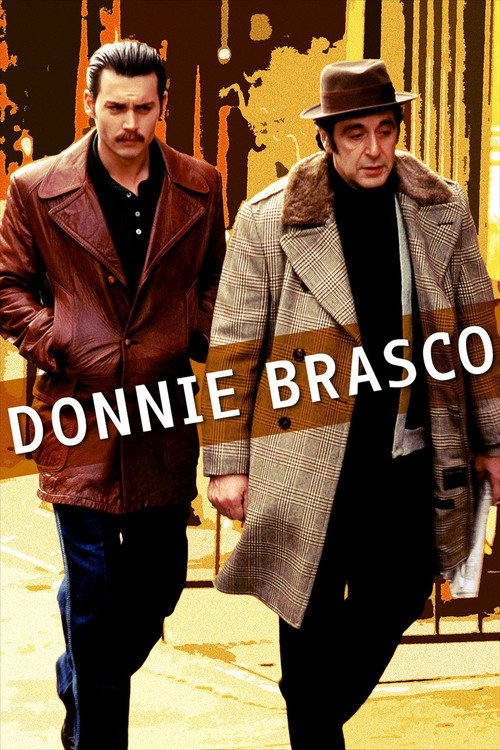
An FBI undercover agent infiltrates the mob and becomes genuinely close to a lower-level wiseguy. It's about loyalty, mentorship, and betrayal—how organized crime creates bonds that survive the system itself.
But Slower and sadder than its crime-thriller packaging suggests. If you're expecting *Goodfellas* momentum, you'll be disappointed.
The Killing1956
Kubrick's debut is a racehorse heist film told in fragmented, overlapping timelines. It's about how crime actually gets organized: logistics, timing, inevitable human failure. Spare, clever, and darkly funny.
But The low budget shows in the sets and acting, which some find distracting. Noir-era conventions may feel slow to modern viewers.

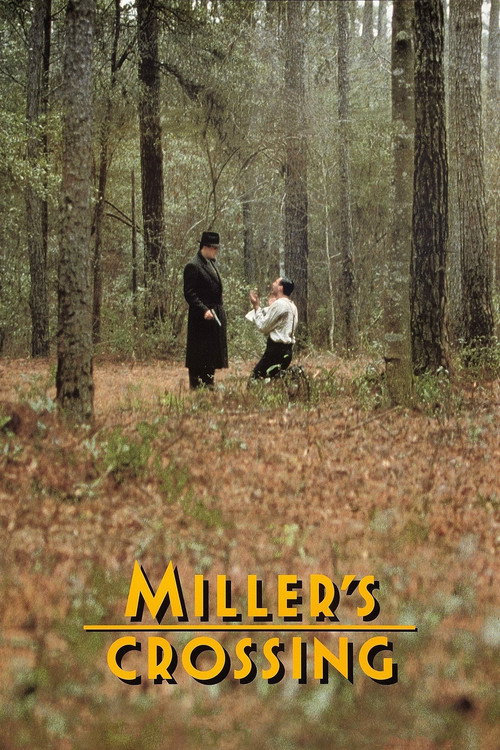
Miller's Crossing1990
The Coen Brothers' Prohibition-era crime drama is a ballet of double-crosses and masculine honor gone sideways. It's witty, stylish, and obsessed with the codes and language of organized crime as performance.
But Deliberately artificial dialogue and operatic tone may read as pretentious. Violence is sudden and brutal, not cathartic.
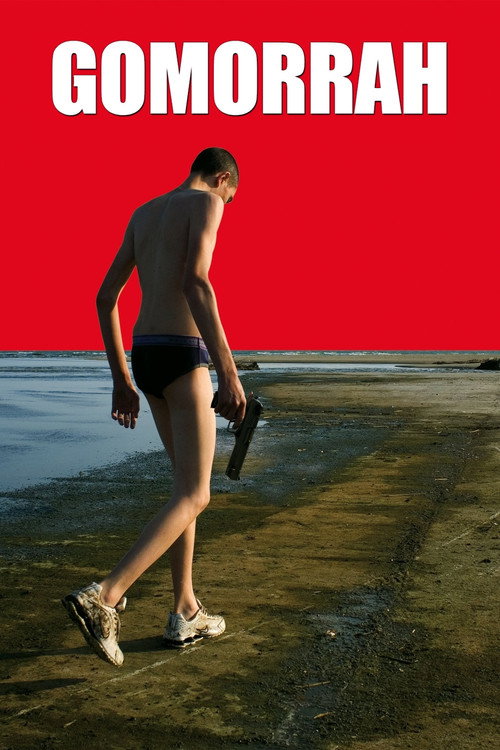
Gomorrah2008
An unflinching look at Naples' Camorra, following multiple lives caught in organized crime's machinery. It's visceral, unglamorous, and treats crime as a fact of geography and economics rather than romance.
But Subtitled and genuinely violent. The sprawling narrative and multiple storylines require attention; it doesn't spell out meaning for you.
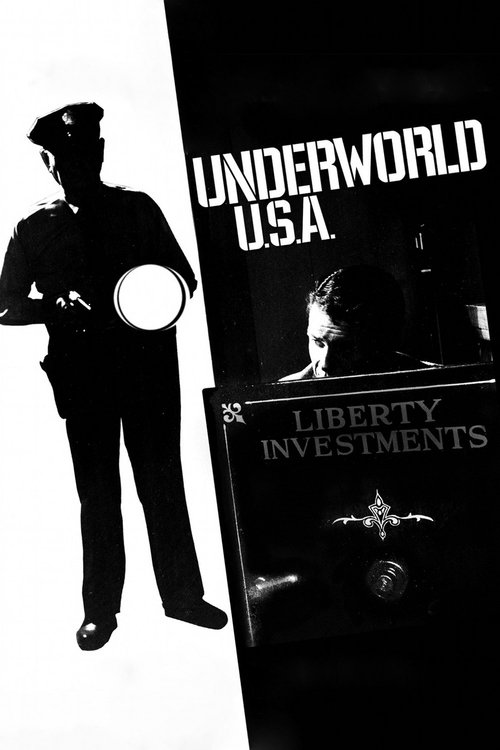
Underworld U.S.A.1961
Sam Fuller's visceral revenge story follows a man infiltrating organized crime to destroy the men who killed his father. It's got the rage of a pulp novel and the visual style of a documentary.
But Ultra-low budget and sometimes clumsy acting. Fuller's style is raw rather than polished, which works if you're attuned to it.
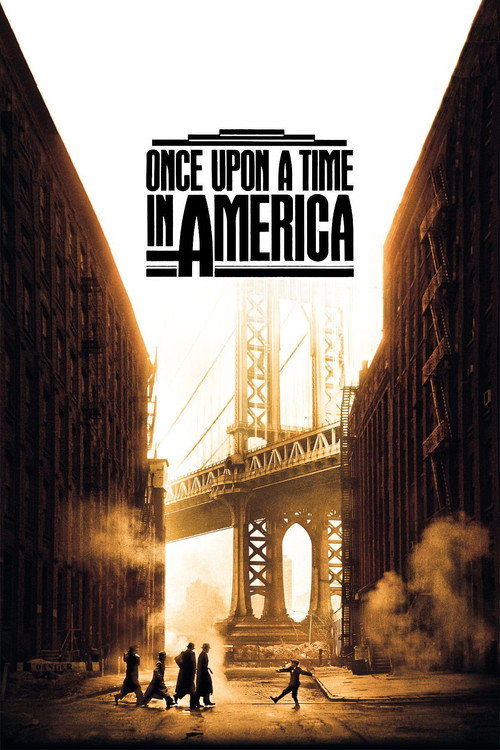
Once Upon a Time in America1984
Sergio Leone's final film is a grand, melancholy elegy for friendship, betrayal, and the passage of time. Two gangsters' lives unfold in nested memories—it's nostalgic and tragic and utterly uncompromising.
But Nearly four hours long and willfully slow. The fractured timeline and dreamlike logic will frustrate anyone wanting clarity or conventional plot momentum.
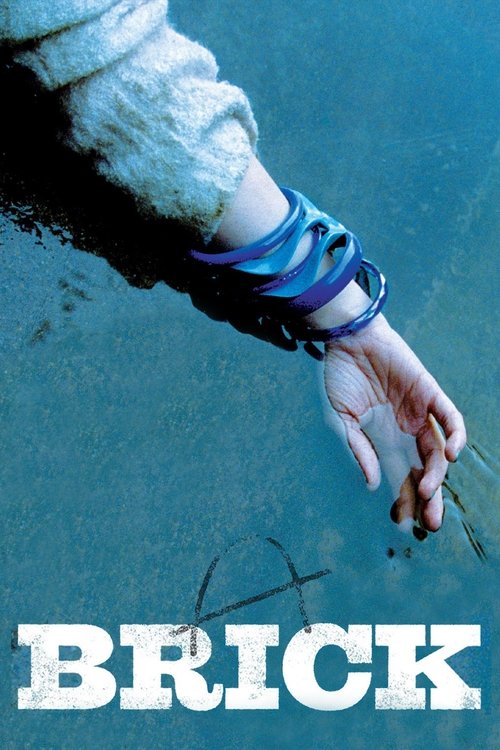
Brick2006
Both examine organized crime as a *structural* idea—the machinery, the hierarchies, the codes—rather than glamorizing the gangsters themselves. Brick just proves the structure works anywhere.
Rian Johnson's debut is a high-school noir: a murder mystery told in hardboiled detective language and visual style, but set in a contemporary American suburb. It's a tonal experiment that asks what the *shapes* of crime stories really mean.
But Deliberately artificial—teenagers speaking like 1940s detectives, a stylized visual world. If you want realism or natural dialogue, you're in the wrong film.
People
Cast
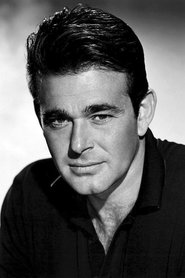 Stuart WhitmanJoey Collins
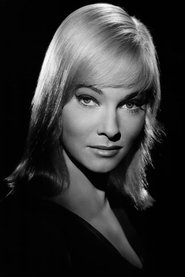 May BrittEadie Collins
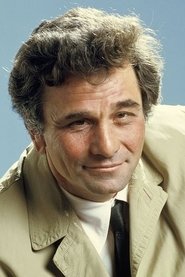 Peter FalkAbe Reles
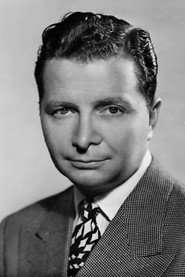 Henry MorganBurton Turkus
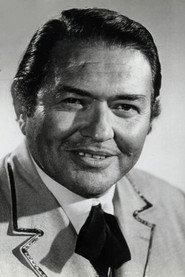 Simon OaklandWilliam Tobin
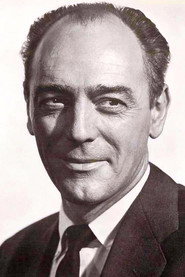 David J. StewartLouis "Lepke" Bucholter
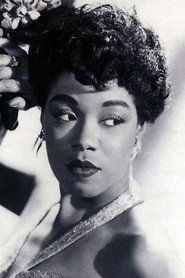 Sarah VaughanSinger
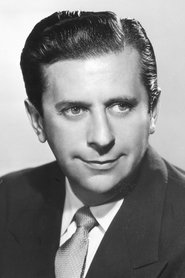 Morey AmsterdamWalter Sage
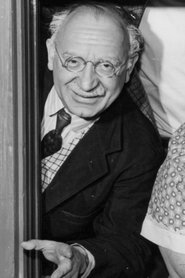 Eli MintzJoe Rosen
- Joseph BernardMendy Weiss
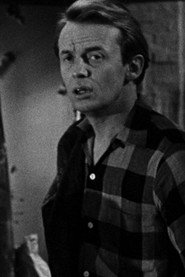 Warren FinnertyBug Workman
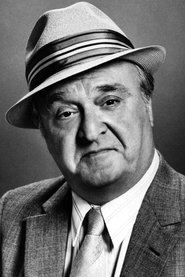 Vincent GardeniaLazlo
Directing
- Larry KostroffAssistant Director
- Tony LaMarcaAssistant Director
- Burt BalabanDirector
- Stuart RosenbergDirector
- Dorothy WeshnerScript Supervisor
Writing
- Burton TurkusNovel
- Sid FederNovel
- Irve TunickScreenplay
- Mel BarrScreenplay
Production
- Jan WelshCasting
- Laurence JoachimCo-Producer
- Burt BalabanProducer
- Alan CohenProduction Accountant
- Marguerite KumpreyProduction Assistant
- William MagginettiProduction Coordinator
- Harrison StarrProduction Manager
Recommended by
Daughter of Shanghai, Hickey & Boggs, Party Girl, The Lineup, Chicago Confidential