
Film
Chicago Confidential
A tight 1957 crime noir about mob corruption infiltrating Chicago's unions. Brian Keith plays a cop determined to expose the rot from inside, navigating a world where loyalty and betrayal are currency. It's spare, efficient filmmaking—the kind of picture that trusts you to keep up, with sharp dialogue and genuine menace underneath.
If you liked this
The Killers1946
Burt Lancaster's debut in a lean, brutal revenge thriller. Two hit men arrive in a small town to kill a boxer who won't run. Siodmak's direction is pure shadow and dread; the story unfolds like a broken music box.
But At 103 minutes it outstays the 1957 picture's lean efficiency. The plot doubles back on itself in ways that can feel more clever than emotionally necessary.

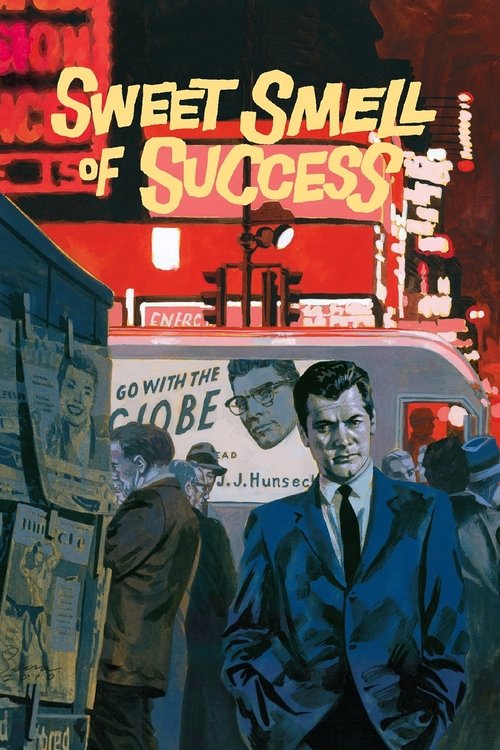
Sweet Smell of Success1957
Released the same year as Chicago Confidential. Alexander Mackendrick directs Burt Lancaster and Tony Curtis in a Manhattan corruption story told in vicious, quotable dialogue. Every scene crackles with spite and style.
But The pacing is deliberate and the moral landscape entirely bleak. If you want plot momentum over atmosphere, you'll find it slow and airless.
The Big Heat1953
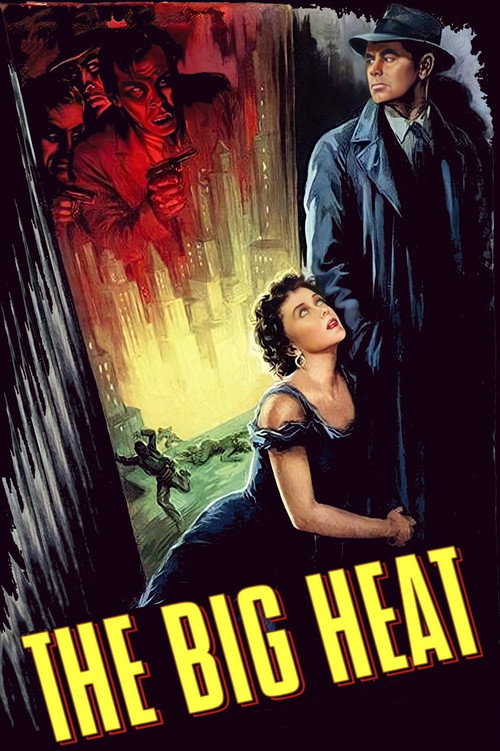
Fritz Lang's masterpiece of a cop corrupted by grief and vengeance. Glenn Ford hunts the men who destroyed his life with methodical, terrifying focus. Visually astonishing; morally uncompromising.
But It's brutal about violence against women. The film uses this without apology, which is necessary to its meaning but not easy to watch.
Not sure tonight? Get a pick in a minute, starting from Chicago Confidential
The wildcard
Something you would not have found on your own.
In a Lonely Place1950
Both films understand that institutional corruption (the mob, the film industry) works by isolating individuals and making them complicit. Both are more interested in how ordinary people survive among thieves than in catching them.
Ray-directed, with Humphrey Bogart as a violent screenwriter suspected of murder. The genius move: he didn't do it, but he might have. The film is less about solving crime than about how suspicion poisons love and identity. A character study of rage and isolation wearing a noir suit.
But The emotional devastation is the whole point. If you want crime procedural, you're looking at psychological autopsy instead. Bogart's character becomes increasingly hard to be around.

More like this (7)
Murder, Inc.1960
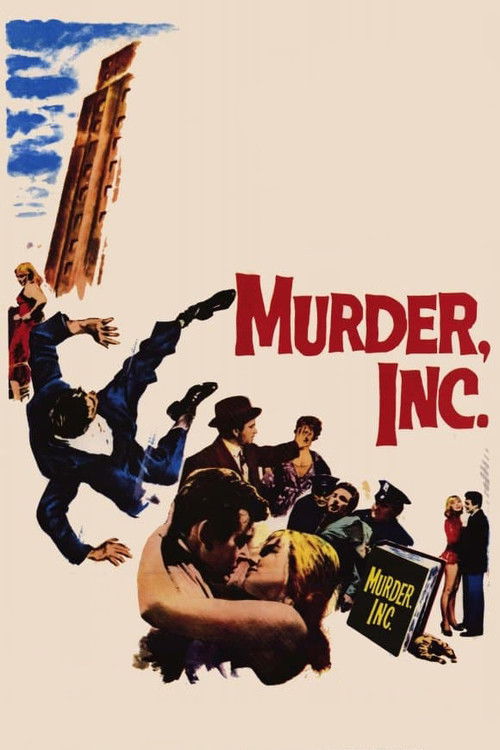
Stuart Rosenberg's account of the real-life crime syndicate. Peter Falk and David J. Stone play hitmen in a procedural that feels authentically grimy. Based on truth, shot like documentary noir.
But The docudrama approach can feel distant. Character development takes a back seat to explaining how the operation functioned, which some find bloodless.
The Asphalt Jungle1950
John Huston's heist blueprint. A crime boss assembles specialists for a jewelry job. Every character is fully realized; the heist sequences invented the language modern thrillers still speak.
But At nearly two hours, it's patient to the point of slowness in setup. The payoff, when it comes, is brief and unglamorous.

The Killing1956
Kubrick's breakout. A racetrack heist told in fractured chronology with nonprofessional actors. Lean, intelligent, visually inventive—proof that you don't need a big budget to make something essential.
But The fractured timeline can feel gimmicky if you're watching purely for plot. Some sequences feel indulgent in a way that halts momentum.

Gun Crazy1950
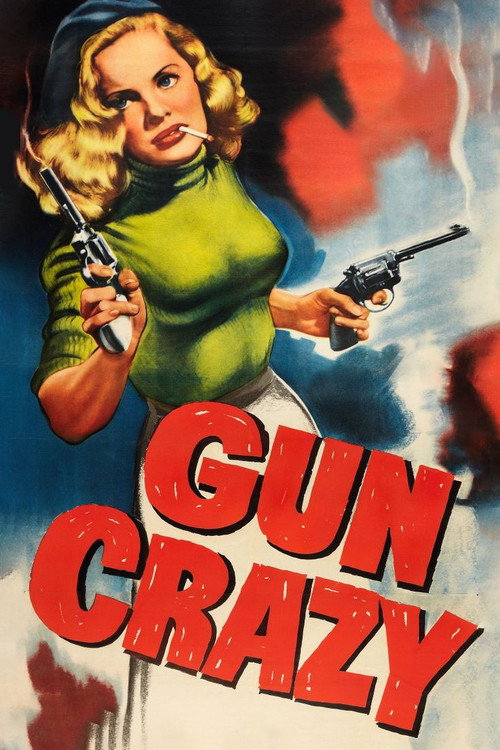
Joseph H. Lewis directed what may be the first lovers-on-the-run crime film. Peggy Cummins and John Dall are electric together. The long-take shootout scenes are technically revolutionary for their time.
But It's slight and doesn't pretend otherwise. If you want moral complexity or psychological depth, look elsewhere—this is pure pulse and movement.
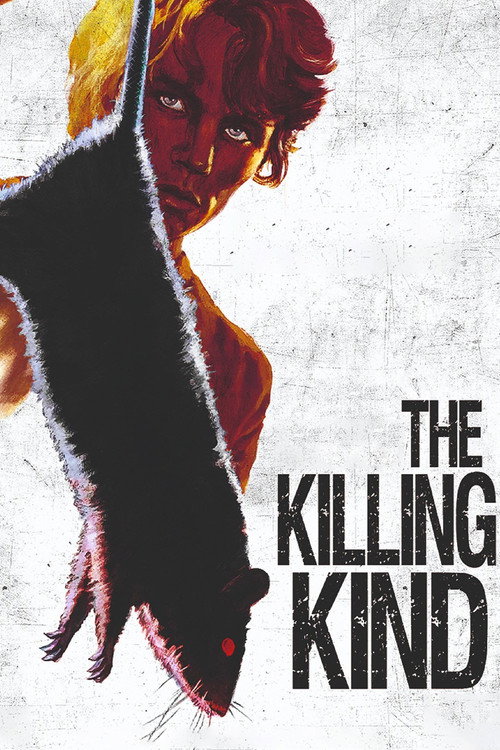
The Killing Kind1974
Curtis Hanson's remake instinct applied to noir tropes. Tim Thomerson plays a man released from prison who embeds himself in a corrupt town. Unpretentious, effective, nasty in the right ways.
But It's made on a smaller budget and it shows. The craft is competent but not exceptional; it feels like a solid TV movie with better taste.
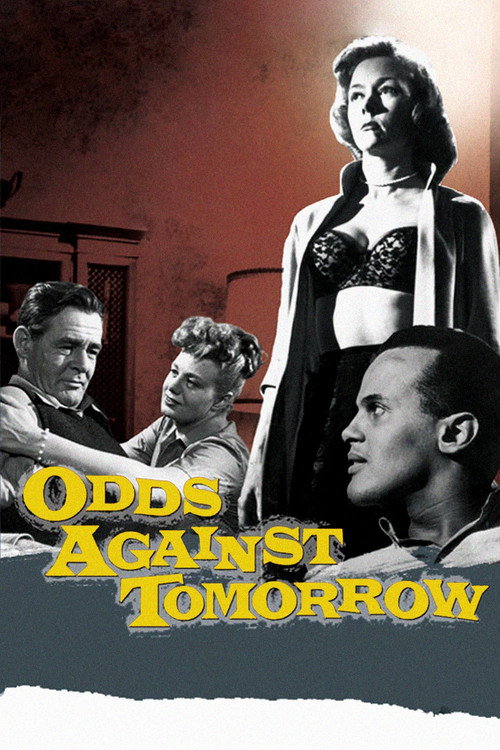
Odds Against Tomorrow1959
Chicago Confidential and Odds Against Tomorrow both show how institutions corrupt men by offering them false brotherhood. The union and the heist crew both require each member to believe the lie. But Odds Against Tomorrow names what Chicago Confidential doesn't: that the lie has a color to it.
Robert Wise directed this heist picture starring Harry Belafonte, Robert Ryan, and Ed Begley as a bank job team. It's a crime thriller that does something radical: treats race as the actual point of failure. The racism isn't backdrop; it's the bomb ticking under everything.
But The racial tensions are direct and unapologetic, which makes the film morally serious in ways that can feel didactic. Some viewers want entertainment, not a sermon about American apartheid.
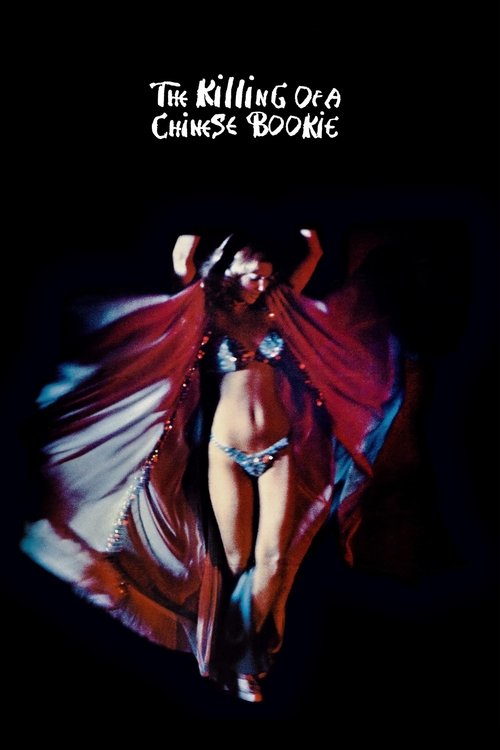
The Killing of a Chinese Bookie1976
Both films are about men trapped in systems where doing the right thing is impossible because the system has already decided your options for you. But where Chicago Confidential is a procedural about institutional rot, Bookie is a lament—it watches a man being ground down with love and rage.
John Cassavetes' masterwork. Ben Gazzara owns a strip club and gets into debt with the mob. What follows is an improvised fever dream of a man trying to save himself through violence. Grainy 16mm, dialogue you have to lean into, absolutely hypnotic.
But It's shot like a home movie and structured like a descending spiral rather than a plot. At 135 minutes, it demands patience and surrender. The image quality is intentionally degraded. Mainstream it is not.
People
Cast
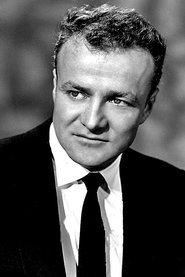 Brian KeithJim Fremont
 Beverly GarlandLaura Barton
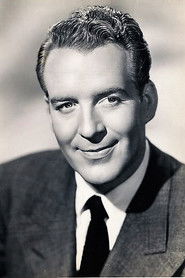 Dick ForanArtie Blaine
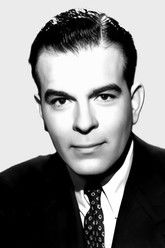 Douglas KennedyKen Harrison
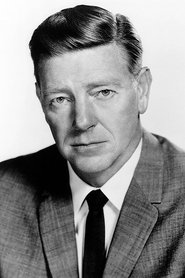 Paul LangtonJake Parker
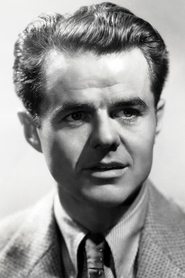 Elisha Cook Jr.Candymouth Duggan
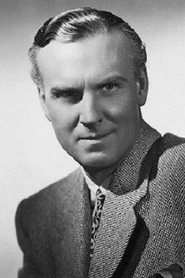 Gavin GordonAlan Dixon
 Beverly TylerSylvia Clarkson
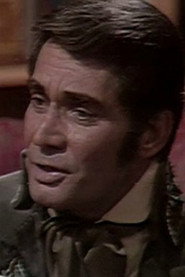 Anthony GeorgeDuncan
- Buddy LewisKerry Jordan
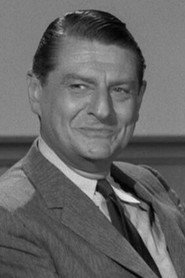 Thomas Browne HenryJudge (uncredited)
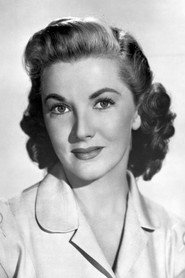 Phyllis CoatesHelen Fremont (uncredited)
Directing
- Sidney SalkowDirector
Writing
- Jack LaitBook
- Lee MortimerBook
- Bernard GordonScreenplay
Production
- Robert E. KentProducer