
Film
Hickey & Boggs
A 1972 noir detective film where two weary private investigators spiral into violence and corruption while hunting a missing woman. Gritty and unglamorous, it treats crime as exhausting drudgery rather than adventure. For viewers who want their mysteries murky and their heroes compromised, shot with the documentary flatness of early-70s crime cinema.
Should you watch it?
Watch it if you like grimy 1970s private-eye films where two worn-down partners bicker their way through a case that keeps getting darker, and the mood matters more than neat plotting.
Skip it if you want a tight, clever mystery with satisfying puzzle pieces; this one is loose, sometimes shapeless, and its audience score of 5.8 hints that plenty of viewers were unconvinced.
What it asks of you: It runs under two hours and asks for patience rather than attention to clues; the tone stays sour and unhurried, with the violence arriving in bursts.
Not sure? Find tonight's pick in a minute.
If you liked this
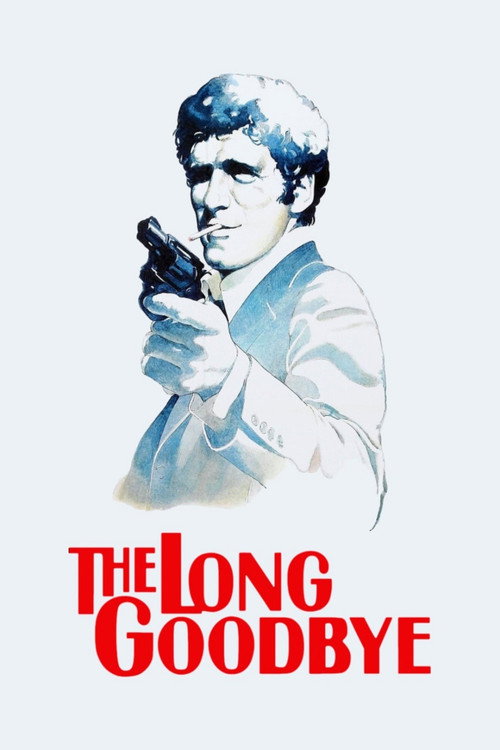
The Long Goodbye1973
Altman's revisionist take on Marlowe, where a rumpled detective navigates LA's moral decay with bewildered persistence. Shares the same era's fatigue with the detective archetype and its refusal to make the work look heroic.
But Deliberately anti-climactic and meandering; if you want plot momentum, this will frustrate you badly.
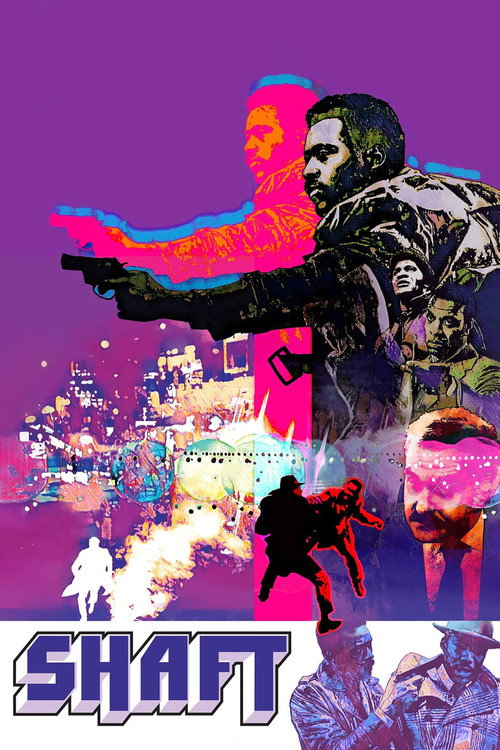
Shaft1971
A Black detective navigating systemic corruption in New York with style and fury. Contemporaneous, visceral action cinema that treats institutional crime as the real threat, not individual villains.
But The blaxploitation label carries baggage; some of the racial politics read as dated now.
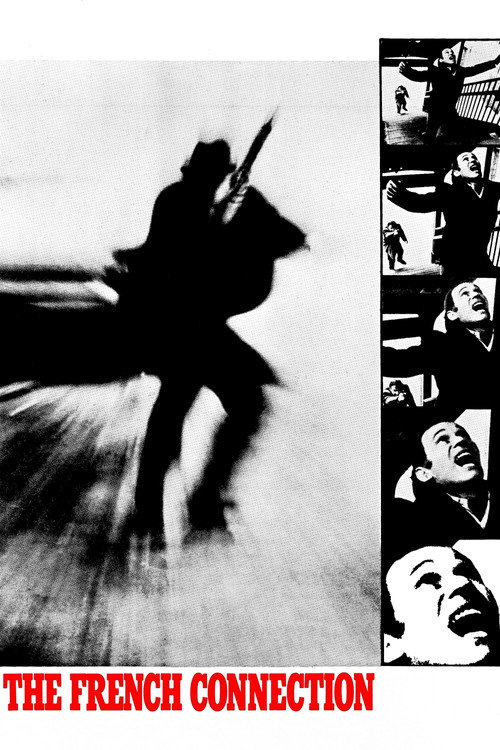
The French Connection1971
Cops and criminals locked in exhausting pursuit through New York. Feels lived-in and procedural, with brilliant action sequences that don't glamorize the work—just show its chaos and cost.
But The ending is abrupt and ambiguous in ways that can leave you feeling unsatisfied rather than contemplative.
Not sure tonight? Get a pick in a minute, starting from Hickey & Boggs
The wildcard
Something you would not have found on your own.
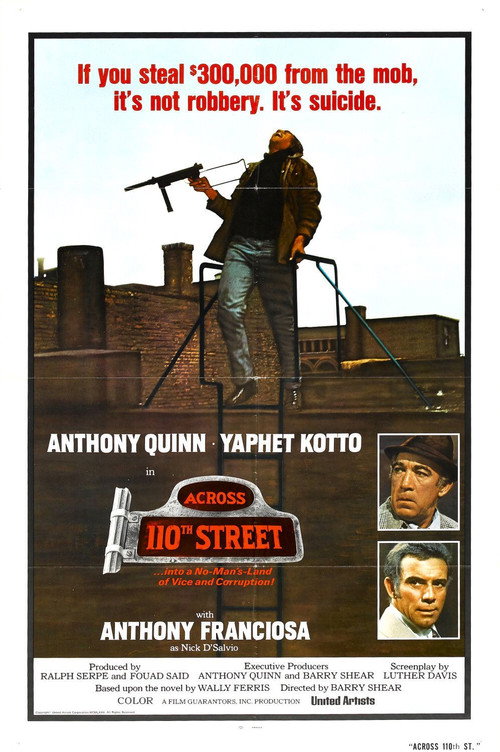
Across 110th Street1972
Both films treat crime and police work as equally corrupted sides of the same exhausted machinery; both refuse to make their protagonists redemptive.
A detective and a criminal chase each other through Harlem over stolen money and revenge. Barry Shear's film is as bleak and violent as Hickey & Boggs, but steeped in Harlem's specific gravity—race, poverty, institutional abandonment. The connection isn't just tone; it's the moral conviction that the system itself is the real criminal.
But Genuinely brutal; the violence isn't cathartic or stylized, just necessary and ugly.
More like this (7)
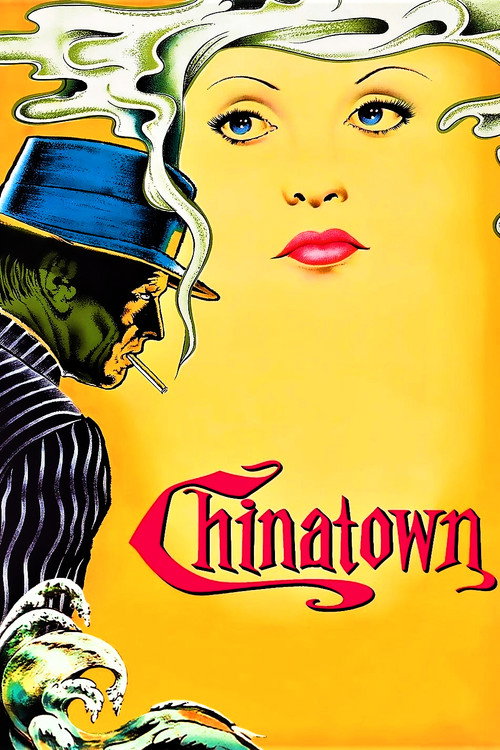
Chinatown1974
A detective consumed by a case that destroys rather than saves him. The gold standard for noir cynicism: corruption so total that justice becomes meaningless. Visually sumptuous where Hickey & Boggs is spartan, but spiritually aligned.
But If you haven't seen it, that's a gap—but this is obvious. No real reason except time.
The Killing1956
Kubrick's heist film told non-sequentially, following small-time crooks as their careful plan disintegrates. Shows crime as competence meeting bad luck; nobody wins, everyone bleeds money and time.
But Shot in stark black and white on a tight budget; if you need visual polish, it won't deliver.

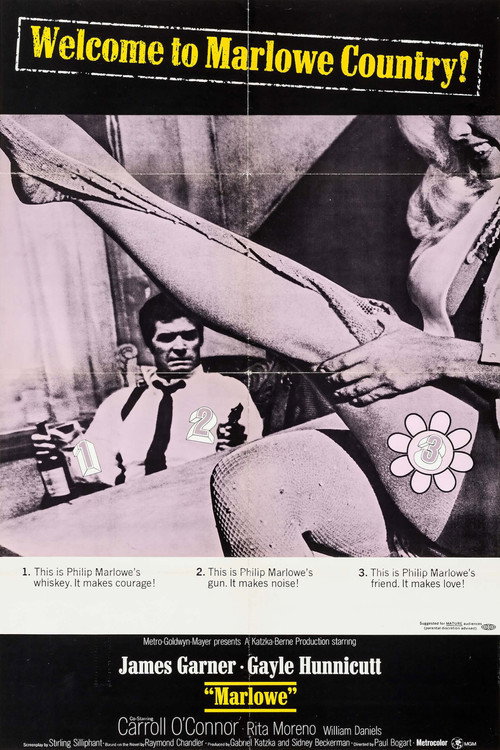
Marlowe1969
James Garner as Chandler's detective in a late-60s LA corruption case. Lighter than Hickey & Boggs but from the same tradition—a private eye as hired muscle in a city where nothing is simple.
But Garner's charm softens the edges where grittiness might serve better.
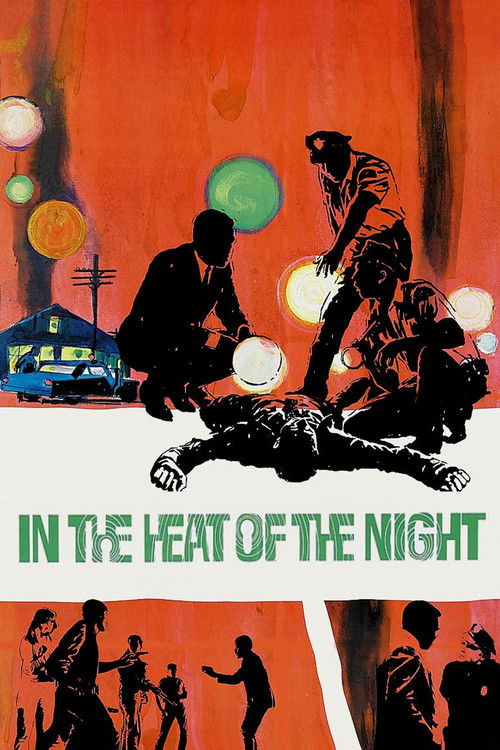
In the Heat of the Night1967
A Black detective forced to work with a racist white cop on a murder in the South. Crime procedural that makes the investigation inseparable from its social context; brutally tense.
But The racial dynamics, though central to its power, can feel staged if you're expecting subtlety over statement.
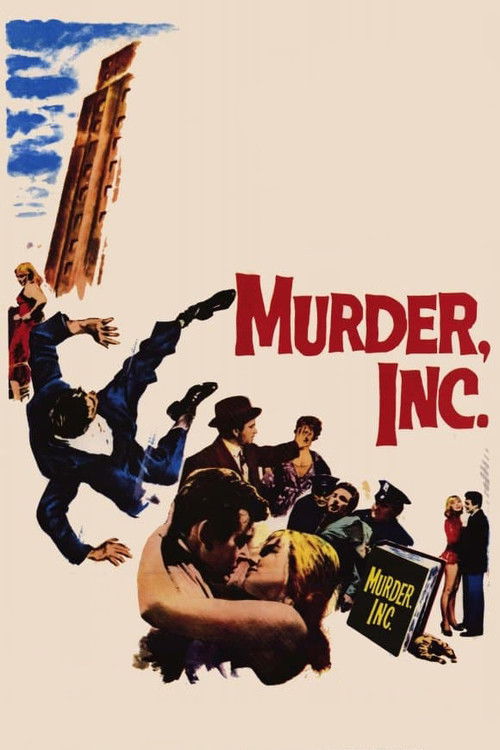
Murder, Inc.1960
A documentary-style account of the crime syndicate, showing organized murder as industrial infrastructure. Auster and Dassin treat killing as business, not passion—the same moral wasteland as Hickey & Boggs.
But Post-noir aesthetics; less stylish than later thrillers, more like a crime textbook than a story.
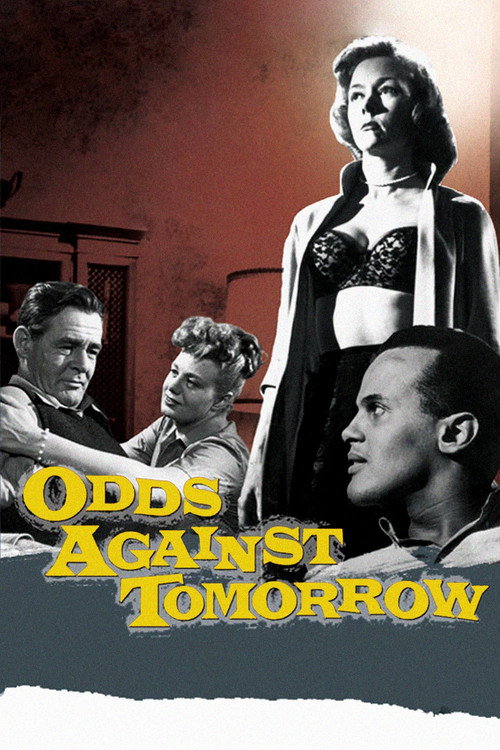
Odds Against Tomorrow1959
A heist film where racism implodes the plan from inside. Race and crime tangled together, with noir's fatalism about whether anyone leaves this world whole.
But Filmed in cold black and white; the pacing is deliberate to the point of slow.
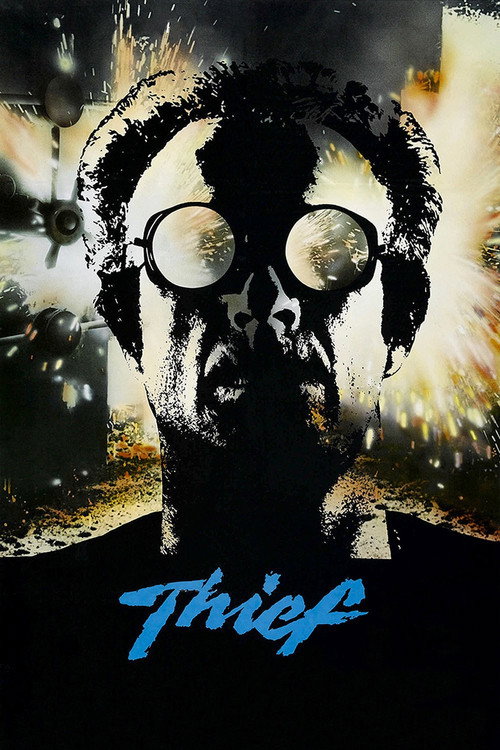
Thief1981
Both films are character studies of men who understand their world completely and are therefore unable to leave it; both treat competence as a trap rather than a virtue.
Michael Mann's film about a professional safecracker—a man at the end of his career, tired and methodical. Visually gorgeous where Hickey & Boggs is austere, but equally interested in crime as labor, in the weight of accumulated moral compromise, and in the impossibility of escape once you're inside the machinery.
But A synthesizer score and glossy 80s aesthetics can make it feel like a style exercise; Mann's coolness can read as detachment.
People
Cast
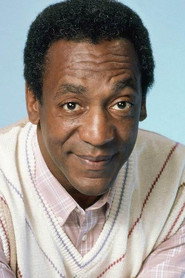 Bill CosbyAl Hickey
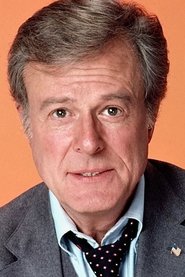 Robert CulpFrank Boggs
- Ta-Ronce AllenNyona's Daughter
 Rosalind CashNyona
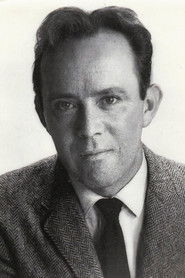 Lou FrizzellLawyer
- Nancy HowardApartment Manager's Wife
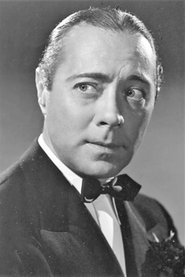 Bernard NedellUsed Car Salesman
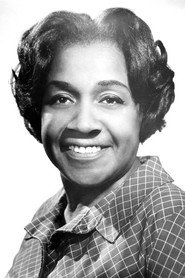 Isabel SanfordNyona's Mother
- Sheila SullivanEdith Boggs
- Carmencristina MorenoMary Jane
- Jason CulpMary Jane's Son
- Ron HenriquezQuemando: Florist
Directing
- Edward TeetsAssistant Director
- Robert CulpDirector
- Hope WilliamsScript Supervisor
Writing
- Walter HillWriter
Production
- Joel ReisnerAssociate Producer
- Lynn StalmasterCasting
- Richard L. O'ConnorExecutive In Charge Of Production
- Fouad SaidProducer
- Al NicholsonProduction Coordinator
- Elliot SchickProduction Manager
Recommended by
Walking Tall, Trouble Man, The Outfit, The Gauntlet, The Last American Hero, Rolling Thunder, Truck Turner, Electra Glide in Blue, Prime Cut, Busting, Mr. Majestyk, Framed, White Line Fever