
Film
Walking Tall
A 1973 action-drama based on real events: an ex-wrestler becomes sheriff and wages a one-man war against organised crime in rural Tennessee. It's visceral, violent, and absolutely committed to its hero myth—gritty exploitation cinema that doesn't wink at the camera. For anyone who loves unironic tough-guy cinema or the raw energy of 70s crime dramas.
Should you watch it?
Watch it if you like lean, blunt revenge stories built around a stubborn man, a big stick and a town gone rotten, where the violence lands with weight and the local color does real work.
Skip it if you want a tidy, fast-moving thriller; this one wanders through its middle and leans on a long, unhurried stretch of small-town gloom before the fists start flying.
What it asks of you: Settle in for a little over two hours at a deliberate pace, with long quiet scenes of dusty backroads and rough bars before the film turns hard and loud.
Not sure? Find tonight's pick in a minute.
If you liked this
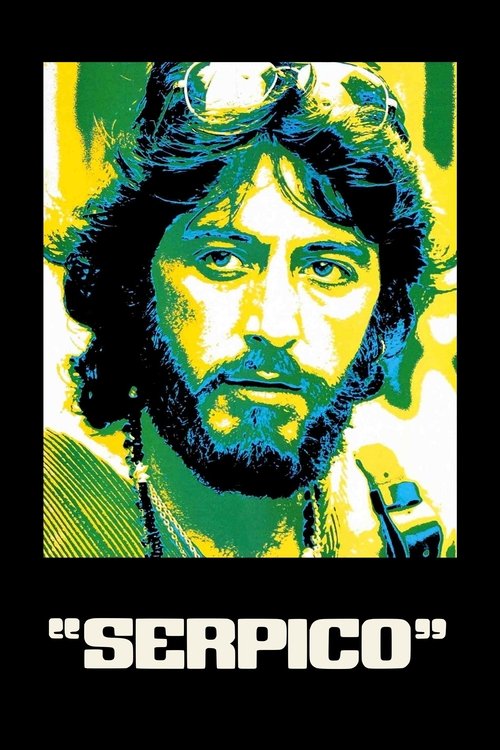
Serpico1973
Pacino as a cop fighting institutional corruption from within. Like Walking Tall but urban, smarter, and more tragic—a man's integrity becomes his curse, not his salvation.
But Slower and more procedural than you'd expect. The real-world politics can feel dated, and Pacino's barely contained rage doesn't always read as heroic.
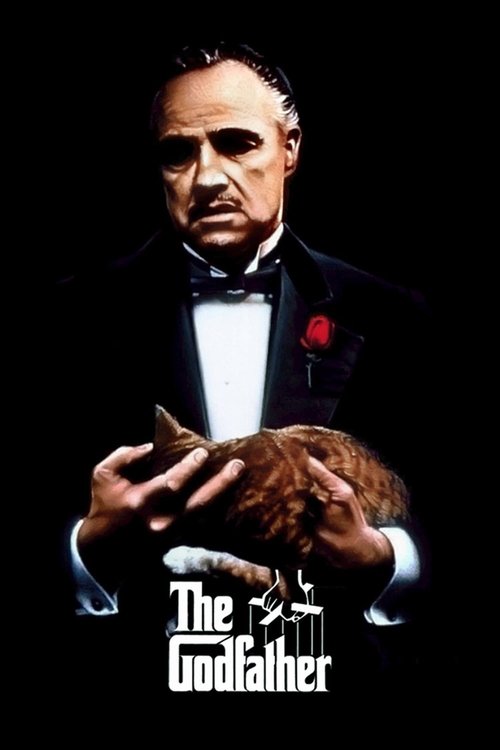
The Godfather1972
Coppola's masterpiece is crime cinema's high-water mark. Walking Tall and this are cousins: one a backwoods revenge tale, the other an operatic dynasty. Both are about power consolidating in brutal hands.
But Three-and-a-half hours. The mystique can overshadow the actual story. If you want action over atmosphere, you'll be disappointed.
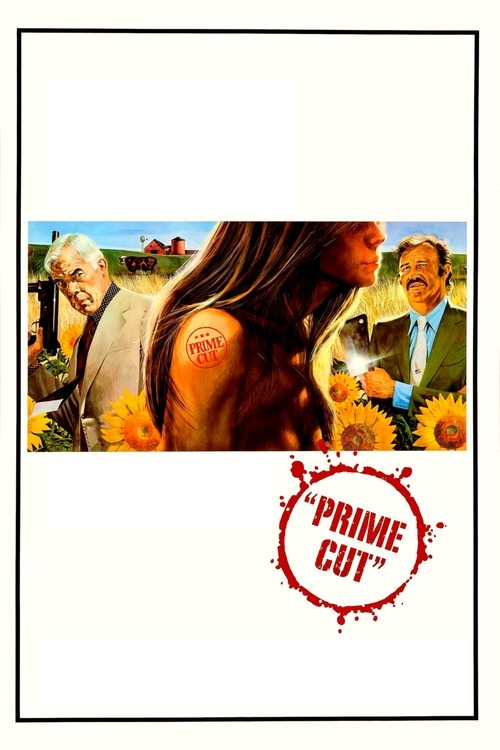
Prime Cut1972
Lee Marvin cleans house against organised crime in the Midwest. Violent, efficient, uninterested in psychology—exactly the pulp-action energy Walking Tall has, just with a bigger budget and ice-cold execution.
But Genuinely nasty at points. The film doesn't judge its own brutality and some viewers find that uncomfortable rather than thrilling.
Not sure tonight? Get a pick in a minute, starting from Walking Tall
The wildcard
Something you would not have found on your own.
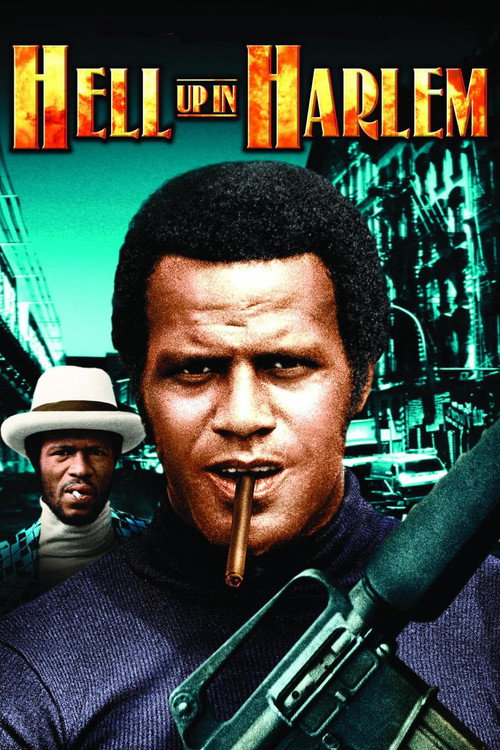
Hell Up In Harlem1973
Both are 1973 revenge sagas built on a single man's righteous violence against entrenched corruption. Both are exploitation cinema treating their heroes as myths. Walking Tall is the white rural version; this is its urban Black counterpart.
A Black exploitation crime film from the same year: a man wages one-man war against dealers and corrupt cops in his neighborhood. The structure is Walking Tall's, the genre is Blaxploitation, the result is pure 70s poetry.
But Low budget shows everywhere. The plot is secondary to style and music. If you need sleek production, it will feel cheap.
More like this (8)
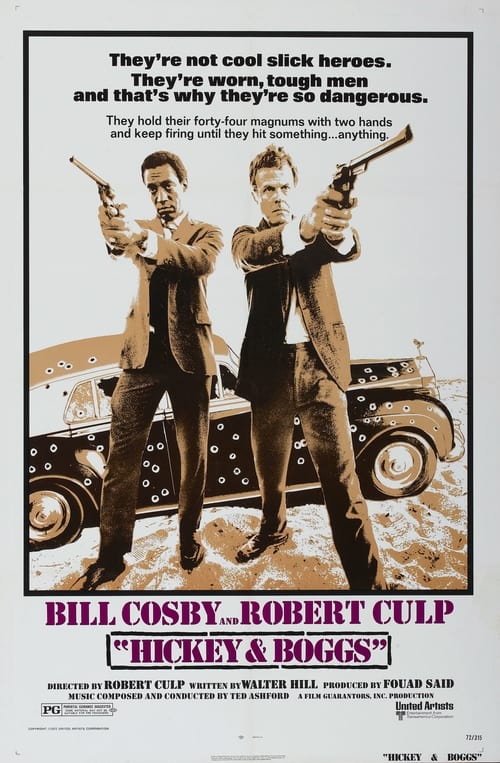
Hickey & Boggs1972
Bill Cosby and Robert Culp as burnt-out PIs. Raw LA crime story with real stakes and real failure. Walking Tall's American antihero energy but from detectives who can't win, only survive.
But Slow-burn and unglamorous. Expect downbeat naturalism, not heroic catharsis. It's a downer.
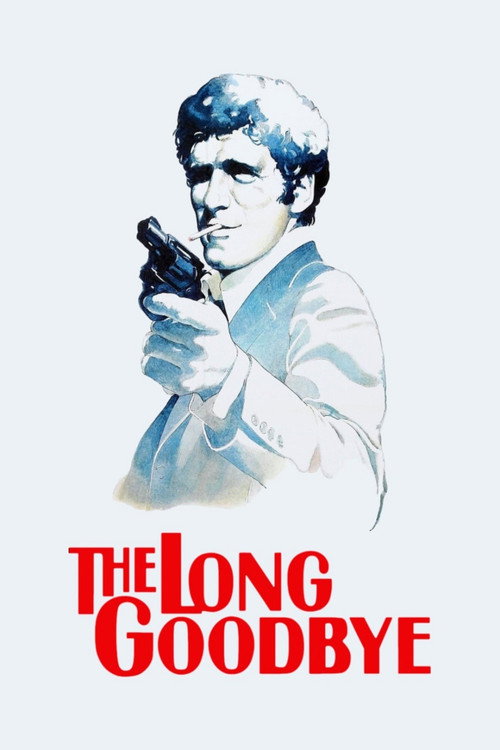
The Long Goodbye1973
Altman's Marlowe film is Chandler via the 70s: a principled man in a corrupt world, except here the world doesn't care about his principles. Same moral architecture as Walking Tall, inverted.
But Deeply anti-dramatic. Scenes meander. The ending is deliberately unsatisfying. If you want a hero's journey, you'll hate this.
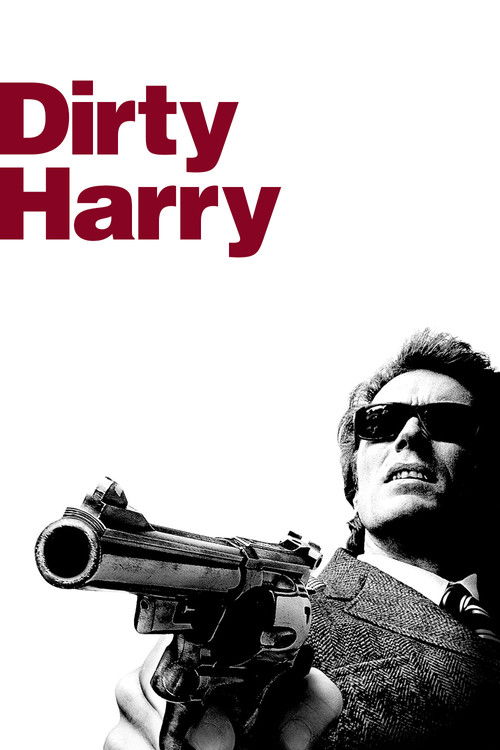
Dirty Harry1971
Eastwood's cop bends the law to break a killer. The template for the righteous vigilante—direct, uncomplicated action cinema that trusts the audience to know heroes from villains.
But The politics haven't aged gracefully. By modern standards it's bluntly fascistic in its worldview, which some find antique and others find repellent.
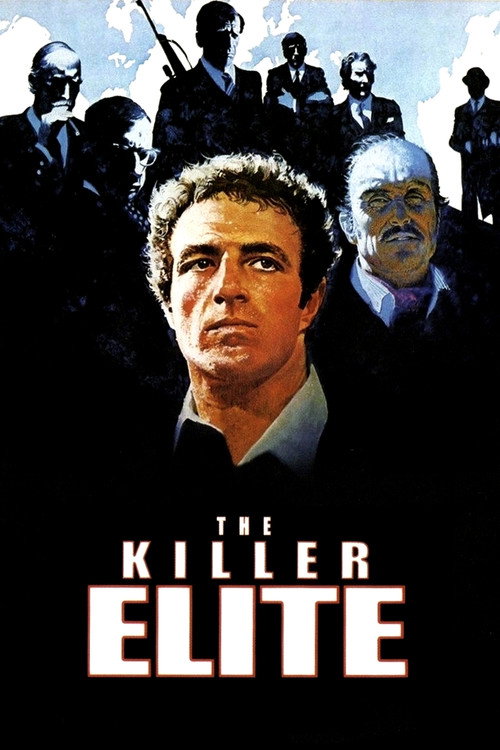
The Killer Elite1975
Peckinpah's assassin thriller. Peckinpah captures the same 70s paranoia and violence as Walking Tall but inside the spy world—operatives as lone wolves against systems that fail them.
But Genuinely difficult to follow in places. Peckinpah's style is baroque and sometimes incoherent. The plot tangles.
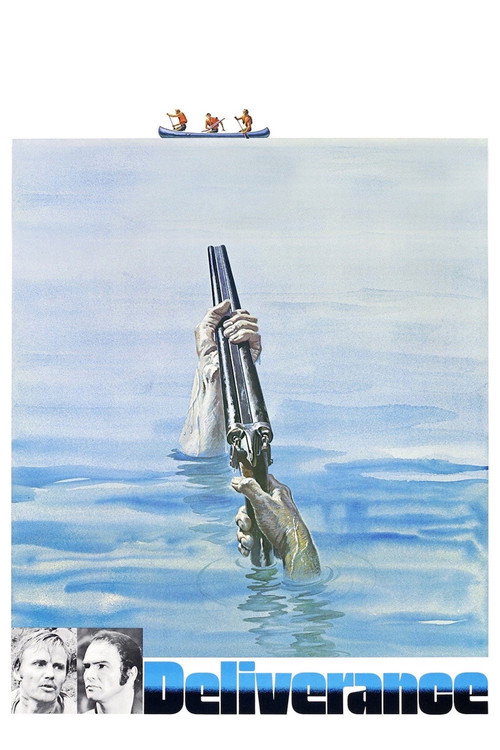
Deliverance1972
Boorman's survivalist nightmare. Southern backwoods, ordinary men versus primitive brutality. Walking Tall is the myth of that scenario; this is the actual horror underneath it.
But A rape scene that's neither exploitative nor cathartic—just traumatic. The film's refusal to allow revenge to feel satisfying will alienate people expecting empowerment.
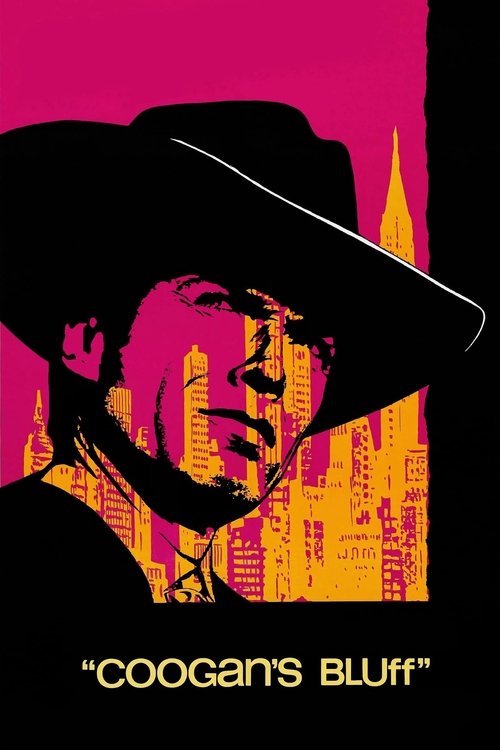
Coogan's Bluff1968
Eastwood's Arizona cop in New York. Same DNA as Walking Tall: a rural lawman's code versus an incomprehensible urban machine. Siegel directs with clarity and style.
But Pre-Dirty Harry Eastwood means less charisma and more confusion. It's a prototype that the sequels improved on.
Venom1981
Both center a man (Buford here, Klaus Kinski here) who is physically forceful and morally direct in a situation where that directness becomes the only reliable tool. Both are about the body as a more honest language than words.
A cobra loose in a London townhouse, criminals and police locked outside, hostages inside. Pacing like a pressure cooker. Sondheim's score wrings tension from the premise—genre cinema at its most disciplined.
But A siege film built on a snake. The premise is absurd and the film never pretends otherwise. If you need grounded drama, you're watching a gimmick.

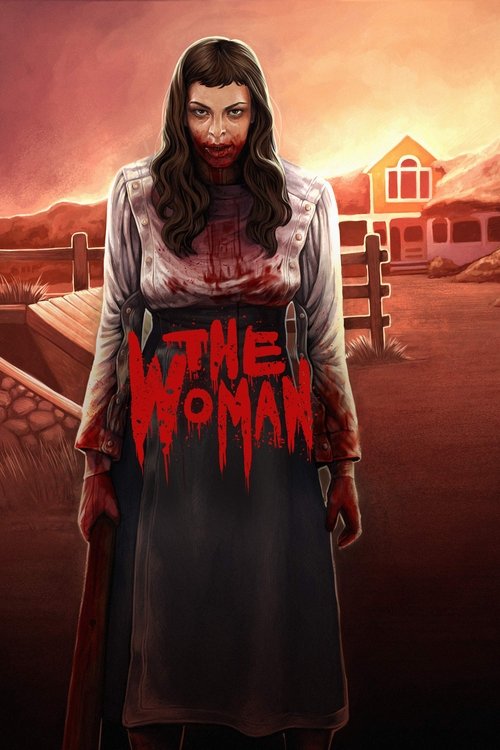
The Woman2011
Walking Tall mythologizes a man using a stick to impose order. The Woman asks what happens in communities where violence is the only language and where 'order' is just the strongest person's will. Same question, opposite conclusions.
A backwoods family holds a feral woman captive. Exploitation horror that asks what 'civilisation' means. The brutality is real and consequences matter. It's the darkest possible inversion of Buford's myth of righteous violence.
But Relentlessly bleak. Torture, abuse, sexual violence treated as facts, not spectacle. It's not transgressive for thrills; it's a genuinely difficult film about how cruelty justifies itself.
People
Cast
 Joe Don BakerBuford Pusser
 Elizabeth HartmanPauline
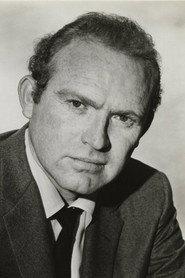 Gene EvansSheriff Al Thurman
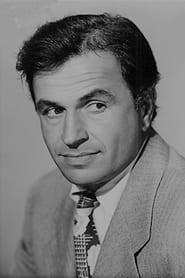 Noah Beery Jr.Carl Pusser
 Brenda BenetLuan Paxton
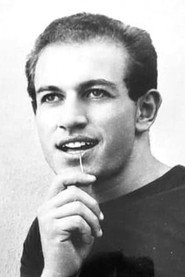 John BrasciaPrentiss Parley
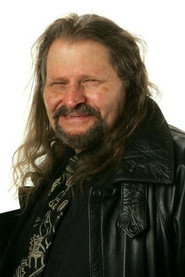 Bruce GloverGrady Coker
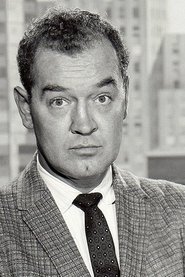 Arch JohnsonBuel Jaggers
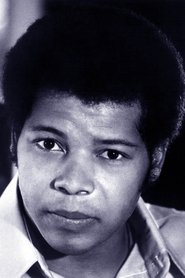 Felton PerryObra Eaker
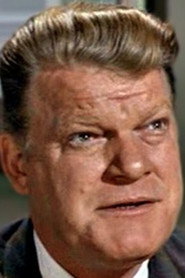 Richard X. SlatteryArno Purdy
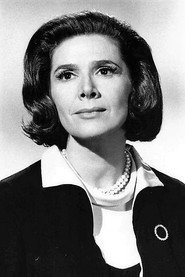 Rosemary MurphyCallie Hacker
 Lynn BordenMargie Ann
Directing
- David 'Buck' HallAssistant Director
- Ralph E. BlackAssistant Director
- Phil KarlsonDirector
- Hazel W. HallScript Supervisor
- Mark Sandrich Jr.Second Assistant Director
Writing
- Mort BriskinWriter
Production
- Joel BriskinAssociate Producer
- Irving LandeCasting
- Charles A. PrattExecutive Producer
- Mort BriskinProducer
- John PommerProduction Executive
- Floyd JoyerProduction Manager
Recommended by
Death Wish, Bad Day at Black Rock, The Wild One, Cherry, Harry & Raquel!, Rolling Thunder, Every Which Way but Loose, Breaker! Breaker!, The Born Losers, Mr. Majestyk, Framed, Gator, Steel, Joe, Death Wish II