
Film
Hell Up In Harlem
A 1973 blaxploitation thriller where Fred Williamson plays a Harlem gangster caught between the mob, his past, and his conscience. Fast-paced, raw-edged, and uninterested in apology, it's a street-level crime film that captures the texture of early-seventies genre cinema. For anyone hungry for authentic action and genuine stakes.
Should you watch it?
Watch it if you love blaxploitation at its most gleefully overheated, where crime-family loyalty, bare-knuckle revenge and cheap-but-committed set pieces carry the day and nobody stops to apologize for the swagger.
Skip it if you want tight plotting or restrained performances; this one lurches between scenes with loose logic, and its ninety-five minutes can feel more like a stack of showdowns than a sustained story.
What it asks of you: Stay loose and let it roll: it moves fast and rarely pauses for quiet, so the pleasure comes from following its jolts of violence and bravado rather than from close attention to character.
Not sure? Find tonight's pick in a minute.
If you liked this
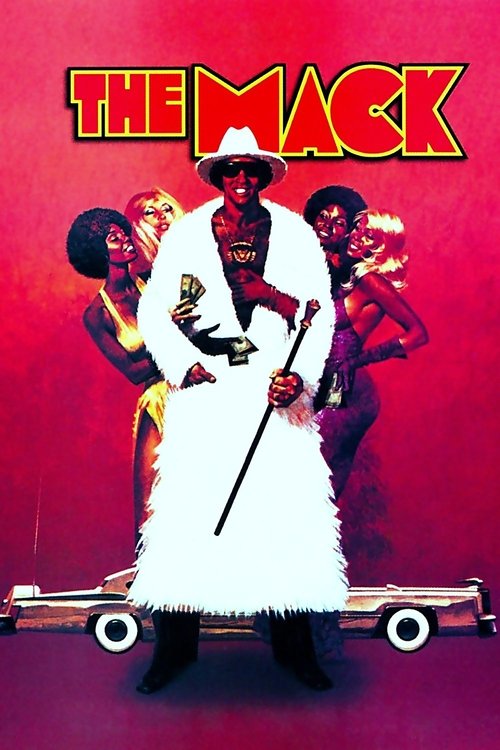
The Mack1973
Released the same year, it's the definitive pimp-cinema film with Max Julien at the centre. Equally audacious about its subject, equally stylish, and it shares that sense of moral complexity under the gloss.
But The sexual politics are ancient and ugly. If exploitative depictions of women alienate you instantly, this will not soften that instinct.
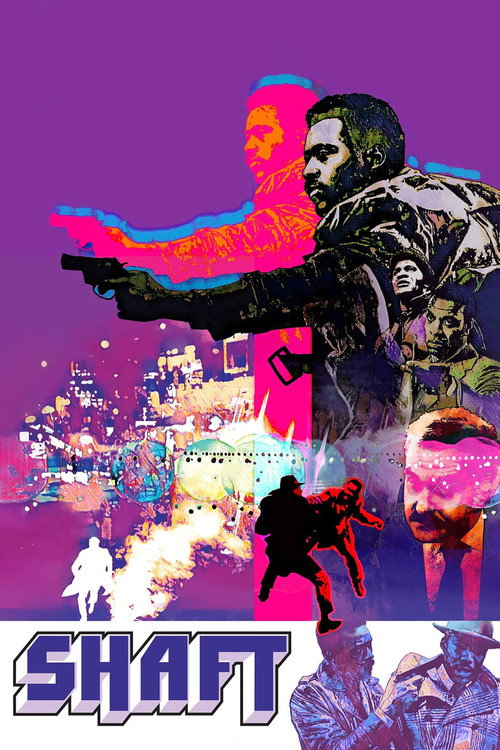
Shaft1971
The film that proved Black action heroes could anchor a major picture. Slick, confident, and genuinely thrilling—Isaac Hayes' theme alone is worth the price of entry. The template everything that followed learned from.
But It's almost fifty years old and feels it. The plot is straightforward to the point of simplicity, and the pacing occasionally drags between action sequences.
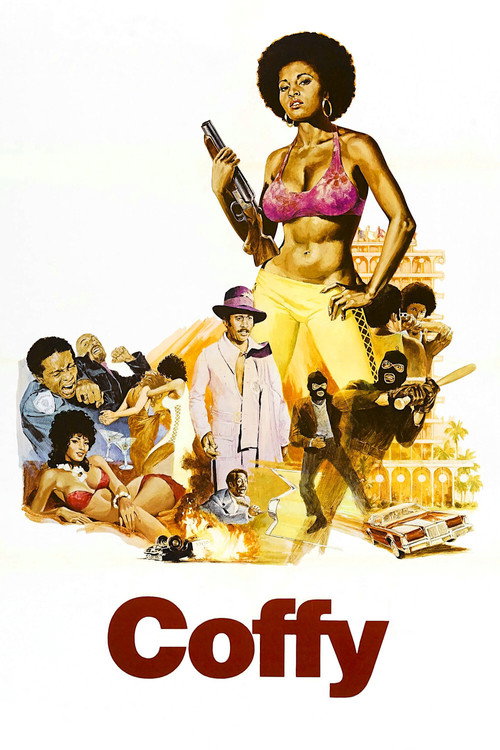
Coffy1973
Pam Grier on a rampage through the drug trade. Brutal, sexy, and completely unafraid of its own rage. If you want the same era and energy but from a different angle, this is the move.
But The violence is sudden and graphic. The sexual scenes sit right up against exploitation, and some viewers find that line uncomfortable rather than transgressive.
Not sure tonight? Get a pick in a minute, starting from Hell Up In Harlem
The wildcard
Something you would not have found on your own.
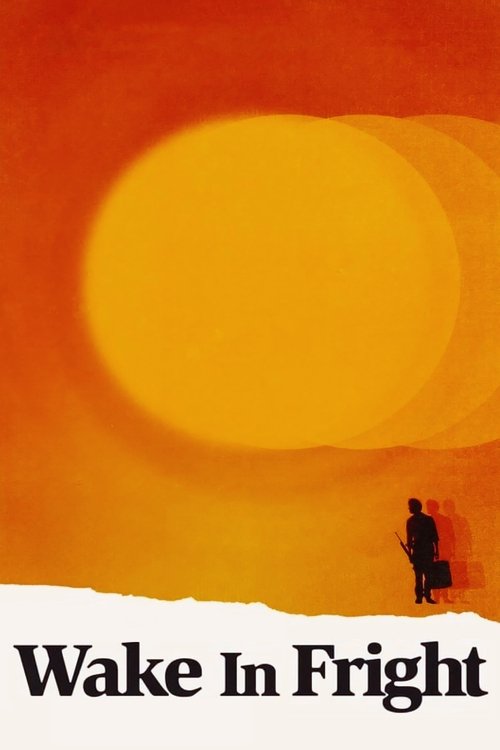
Wake in Fright1971
Both films trap their hero in an inescapable moral landscape where violence is the only language available—and neither film pretends that this ends well.
An Australian horror-thriller about a man trapped in a brutal outback town. It shares Hell Up In Harlem's sense of a protagonist caught in a system that wants to destroy him, but channels that into existential dread instead of action. The claustrophobia and violence are just as uncompromising.
But The pacing is deliberate and suffocating. There's no catharsis, no victory. If you need narrative resolution or forward momentum, this will feel like drowning.
More like this (8)
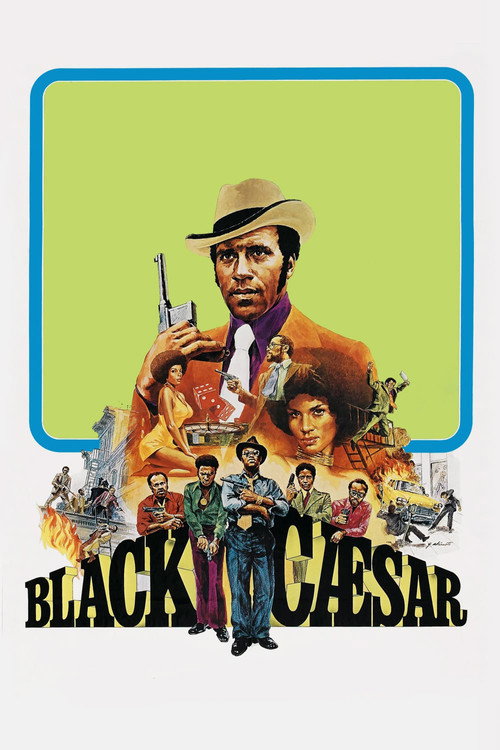
Black Caesar1973
Another 1973 entry, with Fred Williamson himself. A crime-family saga shot with real style and ambition. If you want to see what Williamson was capable of in a slightly more expansive narrative, it's essential.
But The second half loses some focus. By the end it's trying to be three different films at once, and that ambition works against the story's momentum.
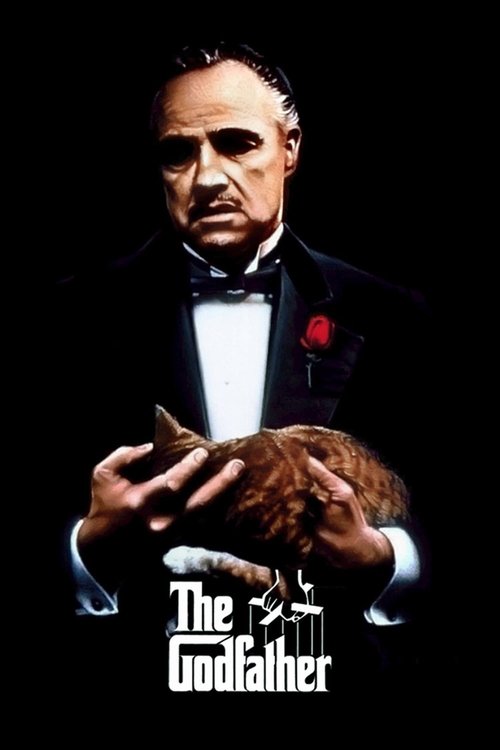
The Godfather1972
The counterpoint: operatic, baroque, and deeply concerned with legacy and power. Both films are about crime families and succession. One is symphonic; the other is street-level and immediate. Together they define the decade's approach to the subject.
But Three hours is a commitment. If you're looking for kinetic energy and quick cuts, Coppola's deliberate pacing will feel glacial.
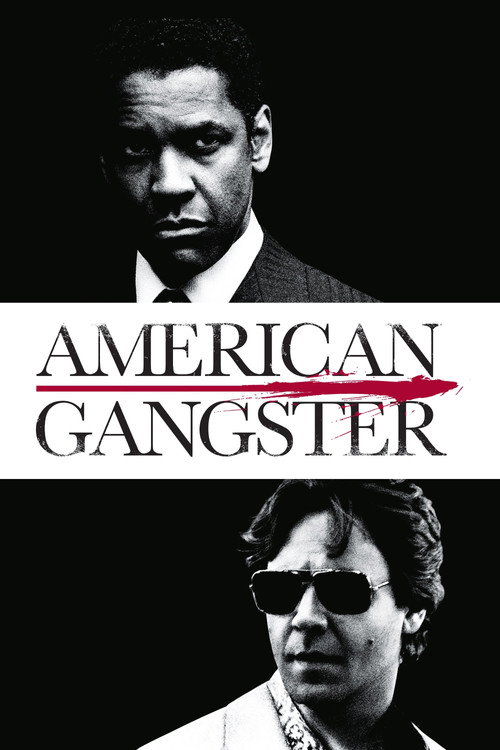
American Gangster2007
Ridley Scott brings the same moral clarity to a Harlem drug lord's rise and fall. Denzel Washington and Frank Lucas make for a more contemporary take on the same geography and moral questions.
But It's glossier and safer than its predecessor films. The street-level rawness gets sanded down in favour of prestige and scale.
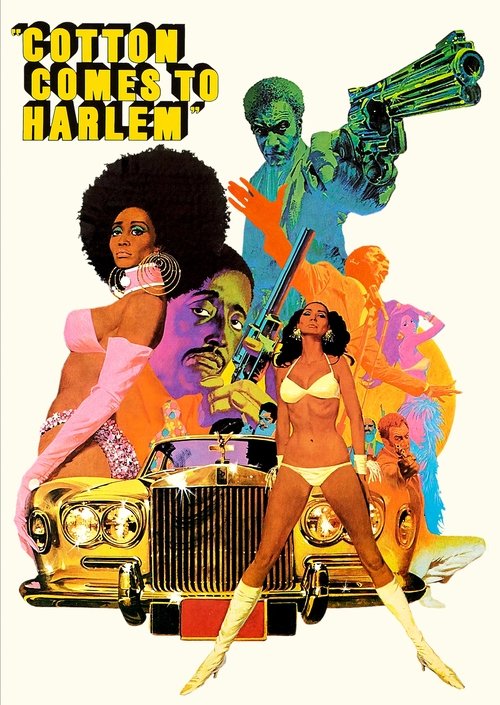
Cotton Comes to Harlem1970
Godfrey Cambridge and Raymond St. Jacques in a crime comedy that's funny, fast, and genuinely clever about race and exploitation. Lighter in tone but equally sharp about Harlem's texture and its con men.
But The comedic elements don't always land. Some jokes feel laboured, and the tone can feel uneven to modern ears.
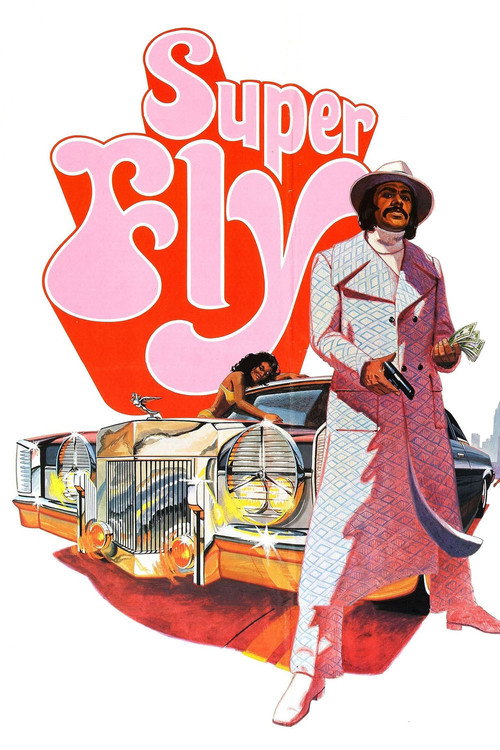
Super Fly1972
Ron O'Neal and that Curtis Mayfield score. A cocaine dealer trying to escape the game—it's the archetypal blaxploitation thriller, and everything about it lands. The moral question is as sharp as the style.
But The plot is thin. Underneath the impeccable surface is a pretty simple story, and if the vibe doesn't grab you immediately, there's not much to hold onto.
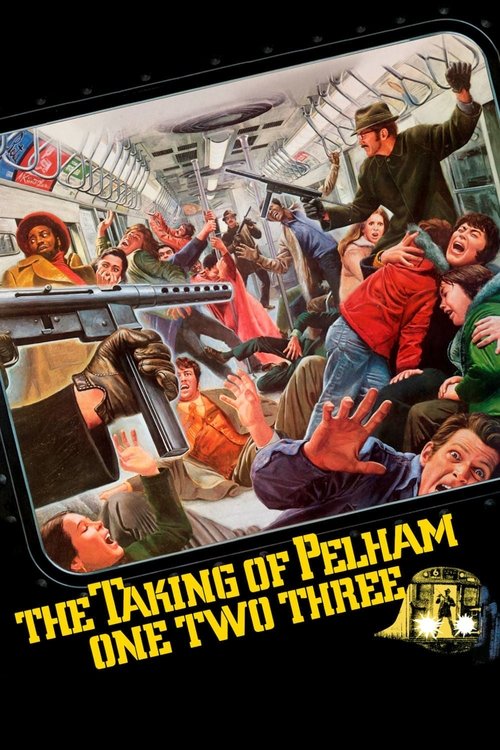
The Taking of Pelham One Two Three1974
A tense New York crime thriller with real stakes and a superb ensemble. The city itself becomes a character. If you want that same early-seventies crime-film energy but in a different register, this delivers it.
But It's a procedural, not a character study. If you're looking for moral depth and psychological complexity, this prioritizes plot and momentum instead.
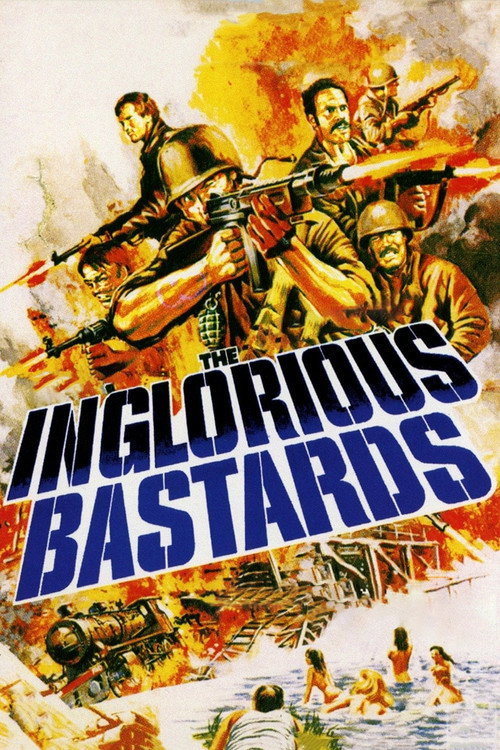
The Inglorious Bastards1978
Both are genre films made outside the studio system, more interested in the feeling of danger than in polish. Both trust their audiences to sit with discomfort.
Bo Svenson leads a low-budget Italian action film about Allied soldiers escaping a Nazi camp. Raw, physically brutal, and genuinely tense in ways that expensive films weren't. It's the same DNA—street-level action, real stakes, B-movie ambition executed with craft.
But It's subtitled, and the dubbing on the English version is rough. The budget shows. Some action beats are awkwardly staged or unconvincingly edited.
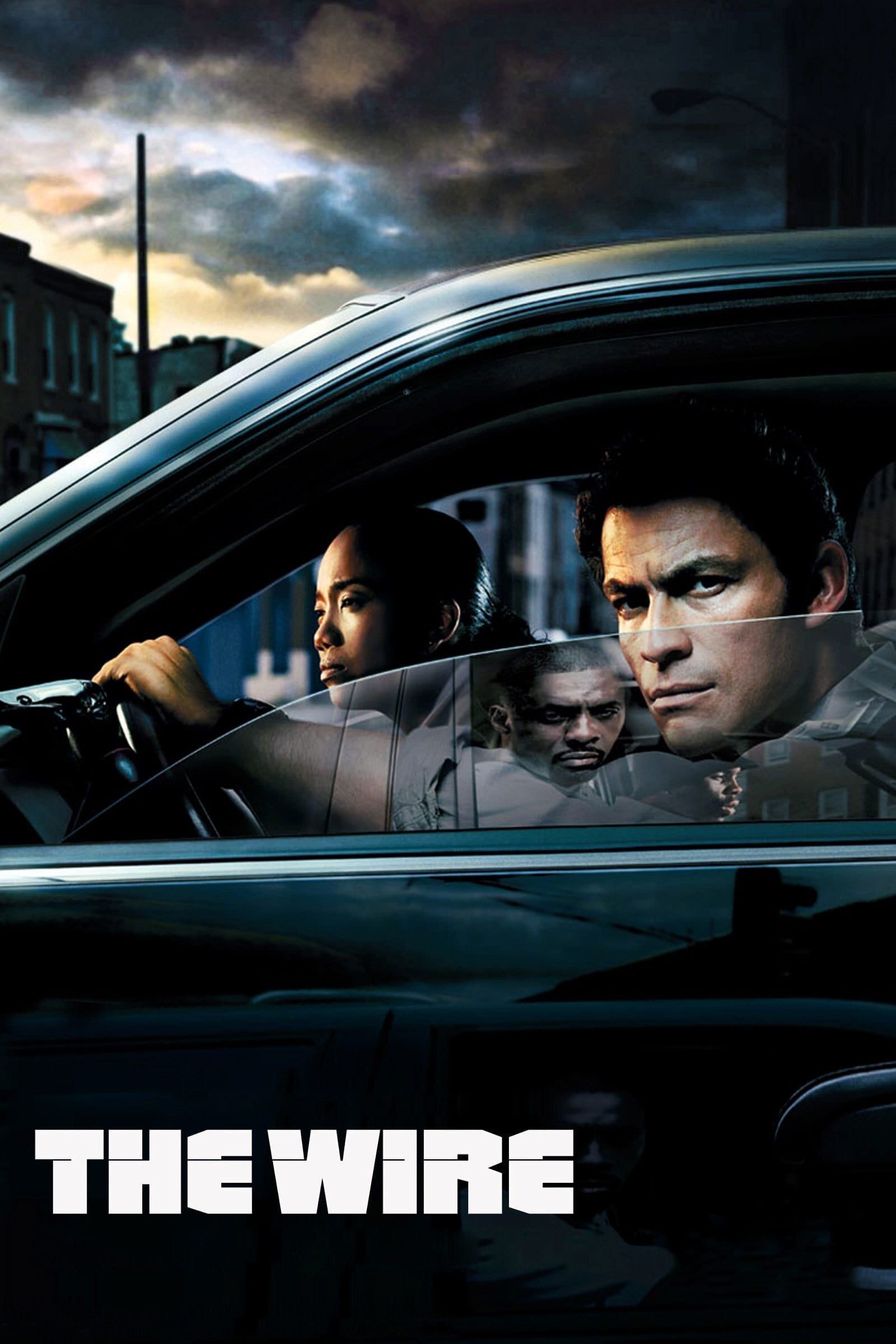
The Wire2002
Both refuse the lie that one person can change the system. Both see crime not as a moral failing but as a rational response to inequality. Both are angry in the same way.
Five seasons of Baltimore crime seen from every angle—dealers, cops, politicians, schools. It's the spiritual successor to Hell Up In Harlem's unflinching look at a city's criminal ecology. Longer, richer, and even more unsparing about how systems grind people down.
But The first season is slow. You're building a city, not following a single hero. If you need a clear protagonist, the ensemble structure can feel diffuse and frustrating at first.
People
Cast
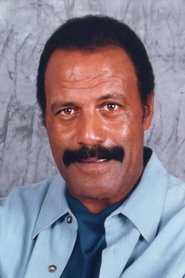 Fred WilliamsonTommy Gibbs
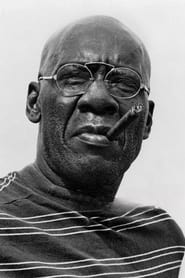 Julius HarrisPapa Gibbs
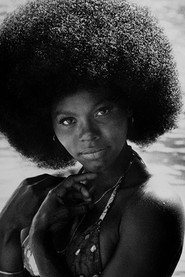 Gloria HendryHelen Bradley
 Margaret AverySister Jennifer
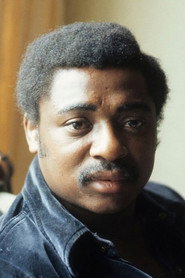 D'Urville MartinReverend Rufus
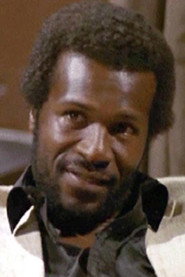 Tony KingZach
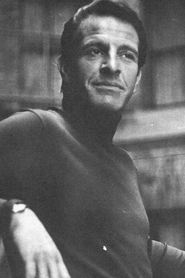 Gerald GordonMr. DiAngelo
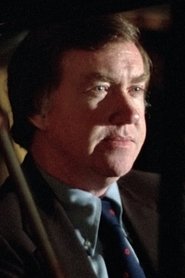 James DixonIrish
 Ty RandolphTough Bikini Woman
Directing
- Larry CohenDirector
Writing
- Larry CohenScreenplay
Production
- James DixonAssociate Producer
- Janelle WebbCo-Producer
- Peter SabistonExecutive Producer
- Samuel Z. ArkoffExecutive Producer
- Larry CohenProducer
Recommended by
Walking Tall, Three the Hard Way, Mean Johnny Barrows, Maniac Cop