
Film
Mean Johnny Barrows
A 1975 blaxploitation crime drama about a Vietnam vet unwillingly pulled into mob warfare. Fred Williamson carries the film with charisma through a lean, brutal plot that privileges action over coherence. It's the kind of genre piece that swings for the fences—sometimes connecting, sometimes missing badly. For viewers who love that era's raw energy and don't mind rough edges.
If you liked this
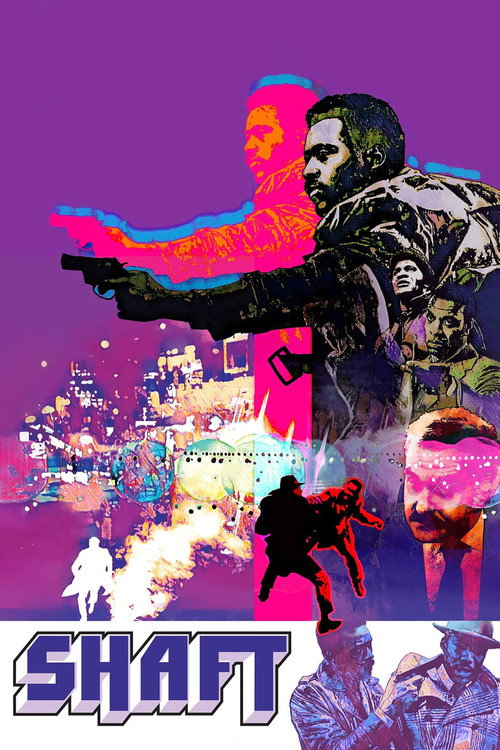
Shaft1971
Sleek, confident noir with one of the best film scores ever made. Richard Roundtree defines cool, and the plot—private detective hired to find a kidnapped daughter—runs through Harlem with real street credibility and style.
But The pacing is deliberate, sometimes glacial. Some of the dialogue and racial politics read as period pieces now, which distances modern viewers.
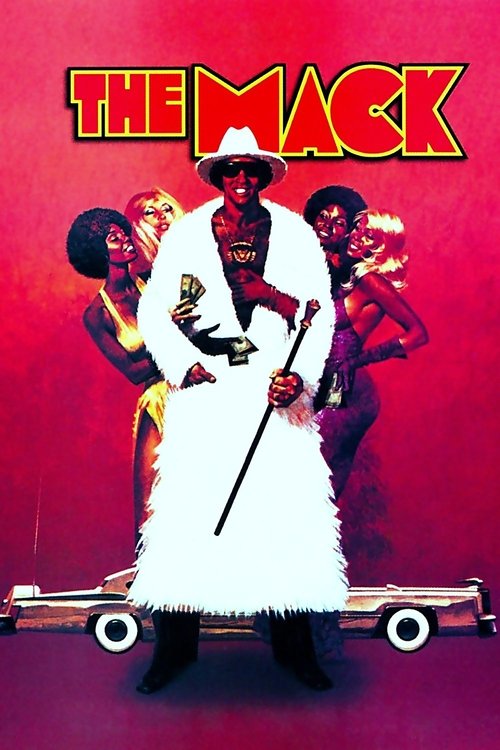
The Mack1973
Max Julien is electrifying as a pimp operating with genuine intelligence and ambition. Crime drama with actual character depth, visual flair, and a moral complexity rare for its moment. Roddy McDowall (who's in Mean Johnny Barrows) steals scenes as a corrupt politician.
But Sex work and exploitation are central subjects. The film doesn't judge its protagonist harshly, which some find morally uncomfortable.
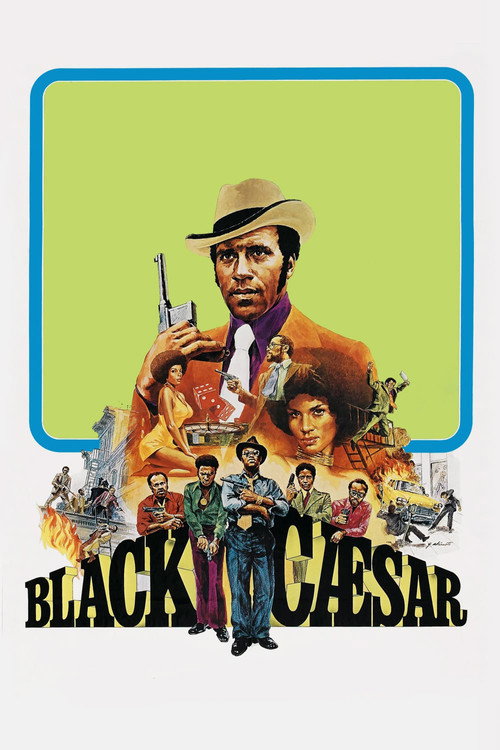
Black Caesar1973
Fred Williamson's best work as a street operator who rises and falls through Harlem crime. It's got real intelligence underneath the action—questions of power, race, and survival that elevate it beyond genre machinery. Strong supporting cast and propulsive energy.
But Violence is graphic for 1973. The ending is bleak in a way that can feel punitive rather than tragic.
Not sure tonight? Get a pick in a minute, starting from Mean Johnny Barrows
The wildcard
Something you would not have found on your own.
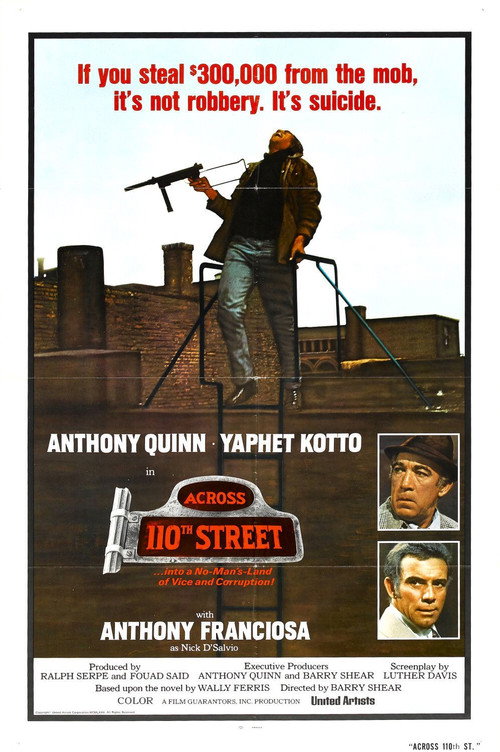
Across 110th Street1972
Both films pit individual ambition against institutional corruption, with a Vietnam vet or ex-con forced to move between mob structures. Both understand that survival sometimes means becoming what you hate.
A heist goes wrong in Harlem, and the film becomes a conversation between a brutal police captain (Anthony Quinn) and a hardened con (Yaphet Kotto) over a pile of money. No heroes, just competing interests and survival. Barry Shear directs with real moral complexity—this is the adult version of what blaxploitation was trying to say.
But The violence is sudden and ugly. No one gets a hero's arc. The ending offers no catharsis, which modern audiences sometimes find frustrating.
More like this (7)
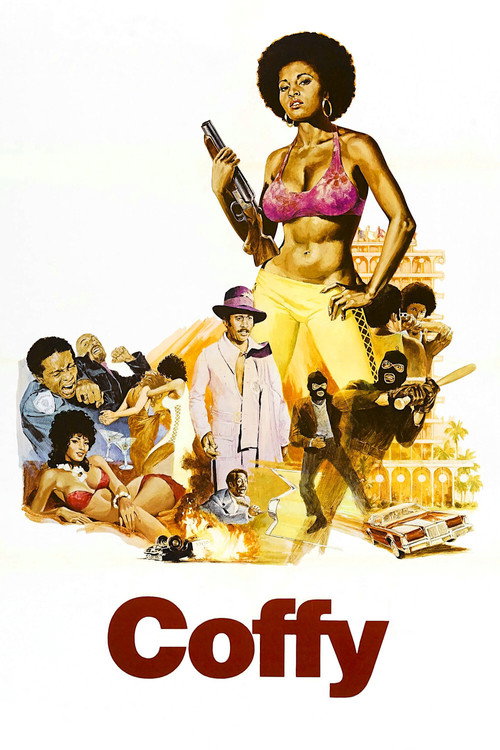
Coffy1973
Pam Grier on a revenge mission through drug dealers and corrupt officials. Exploitation film that treats its heroine as competent and fearless rather than a victim. The action is visceral and the anger feels genuine, not manufactured.
But The sexual violence, though not gratuitous, is present and disturbing. Some may find the B-movie plotting thin.
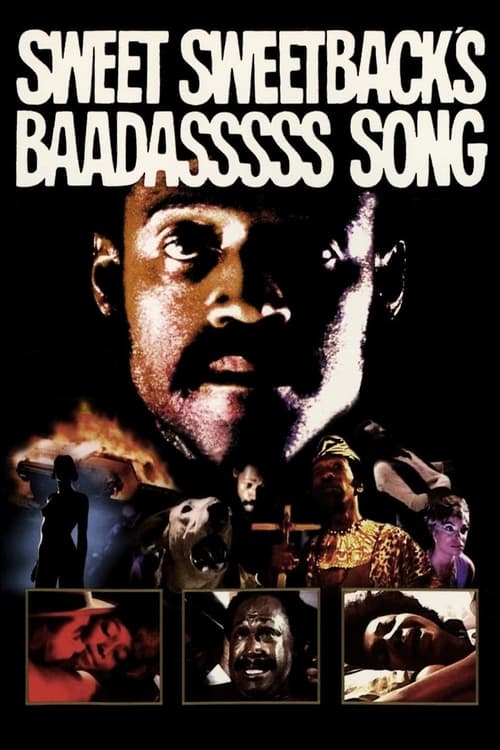
Sweet Sweetback's Baadasssss Song1971
Melvin Van Peebles' radical, genre-defining film about a man on the run from corrupt cops. Experimental, crude, alive with rage. It's the blueprint for everything that followed, including Mean Johnny Barrows. A genuine work of protest art.
But The narrative is deliberately fragmented and sometimes hard to follow. Pacing is unconventional. The sexual content is explicit and unapologetic.
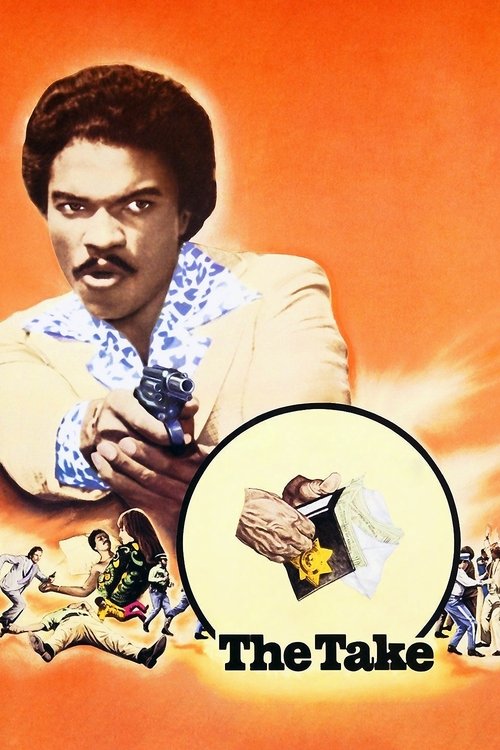
The Take1974
Billy Dee Williams and Eddie Albert in a heist film with a darker edge than you'd expect. It moves fast, has personality, and treats its characters with respect even when they're doing bad things. Underrated gem of its era.
But Not widely known or easy to find. Pacing can feel scattered in its middle section.
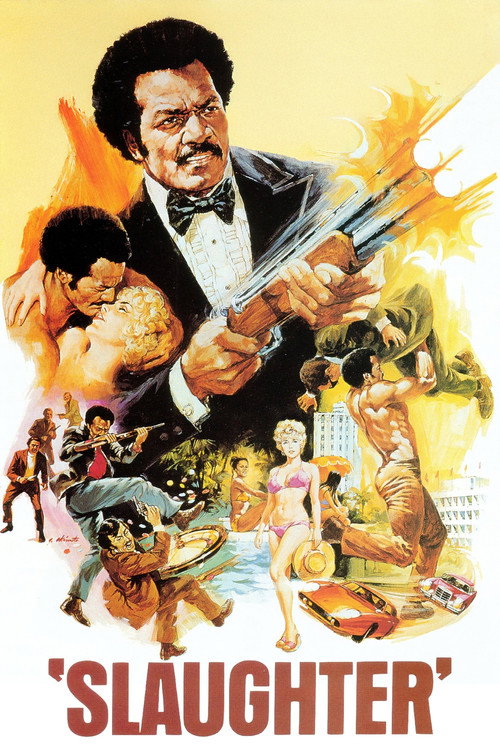
Slaughter1972
Jim Brown as a Marine vet drawn into vigilante violence against organized crime. Straightforward action film with real physical presence—Brown is not a trained actor, but he carries a movie through sheer presence and genuine toughness.
But The acting outside Brown is uneven. Plot is thin and serves only to set up action sequences.
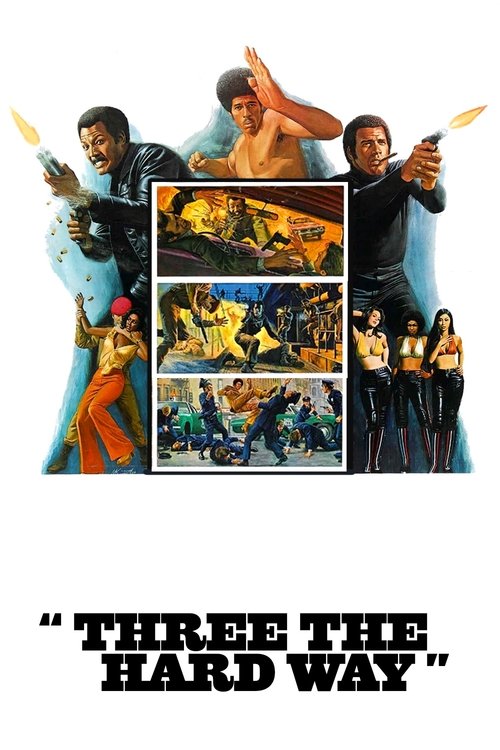
Three the Hard Way1974
Jim Brown, Fred Williamson, and Jim Kelly team up against a white supremacist plot. It's big, loud, confident, and genuinely entertaining. The three leads have different energies, and their chemistry keeps it moving.
But The racial politics, while well-intentioned, can feel blunt. Budget constraints show in some of the action sequences.
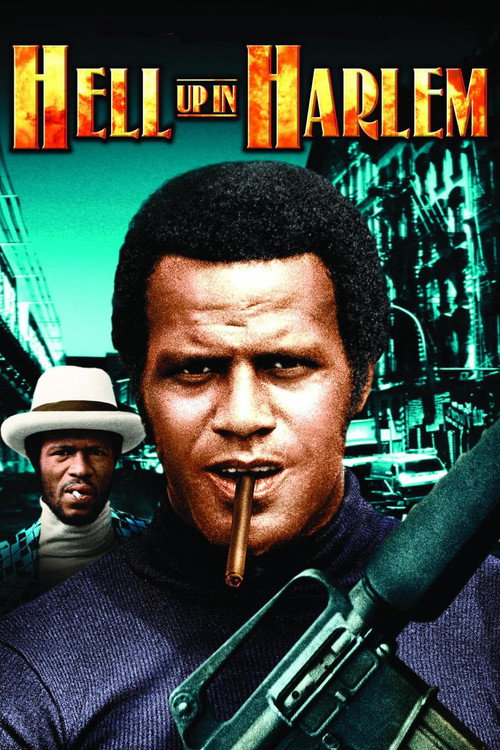
Hell Up In Harlem1973
The sequel to Black Caesar, doubling down on Fred Williamson's charisma and the film's visual style. More assured direction, bigger set pieces, genuine entertainment value. A solid follow-up that knows what worked.
But You really should watch Black Caesar first. Some of the plot mechanics strain credibility even for a crime drama.
The Killers1946
Both center on a capable man whose personal choices leave him no exit route—trapped by circumstance, loyalty, or his own nature. Both suggest some men are built for violence and can't escape it.
A noir masterpiece: Burt Lancaster is a criminal waiting for death to come, and the film flashes through his life showing how he got trapped. Robert Siodmak directed with visual brilliance. It's the emotional DNA of Mean Johnny Barrows, but with poetry and professional craft. The best version of 'a man caught between forces bigger than himself.'
But It's in black and white from 1946. The gender politics are appalling by modern standards. The pacing expects you to sit still.

People
Cast
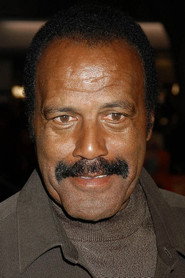 Fred WilliamsonJohnny Barrows
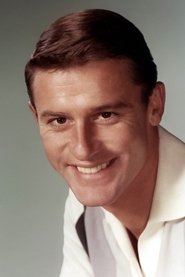 Roddy McDowallTony Da Vince
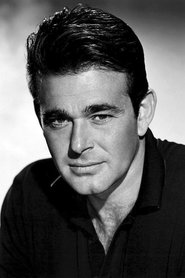 Stuart WhitmanMario Racconi
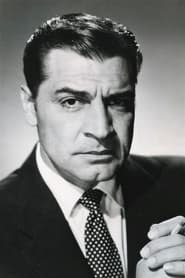 Anthony CarusoDon Da Vince (as Tony Caruso)
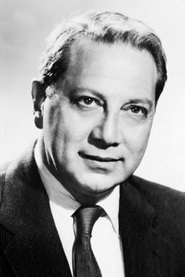 Luther AdlerDon Racconi
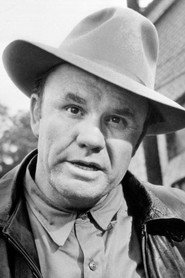 R.G. ArmstrongRichard
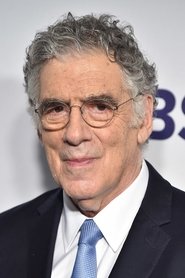 Elliott GouldProf. Theodore Rasputin Waterhouse
- Jenny ShermanNancy
- Aaron BanksCapt. O'Malley
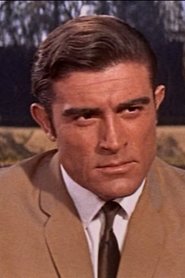 Mike HenryCarlo Da Vince
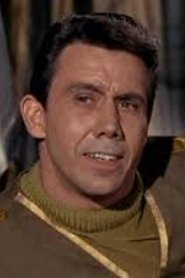
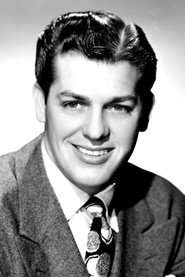 James BrownPolice Sergeant
Directing
- Bobby AngelleAssistant Director
- Fred WilliamsonDirector
Writing
- Charles WalkerWriter
- Jolivett CatoWriter
Production
- Lee B. WinklerExecutive Producer
- Fred WilliamsonProducer
- Bob ManningProduction Manager