
Film
The Take
A 1974 crime thriller where a morally compromised New Mexico cop walks both sides of the law, taking bribes while pursuing a racketeer. It's a gritty, character-driven piece of 70s pulp that doesn't bother with heroes—just men making corrupt choices in a sun-baked landscape. For fans of the era's amoral anti-heroes and pulp crime fiction.
If you liked this
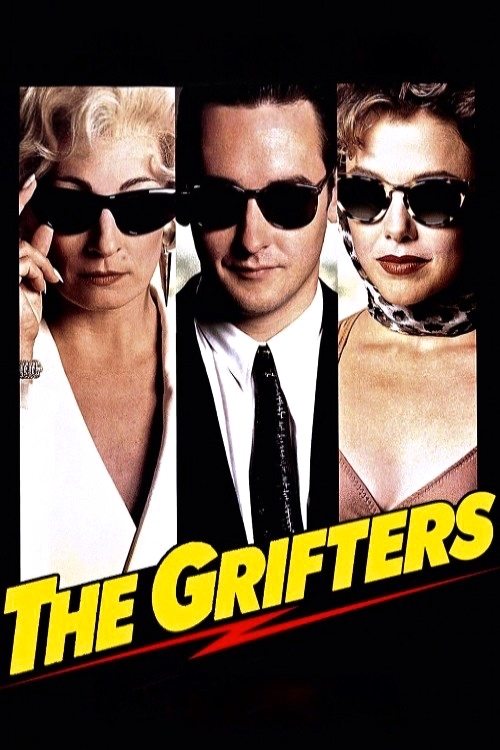
The Grifters1990
Three con artists tangle over a score, each convinced they're the smartest in the room. Con games within con games, terrific chemistry, and a moral rot that makes everyone sympathetic and nobody trustworthy.
But The ending is bleak and the characters are all fundamentally selfish, which some find exhausting rather than compelling.
The Killing1956
Kubrick's heist masterpiece: a racetrack robbery told in fragments, following multiple criminals with overlapping plans. Lean, clever, morally ambiguous, and it all unravels in real time.
But It's shot in black-and-white on a tight budget, which some viewers find dated or austere compared to modern crime thrillers.

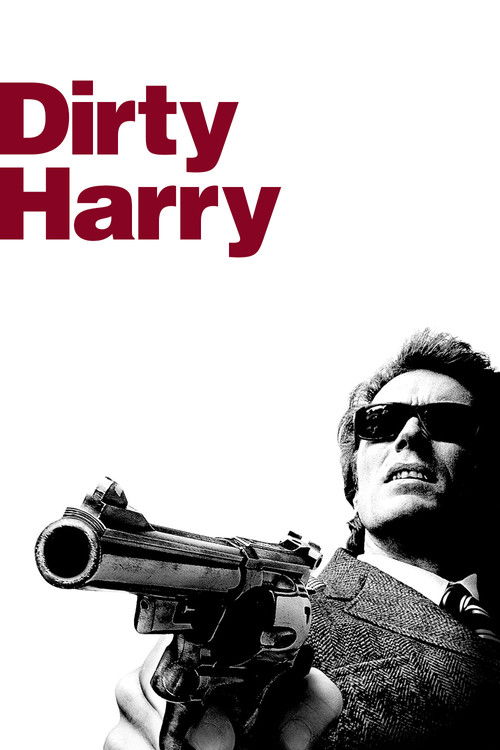
Dirty Harry1971
Clint Eastwood as a violent San Francisco cop who breaks every rule to catch a serial killer. Iconic, quotable, viscerally tense, and Eastwood's performance is pure charisma and menace.
But The politics are baked in—it's a full-throated defense of cop brutality as necessary, which lands differently now than in 1971.
Not sure tonight? Get a pick in a minute, starting from The Take
The wildcard
Something you would not have found on your own.
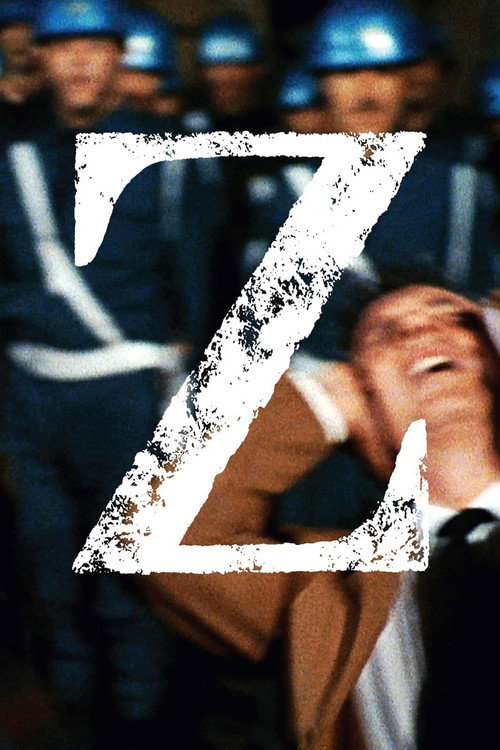
Z1969
Both are 70s-adjacent crime films about corruption and systems, but Z believes in exposure and justice while The Take believes in nothing but survival. They're opposite answers to the same question.
Costa-Gavras' political thriller about a journalist investigating a government assassination in an unnamed fascist country. It's built like a crime puzzle but it's really about how power silences truth. Tense, morally clear, structurally brilliant.
But It's a French-Algerian film subtitled in English, and the politics are explicitly didactic—it never lets you sit in moral ambiguity the way The Take does.
More like this (8)
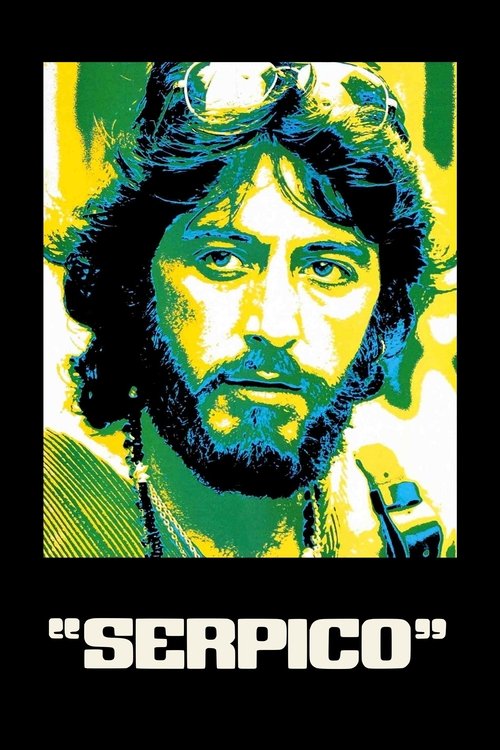
Serpico1973
Al Pacino as a real cop who refuses to take bribes and gets destroyed for it by his own department. Furious, urgent, based on true events, and the exact mirror-image of your film's corrupt protagonist.
But It's earnest and sentimental in places, and Pacino's performance can feel theatrical compared to the grittier 70s crime work around it.
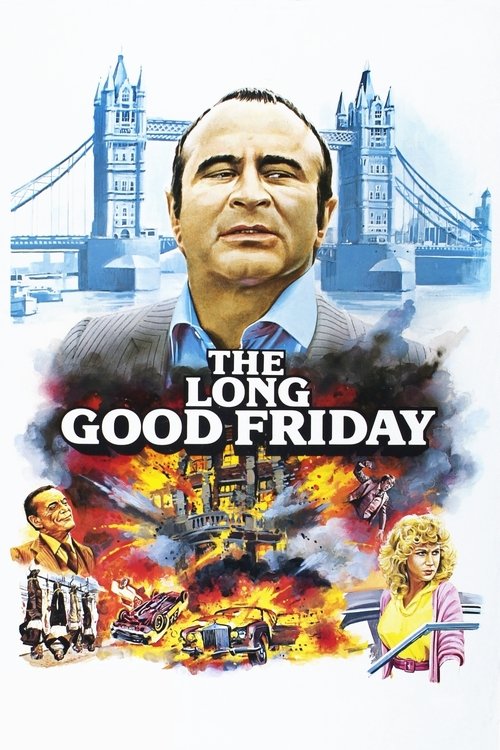
The Long Good Friday1980
Bob Hoskins as a London crime boss watching his empire collapse in a single night. Operatic, darkly funny, with a twist that reframes everything. Hoskins is extraordinary—rage and intelligence fighting for control.
But The ending is abrupt and leaves you suspended, which some read as brilliant and others as frustratingly incomplete.
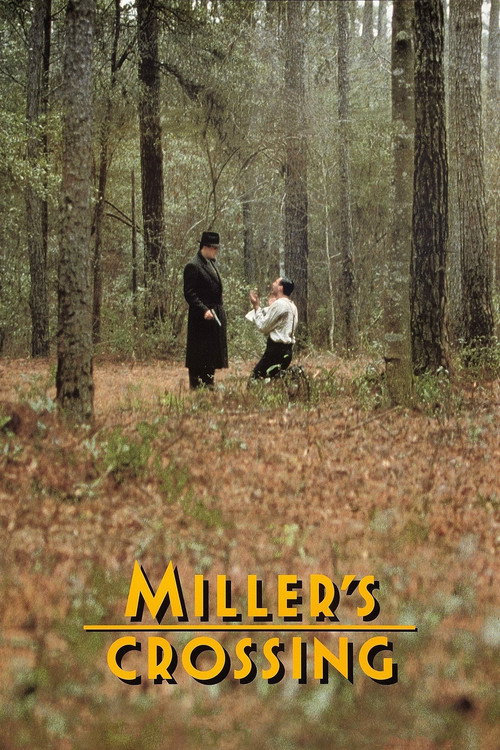
Miller's Crossing1990
Coen Brothers Prohibition-era gangster film with Gabriel Byrne as a fixer caught between two mob bosses. Baroque dialogue, byzantine plotting, beautiful to look at, and funny in a way that rewards attention.
But The script is densely layered and the plot moves fast; if you're not locked in, you'll lose the thread and the film becomes impenetrable.
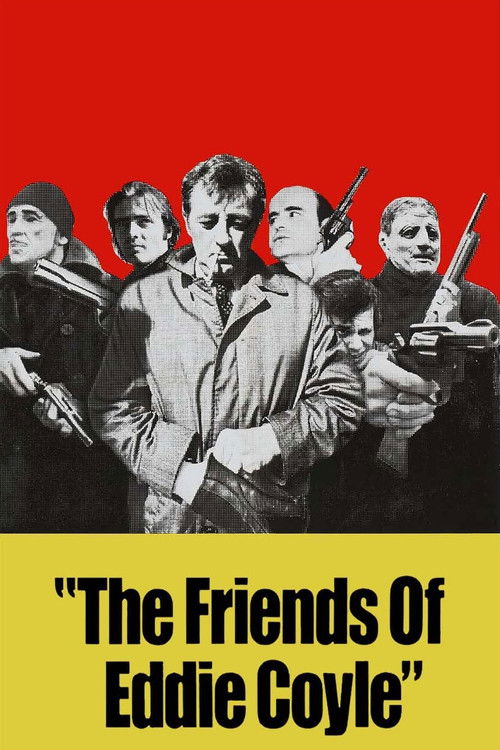
The Friends of Eddie Coyle1973
Robert Mitchum as a small-time crook navigating between criminals and a cop he knows. Quiet, procedural, Boston-set. Mitchum's exhaustion and decency in a rigged world is devastating.
But Nothing much happens in a conventional sense—it's all mood and small betrayals. If you want plot momentum, this will feel slow.
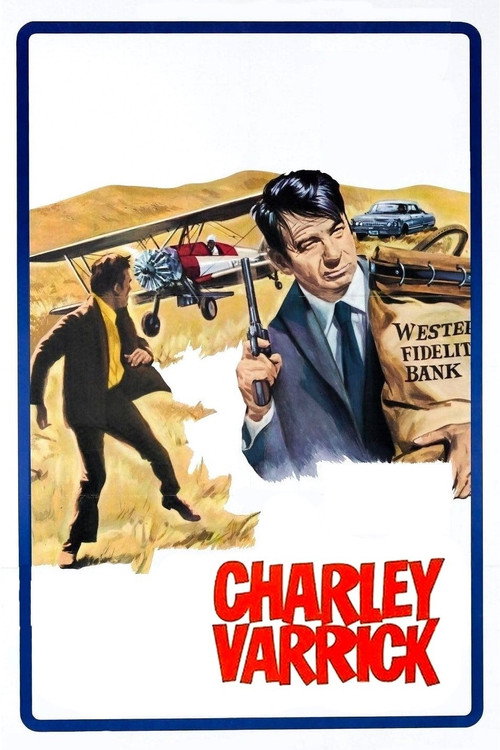
Charley Varrick1973
Walter Matthau as a small-time crook who accidentally robs a Mafia bank and has to outwit both the mob and the law. Genuinely clever, propulsive, Matthau is wonderful, and the 70s direction is sharp.
But The violence is sudden and jarring, and the casual sexism dates it—women are props in a men's world.
In a Lonely Place1950
Humphrey Bogart as a volatile Hollywood screenwriter falsely accused of murder. It's about how suspicion corrodes love, and whether a guilty man deserves redemption. Deeply cynical and moving.
But It's a 1950 film in black-and-white, and the pacing and style will feel slow to anyone raised on modern editing.

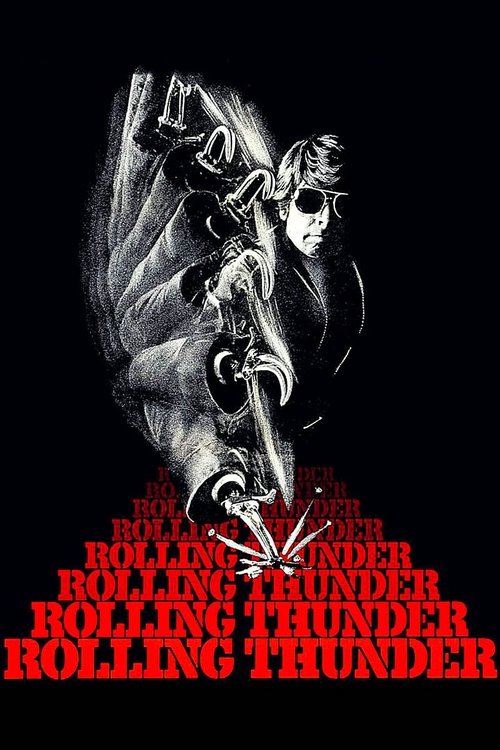
Rolling Thunder1977
Both feature men operating outside morality—your cop takes money, this vet takes revenge. Both movies refuse to judge them. Both believe in the logic of self-preservation and response.
A Vietnam vet comes home, gets robbed and tortured, and methodically takes revenge. It's a meditation on violence, trauma, and retribution shot in a documentary-flat style. Brutal, quiet, hypnotic.
But The violence is unflinching and the protagonist is largely silent; if you want dialogue and character interaction, this will feel austere and punishing.
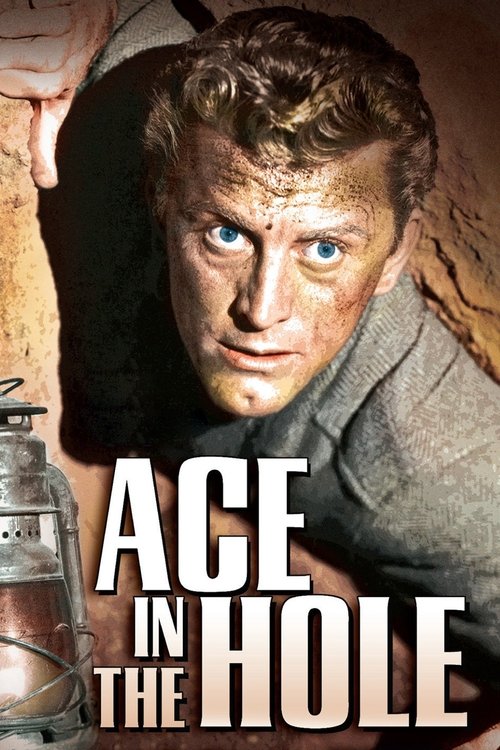
Ace in the Hole1951
Both are stories about corrupt men who know exactly what they're doing and do it anyway. Both refuse to let you believe in institutions—cops, press, systems all rot the same way. Both are American pulp that means what it says.
Billy Wilder's savage media satire: Kirk Douglas as a corrupt journalist who exploits a mining disaster for his comeback. It's astonishingly dark, cynical about power and ambition, and Douglas is repellent and sympathetic at once.
But It's a 1951 film that moves at classical pace, and the blackness of the worldview—no redemption anywhere—crushes some viewers rather than exhilarates them.
People
Cast
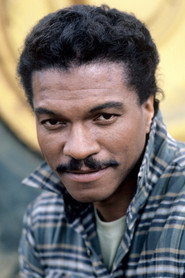 Billy Dee WilliamsSneed
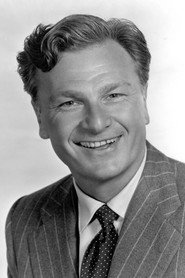 Eddie AlbertChief Berrigan
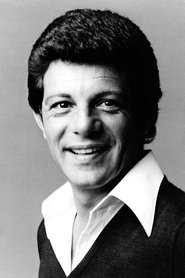 Frankie AvalonDanny James
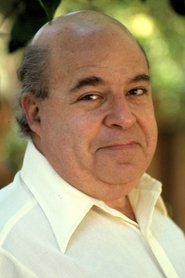 Sorrell BookeOscar
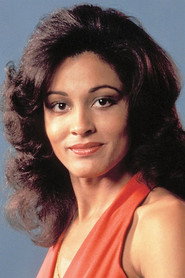 Tracy ReedNancy
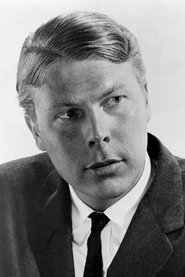 Albert SalmiDolek
 Vic MorrowManso
 A MartinezTallbear
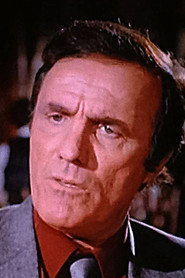 James LuisiBenedetto
 Kathrine BaumannJames' Girl
 Kathleen HughesSchool Nurse
Directing
- Robert Hartford-DavisDirector
Writing
- G.F. NewmanNovel
- Del ReismanWriter
- Franklin CoenWriter