
Film
Scorchy
A 1970s undercover cop thriller with Connie Stevens as a Seattle narcotics officer infiltrating a drug smuggling operation. Scorchy is earnest genre work from an era when these films were made quickly and with real conviction—taut, unglamorous, and driven by procedural momentum rather than spectacle. It's for anyone who loves the texture of seventies crime cinema without needing it to be a masterpiece.
Should you watch it?
Watch it if you like lean 1970s exploitation thrillers where a sun-bleached cop chase and a sleazy criminal network matter more than character depth, and you enjoy the grit of a pulpy Seattle-set crime caper.
Skip it if you need a tight plot or believable police procedure, since the story leans on cartoonish villains and loose momentum, and the tone can feel more cheap than clever for modern tastes.
What it asks of you: It runs about an hour and forty minutes and moves in brisk bursts of action between longer stretches of talk, so it asks you to accept rough edges and go along with its B-movie rhythm.
Not sure? Find tonight's pick in a minute.
If you liked this
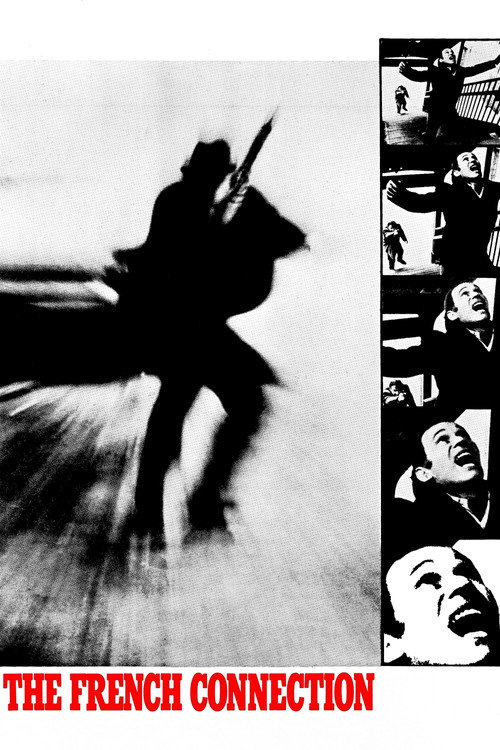
The French Connection1971
The definitive seventies cop thriller. Relentless, procedurally detailed, with a famous car chase and moral ambiguity about what cops will do to win. Sets the template Scorchy follows with genuine flair.
But Slow in stretches, and the ending frustrates some viewers who want cleaner resolution or bigger action payoffs.
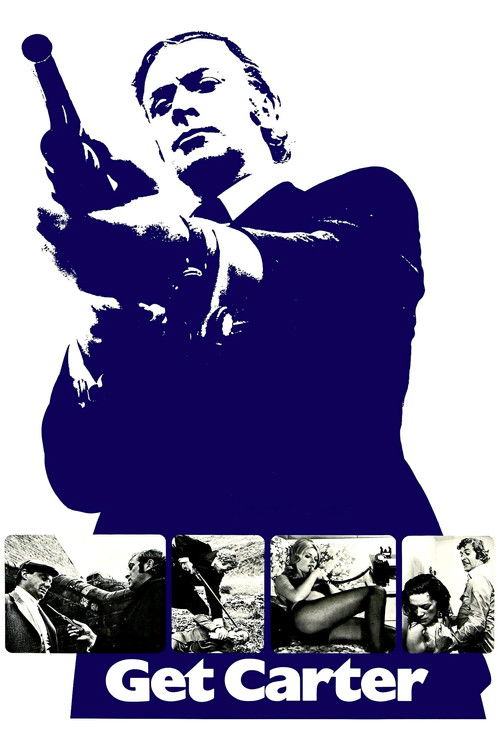
Get Carter1971
Michael Caine as a British enforcer in a violent underworld. Raw, cruel, and visually stylish in that particular seventies way. Same era, same grit, same refusal to prettify crime.
But Brutal without being exciting in the modern sense. The pacing is deliberate and the tone stays cold throughout.
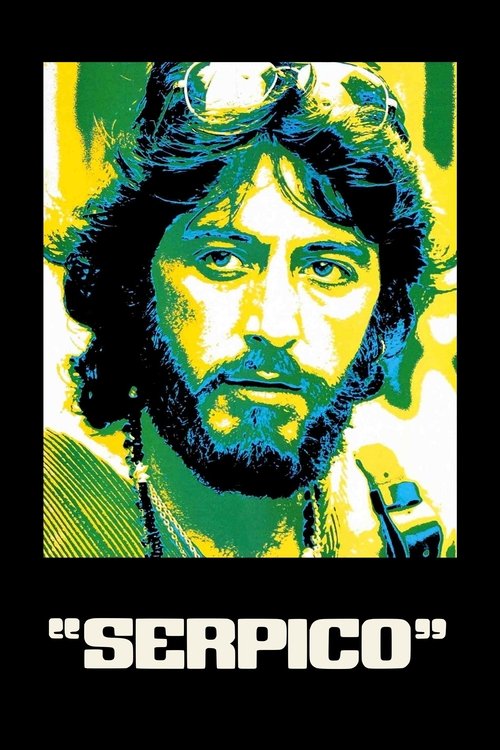
Serpico1973
Al Pacino as an undercover cop fighting corruption from inside the NYPD. Tense procedural with real stakes and a protagonist up against the system itself, not just criminals.
But Long and episodic; some scenes feel like they belong in a TV movie, and the third act loses some momentum.
Not sure tonight? Get a pick in a minute, starting from Scorchy
The wildcard
Something you would not have found on your own.
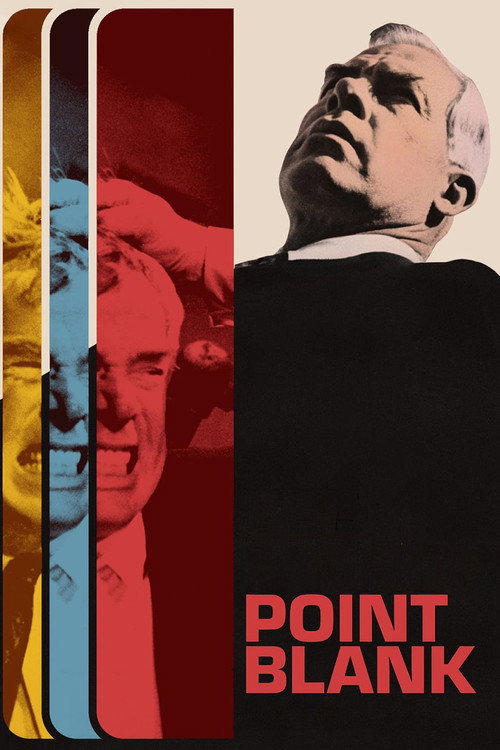
Point Blank1967
Both are crime films about people alone in violent systems, but Boorman explodes the form while Scorchy respectfully works within it. Point Blank shows what the genre was capable of in the hands of a visionary; Scorchy shows what it looked like in the hands of professionals. Watching them together is watching the seventies argue with itself.
John Boorman's radical crime film uses fractured narrative, visual abstraction, and Lee Marvin's stone face to deconstruct the revenge-thriller genre. It's about the same underworld as Scorchy but speaks a completely different visual language—one that influenced everything after.
But Deliberately alienating. The fragmented structure frustrates narrative clarity, and the ending divides viewers on whether Boorman's ambition paid off or became pretentious.
More like this (8)
The Killing1956
Kubrick's racetrack heist film rewired the crime genre with fragmented chronology and a sense of inexorable fate. Lean, intelligent, and absolutely authoritative about how criminal plans unravel.
But The fragmented structure can feel mannered on first viewing. Dialogue is functional rather than naturalistic.

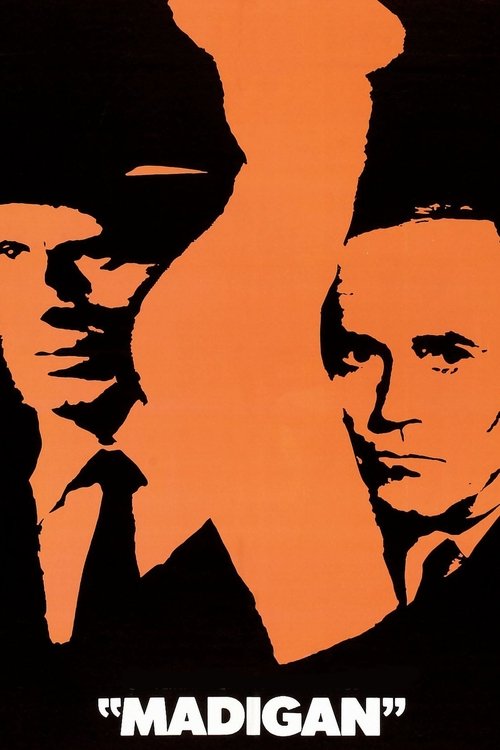
Madigan1968
Richard Widmark as a by-the-book New York detective. Siegel directs with documentary precision. It's the spiritual father of every undercover cop film that followed, including Scorchy.
But Quiet and methodical to a fault. If you need momentum or spectacle, this will feel repetitive.
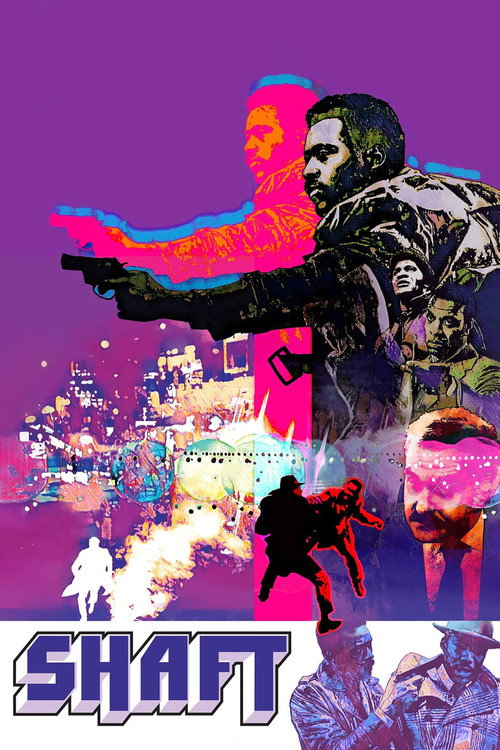
Shaft1971
Richard Roundtree as a Black private investigator navigating New York's underworld. Style, energy, and a swagger that seventies crime films desperately needed. Isaac Hayes score is unforgettable.
But The plot is thinner than the attitude. Some action setpieces feel static compared to the charisma of Roundtree's presence.
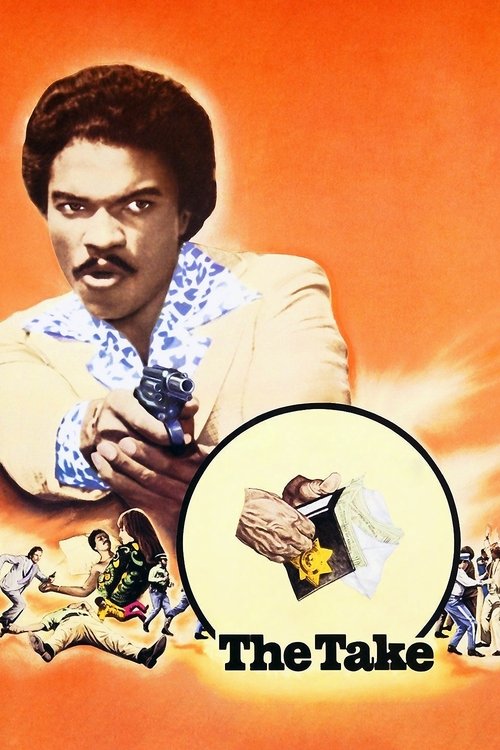
The Take1974
Billy Dee Williams in an underrated heist thriller with the same street-level authenticity and procedural focus. Made quickly and without pretension, it moves like a thriller should.
But Genuinely obscure now; hard to find in good quality. The script hits familiar beats without lifting them higher.
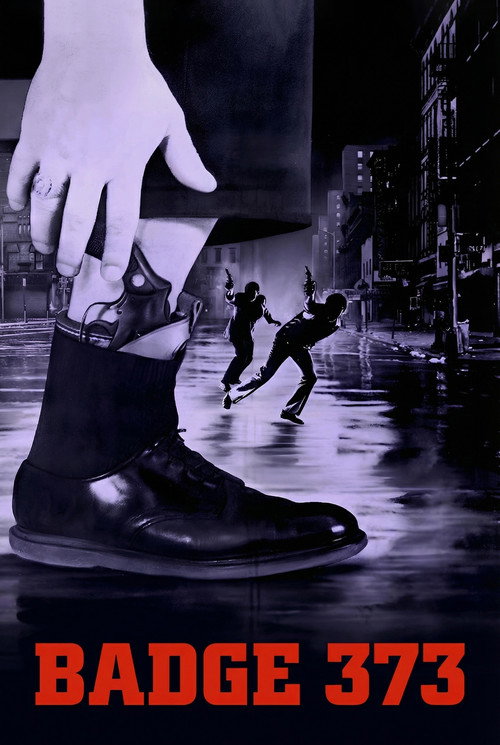
Badge 3731973
Robert Duvall as a cop who bends rules to catch criminals. Gritty seventies action with real locations, a sense of moral compromise, and Duvall's quiet intensity.
But Uneven tone. Some scenes feel like TV crime drama, and the action doesn't quite justify the running time.
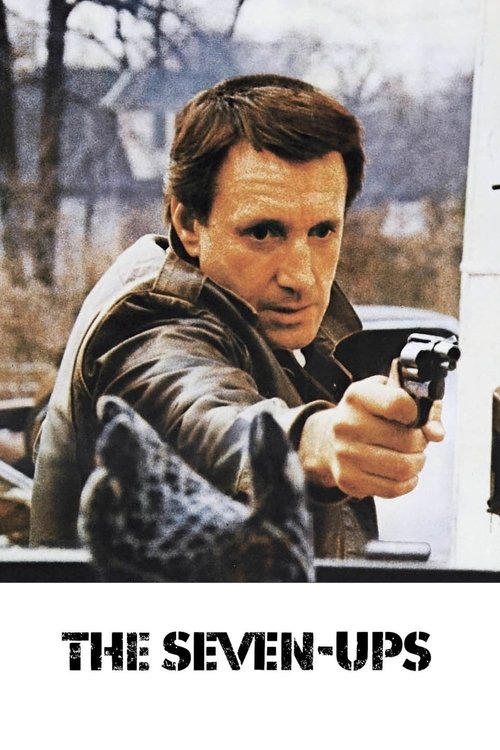
The Seven-Ups1973
Roy Scheider and a crack undercover unit taking on organized crime. Real New York locations, procedural detail, and a famous car chase that influenced generations of action filmmaking.
But Slow middle section. The plot is familiar even for 1973, and some character work gets shortchanged for action.
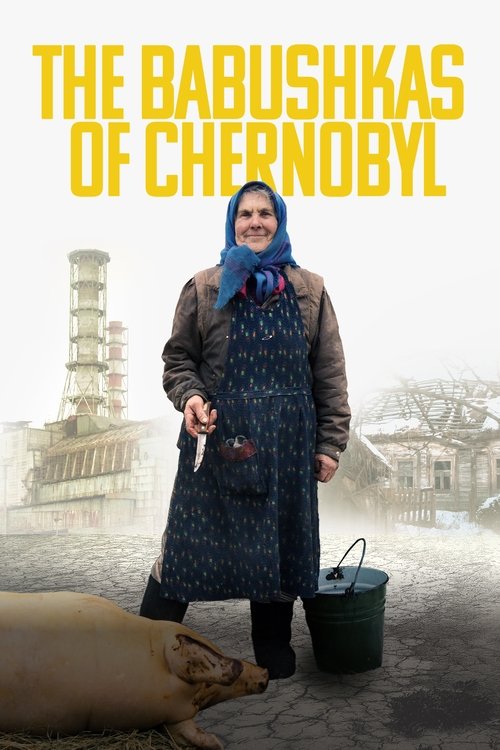
The Babushkas of Chernobyl2015
Both Scorchy and this film are about commitment to a dangerous mission—the cop infiltrating, the babushkas reclaiming home. But where Scorchy is about duty and procedure, this is about stubbornness and love. It's the same question (why stay?) answered from opposite ends of the human spectrum.
A documentary about elderly Ukrainian women who refused to evacuate the Chernobyl exclusion zone. Intimate, meditative, and quietly devastating. No action, no crime, but the same unflinching portrait of people choosing dangerous ground over survival.
But Slow and melancholic with no dramatic catharsis. If you need plot momentum or resolution, this will feel static and emotionally exhausting.
Veneno2020
Both are about deception and infiltration, but Veneno inverts Scorchy's moral order. The cop is trying to stop the con; Veneno makes you love the con artist. Both understand that the best lies are the ones you half-believe. Scorchy respects institutional truth; Veneno suggests truth might be performance. Watching them back-to-back recalibrates what undercover work means.
A Spanish miniseries about the true story of Cristina, a con artist who faked her own kidnapping to blackmail her family. Explosively entertaining, visually audacious, and built around performance rather than plot. Each episode explodes the previous one's certainty.
But Tonally chaotic—swings between comedy, tragedy, and surrealism. The narrative structure is deliberately confusing. Spanish with subtitles; some viewers find the style exhausting rather than exhilarating.

People
Cast
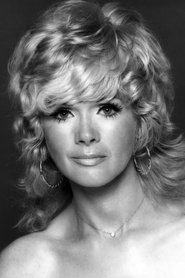 Connie StevensJackie Parker
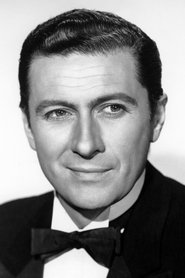 Cesare DanovaPhilip Bianco
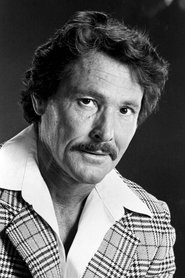 William SmithCarl Henrich
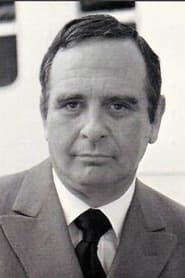 Norman BurtonChief Frank O'Brien
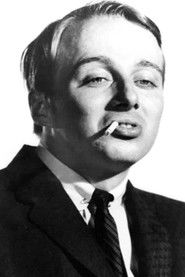 John Davis ChandlerNicky
 Joyce JamesonMary Davis
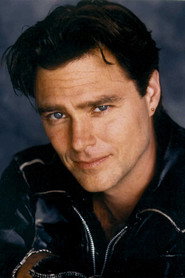 Greg EviganAlan
- Nick DimitriSteve
- Nate LongCharlie
- Ingrid CedergrenSuzi
- Ellen ThurstonMaria
- Ray SebastianCounterman
Directing
- Howard AvedisDirector
- Christine WilsonScript Supervisor
Writing
- Howard AvedisWriter
Production
- Marlene SchmidtExecutive Producer
- Howard AvedisProducer