
Film
Madigan
Madigan is a 1968 crime procedural where two NYPD detectives have 48 hours to recover their stolen guns and catch the man who took them. It's a taut, no-nonsense thriller that treats police work like unglamorous legwork: paperwork, dead ends, small victories. Directed by Don Siegel with the grip of a documentary, it's for anyone who wants to see how real detectives actually worked.
Should you watch it?
Watch it if you like police stories built on procedure and city texture, where the pressure is bureaucratic and personal, and you enjoy a 1960s crime film that trusts its supporting players as much as its stars.
Skip it if you want a tightly plotted thriller with a steady clock and momentum, because this one wanders into civic ceremony and grief-stricken visits, and its pace is loose and unhurried.
What it asks of you: Settle in for a leisurely feature of roughly an hour and forty minutes, with long stretches of talk, phone calls and walking the streets rather than constant tension.
Not sure? Find tonight's pick in a minute.
If you liked this
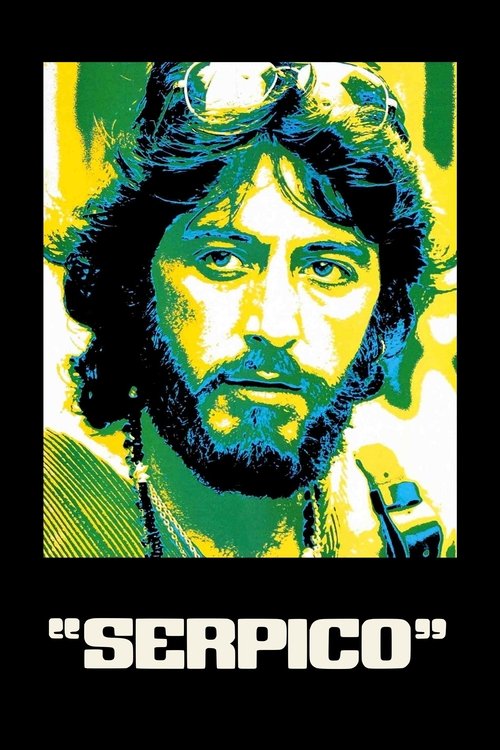
Serpico1973
Al Pacino as an honest cop in a corrupt system, navigating bureaucracy and violence with the same procedural realism Madigan brings. Beautifully shot, morally uncompromising, and deeply humanizing about what the job costs.
But It's slower than you'd expect and often more interested in institutional rot than plot momentum. The ending may feel deliberately unresolved if you want clear victory.
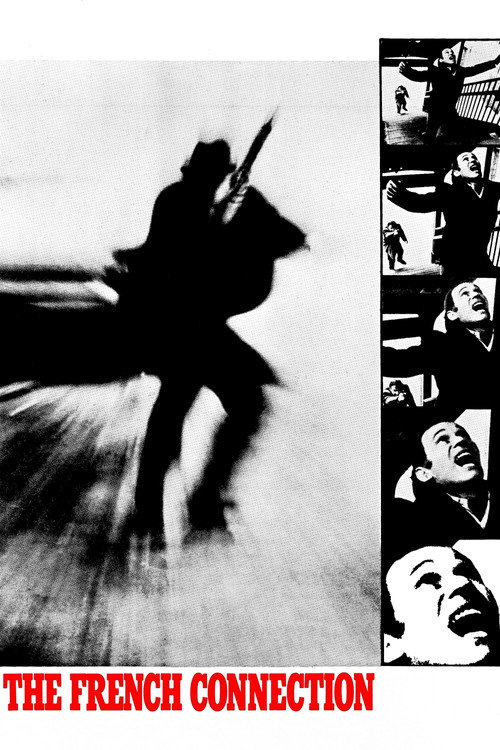
The French Connection1971
Gene Hackman and Roy Scheider hunting a heroin smuggler through New York with the same unglamorous, obsessive detective work. Siegel's influence runs through it; it's police work as repetitive, unglamorous, crucial investigation.
But The action sequences are brief and the pacing can drag. It's a film about surveillance and paperwork more than shootouts, which won't suit everyone.
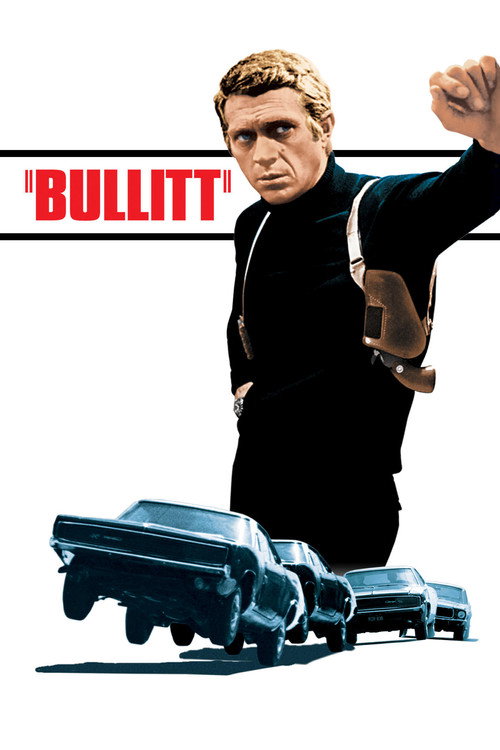
Bullitt1968
Steve McQueen as a San Francisco detective in a contemporary crime thriller with the same year-zero realism as Madigan. It has a legendary car chase, but its real pull is watching a careful cop navigate politics and violence with quiet competence.
But If you come for the car chase, the rest of the film is deliberately measured and low-key. Some find it slow; others find that's the entire point.
Not sure tonight? Get a pick in a minute, starting from Madigan
The wildcard
Something you would not have found on your own.
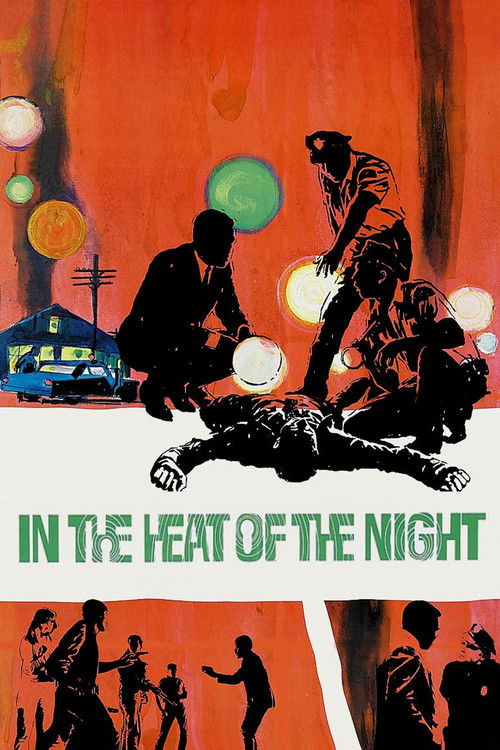
In the Heat of the Night1967
Both are 1960s procedurals that treat detective work as institutional theatre, exploring how power protects itself more than how detectives catch criminals.
Sidney Poitier and Rod Steiger as detectives solving a murder in the segregated South. It's a procedural like Madigan but transmutes the police work into a meditation on race, power, and how systems of authority protect themselves. Both films believe in institutions while showing how institutions betray their purpose.
But It can feel schematic now, especially in how it resolves its racial tensions. If you're watching for pure crime plot, the social argument can feel intrusive.
More like this (8)
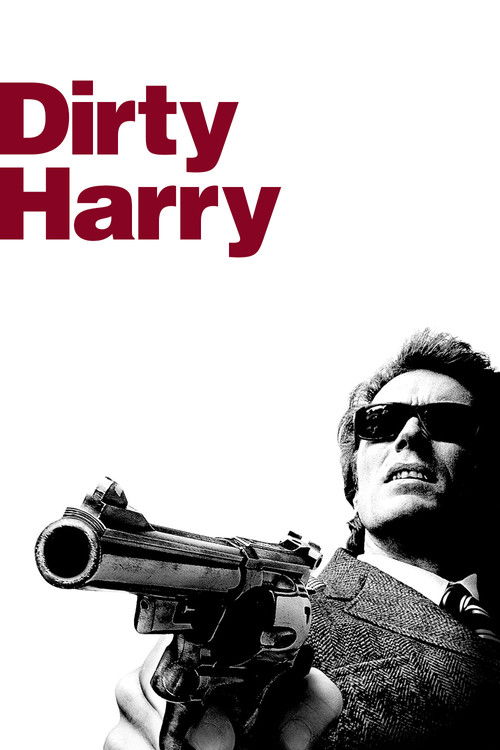
Dirty Harry1971
Clint Eastwood as a San Francisco homicide detective who answers to nobody and plays by his own rules. It's the dark response to procedural realism—where Madigan is about the system, Dirty Harry is about the man who refuses to work inside it.
But It's far more stylized than Madigan, and Eastwood's solitary cop is the opposite of the ensemble work shown here. The violence is more theatrical.
The Killing1956
Stanley Kubrick's lean crime thriller about a racetrack heist, told from multiple angles with documentary precision. It has the same unglamorous grip and structural sophistication as Madigan, just with a different crime at its center.
But The narrative structure demands attention; it's not a passive watch. Some of the acting is flat by design, which can feel dated rather than austere.

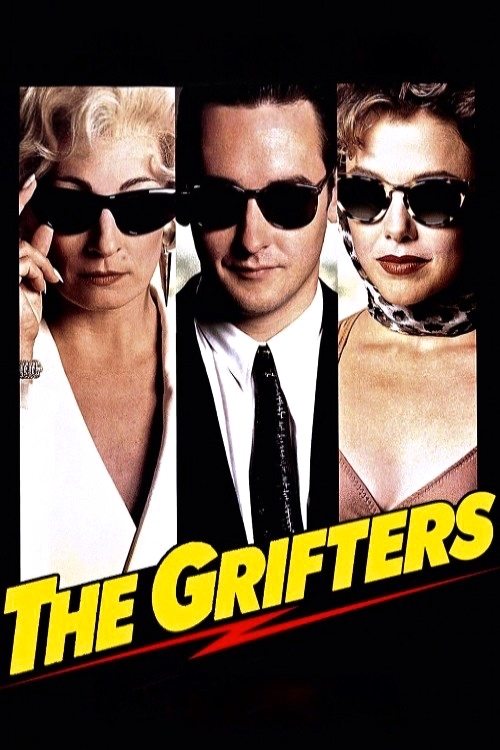
The Grifters1990
Three con artists moving through Los Angeles in a neo-noir that shares Madigan's obsession with the underworld as workplace, full of procedures and betrayals. Annette Bening, John Cusack, and Angelica Huston are electrifying; the despair runs deep.
But It's darker and more cynical than Madigan, with a bleakness that doesn't resolve satisfyingly. The violence is sparse but brutal.
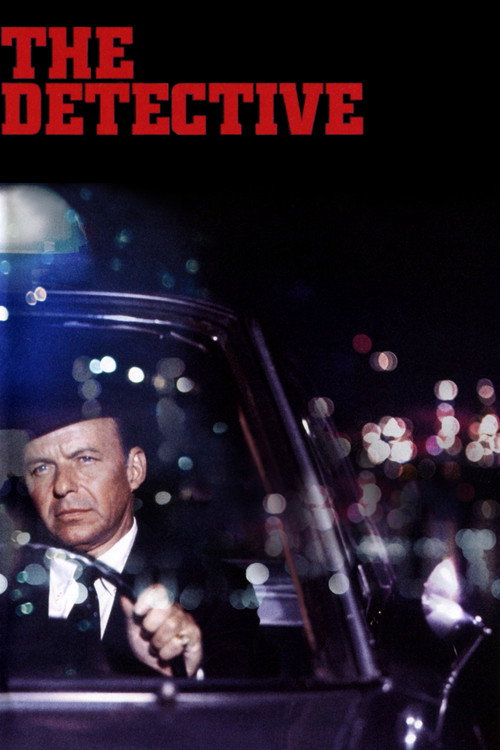
The Detective1968
Frank Sinatra as a New York detective solving a brutal murder, with the same hardboiled procedural realism and institutional weariness. It's contemporaneous with Madigan and shares its refusal to mythologize the job.
But Sinatra is older here and sometimes feels miscast. The plot mechanics are occasionally clunky, and it's less stylistically confident than its competitors.
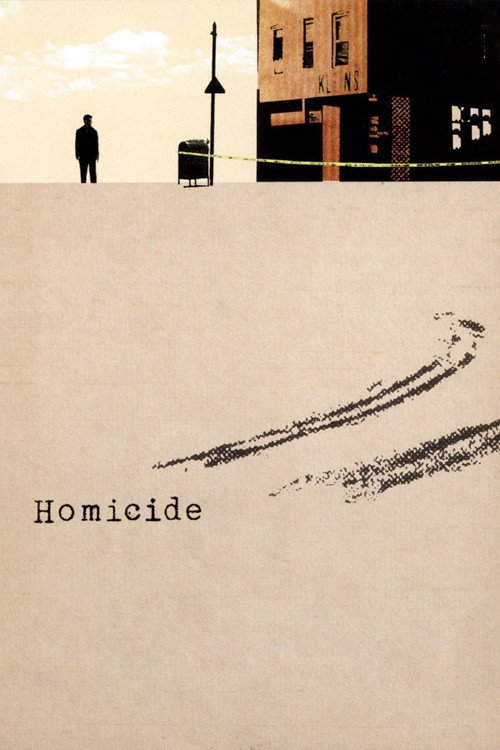
Homicide1991
David Mamet's film about a detective investigating a seemingly simple case that spirals into moral and institutional corruption. Bleaker than Madigan but descended from the same realist tradition; Joe Mantegna is superb.
But It's punishing and ends with no catharsis. The dialogue is mannered and can feel theatrical. It will leave you angry, which may or may not be what you want.
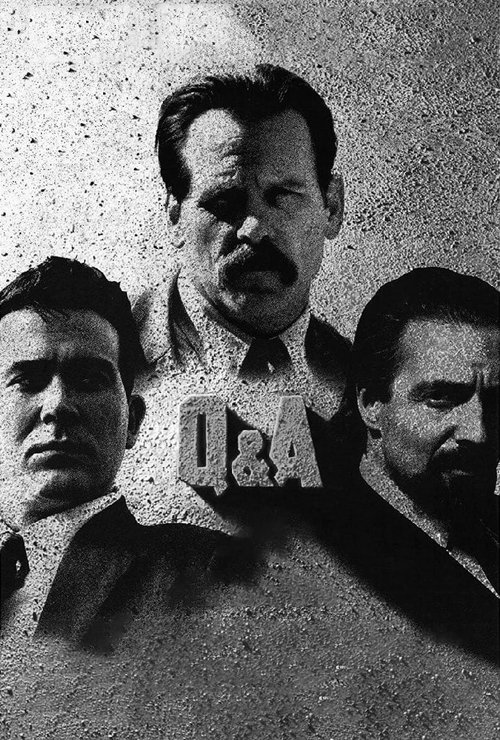
Q & A1990
Sidney Lumet's New York cop thriller about an NYPD detective questioned about a shooting. It has the same institutional machinery as Madigan, the same focus on procedure and power, but cranked to operatic intensity with Tim Roth and Nick Nolte at war.
But It's melodramatic where Madigan is restrained, and its ambitions sometimes outpace its execution. The third act veers toward revenge thriller rather than procedural clarity.
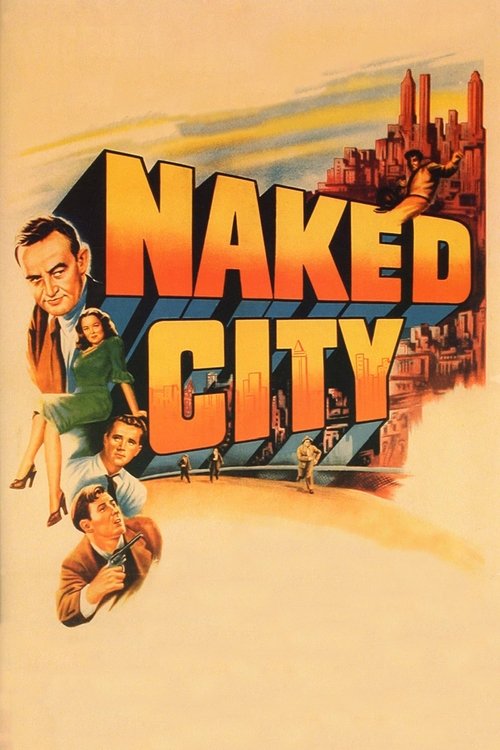
The Naked City1948
Madigan is the spiritual descendant of The Naked City—both films created the template for how American cinema depicts police work as unglamorous, procedural, and inseparable from the city itself.
Jules Dassin's New York noir about detectives solving a murder, shot on location with documentary urgency. It's the ancestor of Madigan's realism—the film that proved you could make procedurals that feel lived-in and true. Barry Fitzgerald and Howard Duff are excellent; the city itself is the real character.
But It's in black-and-white and moves at 1948 pace. The gender politics are period-bad. If you need forward momentum and contemporary sensibility, this will feel slow and strange.
Code Unknown2000
Both films are structured around a crime and how institutions (police, society, narrative itself) try to contain and resolve it. Madigan believes in the work; Code Unknown doubts that anything resolves at all.
Michael Haneke's film about a subway assault and its aftermath, told through overlapping perspectives and chronologies. It shares Madigan's fascination with how institutions process crime, but it's fragmented and philosophical rather than linear—less interested in justice than in how different characters construct meaning from the same event.
But There is no detective and no investigation in the traditional sense. It's deliberately frustrating, refusing to cohere into a satisfying narrative. Haneke's coldness will feel hostile if you want warmth.

People
Cast
 Richard WidmarkDet. Daniel Madigan
 Henry FondaCommissioner Anthony X. Russell
 Inger StevensJulia Madigan
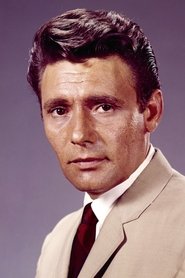 Harry GuardinoDet. Rocco Bonaro
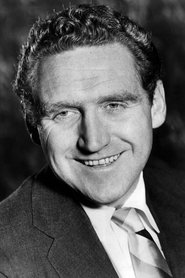 James WhitmoreChief Inspector Charles Kane
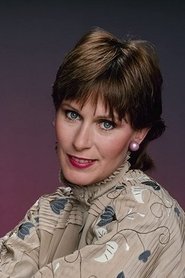 Susan ClarkTricia Bentley
 Michael DunnMidget Castiglione
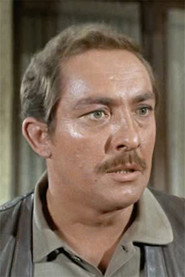 Steve IhnatBarney Benesch
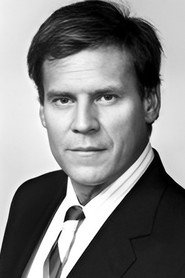 Don StroudHughie
 Sheree NorthJonesy
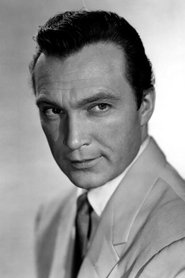 Warren StevensCapt. Ben Williams
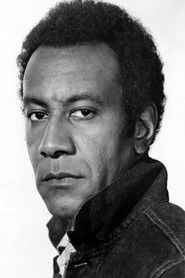 Raymond St. JacquesDr. Taylor
Directing
- Joseph C. CavalierAssistant Director
- Don SiegelDirector
Writing
- Richard DoughertyNovel
- Abraham PolonskyScreenplay
- Don SiegelScreenplay
- Howard RodmanScreenplay
Production
- Frank P. RosenbergProducer
- Wes ThompsonUnit Production Manager
Recommended by
Electra Glide in Blue, Coogan's Bluff, The Naked Kiss, The Laughing Policeman, Scorchy, Busting, McQ