
Film
Q & A
Sidney Lumet's 1990 thriller about a young DA investigating a corrupt cop, caught between professional duty and personal desire. A dense, cynical New York crime story where moral compromise spreads like water damage—everyone's complicit, nobody's clean. For viewers who like their thrillers morally murky and their dialogue sharp enough to draw blood.
Should you watch it?
Watch it if you like a crime story driven by moral friction between two hard-edged men, where the corruption is dirty, personal and rooted in a specific city's police culture rather than in a neat puzzle.
Skip it if you want brisk, escalating plot mechanics; this one lingers on talk, glowering confrontations and a slow build of pressure, and the violence arrives in bursts rather than as steady momentum.
What it asks of you: It runs a long two hours and twelve minutes at a deliberate, heavy pace, asking you to sit with ugly interiors and stubborn silences rather than be carried along by set pieces.
Not sure? Find tonight's pick in a minute.
If you liked this
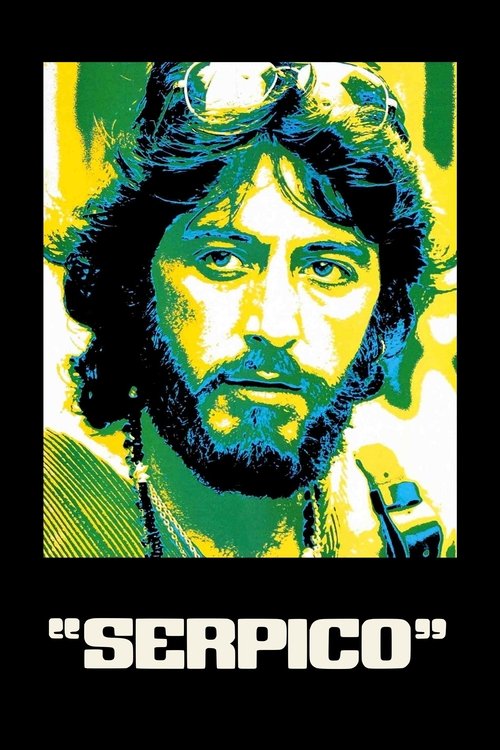
Serpico1973
Pacino as an honest cop in a rotten system, fighting institutional corruption from inside. Lumet's previous masterpiece on the same theme: the impossible position of integrity in a compromised institution.
But Slower burn than modern thrillers, more interested in grinding bureaucracy than action sequences. Occasionally feels didactic.
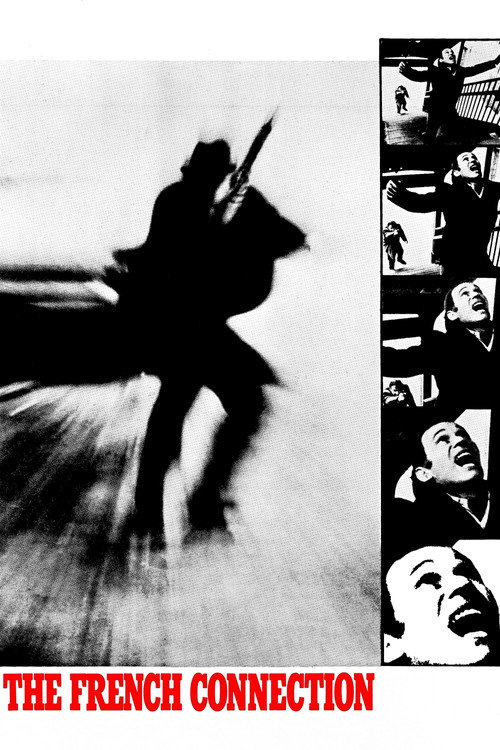
The French Connection1971
Hackman's obsessive detective chasing a heroin ring through New York. The template for urban crime thrillers—procedurally authentic, morally gray, with Friedkin's restless direction keeping you off-balance.
But The hero is as much bully as cop. Some dated attitudes. The ending won't satisfy if you need closure.
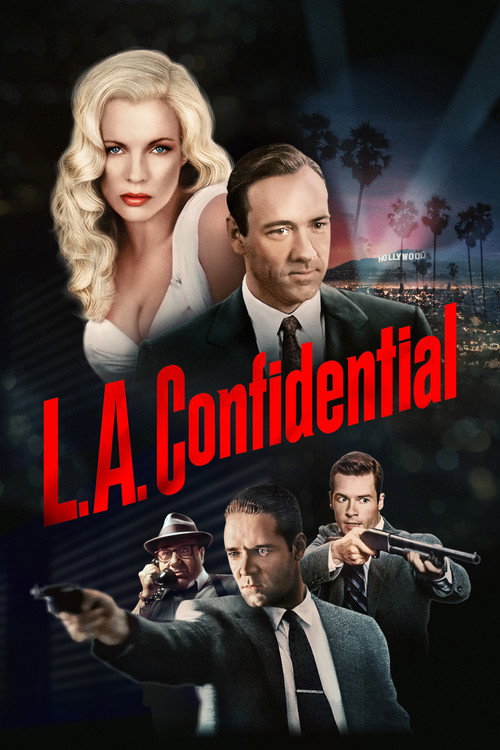
L.A. Confidential1997
Corruption in 1950s LA police department; three detectives with opposed moralities collide over a murder. Curtis Hanson nails the period and the paranoia—every frame feels like conspiracy tightening.
But Period setting might feel like a costume. Deeply cynical about institutions; no heroes, only degrees of culpability.
Not sure tonight? Get a pick in a minute, starting from Q & A
The wildcard
Something you would not have found on your own.
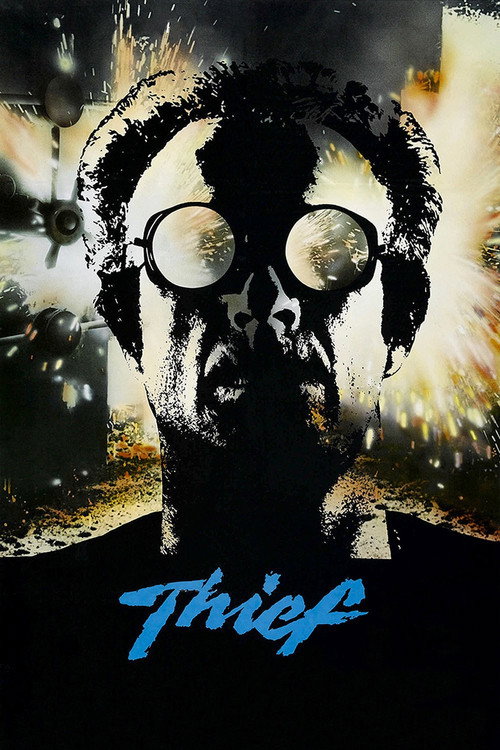
Thief1981
Both explore men trapped between institutional systems and personal desire, using the city itself as a character. Both understand that corruption isn't exceptional—it's structural.
James Caan as a professional jewel thief caught between crime and respectability, Mann's debut. Same DNA as Q&A—a man trying to exist in two moral systems—but filtered through neon, obsessive technique, and Tangerine Dream. A crime film that feels like a fever dream.
But Michael Mann's visual style is maximalist; some find it cold. The plot is secondary to mood, which demands a specific kind of patience.
More like this (8)
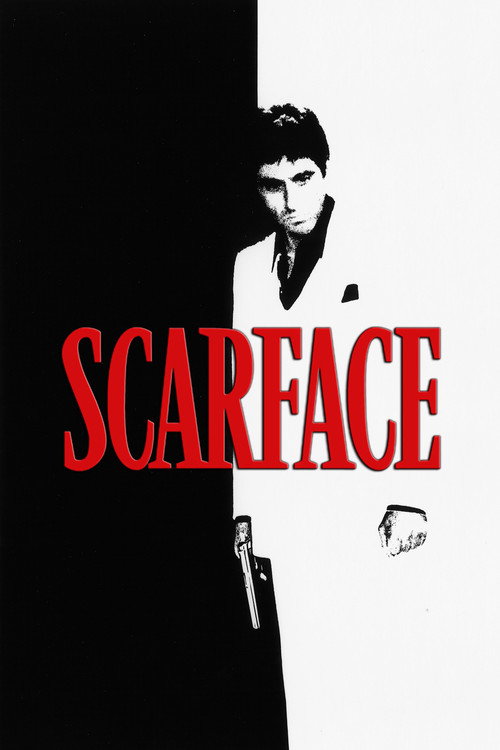
Scarface1983
Tony Montana's rise and fall in Miami cocaine trade. De Palma and Pacino create a operatic fever dream of ambition and excess—every scene pitched at maximum intensity, utterly committed to its own madness.
But Relentlessly brutal, graphically violent, and exhausting. The glorification of the protagonist will feel ugly if you're not prepared for it.
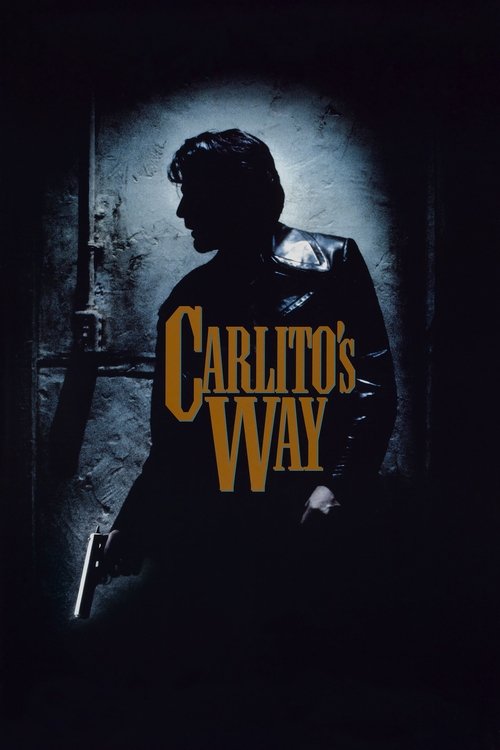
Carlito's Way1993
Al Pacino as a reformed drug lord trying to go straight in 1970s New York. De Palma's kinetic direction and Brian De Palma's visual precision make even quiet scenes vibrate with menace and nostalgia.
But Two hours forty minutes with a predictable trajectory. The romanticism of the criminal life might feel morally queasy.
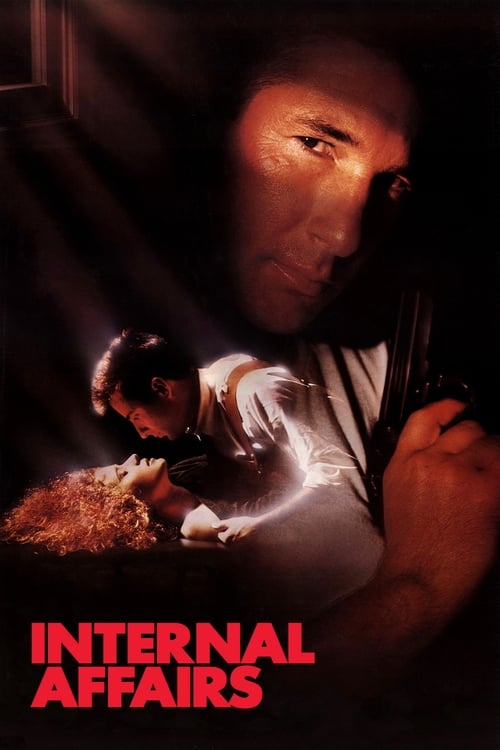
Internal Affairs1990
Richard Gere as a duplicitous cop, Andy Garcia as the IA officer hunting him. Psychological cat-and-mouse; the film understands that corruption isn't always dramatic—sometimes it's just exhausting seduction.
But The erotic subplot feels dated now. Gere's charm carries you past credibility, which some find frustrating rather than compelling.
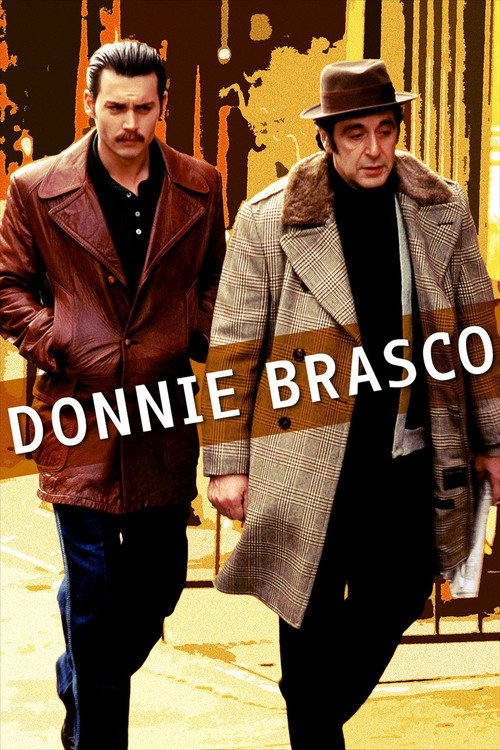
Donnie Brasco1997
Pacino and Depp as a mobster and the undercover FBI agent infiltrating his crew. Genuine melancholy under the crime-story scaffolding—about loneliness, loyalty, and the impossibility of existing between two worlds.
But Slower and more introspective than its premise suggests. If you want a heist or shootout, you're in the wrong room.
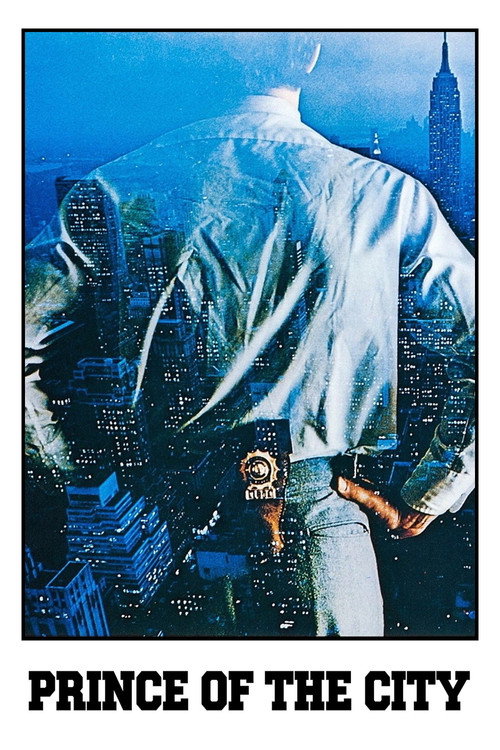
Prince of the City1981
Treat Williams as a narcotics detective informing on his own squad. Lumet's four-hour odyssey through moral compromise—the longer it gets, the more suffocating it becomes, which is exactly the point.
But Glacial pacing and a grinding sense of futility. No catharsis, no redemption arc. Demands patience; some find it punishing rather than rewarding.
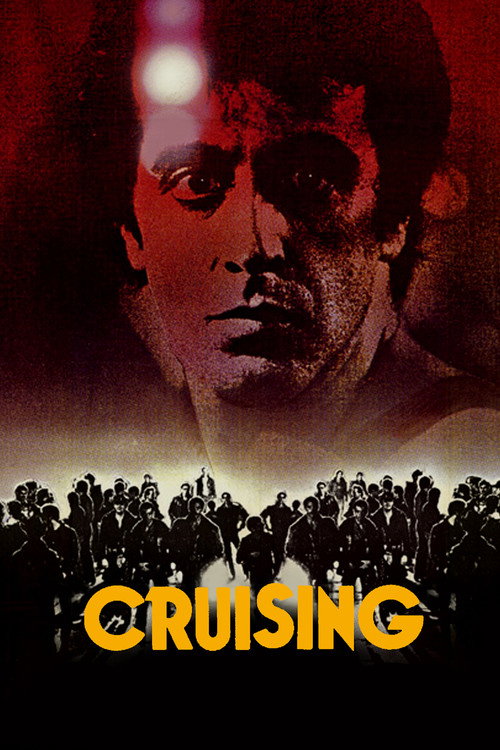
Cruising1980
Pacino undercover in the gay leather scene hunting a serial killer. Lumet's most experimental film—deliberately disorienting, morally slippery, genuinely unsettling about identity and desire beneath institutional violence.
But Controversial treatment of sexuality and violence. Some scenes feel gratuitous. The film's ambiguities frustrate viewers seeking moral clarity.
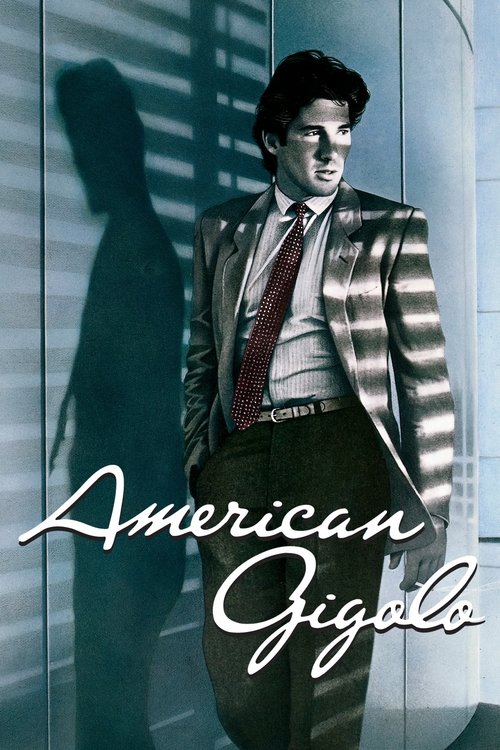
American Gigolo1980
Both films structure themselves around a protagonist who exists in an underworld and must navigate through false testimony, seduction, and institutional deception. Both distrust appearance.
Gere as a male escort framed for murder in LA. Friedkin's film is actually about surfaces and surfaces beneath surfaces—appearance, performance, the stories we tell about ourselves. Glossy where Q&A is grimy, but asking identical questions about complicity.
But Fashion-magazine aesthetics might seem lightweight. Slow-burn thriller with more style than plot momentum. Gere's performance is deliberately opaque.
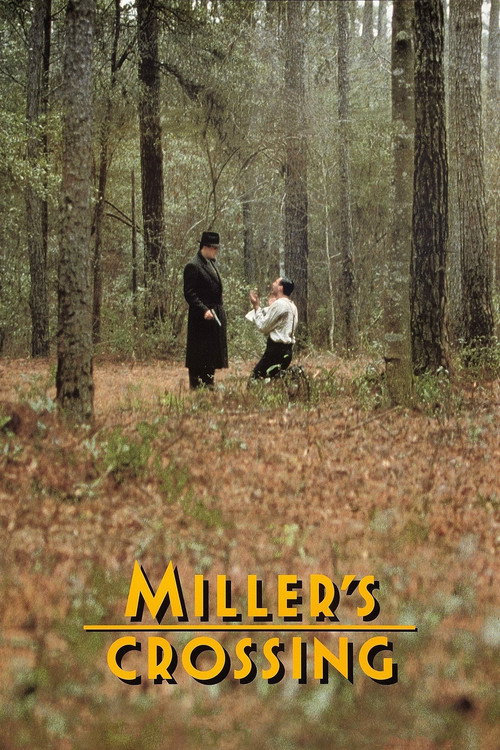
Miller's Crossing1990
Both films see crime and institutions as expressions of the same impulse: the need to control narrative. Both feature protagonists trying to navigate systems where every move is disadvantageous, and both understand that talking your way through is the only weapon available.
Coen Brothers' Prohibition-era gangster film, released the same year. Verbal wit and moral corruption collide at impossible angles—characters making deals, breaking deals, betraying each other over principles nobody actually believes in. Denser dialogue, more playful, but the same machinery: system eating people.
But The Coens' stylization is deliberate and uncompromising. The dialogue is baroque and sometimes hard to parse. Not a comfortable watch—it's all surfaces and angles.
People
Cast
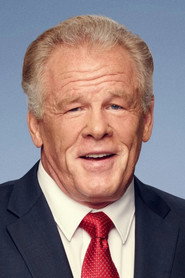 Nick NolteMike Brennan
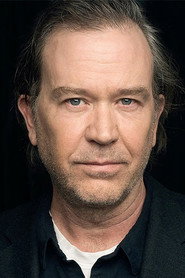 Timothy HuttonAl Reilly
 Armand AssanteBobby Texador
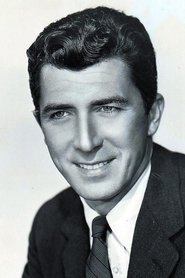 Patrick O'NealKevin Quinn
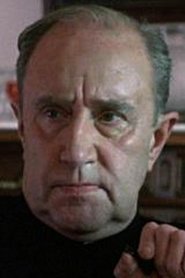 Lee RichardsonLeo Bloomenfeld
 Luis GuzmánLuis Valentin
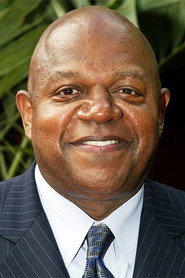 Charles S. DuttonSam Chapman
 Jenny LumetNancy Bosch
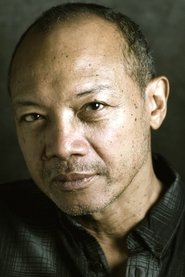 Paul CalderonRoger Montalvo
- International ChrysisJose Malpica
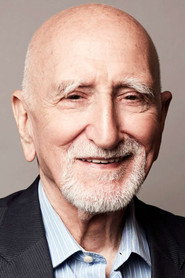 Dominic ChianeseLarry Pesch
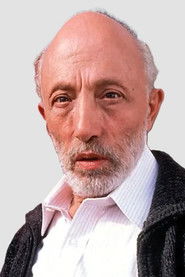 Leonardo CiminoNick Petrone
Directing
- Sidney LumetDirector
Writing
- Edwin TorresNovel
- Sidney LumetScreenplay
Production
- Lilith JacobsAssociate Producer
- Joy ToddCasting
- Mike WiseExecutive Producer
- Patrick WachsbergerExecutive Producer
- Miguel ArtetaLocation Assistant
- Arnon MilchanProducer
- Burtt HarrisProducer
Recommended by
Prince of the City, Dark Blue, Fort Apache, the Bronx, Clockers, Deep Cover, Code of Silence, Madigan, Homicide, Teachers, 10 to Midnight, Police Story: The Freeway Killings, Striking Distance