
Film
Police Story: The Freeway Killings
A 1987 TV movie that puts you in the hunt with LAPD detectives chasing two serial killers preying on sex workers. It's procedural and gritty, built on real-crime momentum rather than spectacle. For viewers who want the forensic puzzle and institutional pressure of cop work without needing a prestige sheen.
If you liked this
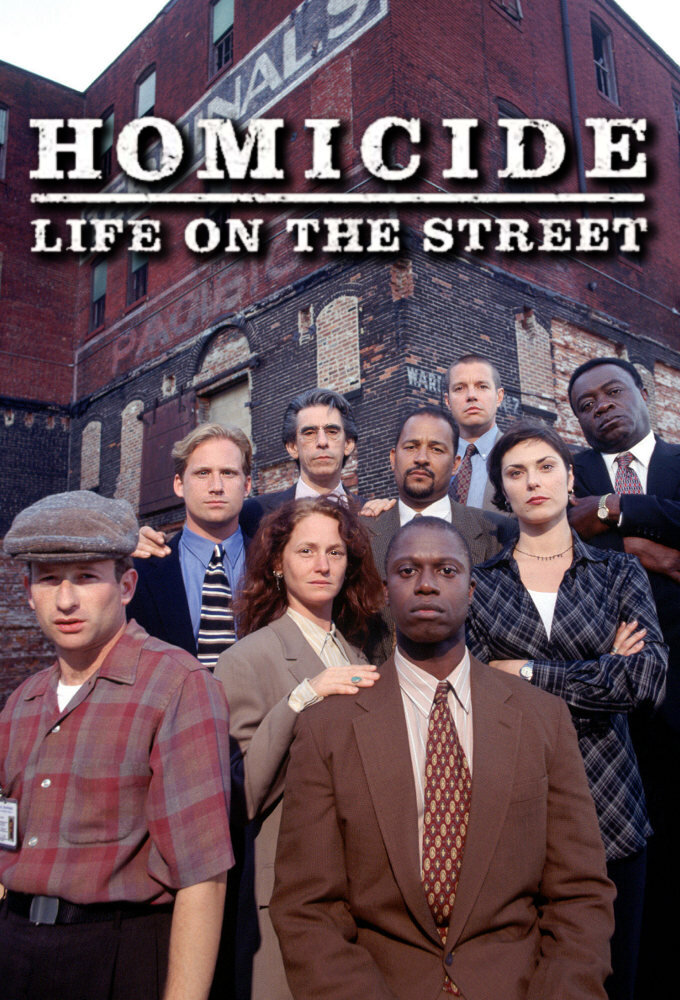
Homicide: Life on the Street1993
NBC's Baltimore crime drama finds the same authentic procedural depth and moral weight. It examines how detectives work the human side of cases while systems fail them and victims fall through cracks.
But It unfolds slowly, episode by episode, and requires patience with ensemble storytelling rather than a tight two-hour narrative.
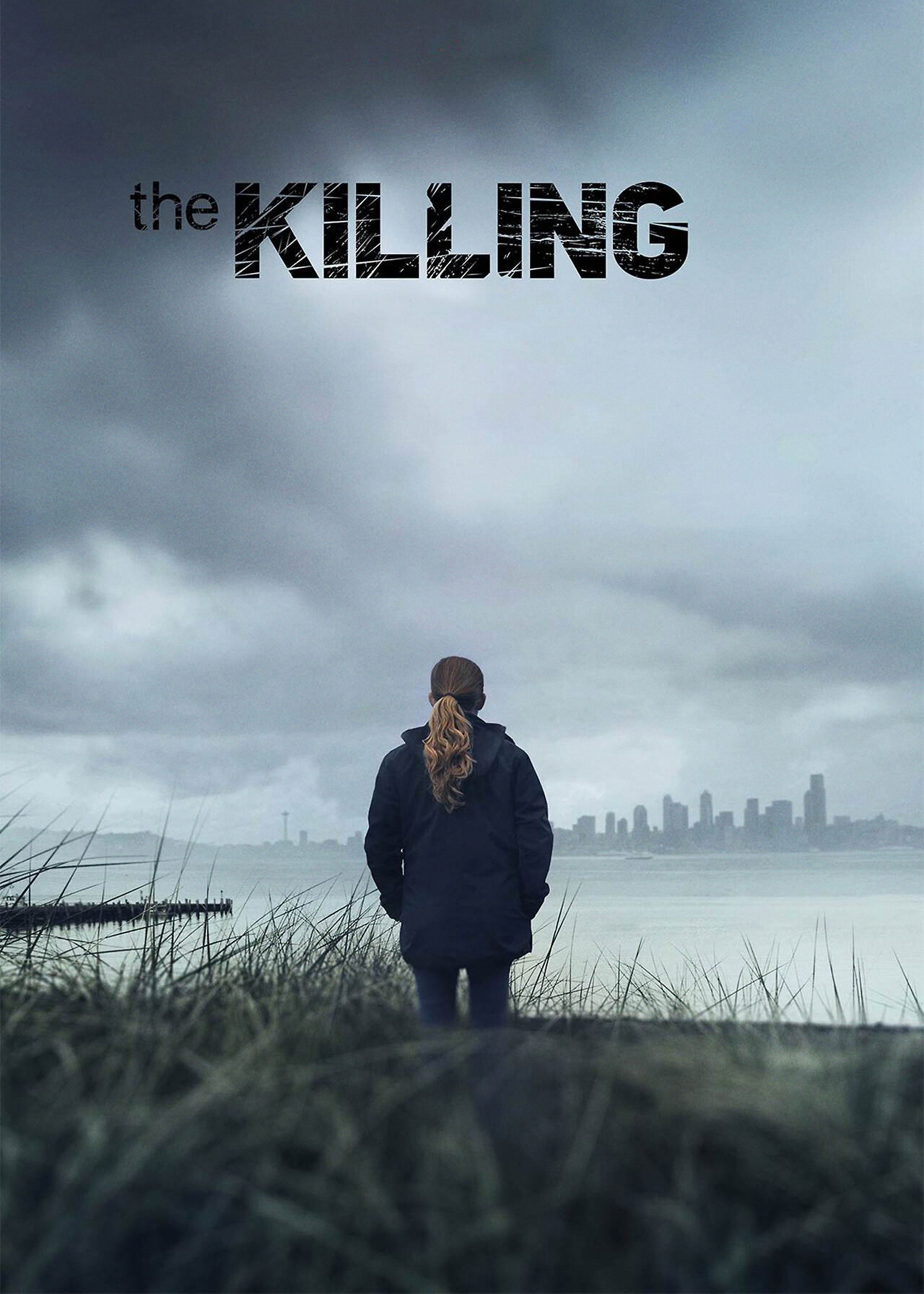
The Killing2011
AMC's series tracks a single murder through its investigation with obsessive detail and institutional critique. It captures the same unglamorous weight of detective work and how cases corrode those pursuing them.
But The pacing is deliberate and sometimes frustratingly opaque. Viewers wanting quick resolution should avoid.
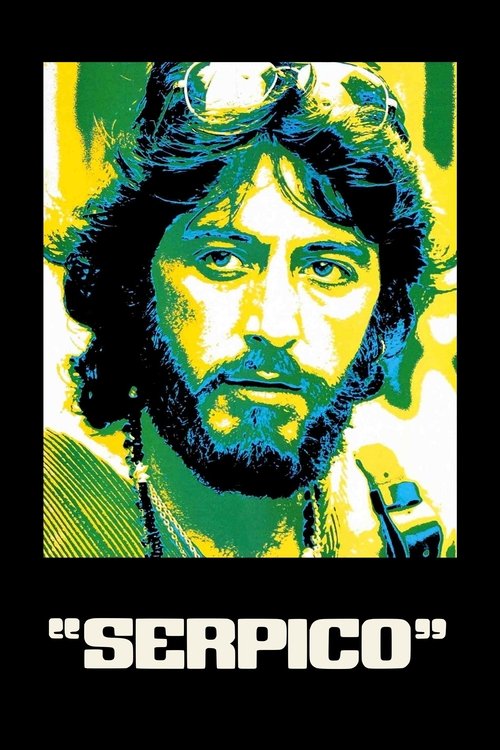
Serpico1973
Al Pacino and Sidney Lumet's film offers the same unvarnished look at LAPD corruption and institutional indifference. It's about cops working within a broken system, not despite it.
But It's a 1970s character piece, not an action film, and hangs on Pacino's moral solitude rather than narrative momentum.
Not sure tonight? Get a pick in a minute, starting from Police Story: The Freeway Killings
The wildcard
Something you would not have found on your own.
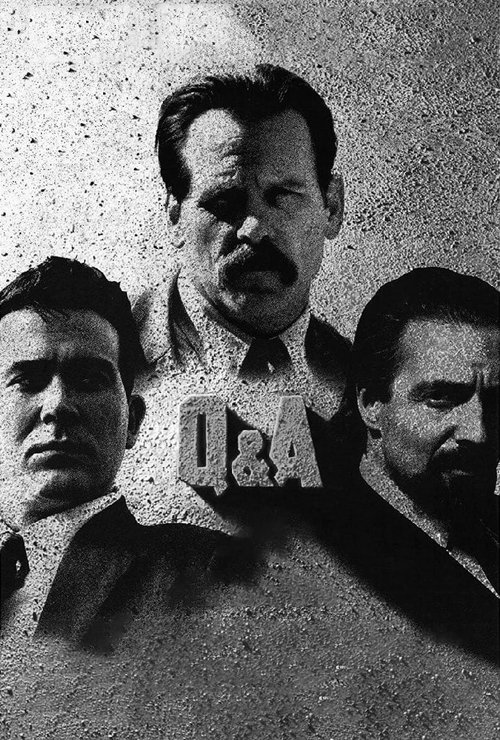
Q & A1990
Both are about how institutions protect their own at the expense of vulnerable victims and the detectives who actually want to work. Same moral fury underneath the procedure.
Sidney Lumet's final cop film follows an NYPD detective accused of murder through the interrogation room across one brutal night. It's procedural-as-philosophical, examining institutional loyalty and moral corruption in real time without flinching.
But It's an 1990s legal-procedural chamber piece, not a hunting narrative. Most of it happens in rooms with men talking. No serial killer crosscutting to break the tension.
More like this (8)
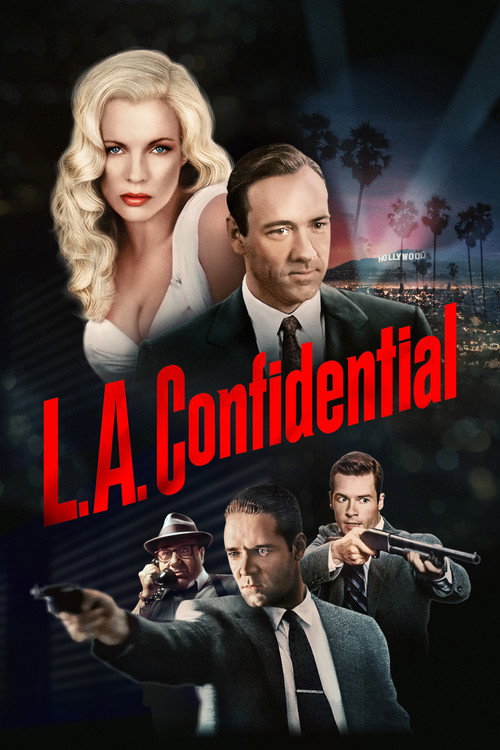
L.A. Confidential1997
Curtis Hanson's noir-modern thriller captures 1950s LAPD with the same procedural credibility and moral ambiguity. Detectives pursuing truth within a corrupt institution.
But Its style sometimes overwhelms the plot. It's more interested in mood and corruption than in who killed whom.
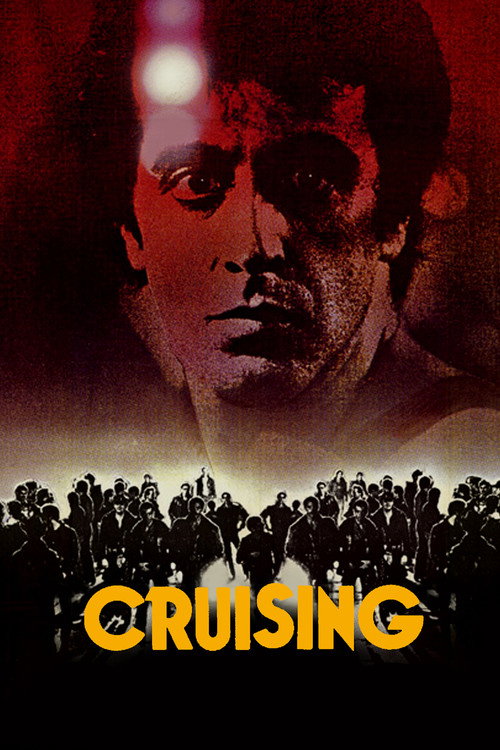
Cruising1980
Friedkin's controversial thriller involves undercover NYPD pursuing a serial killer through the city's margins. It shares the same gritty institutional perspective and transgressive subject matter.
But The film is deeply divisive and exploitative in its treatment of gay venues. Many find it offensive and sensationalistic rather than investigative.
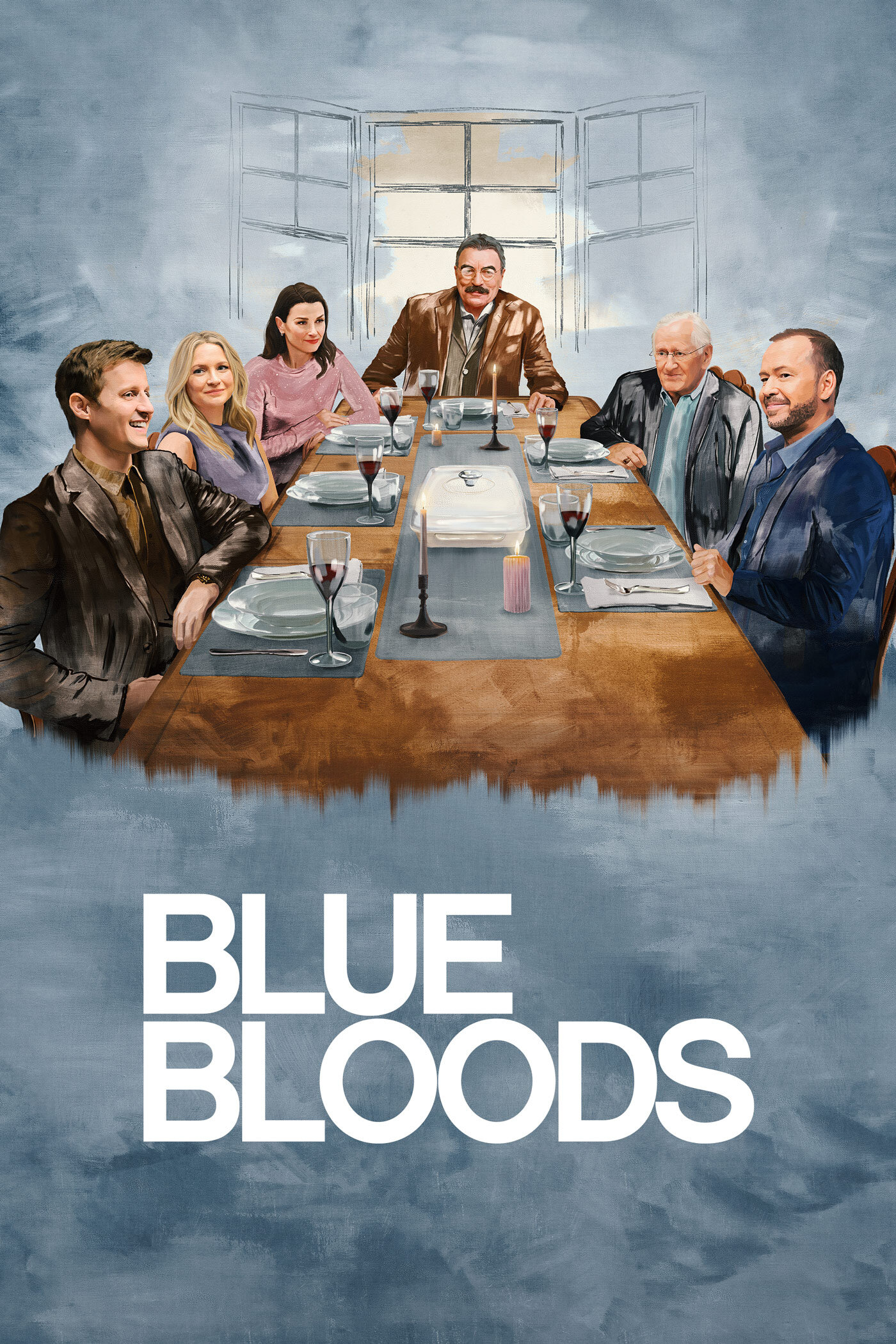
Blue Bloods2010
CBS's procedural gives you the institutional cop-shop atmosphere and the case-of-the-week structure without pretension. Solid police work, ensemble cast, reliable momentum.
But It's formulaic and upbeat compared to Police Story's grittiness. The show often resolves cases neatly, unlike real investigations.
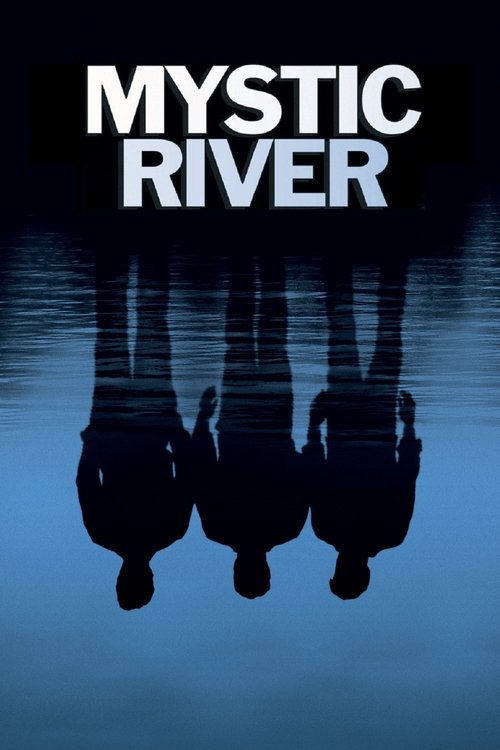
Mystic River2003
Clint Eastwood's film examines how a murder case fractures a community and the detectives pursuing it. It shares the institutional pressure and moral exhaustion of cop work.
But It's darker and more literary than a procedural. The investigation matters less than the characters' damaged pasts.
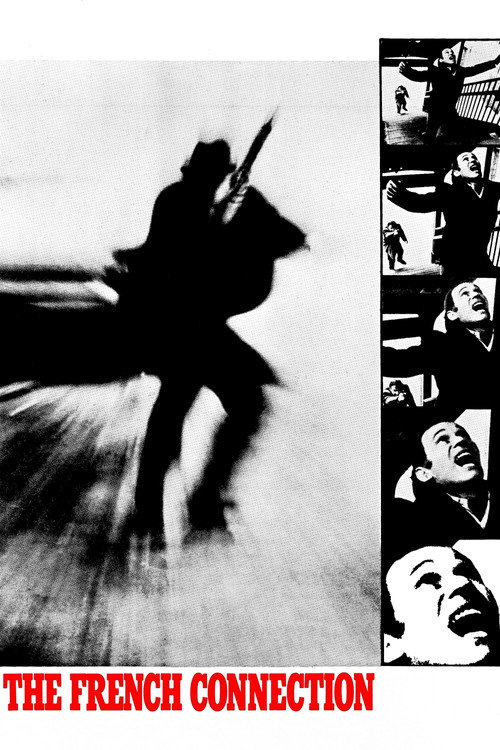
The French Connection1971
Friedkin's classic cop thriller follows NYPD detectives hunting drug smugglers with procedural authenticity and institutional grind. The same unglamorous detective work and city corruption.
But It's 1970s slow-burn espionage, not a crime-scene thriller. Patience required for the long setup.
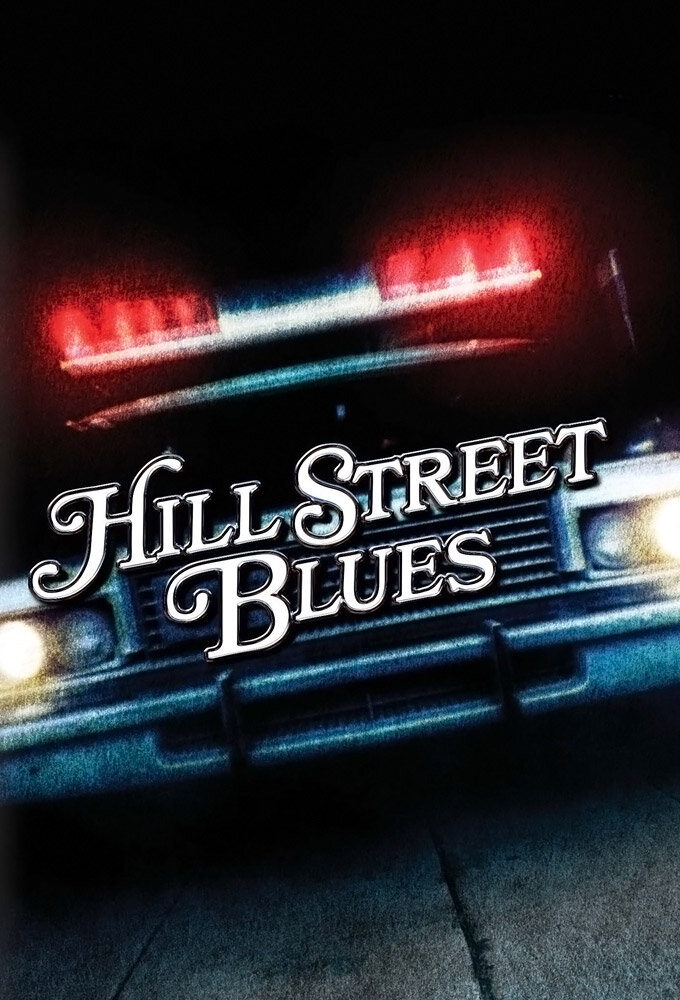
Hill Street Blues1981
MTM's landmark series created the template for gritty ensemble cop shows. It balances procedural cases with character depth and systemic critique of urban policing.
But The format is episodic rather than serialized. Each precinct story resolves in 45 minutes, losing the sustained pressure of a serial investigation.
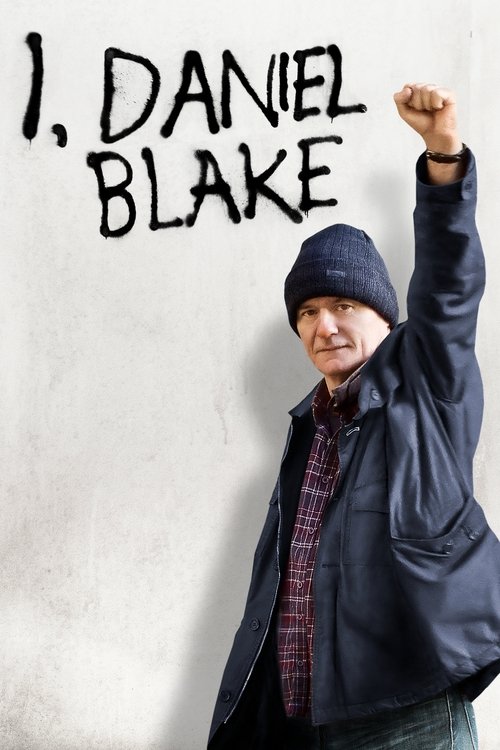
I, Daniel Blake2016
Both understand that the real horror isn't the killer—it's the system that lets killers hunt in plain sight because the victims don't matter enough to protect.
Ken Loach's Palme d'Or winner is a social-realist tragedy about systems failing ordinary people. A single story becomes an indictment of institutional indifference and cruelty you recognize from watching how victims are overlooked.
But It's not about crime or investigation at all—it's about poverty and bureaucracy. The shift from procedural tension to documentary powerlessness will feel like a genre abandonment.
Memories of Murder2003
Both place serial murder inside a larger critique of police institutions. Neither one is really about catching the killer—both are about what catching him (or failing to) reveals about power and indifference.
Bong Joon-ho's Korean masterpiece tracks detectives hunting a serial killer through decades of institutional failure and misdirection. It's funnier, sadder, and more formally ambitious than American procedurals, but the DNA is identical: how do you solve a case when the system is rigged?
But Subtitled South Korean film from 2003. The tonal shifts from comedy to horror to heartbreak feel jarring if you're expecting steady narrative momentum. It challenges the form rather than serving it.

People
Cast
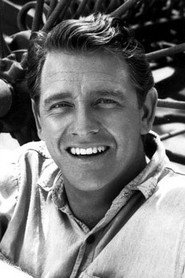 Richard CrennaDeputy Chief Bob Devers
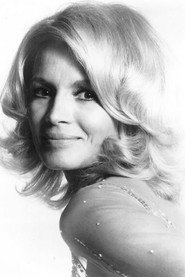 Angie DickinsonOfficer Anne Cavanaugh
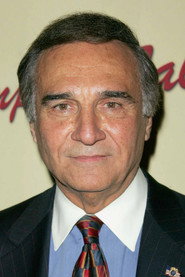 Tony Lo BiancoDetective DiAngelo
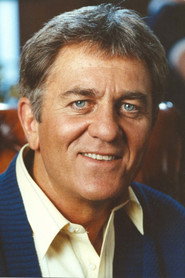 Don MeredithDetective Foley
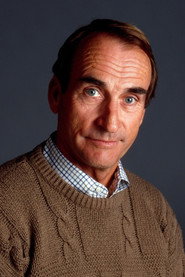 James B. SikkingMayor Cameron
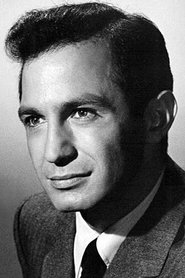 Ben GazzaraCapt. Tom Wright
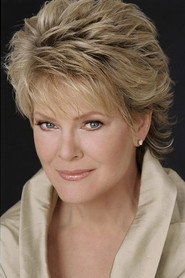 Gloria LoringKate Devers
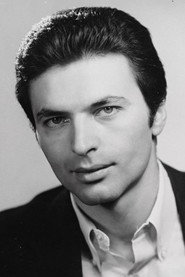 Vincent BaggettaPaul Harris
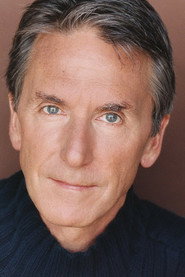 Scott PaulinLieutenant Banyon
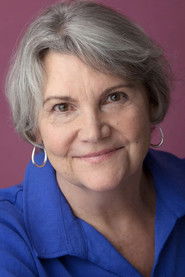 Frances Lee McCainClaire Wright
- Julie PhilipsCarrie Wright
- Michael C. GwynneGavin
Directing
- William A. GrahamDirector
- Ed MilkovichFirst Assistant Director
- Patience ThoresonScript Supervisor
- Mike SchilzSecond Assistant Director
- Jeff RafnerSecond Second Assistant Director
Writing
- Mark RodgersWriter
Production
- April WebsterCasting
- Diane DimeoCasting
- Michael McLeanCasting
- Tim FlackCasting Producer
- Greg RoseLocation Manager
- Charles B. FitzsimonsProducer
- Terence A. DonnellyUnit Production Manager