
Television series
Homicide: Life on the Street
Homicide: Life on the Street is TV's first great argument that solving murders is mostly talk—hours in the box, doubt eating at good detectives, cases that never close clean. Shot handheld with jarring jump cuts, it trades slickness for grit and turns Baltimore into a character. Andre Braugher's Pembleton anchors an ensemble that cares more about guilt than gunfights. Demanding, brilliant, occasionally exhausting.
If you liked this
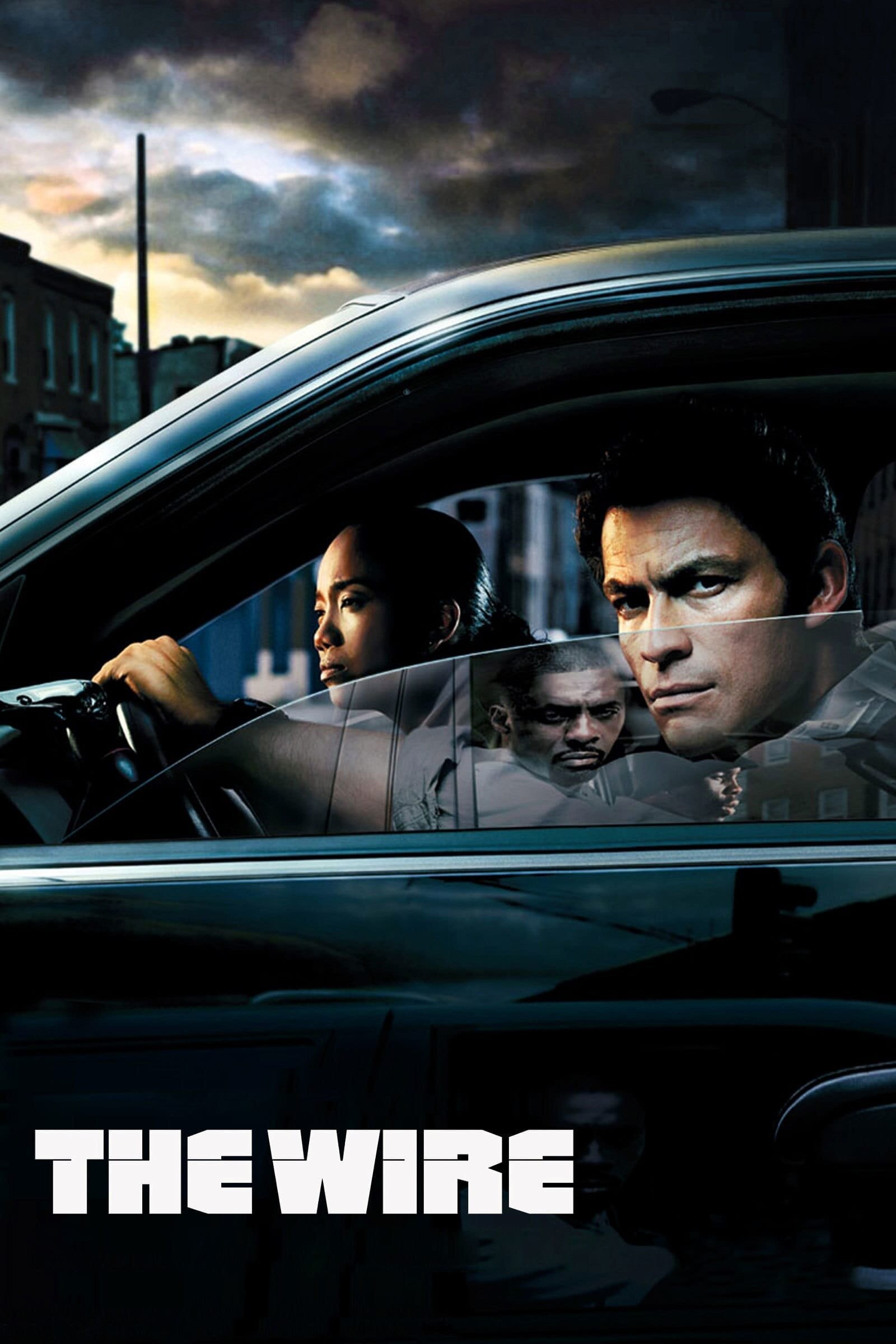
The Wire2002
Created by David Simon from the same Baltimore beat, it takes Homicide's moral seriousness and widens the lens to the whole city—cops, dealers, dockworkers, politicians—without losing the human scale.
But It demands patience across whole seasons before paying off; not a show for casual half-attention viewing.
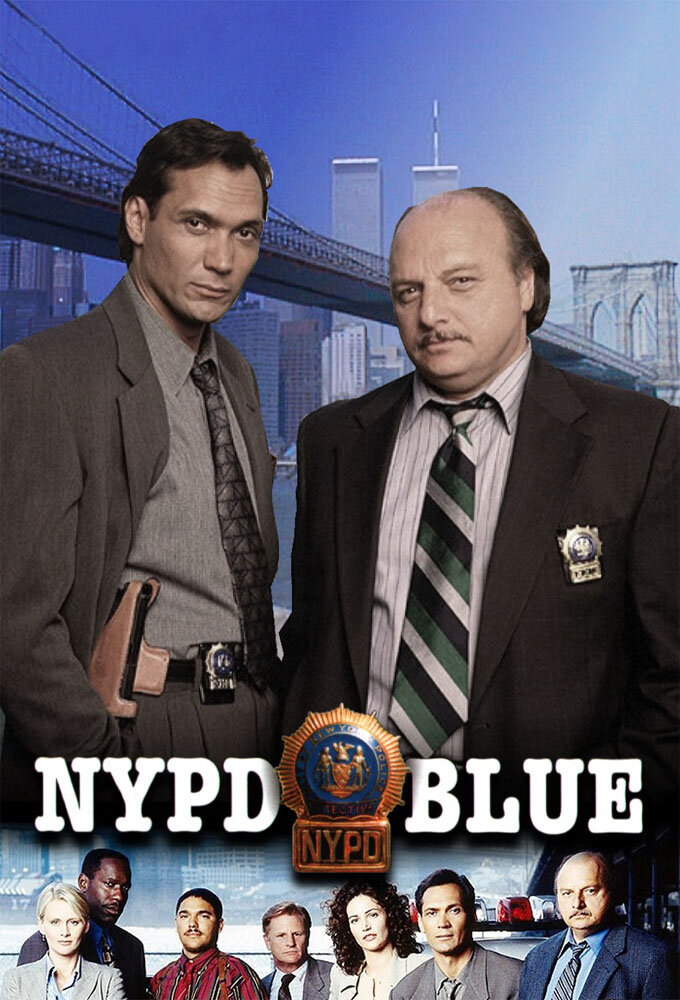
NYPD Blue1993
The other great '90s cop show, born the same year, with the same appetite for messy, flawed detectives and handheld immediacy—less philosophical than Homicide, more soap opera, but just as alive.
But Its serialised relationship drama and dated visual style haven't aged as gracefully as Homicide's interrogation scenes.
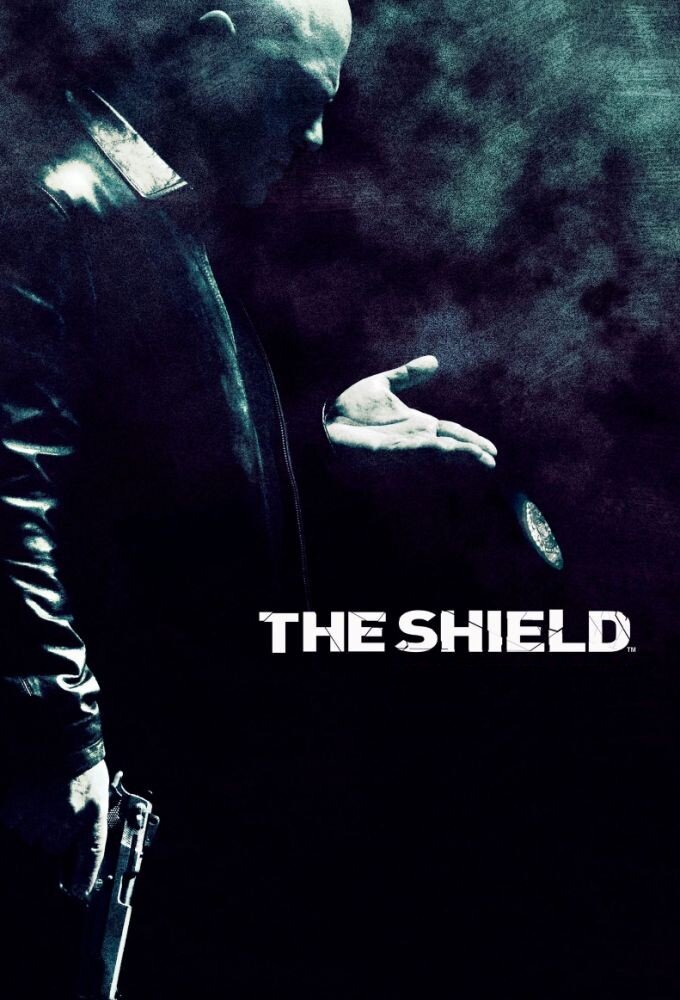
The Shield2002
Swaps Baltimore homicide for LA's Strike Team and swaps doubt for outright corruption—same raw, unglamorous camera language, but the moral rot runs all the way to the top.
But It's meaner and more violent than Homicide ever was; if you came for melancholy, this is anger instead.
The wildcard
Something you would not have found on your own.
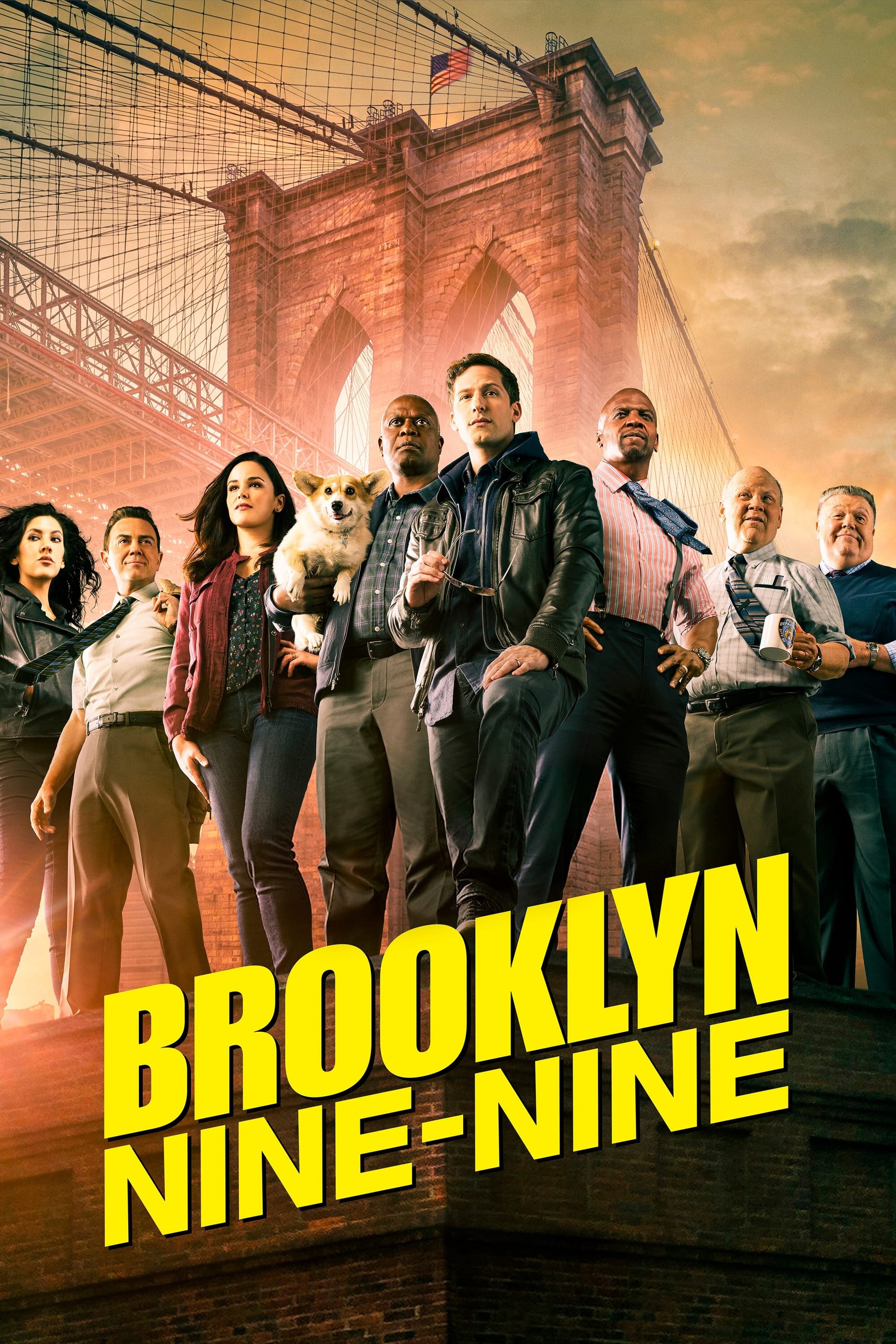
Brooklyn Nine-Nine2013
Same actor, opposite register: Braugher takes the coiled intensity that made Pembleton unforgettable and plays it entirely for comedy, proving how much of that performance was craft rather than just menace.
Andre Braugher, so devastating as Pembleton, spends eight seasons as Captain Holt—rigid, deadpan, secretly warm—and it's one of the great comic performances precisely because you can see Pembleton's intensity rerouted into laughs.
But It's a broad network sitcom with zero interest in real police consequences; tonally it's the opposite of everything Homicide takes seriously.
More like this (8)
True Detective2014
An anthology series that inherited Homicide's love of long, circling dialogue and detectives arguing about the nature of evil instead of chasing car chases.
But It trades ensemble texture for two-man philosophical duets, and later seasons vary wildly in quality.
MINDHUNTER2017
Set decades earlier, it's obsessed with the same thing Homicide was obsessed with—what happens inside the interview room—except now it's academics studying killers instead of detectives closing cases.
But Cool to the point of clinical; it withholds the warmth Homicide's ensemble occasionally allows.
Hill Street Blues1981
The show Homicide was reacting against and building on—first to put an ensemble of flawed cops and overlapping storylines on prime time, and still sharp decades later.
But Early-'80s pacing and production values feel slow next to Homicide's jagged energy.
Fargo2014
Anthology crime drama that shares Homicide's belief that murder cases are really about the ordinary people who commit and investigate them, told with pitch-black humour and regional specificity.
But Its heightened, almost folkloric tone is a big step from Homicide's grounded realism.
Bosch2015
A patient, procedural-minded detective show for people who want the actual mechanics of an investigation—less interrogation-room philosophy, more legwork and paperwork done right.
But Plainer and more conventional than Homicide; it rarely takes creative risks with structure or camera.
The Killing2011
A single murder stretched across a season, with the same interest in the toll a case takes on the people investigating it and the family left behind.
But Its deliberate, mournful pace and controversial ending frustrated many first-time viewers.
The Thin Blue Line1988
Homicide's creators cited Morris's freeze-frames and interview technique as a direct stylistic influence—this is where the show's visual grammar actually came from.
Errol Morris's documentary about a wrongful murder conviction uses stylised reenactments and interrogation-style interviews that Homicide's writers openly borrowed from—watch it and you'll recognise the show's visual DNA.
But It's a slow, formally strange documentary with none of the ensemble warmth or plot momentum of a weekly drama.
Naked City1958
It pioneered the idea Homicide perfected—shooting real city streets instead of sets and treating the location itself as a character in every case.
Decades before Homicide, this black-and-white series shot on real New York streets and insisted every case belonged to an ordinary, flawed person—'there are eight million stories in the naked city,' and this was the one it told each week.
But It's a product of its era: episodic, tidier endings, dated pacing and gender politics throughout.
People
Cast
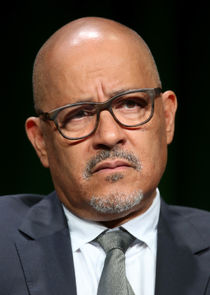
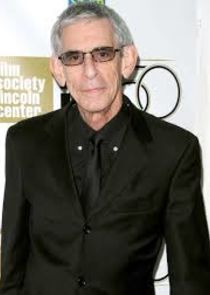
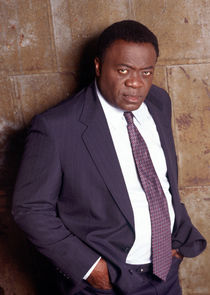





Writing
- Paul AttanasioCreator
Production
- Debbie SarjeantAssociate Producer
- Irene BurnsAssociate Producer
- Lucy VailAssociate Producer
- Eric OvermyerCo-Executive Producer
- Henry BromellCo-Executive Producer
- James YoshimuraCo-Executive Producer
- Jim FinnertyCo-Executive Producer
- Julie MartinCo-Executive Producer
- Debbie SarjeantCo-Producer
- Anya EpsteinConsulting Producer
- Eric OvermyerConsulting Producer
- Gail MutruxConsulting Producer
- Henry BromellConsulting Producer
- Barry LevinsonExecutive Producer
- Henry BromellExecutive Producer
- Jim FinnertyExecutive Producer
- Theodore BogosianExecutive Producer
- Tom FontanaExecutive Producer
- Eric OvermyerSupervising Producer
- James YoshimuraSupervising Producer
- Jim FinnertySupervising Producer
- Julie MartinSupervising Producer
Recommended by
The Wire, NYPD Blue, Hill Street Blues, High and Low, Cagney & Lacey, Gabriel's Fire, In the Heat of the Night, Law & Order, St. Elsewhere, The Closer, Southland, Naked City, Dragnet, The First 48, The Streets of San Francisco