
Television series
No Hiding Place
A procedural follow-up to Murder Bag and Crime Sheet, No Hiding Place tracked Scotland Yard detectives under Chief Superintendent Tom Lockhart as they solved major crimes. Shot live in studio during the late 1950s, it was hugely popular but most episodes are lost—only fragments survive. It's brisk, matter-of-fact police work with the texture of live television: urgency without the safety net of retakes.
If you liked this
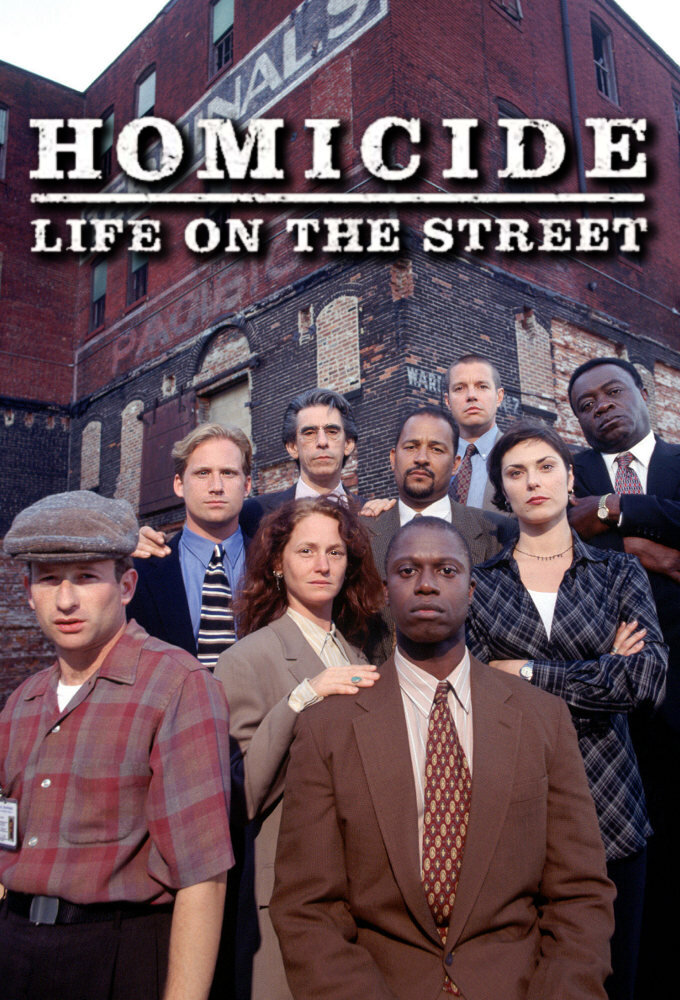
Homicide: Life on the Street1993
A spiritual descendant that elevates procedural storytelling: complex cases, brilliant ensemble work, and genuine moral weight. If you loved the case-by-case drive of No Hiding Place, this deepens everything.
But It's a full 110 episodes and gets darker and more serialized as it goes. Some seasons drag; the tone can be relentlessly bleak.
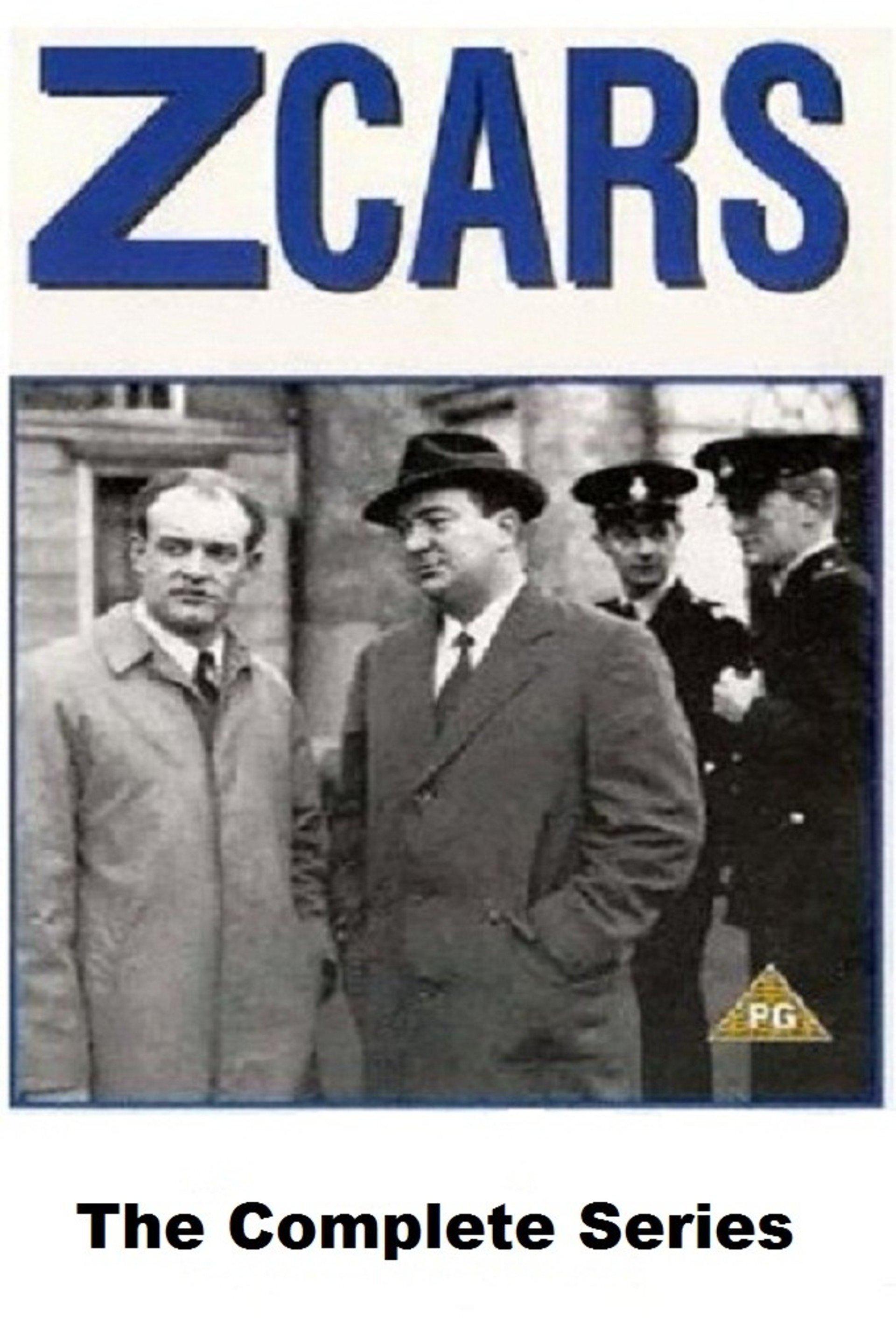
Z Cars1962
British police procedural made just after No Hiding Place, capturing the same energetic, documentary-like approach but with better survival odds for the episodes. Raw, immediate, genuinely gripping.
But Filmed on video in a way that feels flat to modern eyes. Pacing is glacial by contemporary standards; patience required.
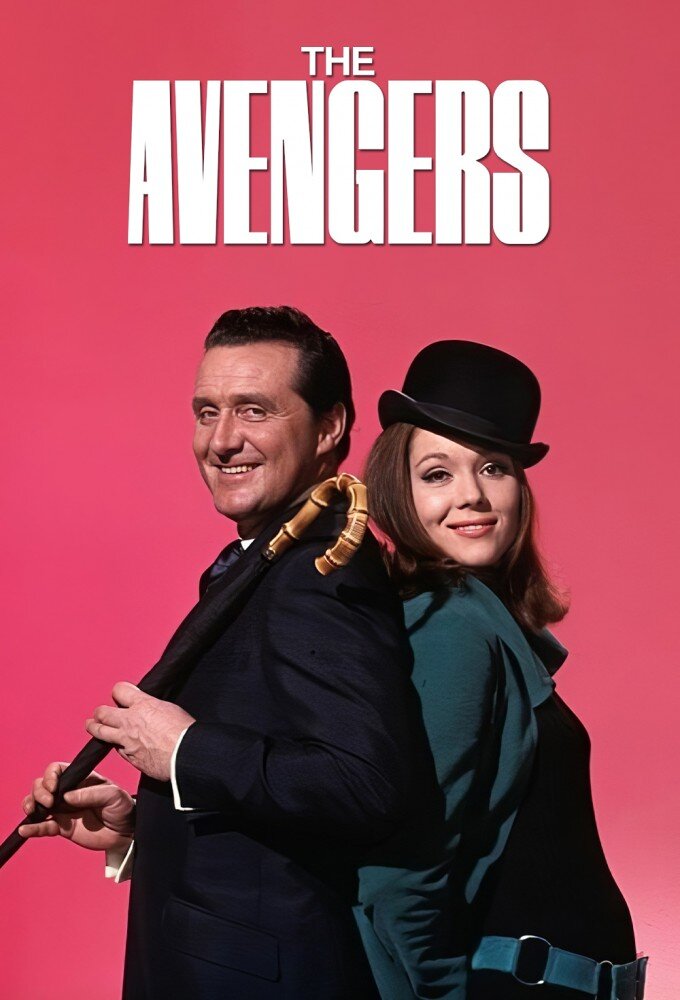
The Avengers1961
Shares the live-studio texture and that particular British cool, but trades realism for stylized spy adventure. If you want the era's visual language without the procedural slog, this is pure fun.
But Wildly uneven in quality across seasons. Can feel more silly than thrilling, especially early on. Chemistry between leads carries it, not plot.
Not sure tonight? Get a pick in a minute, starting from No Hiding Place
The wildcard
Something you would not have found on your own.
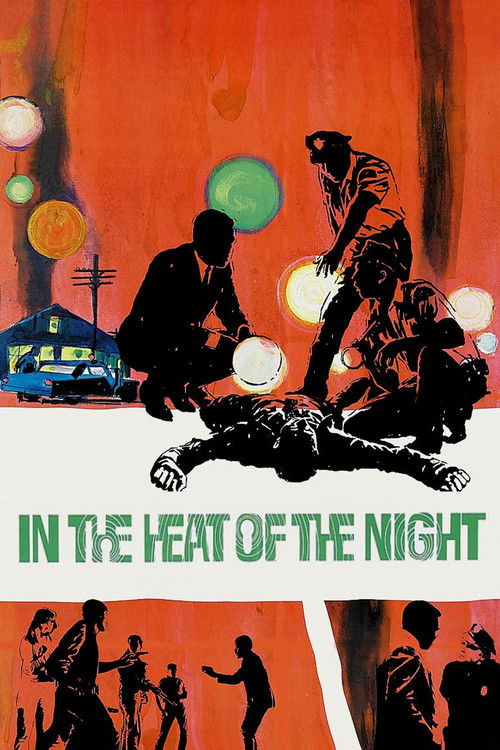
In the Heat of the Night1967
Both are procedurals that treat detective work as a methodical, unglamorous craft—but this one uses that method to examine systemic injustice rather than just solve crimes.
A feature film that brings the police procedural into the realm of serious drama: a Black detective and a racist white sheriff forced to solve a murder together. It has No Hiding Place's investigative rigor but transforms it into moral reckoning.
But Extremely heavy subject matter and deeply uncomfortable racial dynamics. Not a thriller; it's a confrontation. Some find the ending too neat for the problems it raises.
More like this (7)
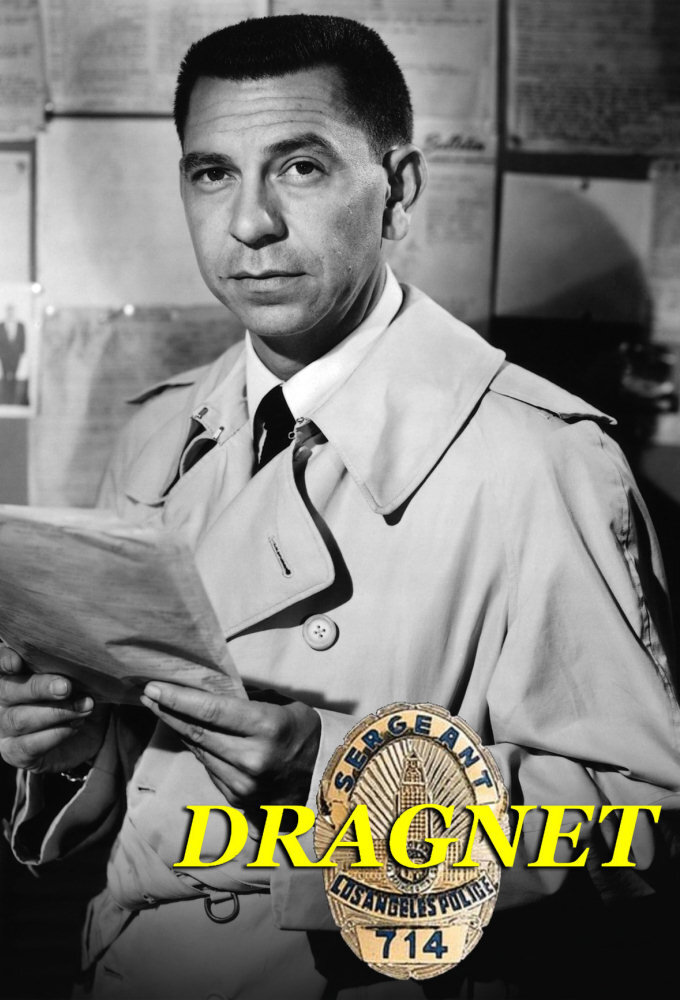
Dragnet1951
The American template for what No Hiding Place does: procedural efficiency, real cases (adapted from LAPD files), Joe Friday's deadpan authority. Lean and purposeful, just like Lockhart's investigations.
But Strictly by-the-book; there's almost no character development or humor. It's a formula and it never breaks it, which some find monotonous.
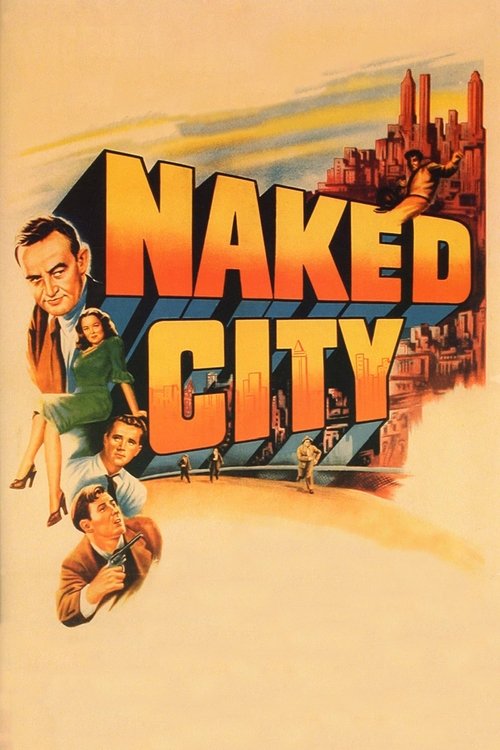
The Naked City1948
American equivalent aiming for gritty authenticity, following detectives through New York crime. It has the same case-resolution drive but with more atmospheric city detail and human friction.
But Less taut than Dragnet; some episodes meander. The dialogue occasionally strains for hardboiled coolness and misses.
Melting Me Softly2019
Another British procedural spinoff, this one from Z-Cars. Follows a task force, so cases are bigger and messier. Thoughtful about police work as a job, not just a chase.
But Slower burn than No Hiding Place. Requires patience with 1960s pacing and a fairly muted emotional register throughout.

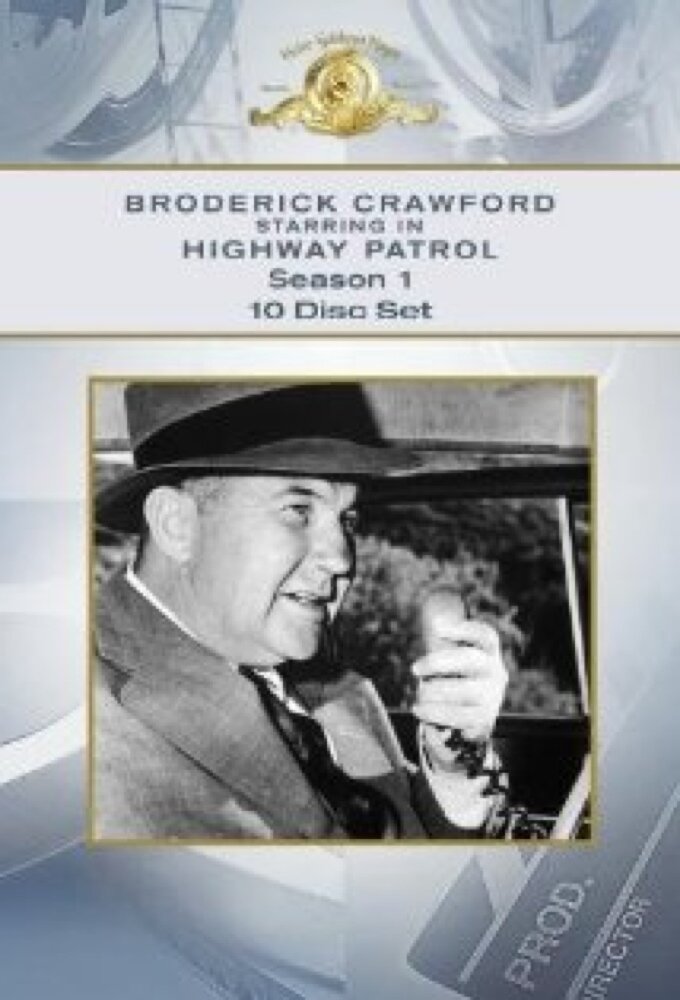
Highway Patrol1955
American procedural with the same efficiency and case-per-episode structure. Broderick Crawford brings an understated authority that echoes Raymond Francis's Lockhart approach.
But Extremely formulaic and quite thin. Episodes are basically interchangeable. Works as background viewing but rarely commands full attention.
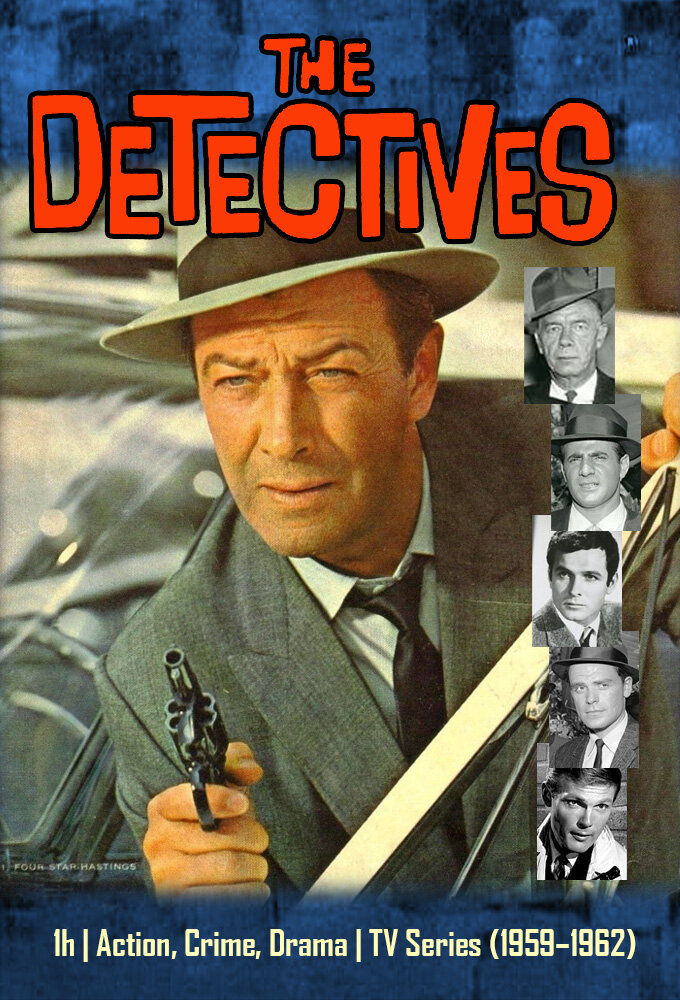
The Detectives1959
Contemporary American procedural with the same live-studio urgency and case-focused storytelling. No pretension; just solid detective work and decent ensemble interplay.
But Dated faster than its British equivalents. The mysteries are often paper-thin and the dialogue can feel perfunctory.
Maigret1960
European procedural elegance: French detective Jules Maigret methodically untangling crimes. Less frantic than the British shows, more thoughtful about psychology and motive.
But Slower pace and lower dramatic stakes than No Hiding Place. Some find it too cerebral and not thrilling enough to carry an hour.
Memento2000
Like No Hiding Place, it's built around the gradual accumulation of clues and the detective's need to close a case, but it weaponizes that structure against conventional understanding.
Inverts the procedural entirely: a man chasing a murder through fractured memory rather than linear investigation. It retains the obsessive case-solving drive but scrambles the form to match a shattered mind.
But The reverse-chronology structure is gimmicky and exhausting on first viewing. The emotional core is cold. Some puzzle out the mechanics and lose interest in the human story.
People
Cast




Production
- Jonathan GoodmanProducer