
Television series
Highway Patrol
- Car-chase action
- Police procedural
- Relentless
- Dip in and out
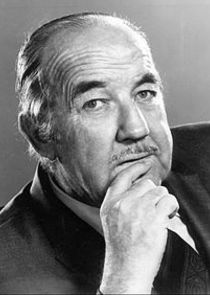
Highway Patrol is a taut, efficient 1950s procedural where Broderick Crawford's Chief Dan Matthews dispatches state troopers to handle roadway emergencies with real urgency. Each 30-minute episode cracks like a whip: a problem, an investigation, a resolution. It's briskly paced, masculine without pretense, and genuinely influential—the template for every cop show that followed. Built for viewers who want narrative momentum and practical police work without sentiment.
Should you watch it?
Watch it if you enjoy lean vintage procedurals where the mechanics of a real highway job matter more than inner life, and a narrator guides each case with brisk, documentary plainness.
Skip it if you want characters who grow or a slow-burn mood; the stories are episodic, the acting is stiff by modern standards, and the cases can feel repetitive.
What it asks of you: Half an hour at a time is all it wants: each episode stands alone, moves briskly, and runs on a formula you will settle into or tire of.
Not sure? Find tonight's pick in a minute.
If you liked this
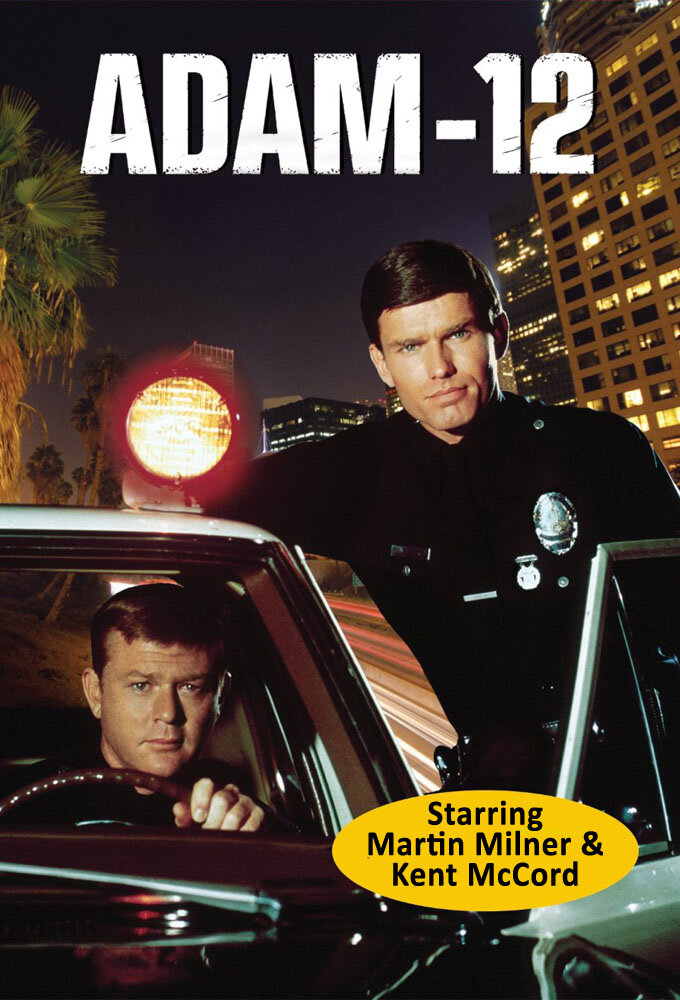
Adam-121968
The spiritual successor to Highway Patrol, following LAPD officers through realistic procedural beats. Far more intimate and character-driven, but shares that same satisfaction of watching professionals solve problems efficiently and well.
But The pacing is deliberate rather than urgent, and many episodes feel more about routine than drama. Some find the earnestness dated.
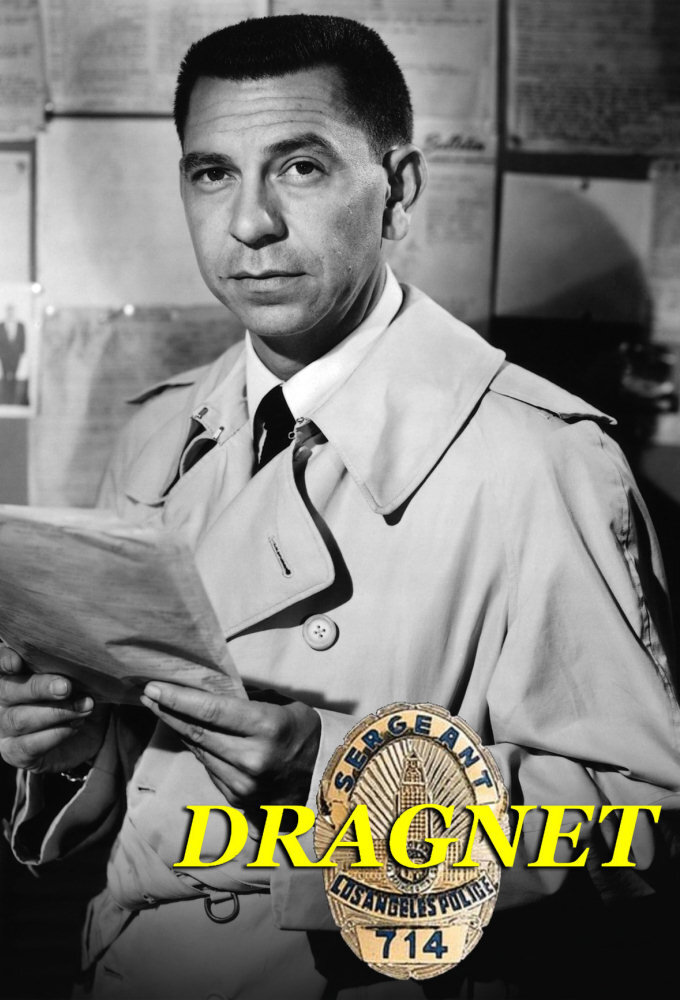
Dragnet1951
Joe Friday and the LAPD, presented with documentary-like precision. The granddaddy of all procedurals, it invented the register Highway Patrol perfected. Hypnotic in its method and dry wit.
But The acting style is formal and mannered by modern standards. Episodes can feel repetitive if you're watching several in succession.
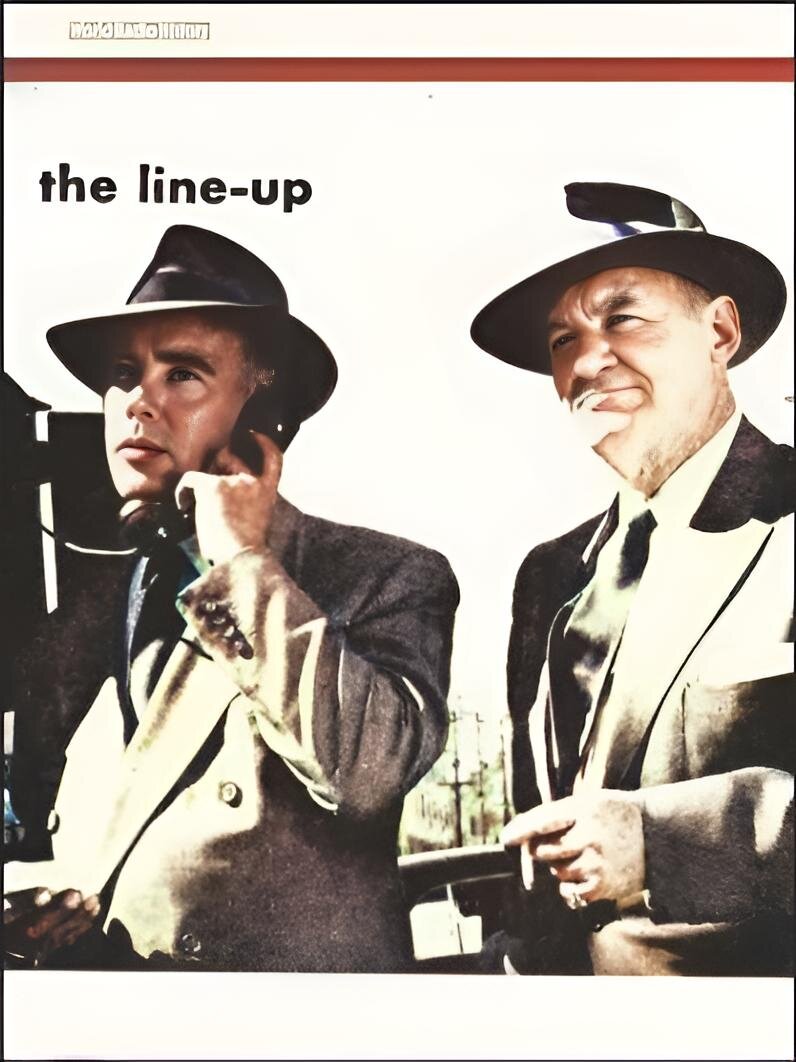
The Lineup1954
San Francisco police track down criminals with the same clinical efficiency and snappy dialogue as Highway Patrol. Genuinely suspenseful, beautifully photographed, and the writing often surprises you.
But It's a little rougher and more uneven than Highway Patrol. Some episodes feel hastily made, which dates the whole enterprise.
Not sure tonight? Get a pick in a minute, starting from Highway Patrol
The wildcard
Something you would not have found on your own.
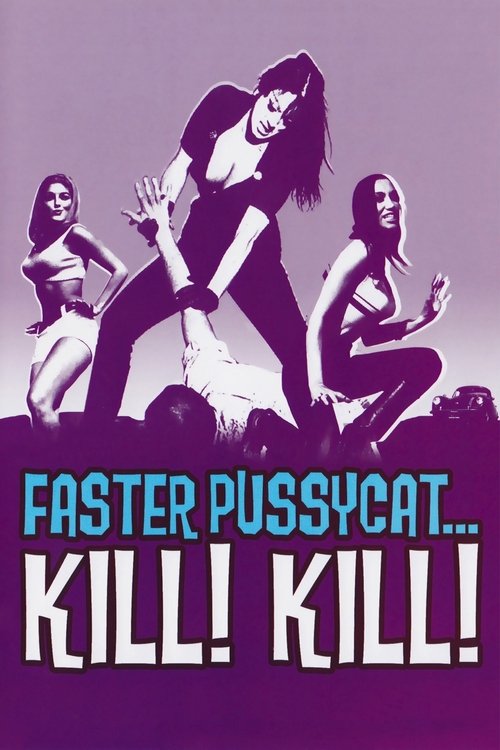
Faster, Pussycat! Kill! Kill!1965
Both films/shows prioritize visceral momentum and practical action over internal psychology. They're about what people do, not why they do it. Highway Patrol is the bureaucratic version; this is its anarchic mirror.
Russ Meyer's anarchic exploitation film about violent women on a desert rampage. It inverts everything Highway Patrol represents—anarchic instead of orderly, feminine instead of masculine, a fever dream instead of procedural clarity. But it shares the same kinetic energy and surfaces-only storytelling.
But It's deliberately transgressive and crude, with nudity and violence presented for pure sensation. If you're expecting plot or character depth, you'll be frustrated.
More like this (7)
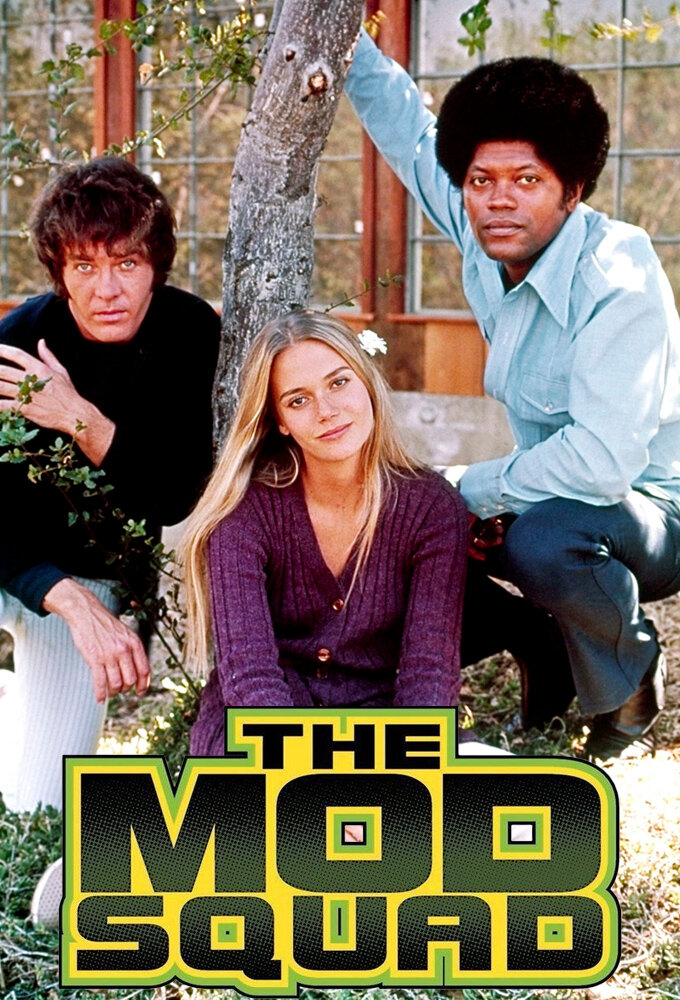
The Mod Squad1968
Young undercover cops in contemporary Los Angeles, handling cases the traditional police can't crack. Highway Patrol's procedural DNA remixed with counterculture energy and a willingness to engage with actual social friction.
But The dialogue tries hard to sound hip and often dates badly. The show wants to be both protest and entertainment, which creates tonal whiplash.
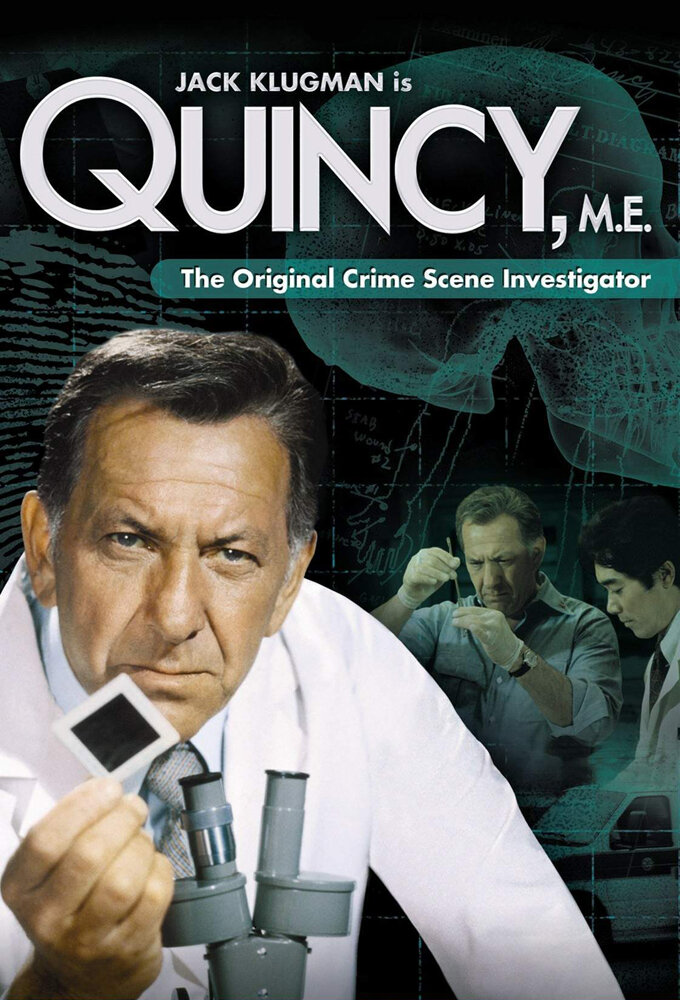
Quincy, M.E.1976
Jack Klugman as a medical examiner solving crimes through forensic investigation. Same driving momentum as Highway Patrol, but the puzzle is intellectual rather than physical—and the writing is sharper.
But It can be overly sentimental. Klugman's monologues about justice sometimes overwhelm the mystery you're watching unfold.
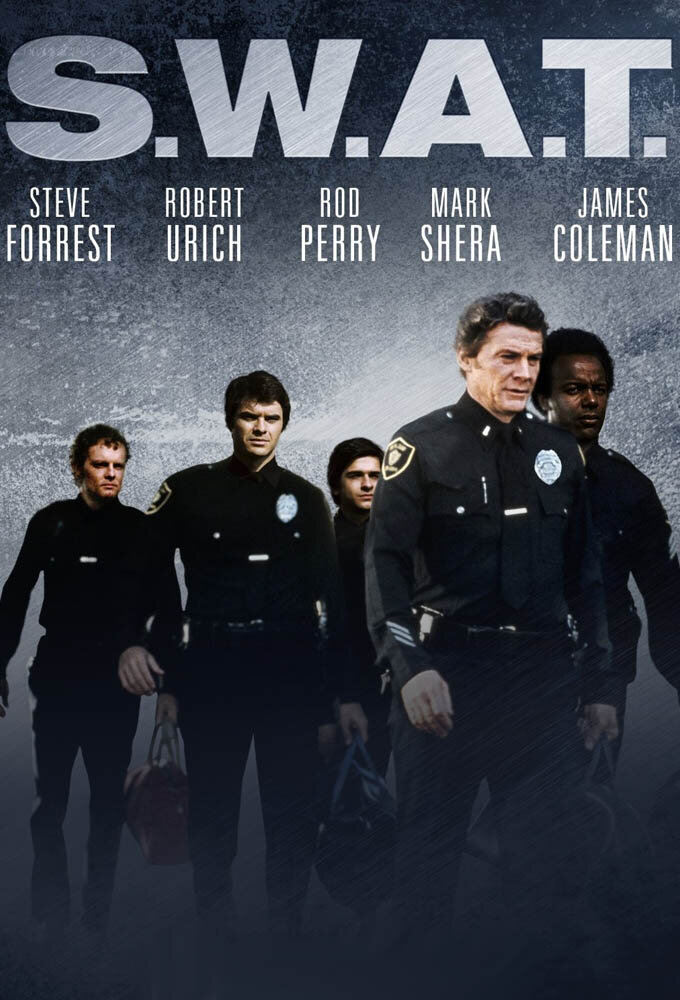
S.W.A.T.1975
Tactical police units responding to emergencies across Los Angeles. Ramps up the action and spectacle Highway Patrol pioneered, with better production and a crack ensemble cast.
But The action can overwhelm character development. Many episodes prioritize explosions over the careful investigation that made the original show compelling.
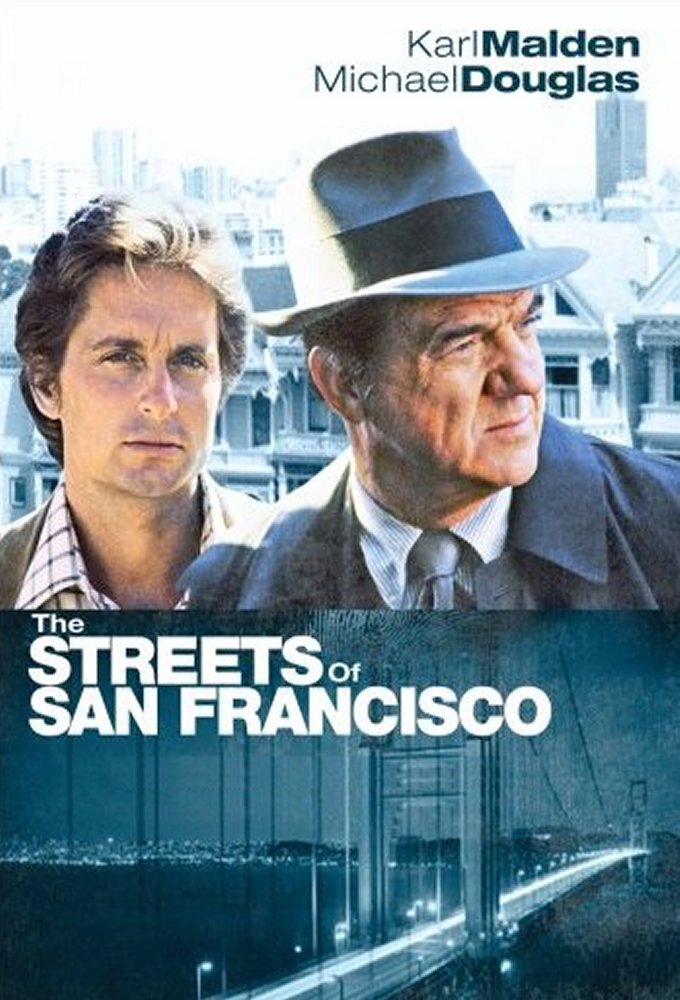
The Streets of San Francisco1972
Michael Douglas and Karl Malden as homicide detectives working cases methodically through San Francisco. Retains Highway Patrol's respect for police procedure while adding genuine emotional weight and better acting.
But It's slower than you might expect. The pace is deliberate, almost meditative at times, which can feel slack if you want momentum.
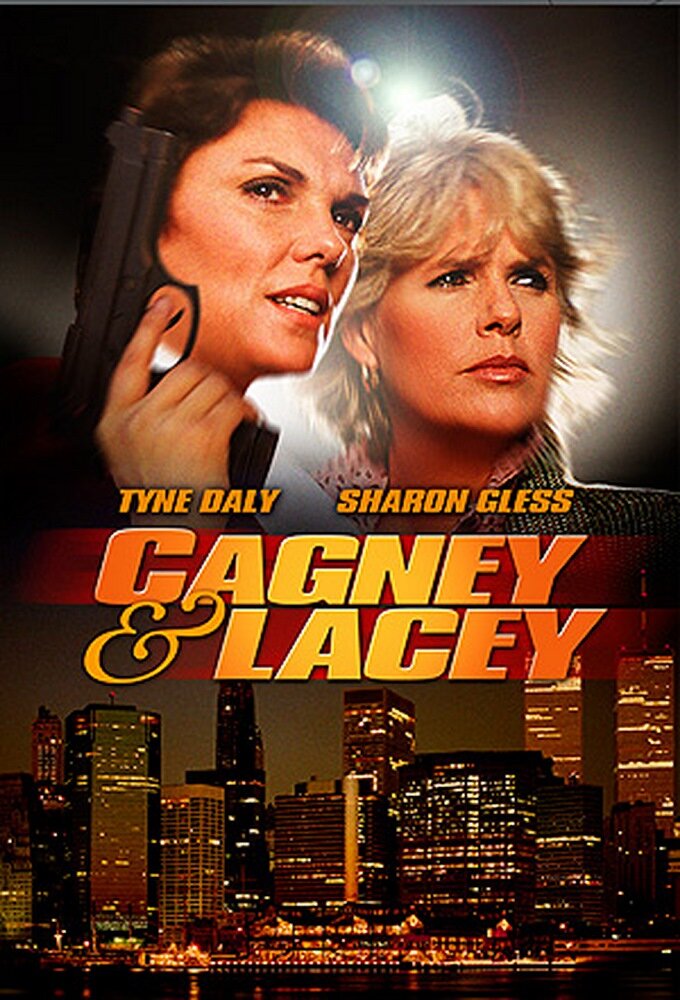
Cagney & Lacey1982
Two NYPD detectives solving crimes in a show that respects police work as intellectually demanding and bureaucratically messy. Highway Patrol's procedural bones, but with complexity and humor.
But The early seasons feel uneven as they find their tone. Some episodes are genuinely boring, more interested in marking time than telling stories.
Rififi1955
Both are fascinated by how professionals work. Highway Patrol watches cops solve crimes; Rififi watches criminals plan heists. Same discipline, opposite sides of the law. Both argue that competence is inherently dramatic.
A French heist film made the same year as Highway Patrol's premiere, told almost entirely through visual storytelling and precise action sequences. The famous silent robbery sequence is a masterclass in procedural clarity—exactly what Highway Patrol does, but in a crime film, with elegance.
But It's in French with subtitles, and the pace is measured rather than urgent. There's no car chases or helicopters; the excitement comes from meticulous planning and psychological tension.

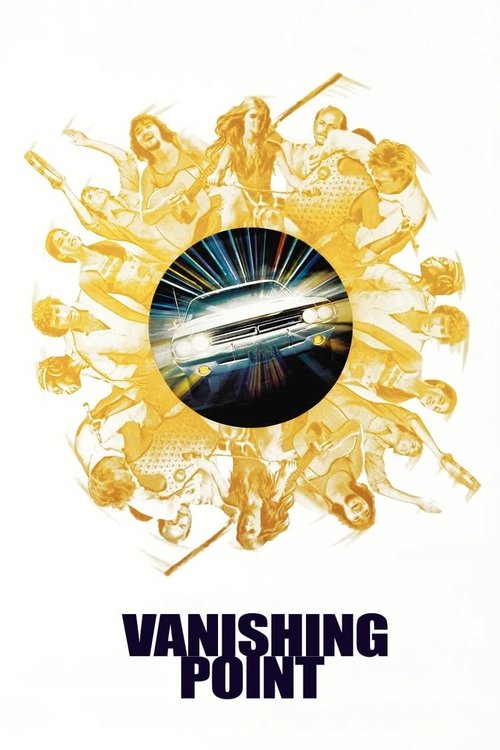
Vanishing Point1971
Both are fundamentally about movement across American highways and the pursuit that creates narrative. Highway Patrol uses cars to tell crime stories; Vanishing Point uses car culture to tell a parable about freedom and inevitability. One is procedural clarity; the other is existential drift—same landscape, opposite philosophies.
A countercultural fever dream about a driver racing across America in a white Dodge Challenger, pursued by police. It steals Highway Patrol's car-chase urgency and highway-culture iconography and weaponizes them as spiritual metaphor. Beautiful, hypnotic, and completely uninterested in resolution.
But It's a 1970s art film with a fatalistic worldview and ambiguous ending. If you need closure or plot payoff, you'll leave angry. The meditative passages can feel self-indulgent.
People
Cast
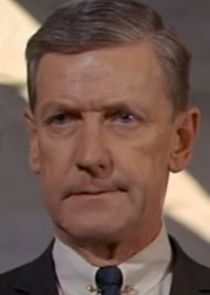 Art GilmoreNarrator
Recommended by
The Untouchables, Dragnet, Police Interceptors, Adam-12, No Hiding Place, The Detectives, Whirlybirds