
Film
Vanishing Point
- Car-chase action
- Thriller
- Relentless
A driver accepts an impossible bet to deliver a 1970 Dodge Challenger across America in fifteen hours. Part road movie, part chase film, entirely hypnotic—a seventy-two-hour fever dream captured in two hours. It's pure momentum and landscape, mysticism and metal. For anyone who's felt the pull of empty highway.
Should you watch it?
Watch it if you love road movies where the car is the whole argument, and a loose, drifting counterculture mood matters as much as the plot, like the American New Wave films of its era.
Skip it if you need a tightly plotted story with a lot of dialogue, since much of this runs on engine noise, open highway and a restless, half-explained man behind the wheel.
What it asks of you: Roughly ninety minutes of mostly driving, with long silences and spare talk; it rewards patience and watching closely rather than following every beat of a conventional plot.
Not sure? Find tonight's pick in a minute.
If you liked this
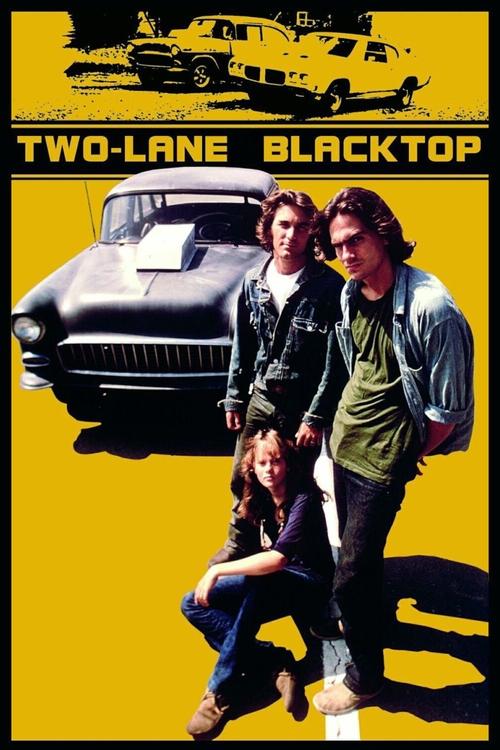
Two-Lane Blacktop1971
A similarly meditative chase film about drivers, machines, and obsession. Minimal plot, maximum atmosphere. Roger Corman's GT40 pursuing a GTO across American backroads in real time.
But Even slower than Vanishing Point. Long stretches with almost no dialogue. If you need narrative propulsion, this will feel like being stranded.
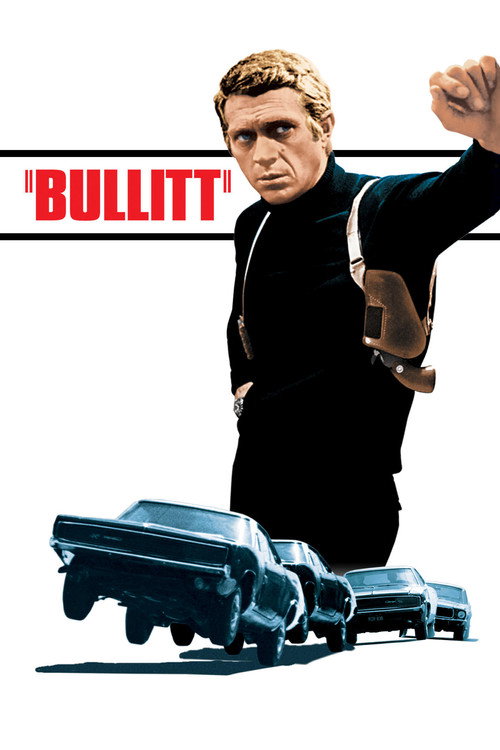
Bullitt1968
The gold standard of car-chase cinema. Steve Reeves in San Francisco, a legendary mustang sequence, and genuine stakes beneath the speed. It invented the template Vanishing Point remakes.
But It's all plot and police procedure around the action. If you're drawn to Vanishing Point's dreaminess, Bullitt's procedural weight will feel earthbound.
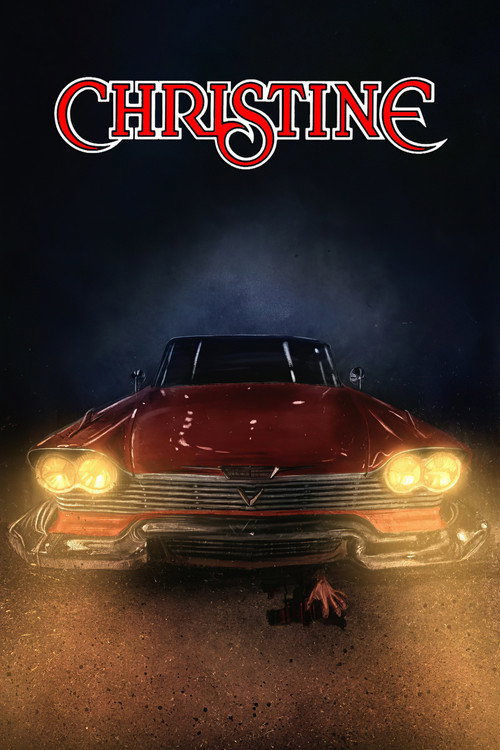
Christine1983
John Carpenter's film about a car that's almost a character—mechanistic, relentless, supernatural. Same obsessive energy, same sense of a vehicle as destiny. Darkly funny where Vanishing Point is mystic.
But It's a horror film, not a poem. You get a coherent plot and jump scares. Some will find that clarifying; others will miss the ambiguity.
Not sure tonight? Get a pick in a minute, starting from Vanishing Point
The wildcard
Something you would not have found on your own.
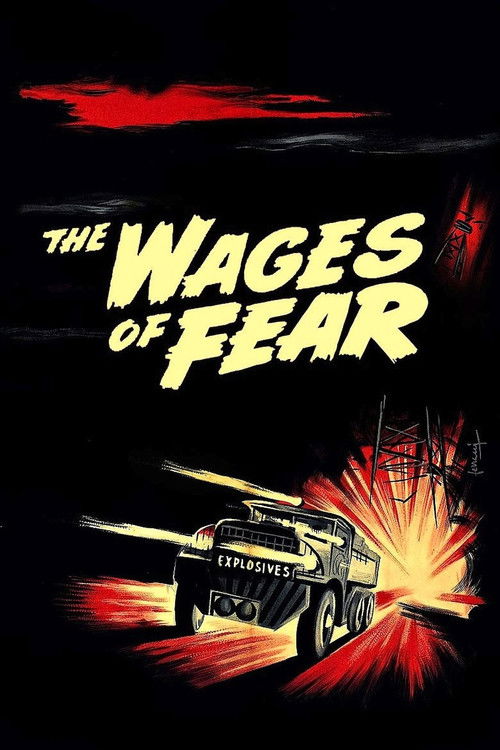
The Wages of Fear1953
Both films make the journey sacred and the destination almost irrelevant. Both treat driving as metaphor for inevitability and doom. Both understand that the road is a character.
Henri-Georges Clouzot's masterpiece about four men driving nitroglycerine across the Andes. Unbearable tension, the road as enemy, machines as fragile. Made two decades before Vanishing Point but speaking the same language of journey as ordeal.
But French, slow-burn suspense, subtitled. The ordeal is existential, not action-movie explosive. You're watching men sweat and think, not race.
More like this (6)
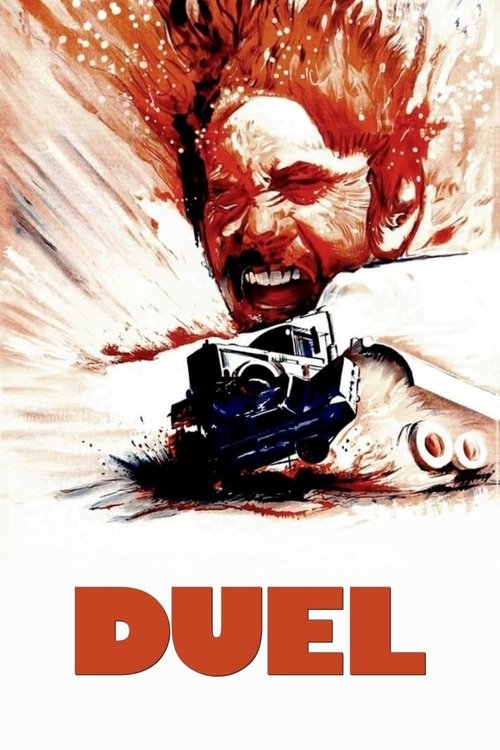
Duel1971
Spielberg's TV movie about a man pursued across California by a truck driver. Made the same year, same desert logic, same meditation on speed and dread. Remarkably tense for seventy-five minutes.
But Tighter and more conventional than Vanishing Point. If you love the surrealism and digression, Duel's focus will feel constraining.
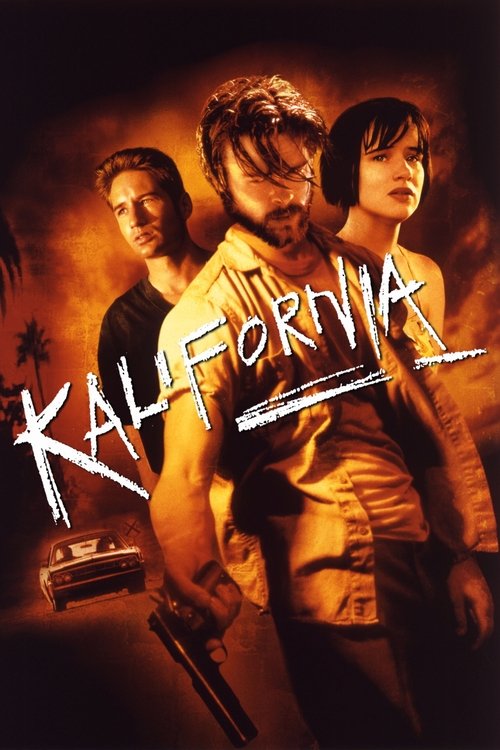
Kalifornia1993
A road movie across America with moral weight and menace beneath the surface. David Duchovny and Brad Pitt on a westward journey that gets increasingly dark. Smaller scale, bigger conscience.
But It's a character study first and a road film second. Less kinetic, more introspective. Vanishing Point moves; this one thinks.
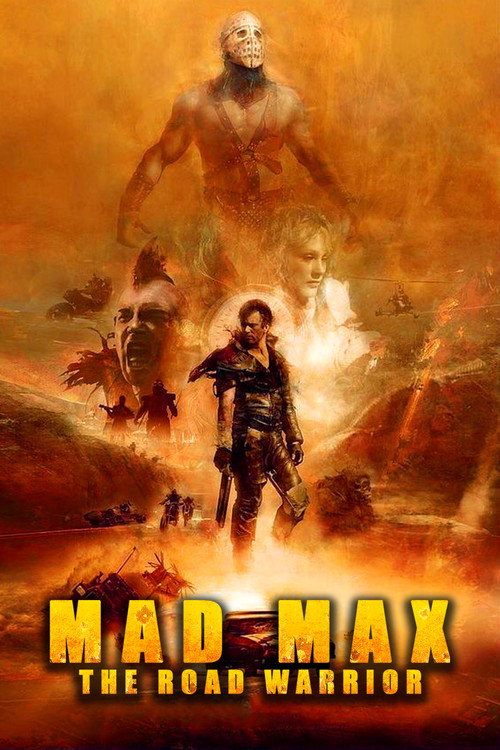
Mad Max 21981
Pure vehicular cinema. George Miller makes the road itself a character—chases and desert and mechanical poetry. Different genre, same obsession with machines and momentum across empty space.
But It's a post-apocalyptic action film with a full plot and mythology. Vanishing Point's minimalism gives way to world-building and explanation.
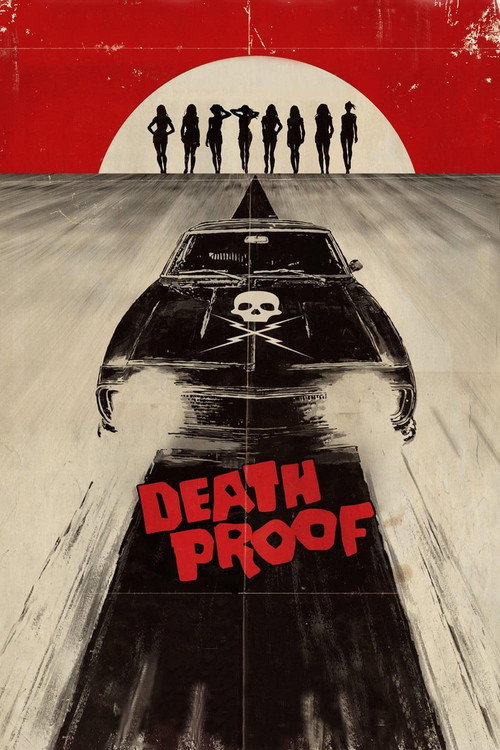
Death Proof2007
Tarantino's film about a car as weapon and character. Long dialogue scenes and then explosive movement. A meditation on speed and vulnerability. Cars matter; driving matters; the road is never neutral.
But Bloated and often silly. The first half meanders, the car crashes are brief, and Tarantino's voice dominates the landscape Vanishing Point lets breathe.
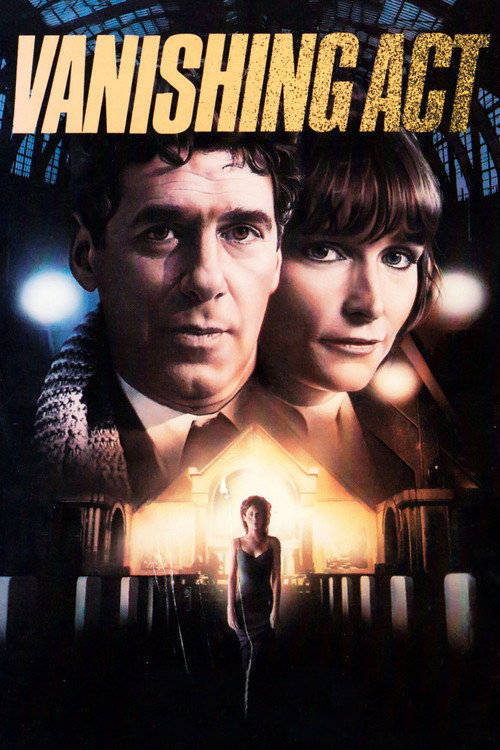
Vanishing Act1986
A TV movie that borrows Vanishing Point's DNA without remaking it—a woman on the run, paranoia, pursuit across America. Claustrophobic and propulsive, made for smaller screens but driven by the same momentum.
But Made for television in the '80s. Lower budget, smaller ambitions. It feels like fan fiction after the original's poetry.
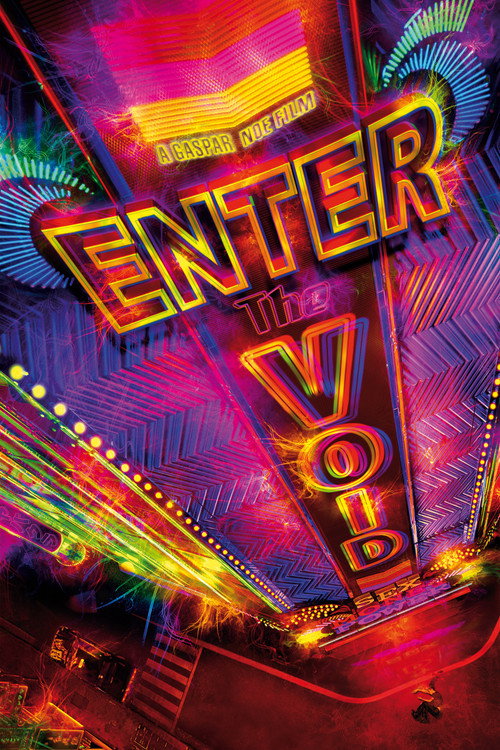
Enter the Void2010
Both films abolish the distance between the viewer and motion itself. Both are interested in dissociation, transcendence, and the dissolution of the self into movement. Both feel less like watching a film than entering a state.
Gaspar Noé's fever dream shot in Tokyo, following a spirit through neon and strobes after a sudden death. Formally radical, visually overwhelming, obsessed with movement and dissolution. No plot; pure experience. Vanishing Point's dreamlike logic applied to an entirely different world.
But Visually assaultive. Strobing lights, repetitive synth, no conventional narrative, and disturbing imagery. It asks a lot of the viewer and gives back abstraction, not catharsis.
People
Cast
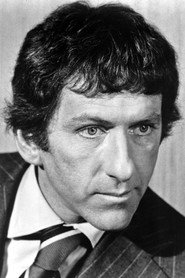 Barry NewmanKowalski
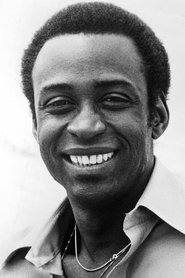 Cleavon LittleSuper Soul
 Dean JaggerProspector
- Victoria MedlinVera Thornton
- Gilda TexterNude Rider
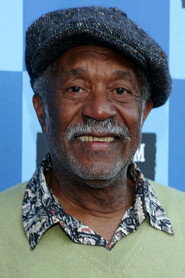 Lee WeaverJake
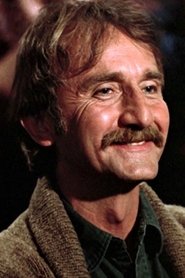 Timothy ScottAngel
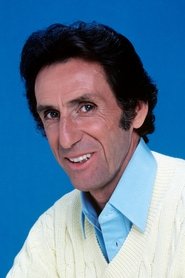 Robert DonnerOld Cop
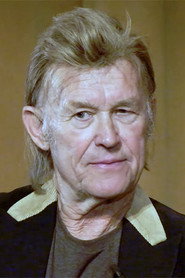 Paul KosloYoung Cop
- Cherie FosterFirst Girl
 Charlotte RamplingThe Hitchhiker
 Tom ReeseSheriff
Directing
- John D. BensonAssistant Director
- Richard GlassmanAssistant Director
- Richard C. SarafianDirector
Writing
- Guillermo Cabrera InfanteScreenplay
- Malcolm HartStory
- Barry HallWriter
Production
- Michael PearsonExecutive Producer
- Norman SpencerProducer
- Francisco DayUnit Production Manager
Recommended by
Easy Rider, Smokey and the Bandit, Bullitt, Gone in Sixty Seconds, The Cannonball Run, Mad Max, The Getaway, Starsky & Hutch, The Rover, Highway Patrol, Two-Lane Blacktop, The Wild Angels, C'était un rendez-vous, The Driver, Race with the Devil, The Endless Summer II, CHiPs, Harley Davidson and the Marlboro Man, The Gauntlet, Cherry, Harry & Raquel!, The Last American Hero, Fast Company, The Gypsy Moths, Herbie Fully Loaded, Violent Road, The Dukes of Hazzard, Initial D, Electra Glide in Blue, Eat My Dust, Hell's Belles, The Mongoose, The Love Bug, Evel Knievel, Grand Theft Auto, Herbie Rides Again, Angel Unchained, Dirty Mary Crazy Larry, The Shooting, Black Moon Rising, The Man from Hong Kong, Fireball 500, Gator, Hell's Angels '69, Viper, Viva Knievel!, Roadside Prophets, Pickup on 101, The Swinging Cheerleaders, In Tandem, Convoy, Hawaii Five-O, White Line Fever