
Film
Kalifornia
- Crime thriller
- Serial killer
- Mystery
- Very dark
A road movie with teeth: two men and a woman drive across America to document serial killer crime scenes, but one passenger is a killer himself. It's stylish 90s genre filmmaking that treats its premise seriously—watching people orbit a threat they don't fully understand, tension building in rest stops and diners. For anyone who likes their thrillers character-driven and genuinely uneasy.
Should you watch it?
Watch it if you're happy to sit with a bleak, sun-bleached American road trip that curdles slowly, where the unease builds from ordinary small talk.
Skip it if you need a clear, fast plot or a hero to root for, since this drifts, feels grubby and sits in uncomfortable company for its full two hours.
What it asks of you: Long stretches of aimless driving and idle talk make up much of its running time, and its ugliness is never softened for comfort.
Not sure? Find tonight's pick in a minute.
If you liked this
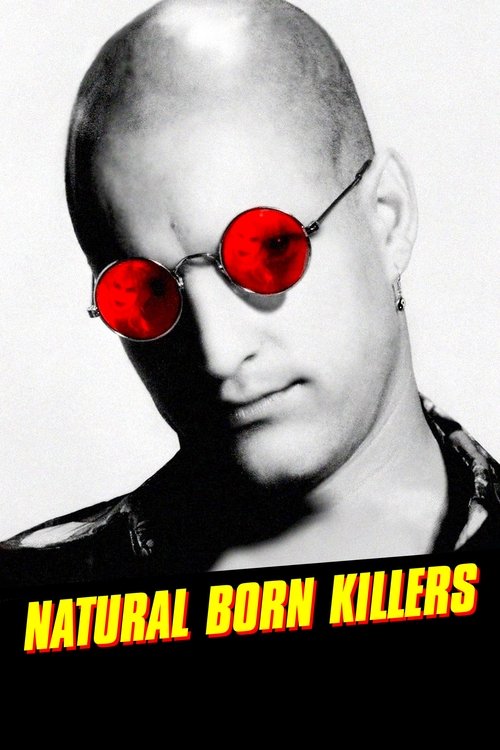
Natural Born Killers1994
Oliver Stone's violent, chaotic fever dream about lovers on a killing spree. Raw, visually overwhelming, and genuinely transgressive in ways that still sting. A counterpoint to Kalifornia's creeping dread.
But The style can feel dated and the messaging muddled; it's exhausting rather than subtle, and some will find it repugnant rather than provocative.
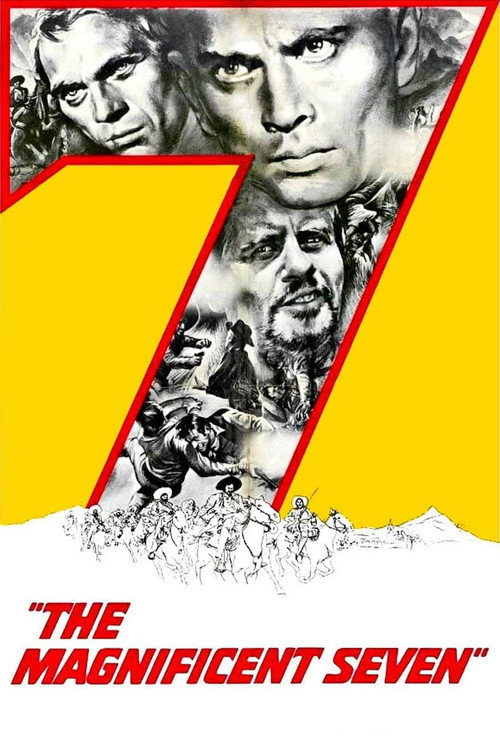
The Magnificent Seven1960
David Fincher's masterpiece about a detective hunting a killer who stages murders as moral lessons. Relentlessly dark, atmospherically perfect, and features Brad Pitt in a role that mirrors Kalifornia's psyche-probing but with far greater craft.
But It's grim, deliberately ugly, and the ending is designed to depress you. Not a film that wants you to feel good.
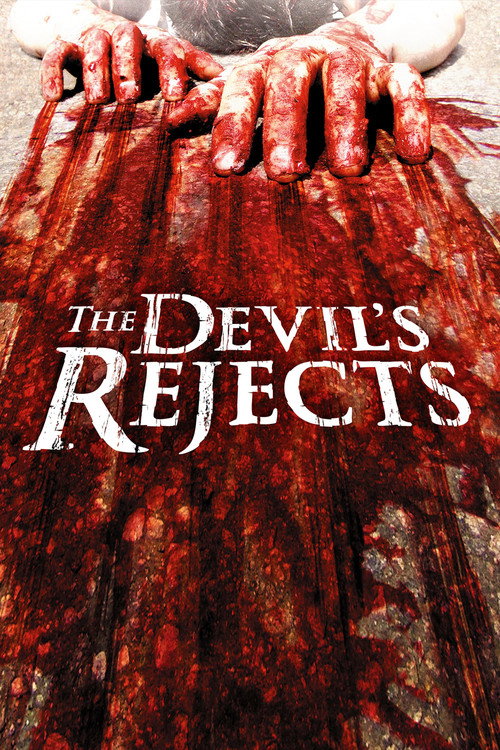
The Devil's Rejects2005
Rob Zombie's unflinching portrait of a family of killers on the run. Savage and genuinely disturbing without irony, it shares Kalifornia's willingness to spend time with dangerous people and let that proximity unsettle you.
But Viscerally brutal and misanthropic; it mistakes meanness for depth and asks you to stare into an abyss that stares back with contempt.
Not sure tonight? Get a pick in a minute, starting from Kalifornia
The wildcard
Something you would not have found on your own.
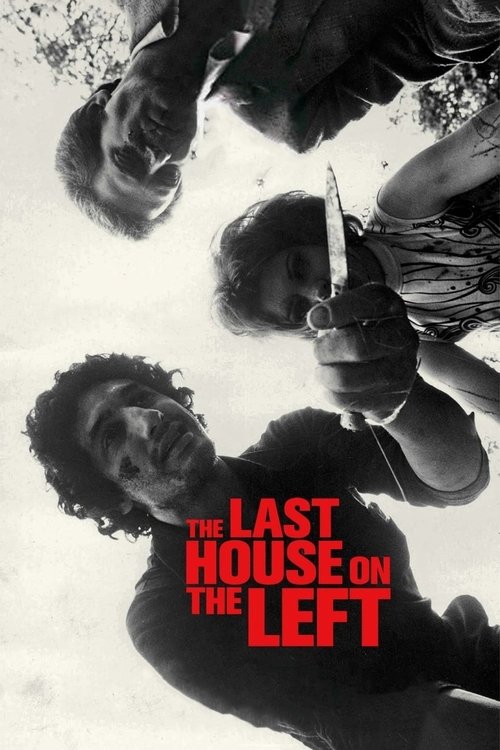
The Last House on the Left1972
Both are domestic American horror-thrillers that treat violence as aftermath and moral reckoning rather than spectacle; both refuse to let you enjoy the transgression.
Wes Craven's brutal, improvised debut about a family's revenge after a kidnapping. The crucial connection: both films are American horror-thrillers that treat violence as consequence rather than spectacle, and both are more interested in how people process trauma than in sensationalizing it.
But Grimy, amateurish, and genuinely difficult. The low production values make the violence feel more real, which is precisely what might repel you from watching it.
More like this (8)
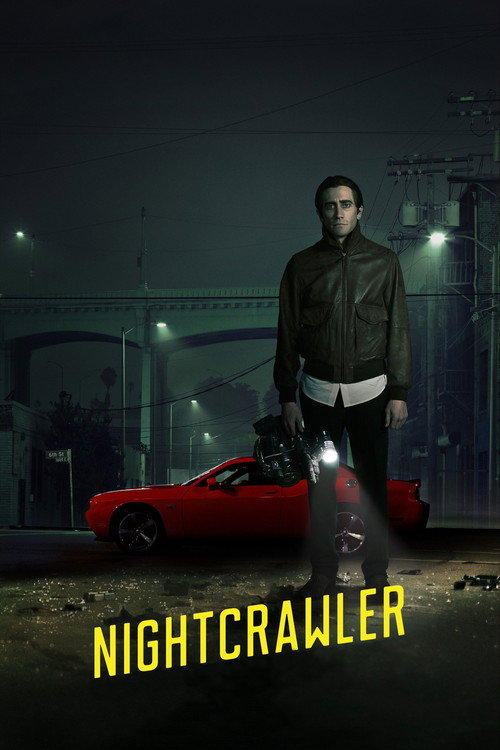
Nightcrawler2014
Jake Gyllenhaal plays a sociopath pursuing ambulance-chasing photojournalism in LA. Like Kalifornia, it's about proximity to darkness and the toll on bystanders. Austere, controlled, deeply unsettling.
But Slow-burn and glacial; the protagonist's blankness can feel repetitive, and there's a coldness that distances rather than draws you in.
Henry: Portrait of a Serial Killer1986
A found-footage-adjacent descent into the mundane horror of a real killer's life. Unflinching, lo-fi, and structurally radical. Shares Kalifornia's refusal to sensationalize while remaining deeply disturbing.
But Made on a shoestring with non-professional actors; it's rough, slow, and punishing. The aesthetic will feel primitive to modern viewers, which is partly the point.

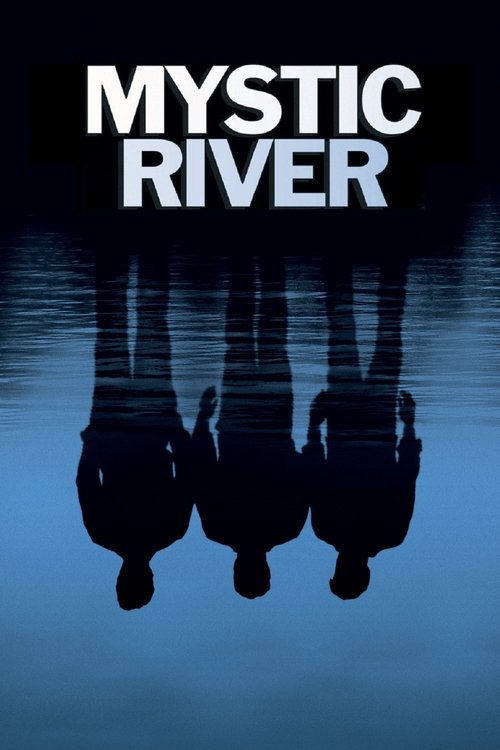
Mystic River2003
Clint Eastwood's examination of how a crime reverberates through a community and corrupts everyone it touches. Ensemble, literary, and morally complex in the way Kalifornia gestures toward.
But Nearly three hours, deliberately paced, and the payoff is ambiguity rather than catharsis. Some will find it bloated.
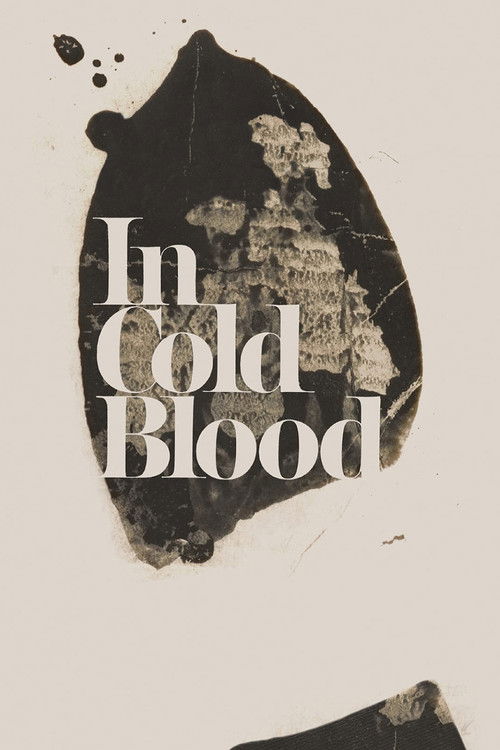
In Cold Blood1967
Richard Brooks' adaptation of Capote's true-crime novelization. Shot in stark black-and-white, it treats a real murder with documentary precision and tragic weight. The progenitor of the true-crime road film.
But The pacing feels antique; modern viewers may struggle with its deliberateness and its refusal to provide psychological explanations.
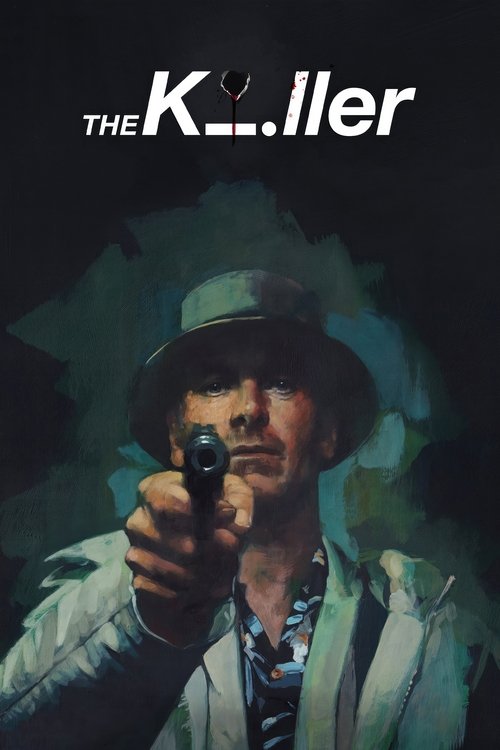
The Killer2023
David Fincher's clinical portrait of an unnamed assassin across continents. Minimalist, precise, and obsessed with the small moments of a dangerous life. Fincher does the Kalifornia premise with ice water.
But Almost plotless and extremely dry; if you want character development or emotional stakes, this will feel like watching someone file taxes.
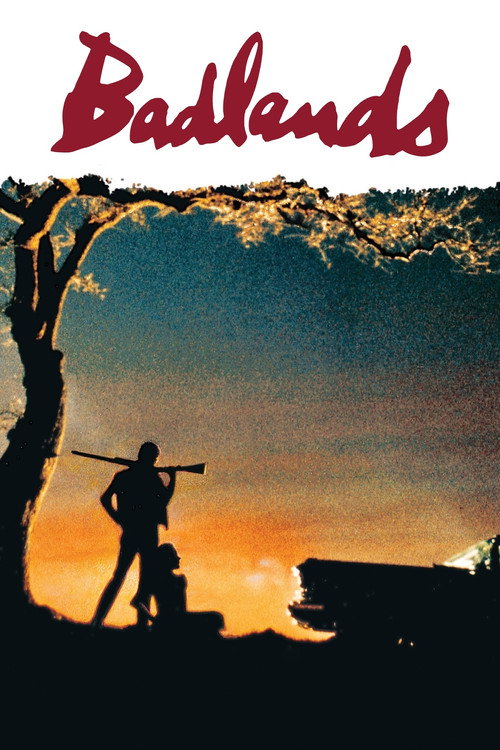
Badlands1973
Terrence Malick's lyrical, elegiac first film about young lovers on the run. It's the ancestor of all outlaw road movies, infused with poetry and genuine melancholy about American violence and innocence.
But The voiceover can feel precious, and the pacing is meditative to the point of stasis. Malick's romanticism may undercut the violence for those seeking something harder.
Memories of Murder2003
Both are journeys to confront a killer, but where Kalifornia is internal and character-driven, this is sociological—how institutions and cultures fail to stop violence. Same engine, opposite direction.
Bong Joon-ho's Korean true-crime procedural about cops hunting a serial killer across a rural region during political crisis. It's Kalifornia's investigation refracted through a different culture and genre: methodical, despairing, morally complex.
But Subtitled; over two hours; the plotting can feel circular, and the ending opts for ambiguity that may frustrate those seeking resolution.

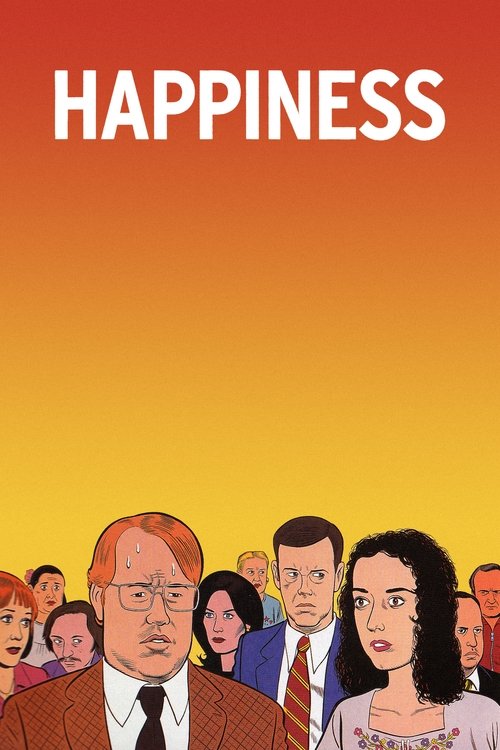
Happiness1998
Both are fascinated by the mundane architecture of monstrosity—how killers and predators exist within ordinary American life, and how proximity to them warps those around them. But Happiness sees it as tragicomic; Kalifornia sees it as tragedy.
Todd Solondz's unsparingly dark comedy about suburban psychopathology: a therapist, a pedophile, a lonely woman. Shockingly funny and deeply disturbing in equal measure. It asks the same question as Kalifornia—how do we live near evil?—but through satire instead of thriller mechanics.
But Offensive, misanthropic, and structurally antagonistic to pleasure. It will make you uncomfortable in ways that feel gratuitous, and the comedy lands as cruelty to some viewers.
People
Cast
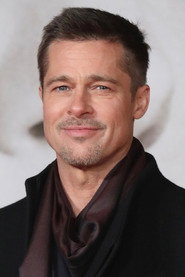 Brad PittEarly Grayce
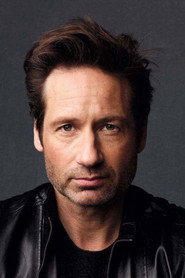 David DuchovnyBrian Kessler
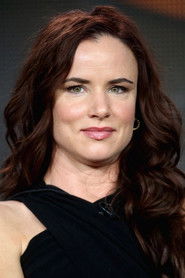 Juliette LewisAdele Corners
 Michelle ForbesCarrie Laughlin
 Sierra PecheurMrs. Musgrave
 John DullaghanMr. Musgrave
- Kathy LarsonTeenage Girl
 David MilfordDriver
- Judson VaughnParole Officer
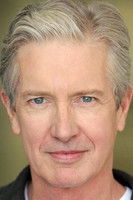 John ZarchenPeter
 David RoseEric
 Loanne BishopFemale Officer
Directing
- Dominic SenaDirector
- Thomas Patrick SmithFirst Assistant Director
- Jane GoldsmithScript Supervisor
- Lynn HarrisScript Supervisor
Writing
- Stephen LevyScreenplay
- Tim MetcalfeScreenplay
Production
- Carol LewisCasting
- Kristine J. SchwarzCo-Producer
- Mitch SacharoffCo-Producer
- Jim KoufExecutive Producer
- Lynn Bigelow-KoufExecutive Producer
- Gregory GoodmanLine Producer
- Aristides McGarryProducer
- Sigurjón SighvatssonProducer
- Steve GolinProducer
- Michelle ColbertProduction Coordinator
- Buddy EnrightProduction Supervisor
Recommended by
Badlands, Natural Born Killers, Killing Zoe, Thief, Wild at Heart, Bonnie & Clyde, Vanishing Point, Freeway, Chopper, Thieves Like Us, The Devil's Rejects, American Perfekt, The Boys Next Door, Bloody Mama, Switchback, Joyride, Burn, Kill Me Later, The Grissom Gang, Trouble Bound, Carolina Caroline