
Film
Bloody Mama
A 1970 exploitation film about Ma Barker, the matriarch of a real Depression-era crime family. Roger Corman directs with pulp energy, mixing family pathology with gangster thrills—messy, lurid, and unashamed about its trashy appetites. For viewers who want their crime stories weird and their heroes thoroughly corrupted.
Should you watch it?
Watch it if you like unsettling crime stories that dwell on a warped family's bond rather than on heists, with the raw, lurid energy of late-sixties exploitation-era filmmaking.
Skip it if you need likeable people or brisk plotting, since this is sordid, talky and often repellent in its intimacy, with a tone that lurches without warning.
What it asks of you: It runs a brisk ninety minutes but lingers on ugly domestic scenes and loud outbursts, so expect to sit with discomfort rather than be carried along by momentum.
Not sure? Find tonight's pick in a minute.
If you liked this
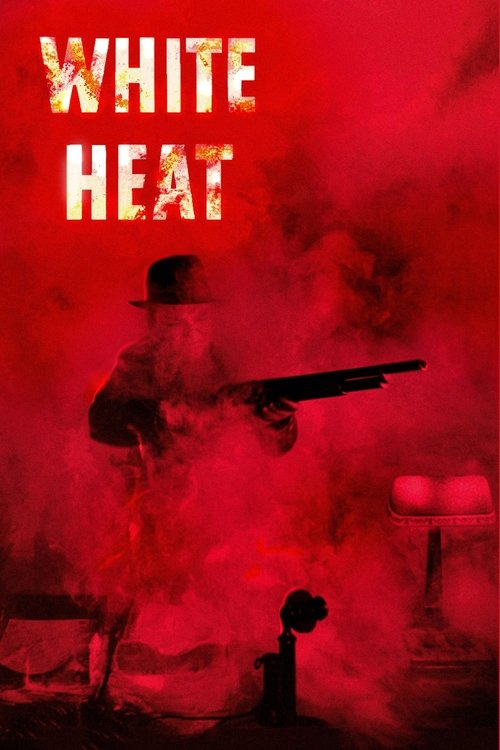
White Heat1949
James Cagney as a psychotic mama's boy gangster in a film that essentially invented the modern crime thriller. Raw, violent, and psychologically ahead of its time—the prototype Corman was riffing on.
But Black and white 1940s pacing won't move like you expect. The ending is famous but feels distant if you're not invested in Cagney's particular mania.
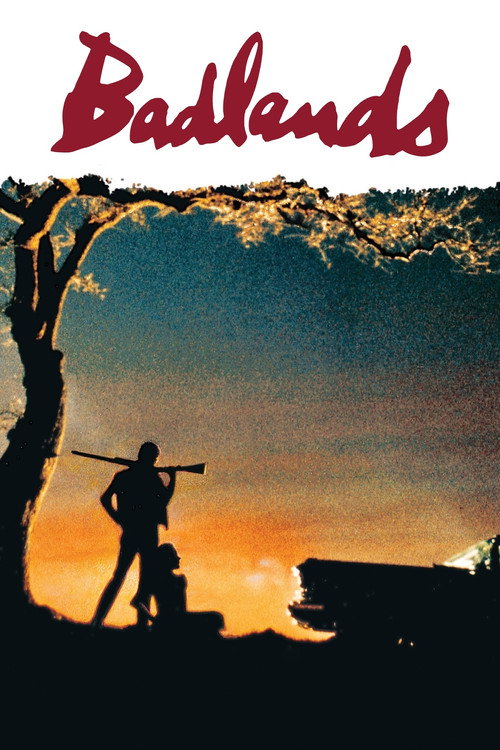
Badlands1973
Terrence Malick's romantic, poetic take on young killers on the run. Visual poetry applied to violence and desire—proof that crime stories can be beautiful without losing their teeth.
But Malick's dreamy, digressive style is the opposite of Corman's sledgehammer approach. Some find it precious rather than moving.
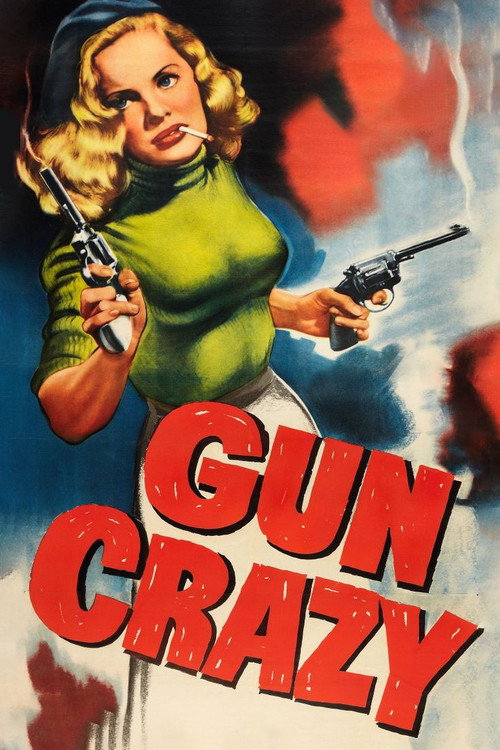
Gun Crazy1950
A couple robs their way across America in a film that basically invented the outlaw lovers subgenre. Scrappy, energetic, genuinely dangerous-feeling on a shoestring budget.
But It's a 1950 B-movie, which means quick cuts and sudden tonal shifts that can feel disjointed if you're not attuned to that era's rhythm.
Not sure tonight? Get a pick in a minute, starting from Bloody Mama
The wildcard
Something you would not have found on your own.
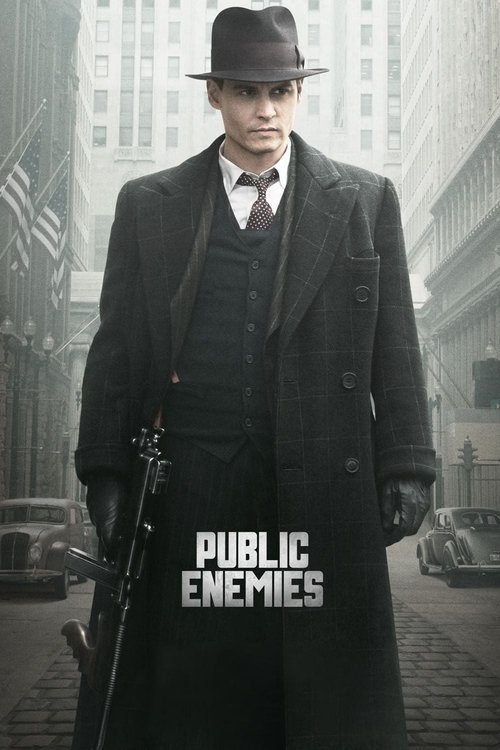
Public Enemies2009
Both films are about Depression-era bank robbers and their doomed families, but Mann elevates to elegiac tragedy where Corman embraces exploitation and perversity. Different moral weights, same historical moment.
Michael Mann's John Dillinger versus the FBI is a tragedy about a man for whom crime is honest work. Gorgeously shot in digital, it treats its gangster as a craftsman, not a monster—the opposite register from Corman's hysteria.
But It's a three-hour procedural that favors mood and gunfight choreography over plot. Mann's detachment can feel cold.
More like this (7)
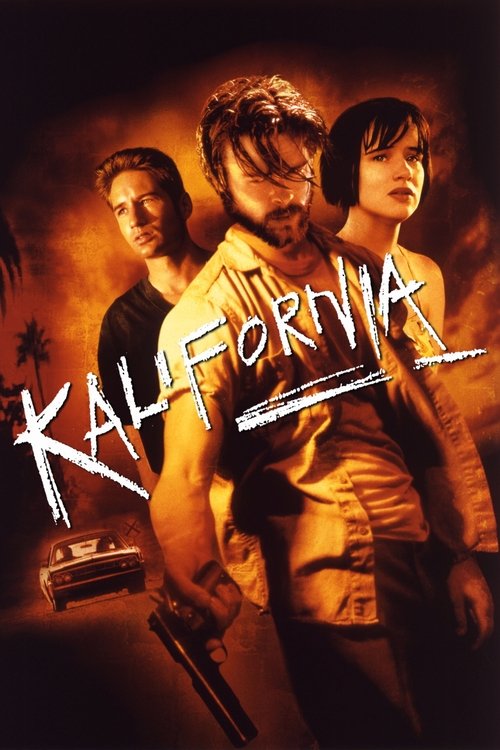
Kalifornia1993
A road trip with a sociopath becomes a portrait of American violence and masculine pathology. Mordant, bleak, and willing to let its characters be truly awful without prettifying them.
But It's aggressively dark and offers no catharsis. The violence is motivated by character rather than plot, which some experience as pointless cruelty.
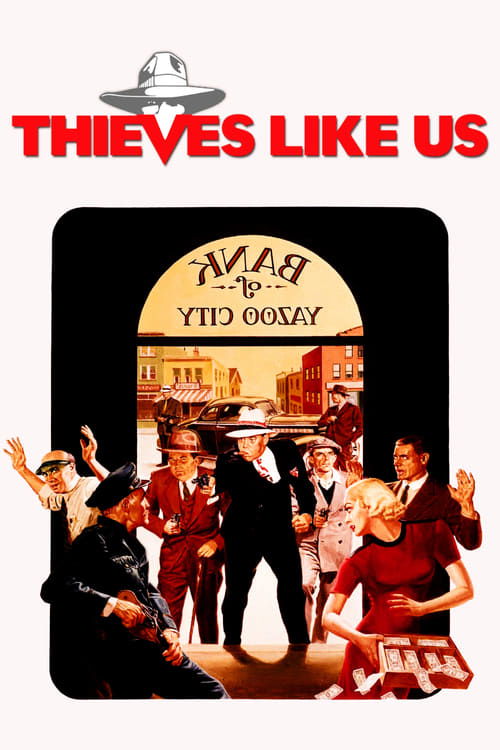
Thieves Like Us1974
Robert Altman's Depression-era heist film about small-time bank robbers and the people who love them. Melancholic, character-driven, anchored by genuine performances.
But Altman's overlapping dialogue and refusal to sensationalize the crime makes it contemplative rather than thrilling—slow by design.
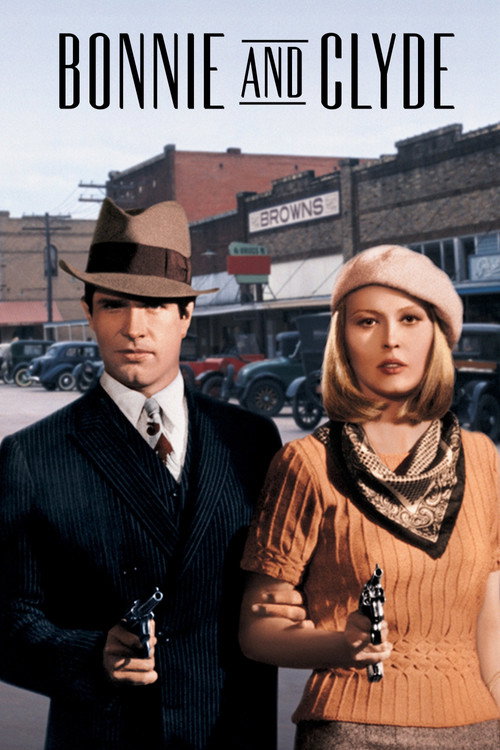
Bonnie and Clyde1967
The film that made audiences fall in love with killers. Stylish, violent in ways that shocked 1967, genuinely romantic about outlaws—the DNA for every crime couple film after.
But Its influence has calcified it into an old film. You know the beats, the violence register, the ending. Familiarity mutes the transgression.
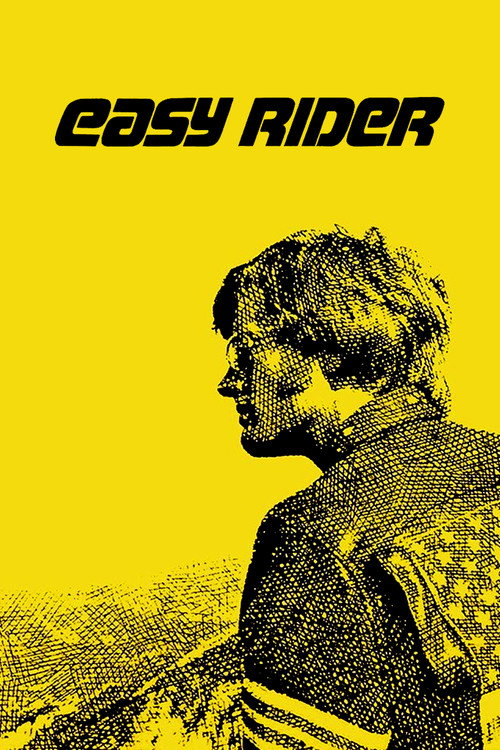
Easy Rider1969
Two bikers ride across America and get murdered for existing. A counterculture requiem disguised as a road movie—the moment American cinema fractured.
But It's dated as a period piece and relies on music to carry you. Without nostalgia for that era, the politics can feel preachy and vague.
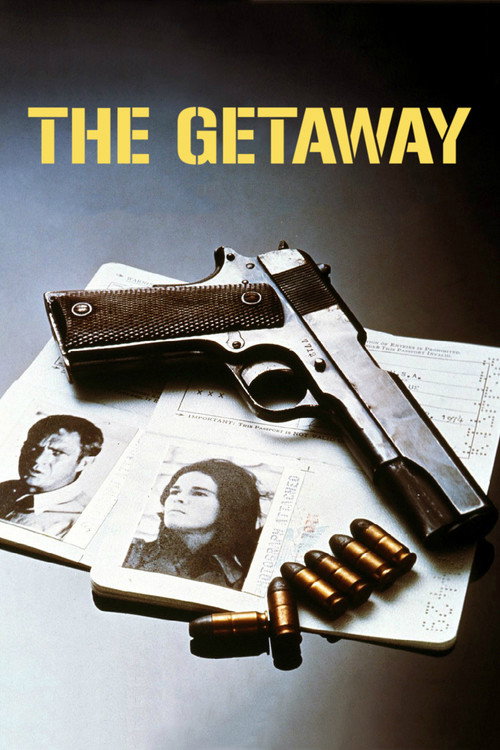
The Getaway1972
Steve Reeves and Ali MacGraw as a couple on the run after a bank heist. Sleek, paranoid 1970s thriller with sex and violence woven together, technically accomplished.
But Peckinpah's stylistic excess can read as self-indulgent. Some scenes lumber while others feel gratuitous rather than purposeful.
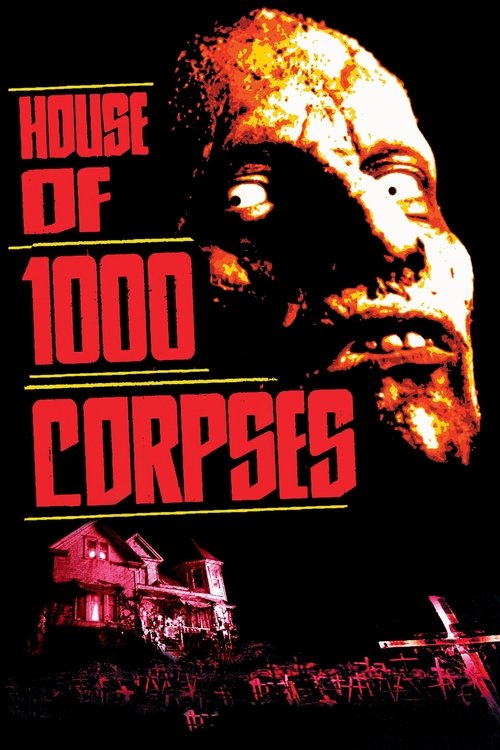
House of 1000 Corpses2003
Same DNA of family pathology as the core of criminal behavior, but Zombie treats it as surreal carnival rather than psychological drama. Both are proudly transgressive, but fifty years and a budget apart in how they execute it.
Rob Zombie's family of killers is pure grotesque carnival—trashy, visually insane, committed entirely to the aesthetic of exploitation. It's Bloody Mama's granddaughter, made with the budget and technology to fully materialize the fever dream.
But It's aggressively ugly and refuses to make its killers sympathetic. Some will find it torture-porn tedium; others will find it exhilarating.
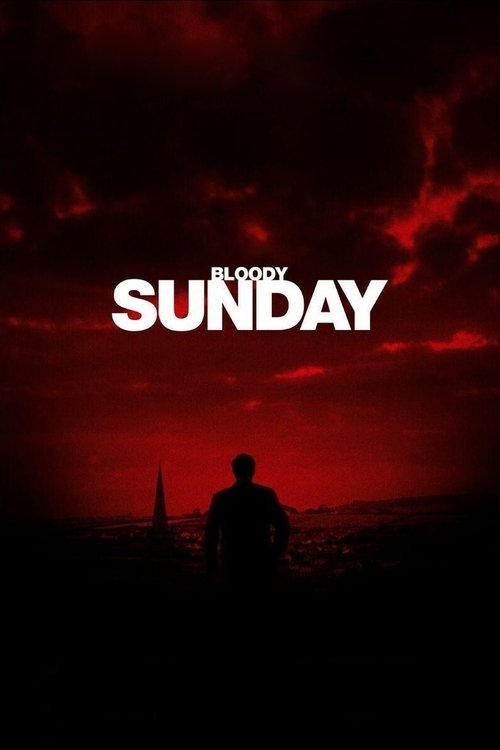
Bloody Sunday2002
Also uses real historical crime and family/group dynamics, but as foundation for moral reckoning rather than lurid spectacle. Where Bloody Mama asks 'what if Ma Barker was fascinating?', Greengrass asks 'what if we actually looked at what violence does?'. Inverse registers, same subject matter.
Paul Greengrass's reconstruction of a massacre in Derry, Northern Ireland. Real suffering with none of the exploitation—handheld, visceral, morally serious. Shows what happens when the camera stops being complicit and becomes witness.
But It's a brutally heavy film about atrocity, not entertainment. The formal innovation serves the gravity, which can feel punishing.
People
Cast
 Shelley Winters'Ma' Kate Barker
 Pat HingleSam Adams Pendlebury
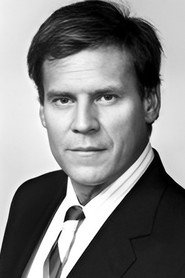 Don StroudHerman Barker
 Diane VarsiMona Gibson
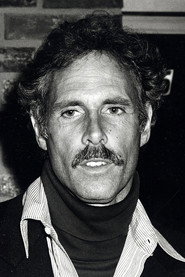 Bruce DernKevin Dirkman
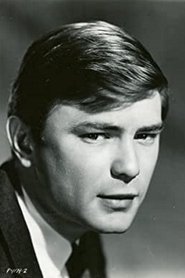 Clint KimbroughArthur Barker
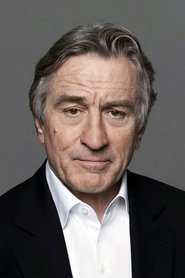 Robert De NiroLloyd Barker
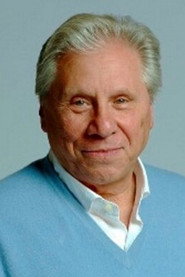 Robert WaldenFred Barker
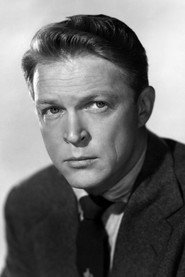 Alex NicolGeorge Barker
 Pamela DunlapRembrandt
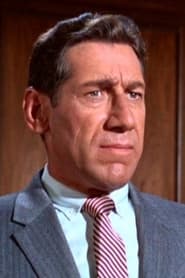 Michael FoxDr. Roth
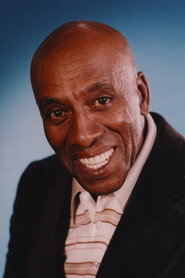 Scatman CrothersMoses
Directing
- Gary GrilloAssistant Director
- Roger CormanDirector
Writing
- Robert ThomScreenplay
- Don PetersStory
- Robert ThomStory
Production
- Norman T. HermanCo-Producer
- James H. NicholsonExecutive Producer
- Samuel Z. ArkoffExecutive Producer
- Roger CormanProducer
- Elliot SchickProduction Manager