
Film
Boxcar Bertha
Martin Scorsese's debut feature follows a Depression-era drifter and a union organizer through armed robbery and class struggle in 1930s Arkansas. It's a raw, kinetic crime film with genuine grit and no safety rails. For anyone drawn to early Scorsese's hunger and to stories where the underdog's fight feels earned, not sentimentalised.
If you liked this
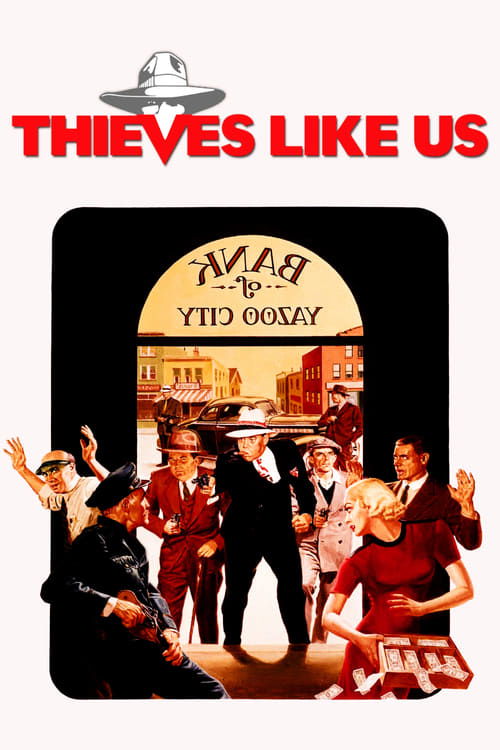
Thieves Like Us1974
Robert Altman's Depression-set crime romance, tender and unglamorous. Like Boxcar Bertha, it finds the humanity in outlaws without excusing their choices, shot with a photographer's eye for Americana.
But Slower than Scorsese's film, more interested in mood than momentum. The violence is matter-of-fact rather than kinetic.
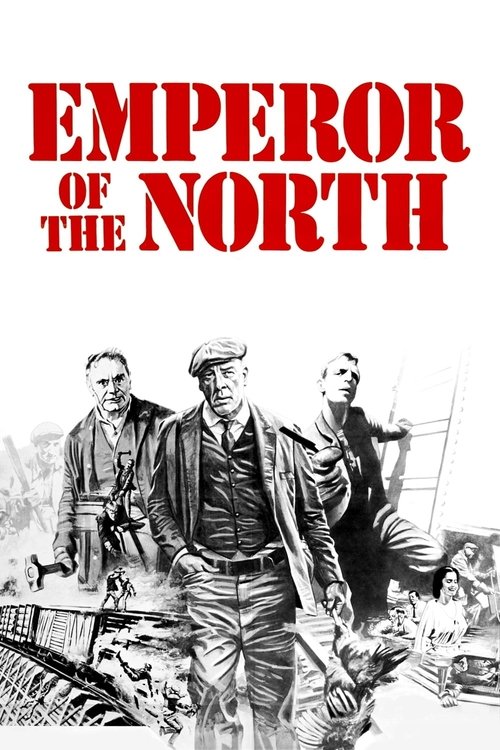
Emperor of the North1973
Lee Marvin and Ernest Borgnine battle over a moving train in Depression America. Brutal, tactile survival story with the same grime and class rage, built entirely around conflict and will.
But Leaner on character than plot. The emotional stakes are thinner than the physical ones.
The Ballad of Little Jo1993
A woman passes as a man to survive the Old West frontier. Like Boxcar Bertha, it's a true story of a woman fighting a rigged system, but with a stranger's patience and a revisionist eye on American mythology.
But Deliberate and elegiac rather than urgent. Built on restraint where Scorsese built on electricity.

Not sure tonight? Get a pick in a minute, starting from Boxcar Bertha
The wildcard
Something you would not have found on your own.
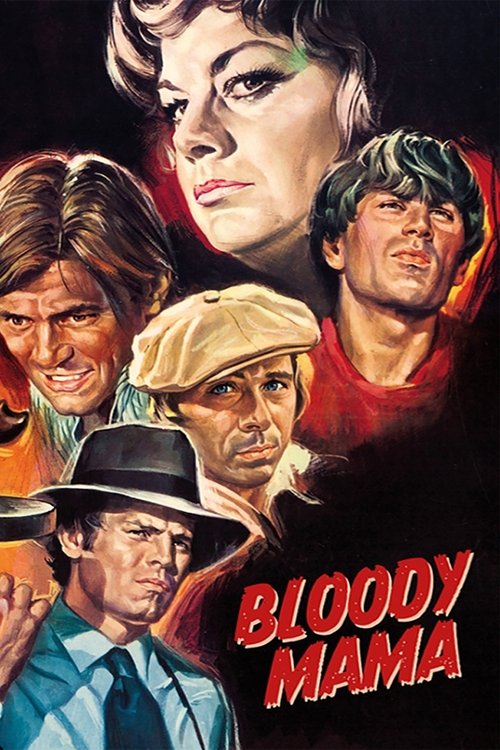
Bloody Mama1970
Both are female-led Depression crime films that arrived in early 1970s American cinema just as the rules were breaking. Both centre a woman's agency in a violent world.
Roger Corman's biopic of Ma Barker, Depression gangster matriarch. A woman-centred crime film made just before Scorsese's, with the same raw violence and the same refusal to make criminality romantic. Shelley Winters is extraordinary.
But Cheap-looking and unevenly acted. More exploitation than art, and Corman's budget shows in every frame.
More like this (8)
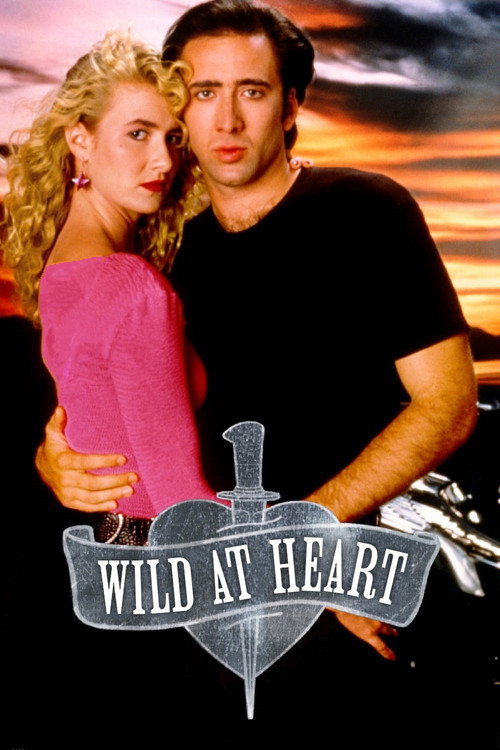
Wild at Heart1990
Lovers on the run through a hostile America, surreal and violent and strangely tender. David Lynch's fever dream of the same outlaw romance that drives Boxcar Bertha, but filtered through nightmare logic.
But Wilfully bizarre in ways that will feel pretentious or alienating if you're not already with Lynch. The tone whipsaws wildly.
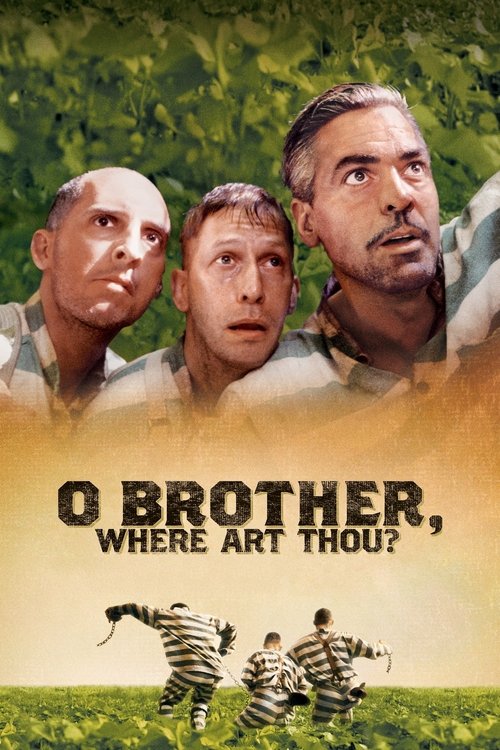
O Brother, Where Art Thou?2000
Fugitives in Depression Mississippi, Homeric and comic and soaked in period. The Coen Brothers find the grotesque comedy in survival and desperation that Scorsese finds the rage in, shot in that same dusty Americana.
But Whimsical where Boxcar Bertha is angry. The mythic tone distances you from real stakes.
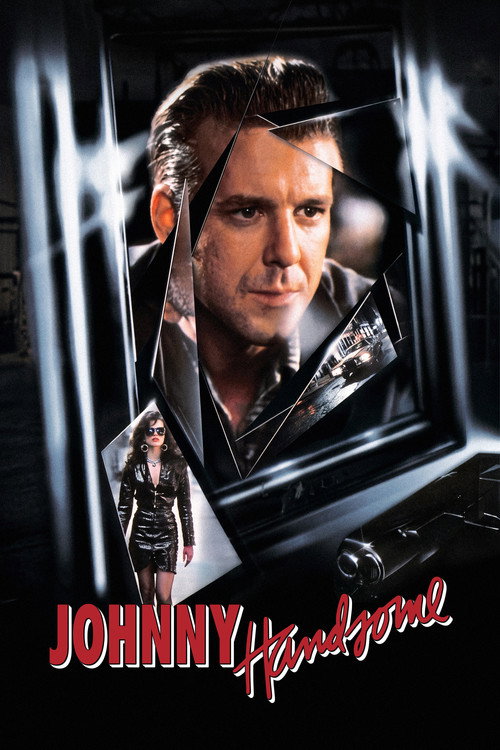
Johnny Handsome1989
Walter Hill's revenge thriller about an ex-con rewired by plastic surgery. Stripped-down, muscular storytelling about a man fighting an indifferent system, with the same gritty fatalism and zero sentimentality.
But Extremely bleak. More interested in mechanics of crime than in character texture.
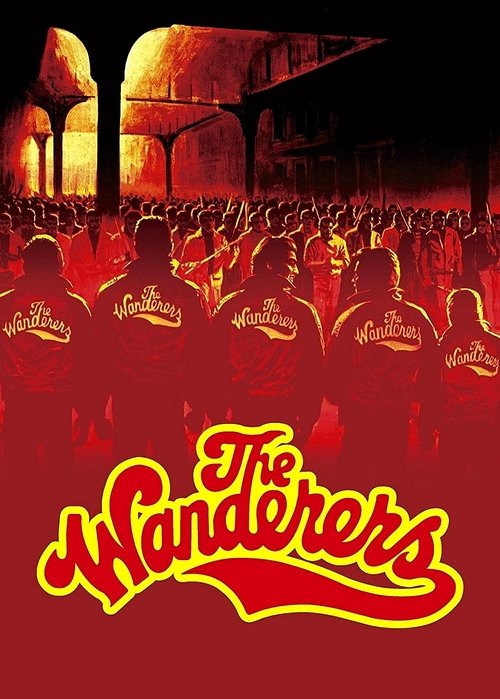
The Wanderers1979
Philip Kaufman's gang drama in 1960s New York, raw and tribal and alive. Not a heist film like Boxcar Bertha, but the same anarchic energy and the same feel for how young people organize themselves against the world.
But Episodic and sometimes shapeless. More interested in capturing a world than in narrative momentum.
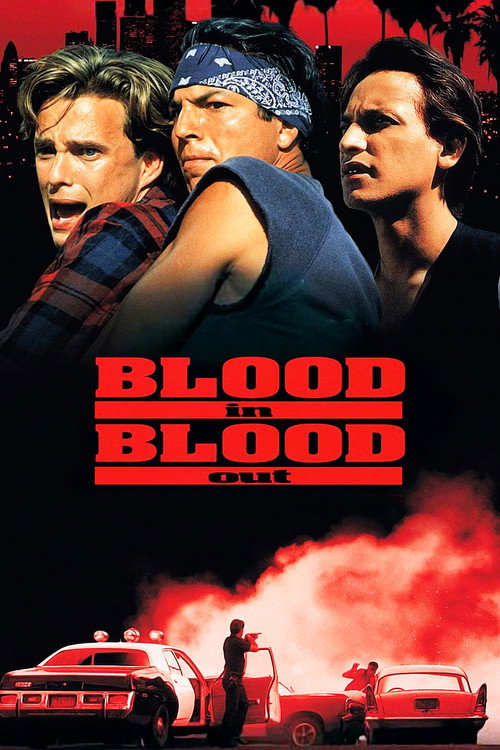
Bound by Honor1993
Taylor Hackford's Mexican-American gang epic, sweeping and violent and angry at systemic injustice. The same DNA as Boxcar Bertha—outlaws as victims of a rigged game—but operatic rather than lean.
But Three hours, and doesn't move with Scorsese's precision. The melodrama will feel overwrought if you want grit.
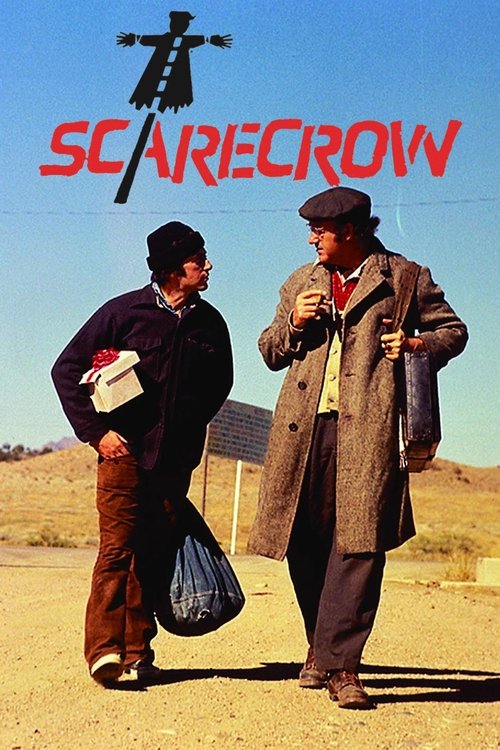
Scarecrow1973
Pacino and Walken as drifters chasing a dream, raw and humanist. A Depression-era buddy film with the same faithfulness to working-class desperation and the same refusal to judge its subjects.
But Structurally messy and, in the final act, emotionally crushing in ways that feel punitive. Not entertainment in the conventional sense.
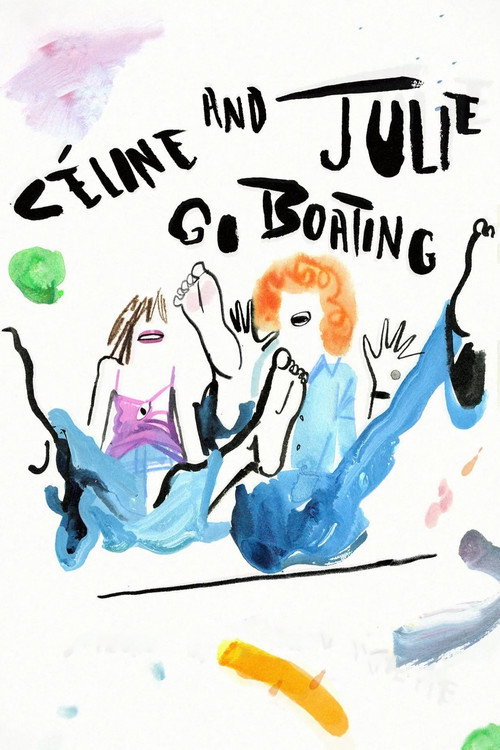
Céline and Julie Go Boating1974
Both are films about women in motion, using the journey itself as the film's argument. Both suggest freedom through movement and partnership, even when that freedom is temporary or doomed.
Jacques Rivette's three-hour magical-realist mystery about two women and a house that haunts them. Completely different genre and era, but the same generative principle: two protagonists against an unjust system, shooting for freedom or at least flight.
But Deliberately obscure, experimental, and French. Zero plot momentum in the conventional sense. Will feel precious or impenetrable if you want narrative clarity.
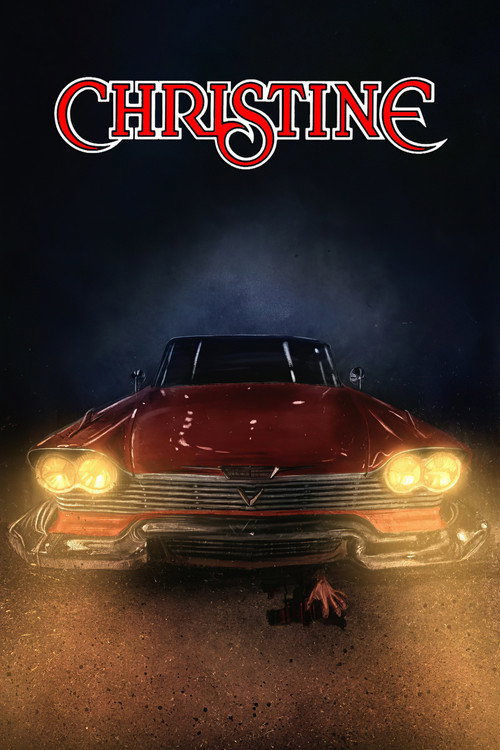
Christine1983
Both films centre an outsider whose rebellion is coded as dangerous and destructive. Both are angry films pretending to be other genres—Boxcar Bertha pretending to be a heist film, Christine pretending to be a creature feature.
John Carpenter's horror film about a possessed car and the working-class boy who loves it. A film about class rage and masculine desperation masquerading as a monster movie. Watch it for the same thing that animates Boxcar Bertha: a character driven by fury at a world that won't have them.
But A Stephen King adaptation made as a horror film. If you want gritty realism, this trades it for supernatural melodrama and high school drama.
People
Cast
 Barbara HersheyBoxcar Bertha
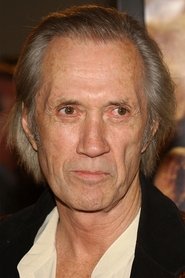 David CarradineBig Bill Shelly
 Barry PrimusRake Brown
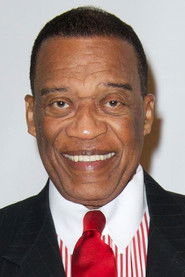 Bernie CaseyVon Morton
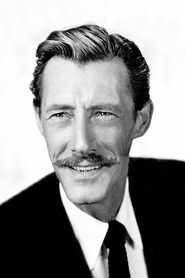 John CarradineH. Buckram Sartoris
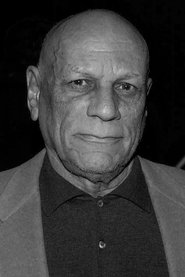 Victor ArgoMcIver #1
- David OsterhoutMcIver #2
 Harry NorthupHarvey Hall
- Joe ReynoldsJoe Cox
- Marianne DoleMrs. Mailler
- Ann MorellTillie Parr
 Martin ScorseseBrothel Client (uncredited)
Directing
- Paul RappAssistant Director
- Martin ScorseseDirector
- Bobbie SierksScript Supervisor
- Russell VreelandSecond Assistant Director
Writing
- Ben L. ReitmanBook
- John William CorringtonScreenplay
- Joyce Hooper CorringtonScreenplay
Production
- Julie CormanAssociate Producer
- Paul RappExecutive In Charge Of Production
- James H. NicholsonExecutive Producer
- Samuel Z. ArkoffExecutive Producer
- Harvey JacobsonLocation Coordinator
- Peter FainOther
- Roger CormanProducer
- David SheldonProduction Executive