
Film
Céline and Julie Go Boating
- Fantasy
- Strange
Céline and Julie Go Boating is Jacques Rivette's shimmering, digressive masterpiece about two women who stumble into a haunted house's repeating tragedy. It's playful and strange—a fairy tale for adults that trusts you to get lost in its logic. Essential for anyone who thinks cinema can be pure pleasure and pure art simultaneously.
Should you watch it?
Watch it if you love films that play like games, where logic loosens into wonder and two women's giddy friendship matters more than any plot you could summarise.
Skip it if you want a story that tightens its grip and gets somewhere fast, because this one wanders, digresses and sits in its own playfulness for a very long time.
What it asks of you: Settle in for over three hours of loose, looping play, with long unhurried stretches and a shifting, dreamlike logic that rewards patience rather than close plot-tracking.
Not sure? Find tonight's pick in a minute.
If you liked this
Mulholland Drive2001
Spins reality and cinema together in a Los Angeles dreamscape where nothing is quite what it seems. Like Rivette, Lynch finds mystery and beauty in the labyrinth of performance and desire.
But Opaque in ways that feel deliberate rather than clarifying. Three hours requires patience and a willingness to live with ambiguity.

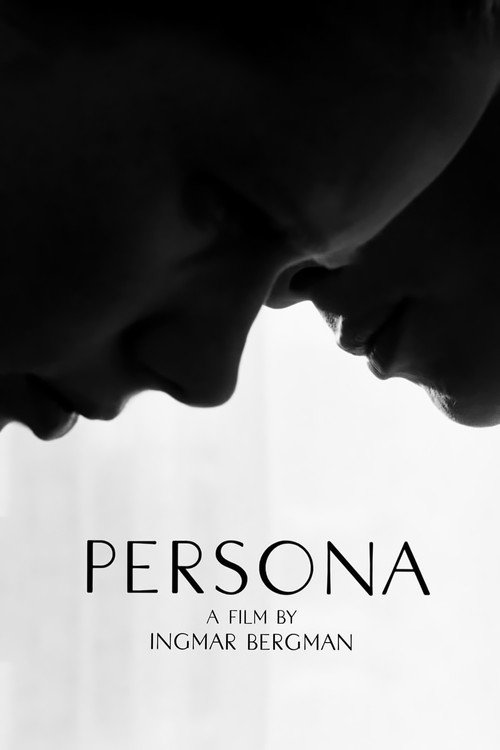
Persona1966
Bergman's two women locked in mutual fascination—one speaking, one silent—as identity dissolves between them. The same graceful exploration of how we become who we are for others.
But Austere and minimalist. If you want plot momentum or answers, you'll be frustrated by the film's refusal to provide them.
La Haine1995
Three friends in a Paris suburb move through a day that's both mundane and potentially explosive. Like Rivette, Mathieu Kassovitz finds humanity and humour in what could be merely bleak.
But Shot in grainy black and white. The social anger can feel more urgent than playful, which is a different register entirely.

Not sure tonight? Get a pick in a minute, starting from Céline and Julie Go Boating
The wildcard
Something you would not have found on your own.
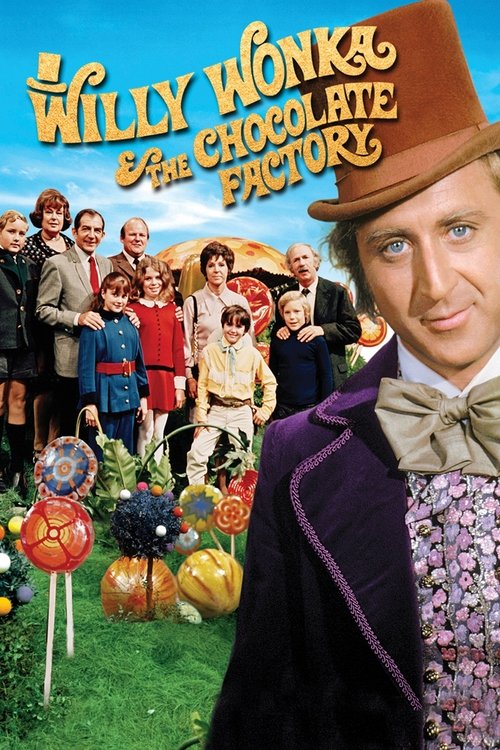
Willy Wonka & the Chocolate Factory1971
Both films treat entry into a magical space as a test of character and desire; both balance playfulness with genuine unease about what the mystery wants from us.
A woman and a man tumble into a magical space where the normal rules don't apply and time loops impossibly. Like Rivette, Mel Stuart finds wonder in the everyday threshold between worlds.
But A children's musical. The tonal shift from arthouse mystery to sugar-dusted whimsy will feel jarring if you expect decorum.
More like this (6)
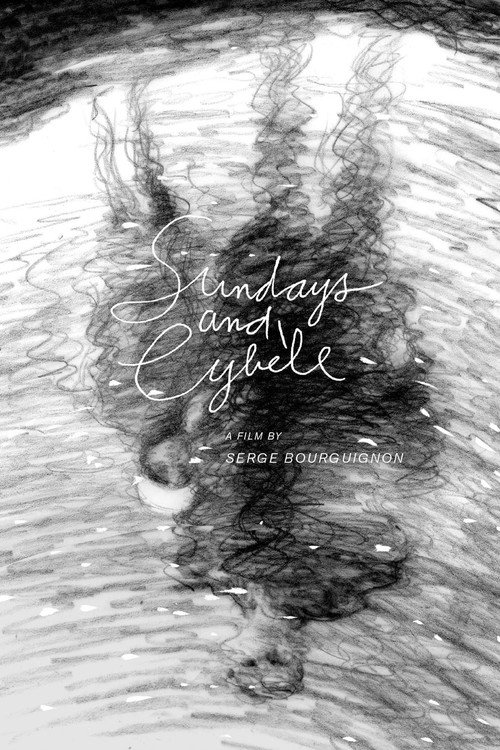
Sundays and Cybele1962
An older man and young girl form an unlikely bond in Paris that's tender, strange, and psychologically complex. Serge Bourguignon finds melancholy and mystery in ordinary moments.
But The premise will make modern viewers uneasy, and the film doesn't entirely justify its own emotional logic. Worth engaging with anyway.
8½1963
Fellini's director lost in a circus of his own making—dreams, desires, memories colliding. It inspired Rivette's whole approach to cinema as permission to wander and wonder.
But Deeply self-absorbed in ways that can feel indulgent. The structure mirrors confusion itself, which is the point and also exhausting.

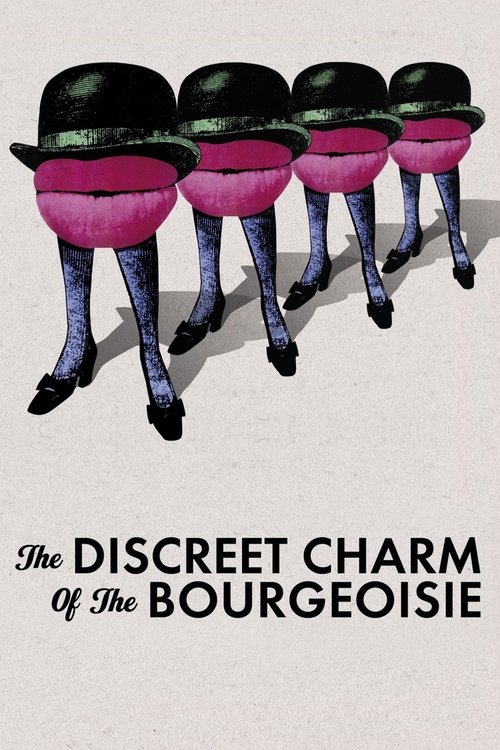
The Discreet Charm of the Bourgeoisie1972
Buñuel's surrealist game where dinner never happens and nothing adds up logically—yet everything means something. Playful formal experiment in the same spirit of comic unreality.
But Deliberately nonsensical. The joke wears thin if you need narrative or character development to engage.
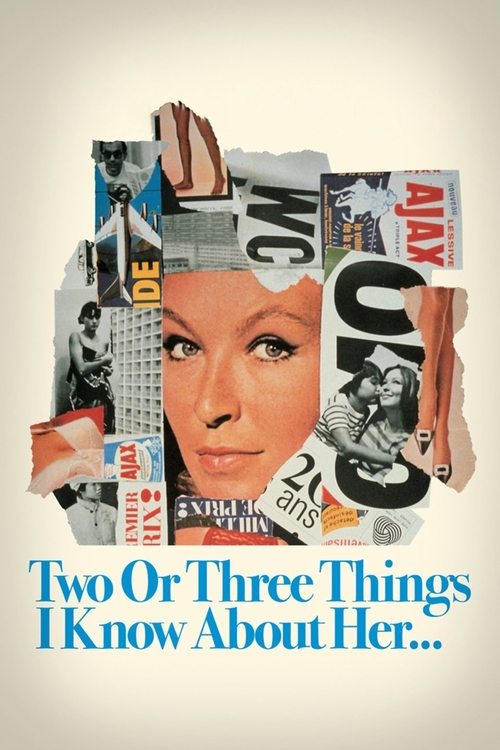
2 or 3 Things I Know About Her1967
Godard's meditation on Paris, cinema, and desire presented as a series of fragments and digressions. Shares Rivette's faith that cinema can be essayistic and entertaining at once.
But Experimental and digressive to the point of opacity. Feels like watching someone think rather than tell a story.
Come and See1985
Both use formal complexity and genre-breaking to trap viewers inside a character's experience of reality breaking down; Rivette's is a puzzle-box, Klimov's is a descent into hell.
Elem Klimov's Soviet film follows a boy into the horror of war, shot like a nightmare where the impossible becomes routine. Same structural brilliance, inverted emotional register—pure devastation instead of play.
But Unbearably brutal and graphically violent. It's a masterpiece made to wound you; watching it feels like a moral obligation rather than pleasure.

Charulata1964
Both films locate mystery and transformation in the gaze between two people; both suggest that cinema itself is about this choreography of attention and desire.
Satyajit Ray's story of a bored upper-class wife and her husband's cousin—a study of desire, performance, and the roles we play for each other in confined spaces. Deeply romantic and morally complex.
But Indian cinema of the 1960s moves at its own pace. If you're expecting Western narrative structure, the emotional ellipses will feel like gaps.

People
Cast
 Juliet BertoCéline
 Dominique LabourierJulie
 Bulle OgierCamille
 Marie-France PisierSophie
 Barbet SchroederOlivier
- Nathalie AsnarMadlyn
- Marie-Thérèse SaussurePoupie
 Philippe ClévenotGuilou
- Anne ZamireLil
 Jean DouchetM'sieur Dede
- Adèle TaffetasAlice
- Monique ClémentMyrtille
Directing
- Luc BéraudAssistant Director
- Pascal LemaitreAssistant Director
- Jacques RivetteDirector
- Irina LhommeScript Supervisor
Writing
- Eduardo de GregorioDialogue
- Bulle OgierScenario Writer
- Dominique LabourierScenario Writer
- Jacques RivetteScenario Writer
- Juliet BertoScenario Writer
- Marie-France PisierScenario Writer
Production
- Barbet SchroederProducer
Recommended by
After Hours, The Towering Inferno, The Prime of Miss Jean Brodie, Tess, Bright Star, A Man and a Woman, My Night at Maud's, Songcatcher, Farinelli, Susan Slade, Stealing Beauty, Farewell, My Queen, A Short Film About Love, The Story of a Three-Day Pass, Astrid, High Art, The Invisible Thread, The Summer of Sangaile, Chrome and Hot Leather, Lakshmi, The Music Room, The Little Princess, Fat Girl, One Sings, the Other Doesn't, The Woman Who Ran, The Time In Between, Chunhyang, La Collectionneuse, Maid in Sweden, The Chambermaid, Boxcar Bertha, The Corn Is Green, Jaanu, The Case of the Bloody Iris