
Film
A Man and a Woman
- Romantic drama
- Drama
- Slow-burning
A chance meeting between two widowed parents at a boarding school blossoms into a tentative romance. Shot in luminous colour with a jazzy score, it's a film about the quiet ache of loss and the courage it takes to open yourself again. Essential viewing for anyone who's ever believed that great romance cinema isn't about grand gestures—it's about two people learning to be vulnerable in a car.
Should you watch it?
Watch it if you like romance built from small hesitations and glances, where two guarded people circle their pasts and the silences do as much work as the dialogue.
Skip it if you need plot to keep moving, since very little happens beyond two people slowly opening up, and the mood can feel drifting or self-consciously stylish.
What it asks of you: Roughly an hour and forty minutes of unhurried, quiet stretches, with a wistful rather than heavy mood that rewards close attention to faces.
Not sure? Find tonight's pick in a minute.
If you liked this
Hiroshima Mon Amour1959
An affair between a French actress and a Japanese architect becomes a meditation on memory, trauma, and whether we can ever truly know another person. Like *A Man and a Woman*, it finds intimacy in conversation and the spaces between words.
But It's experimental in structure and emotionally austere. If you want plot momentum or easy catharsis, this will frustrate you.
Last Year at Marienbad1961
Two strangers in a grand hotel engage in an intricate dance of desire and uncertainty. Formally inventive but deeply romantic, it shares *A Man and a Woman*'s fascination with how little we know of those we love.
But The narrative deliberately refuses clarity. Some find it maddening; others find that the maddening-ness is the point.
The Graduate1967
A young man navigates desire and self-discovery with awkward charm. It captures the same era's visual style and emotional confusion, though with more comedy and less restraint than *A Man and a Woman*.
But It's primarily about male anxiety and privilege. The women exist mostly to complicate his journey, not their own.
Not sure tonight? Get a pick in a minute, starting from A Man and a Woman
The wildcard
Something you would not have found on your own.
The Fire Within1963
Both films treat adult consciousness with absolute seriousness—not love as spectacle but as the quiet, difficult work of being known.
Louis Malle's devastating portrait of depression and disconnection. It has *A Man and a Woman*'s visual refinement and focus on interior life, but turns inward entirely—a film about why connection fails, told with unbearable grace.
But It ends in suicide. There's no romance here, only the slow withdrawal of someone who cannot be reached. Watching it is necessary and painful.
More like this (8)
Brief Encounter1945
Two married strangers fall into an affair they can never consummate. It's the emotional ancestor of *A Man and a Woman*—British restraint meeting adult longing, shot with heartbreaking tenderness.
But It's in black and white, and the pacing is leisurely. Modern viewers sometimes find it slow, though that slowness is exactly what makes it ache.

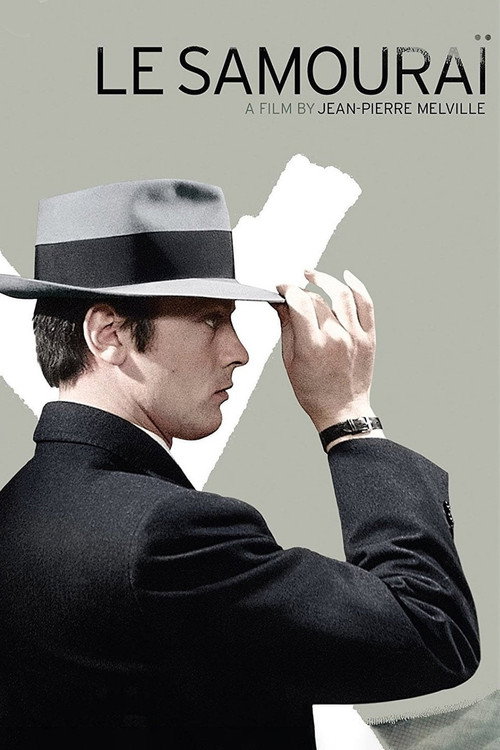
Le Samouraï1967
Alain Delon in a stylish, minimalist thriller about a hitman and the woman he meets. It shares *A Man and a Woman*'s painterly visuals and 1960s aesthetic, though the mood is much colder.
But It's not romantic—it's a crime film. The emotional stakes are abstract, and the plot is thin. If you're coming for character intimacy, you'll be disappointed.
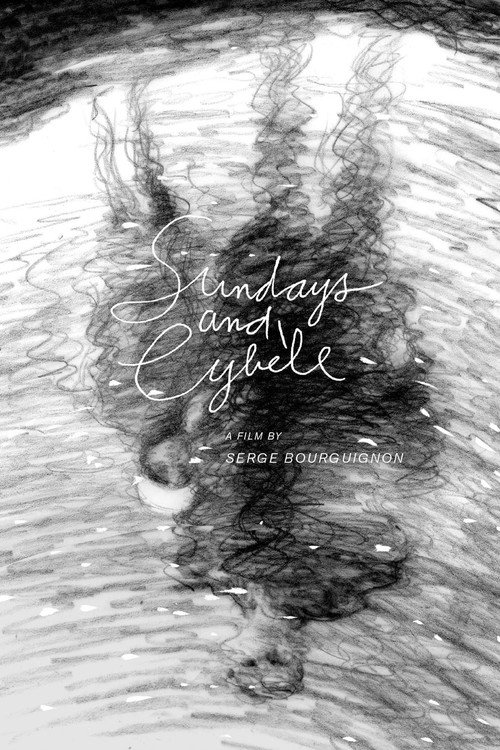
Sundays and Cybele1962
A traumatized veteran and an orphaned girl form an unusual bond. It's achingly tender and visually gorgeous, exploring connection and damage with the same delicate touch as *A Man and a Woman*.
But The subject matter is morally complicated in ways that make some viewers deeply uncomfortable, and not always to productive purpose.
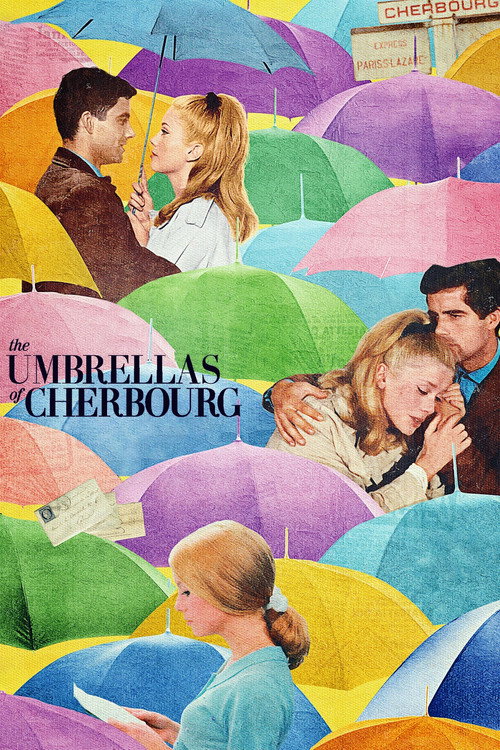
The Umbrellas of Cherbourg1964
A young couple is separated by circumstance and class. It's a musical romance with colours as vivid as *A Man and a Woman* but a far more melancholic view of love's fragility.
But If you don't love musicals or pastel aesthetics, it can feel precious and airless.
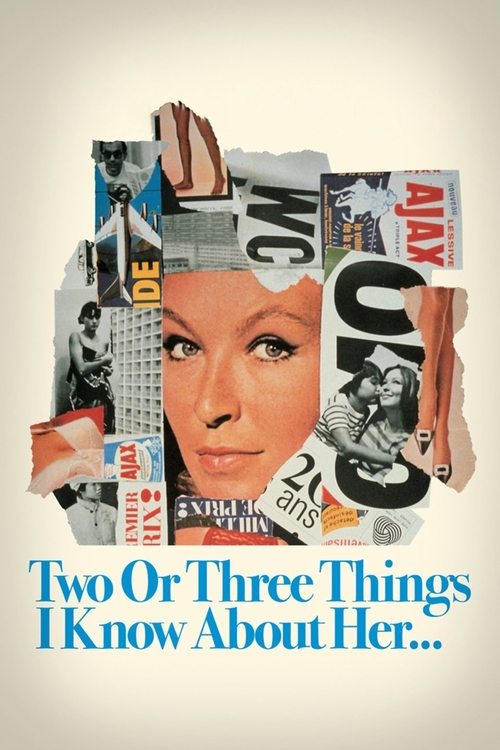
2 or 3 Things I Know About Her1967
Godard's meditation on Paris, desire, and modern alienation. It's formally radical and fragmentary, but shares *A Man and a Woman*'s interest in how people fail to truly communicate despite trying.
But This is experimental cinema. There's no plot, the dialogue is often buried under voiceover, and the editing is deliberately disorienting.
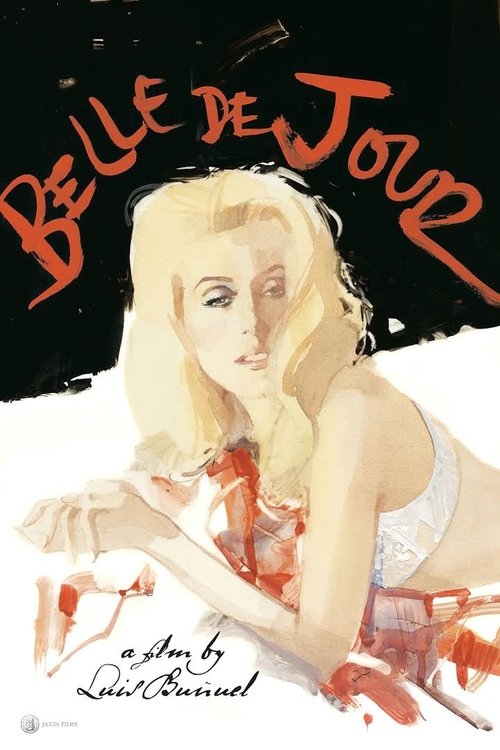
Belle de Jour1967
A bourgeois housewife lives a double life, exploring desire in secret. Buñuel's film shares *A Man and a Woman*'s fascination with what we hide from those closest to us.
But It's surreal and sometimes obscene. The eroticism is matter-of-fact, and the ending is ambiguous in unsettling ways.
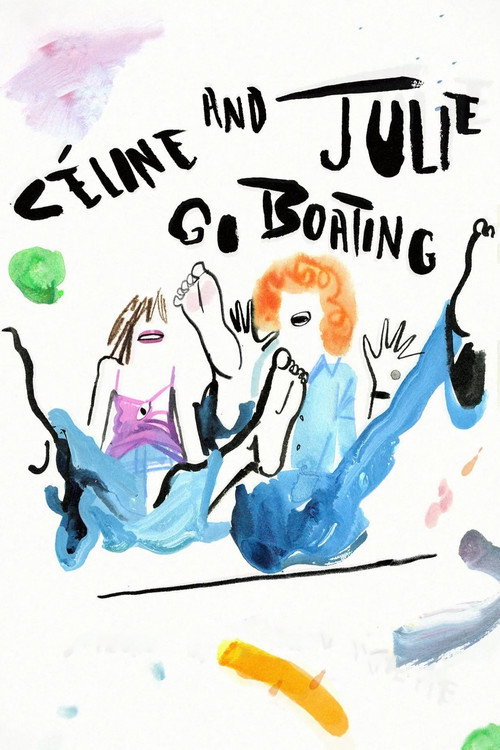
Céline and Julie Go Boating1974
Both films trust that cinema's greatest subject is presence—two people in a space, paying attention to each other, and how that attention transforms them both.
Two women in Paris have a friendship that becomes increasingly magical and dreamlike. It's playful where *A Man and a Woman* is restrained, but they're cousins in their belief that the smallest human connection can contain everything.
But It's 193 minutes, French New Wave indulgence at its most digressive. The plot, such as it is, becomes deliberately harder to follow as it continues.
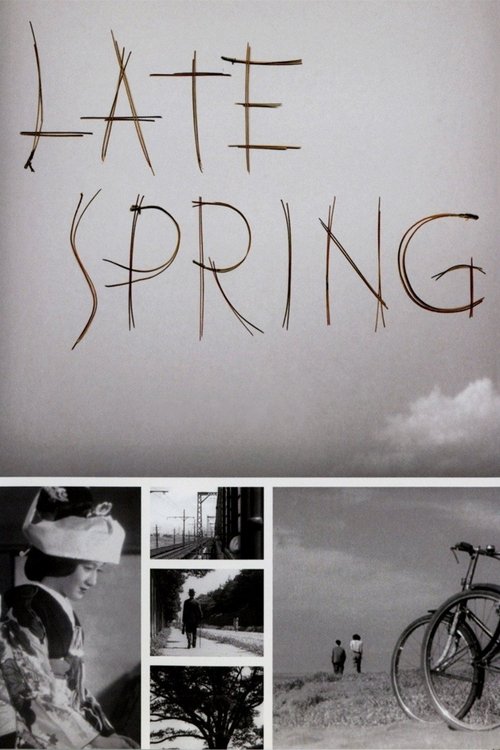
Late Spring1949
Both films understand that the deepest drama happens not in passion but in acceptance—the moment when you realise you cannot hold onto anyone, and you choose to let them go anyway.
Ozu's masterpiece about a widowed father and his adult daughter, and the quiet devastation of recognising that people we love have their own lives to live. It's a different kind of love than *A Man and a Woman*, but equally tender and mature.
But Japanese cinema from 1949 has rhythms that feel alien to Western viewers. It's very slow, and very sad. You have to meet it halfway.
People
Cast
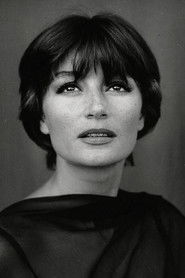 Anouk AiméeAnne Gauthier
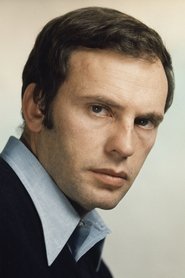 Jean-Louis TrintignantJean-Louis Duroc
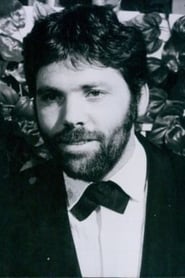 Pierre BarouhPierre Gauthier
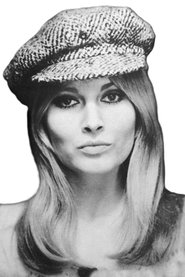 Valérie LagrangeValérie Duroc
 Antoine SireAntoine Duroc
 Souad AmidouFrançoise Gauthier
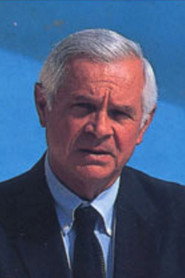 Henri CheminJean-Louis' Co-pilot
 Yane BarryJean-Louis' Mistress
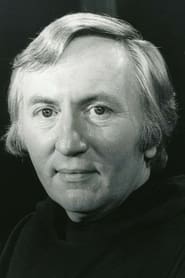 Paul Le PersonGas Station Attendant
 Simone ParisDirector of the Pension
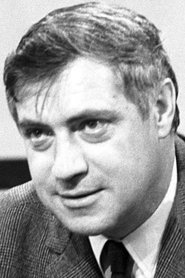 Gérard SireRadio Announcer
 Gérard LarrousseRally Driver
Directing
- Claude GorskyAssistant Director
- Claude LelouchDirector
Writing
- Claude LelouchScreenplay
- Pierre UytterhoevenScreenplay
Production
- Claude LelouchProducer
- Roger FleytouxProduction Manager
- Pierre PardonUnit Manager
Recommended by
The Umbrellas of Cherbourg, The Cranes Are Flying, Il Sorpasso, Jules and Jim, Summer with the gentleman, The Demi-Paradise, The Story of a Three-Day Pass, The Party, Jeannie, Kaguya-sama: Love Is War, Our Souls at Night, I Love You, Alice B. Toklas!, La Collectionneuse, The Magnificent One, Cousin, Cousine, The Magnificent Matador, Sailor Beware