
Film
La Collectionneuse
Rohmer's languid Riviera comedy observes three restless aesthetes sparring over desire, morality and who deserves whom. Shot in crisp colour with minimal plot, it's a film of conversation, glances and the spaces between attraction and action. For anyone who finds ideas sexier than spectacle, or who's wondered what happens when seduction becomes a game everyone's playing.
If you liked this
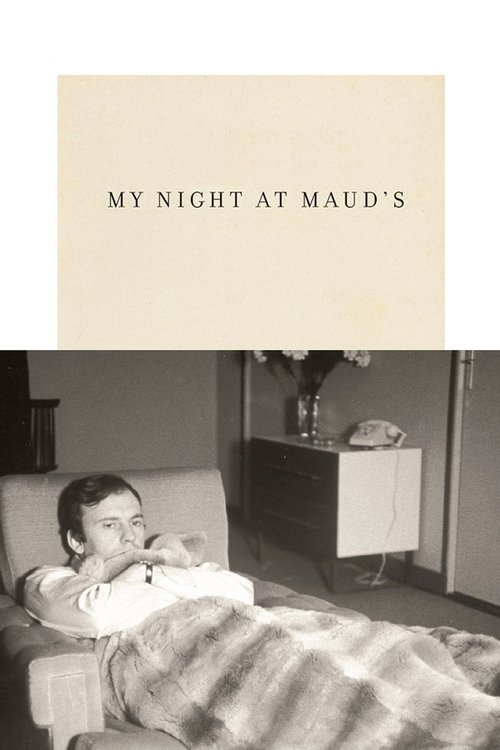
My Night at Maud's1969
Rohmer at his most intellectually playful: a Catholic engineer debates faith, love and fidelity with a witty widow over a single winter evening. Pure talk, impossible to look away from, comedy that lands like philosophy.
But If you need external conflict or plot momentum, this will feel like watching someone's particularly good dinner party conversation. Nothing much happens.
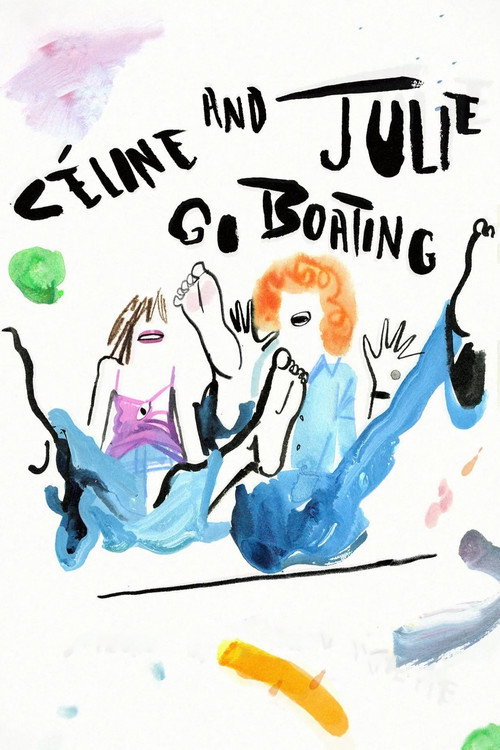
Céline and Julie Go Boating1974
Rivière's baroque puzzle-box: two women drift into each other's lives, slip in and out of a haunted house narrative, and somehow it becomes profound about female friendship, memory and cinema itself. Playful, strange, utterly magnetic.
But Ninety-three minutes that play like three hundred. The logic is dreamlike rather than clear. Patience required; rewards are not obvious.
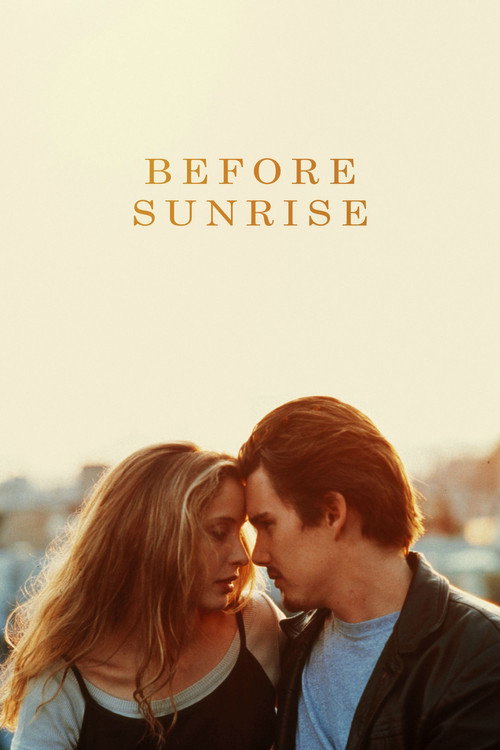
Before Sunrise1995
Linklater channels Rohmer through a modern lens: a young man and woman meet on a train, walk Vienna for one night, talking about everything that matters and nothing that moves the plot. Romance as pure dialogue and possibility.
But Built entirely on chemistry and conversation. If the characters don't captivate you in the first ten minutes, the next eighty will feel thin.
Not sure tonight? Get a pick in a minute, starting from La Collectionneuse
The wildcard
Something you would not have found on your own.
Jeanne Dielman, 23, quai du Commerce, 1080 Bruxelles1976
Both Rohmer's film and Akerman's occupy similar moral and philosophical territory—desire and routine, appearance and reality, the distance between how we think we live and how we actually do. But while La Collectionneuse is witty social observation, Jeanne Dielman is austere and structural, turning domestic labour into durational art.
Akerman's three-hour portrait of a widow's daily routine: cooking, sex work, prayer. Shot in real time, unflinching, it strips life to its mundane mechanics and finds something profound. A woman's labour made visible as philosophy.
But Three hours of watching a woman fold sheets and prepare dinner. Glacially paced. Tests your definition of cinema itself. Most will find it unwatchable; those who don't will never forget it.

More like this (7)
Contempt1963
Godard's film about a film-within-a-film, a marriage cracking under professional pressure and Mediterranean light. Languid, colourful, funny and devastating—a masterpiece about desire and its discontents.
But Structurally playful in ways that some find precious. The emotional core hides under layers of formal experiment.

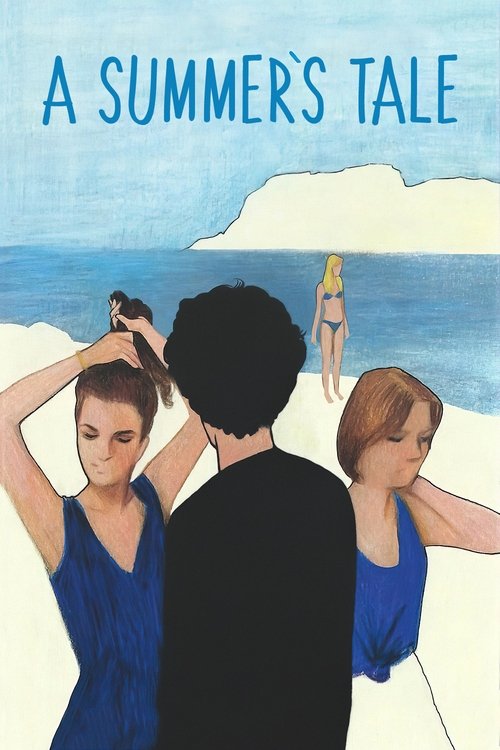
A Summer's Tale1996
Rohmer again, late-period, about a musician torn between two women during a seaside holiday. Sunlit, romantic, and funnier than it seems. The naturalism is disarming; the observation is surgically precise.
But If you're looking for resolution or consequences, you'll be frustrated. Rohmer lets ambiguity breathe.
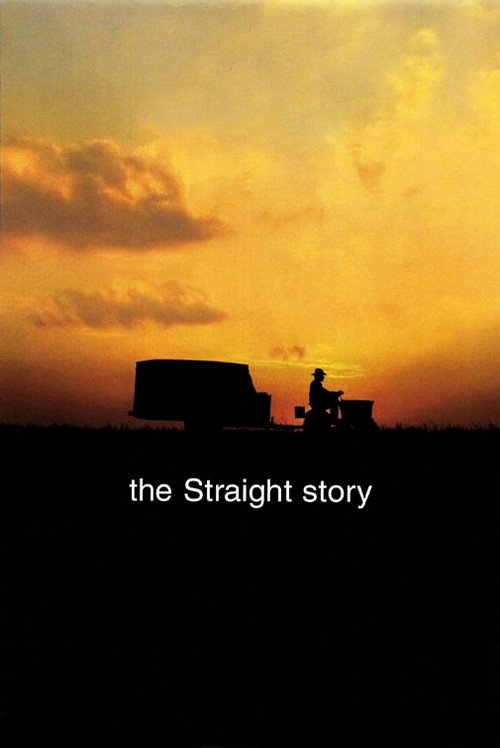
The Straight Story1999
Lynch's least expected film: an elderly man rides a lawnmower across Iowa to reconcile with his estranged brother. Gentle, digressive, shot in amber light. About time, small gestures and the space between silence and connection.
But Coming from Lynch, the lack of darkness may feel like a dodge. It's genuinely, almost aggressively wholesome.
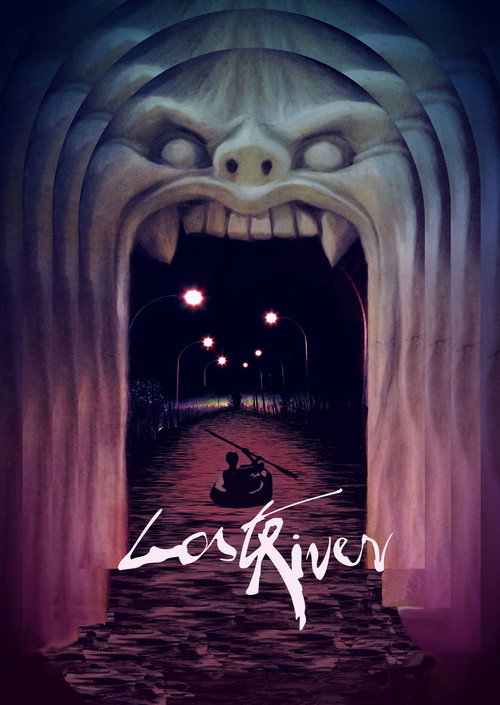
Lost River2015
Ryan Gosling's directorial debut: a family in economic collapse tries to save their house. Stylised, dreamlike, soaked in colour and melancholy. An odd, sustained mood-piece about dignity and small rebellions.
But Deliberately artificial and oblique. Some will read it as beautiful; others as affected or self-consciously arty.
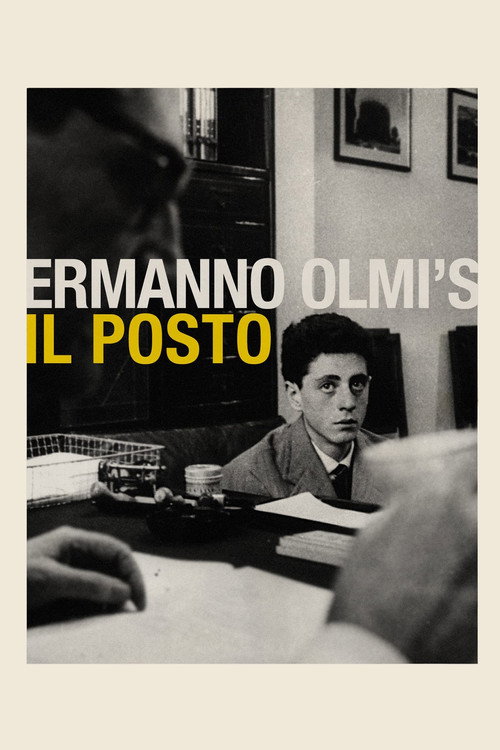
Il Posto1961
Olmi's neorealist gem about a young man's first day at a bureaucratic office in Milan. Quiet, observant, deeply humanistic. The comedy is gentle and the pathos creeps up on you like dusk.
But Plot-light to the point of seeming plotless. The charm is cumulative; if you're checking your watch after twenty minutes, it won't convert you.
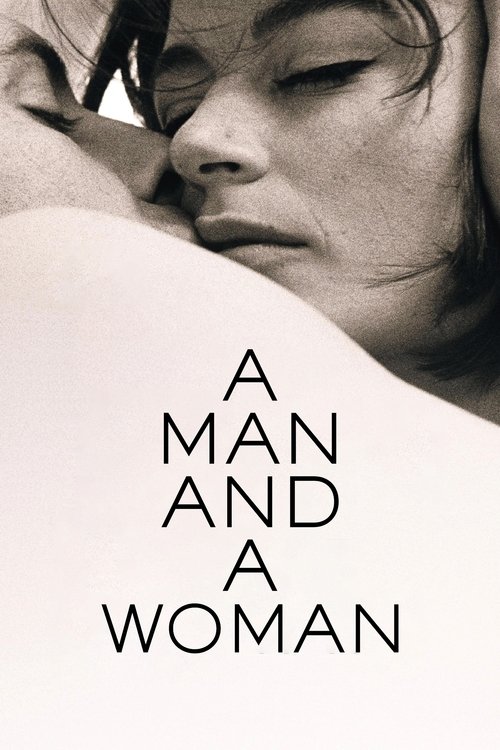
A Man and a Woman1966
Both are post-New Wave films playing with colour, leisure and romantic possibility on the French Riviera/coast, but where Rohmer is ironic and dialogic, Lelouch is earnest and sensual. One's a comedy about desire; the other a melodrama about grief and second chances.
Lelouch's gorgeous, melancholic romance set against Le Mans racecourse. Two lonely people—a widow and a widower—find each other across a divided screen. Scored with strings, shot in colour and colour-shifted sequences. Pure romantic cinema.
But The stylisation can read as dated or saccharine. Some will find the romanticism heavy-handed, the formal playfulness superficial.
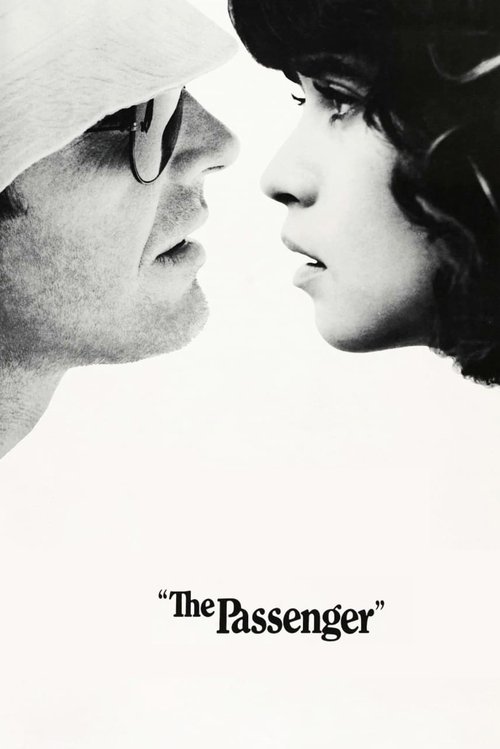
The Passenger1975
Both films centre on restless, attractive men abroad, observing life rather than living it. But where Rohmer's Adrien is trapped in social comedy, Antonioni's protagonist is trapped in existential dread. One's a drawing room; the other is a man slowly evaporating into the landscape.
Antonioni's haunting, immaculate study of a man who steals a dead stranger's identity and drifts across Africa and Spain. Photography that approaches abstraction. A film about the seduction of otherness and the impossibility of escape.
But Slow, oblique, often cryptic. The narrative dissolves. The ending is neither resolution nor clarity. Demands patience and accepts no easy answers.
People
Cast
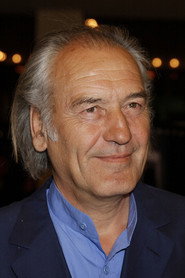 Patrick BauchauAdrien
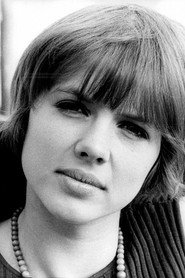 Haydée PolitoffHaydée
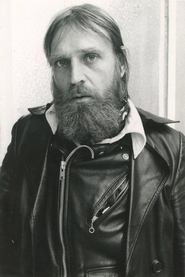 Daniel PommereulleDaniel
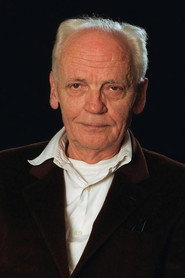 Alain JouffroyWriter
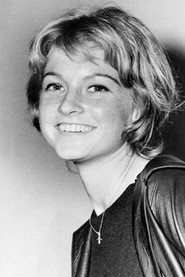 Mijanou BardotCarole
- Annik MoriceCarole's Friend
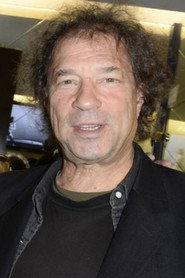 Dennis BerryCharlie
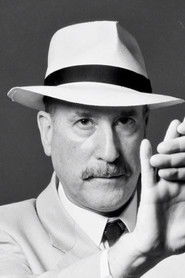
- Patrice de BailliencourtMan in the Car
Directing
- László BenköAssistant Director
- Patrice de BailliencourtAssistant Director
- Éric RohmerDirector
Writing
- Daniel PommereulleDialogue
- Haydée PolitoffDialogue
- Patrick BauchauDialogue
- Éric RohmerWriter
Production
- Alfred de GraffAssociate Producer
- Barbet SchroederProducer
- Georges de BeauregardProducer