
Film
The Middle of the World
A 1974 Swiss film about a married engineer and political candidate who falls for an Italian waitress, exploring how personal desire collides with social convention and xenophobia. Alain Tanner's film is quietly observant, tender without being sentimental, interested in the small moments where ideology meets the heart. For viewers who prize character over plot and don't mind a film that ends on ambiguity.
If you liked this
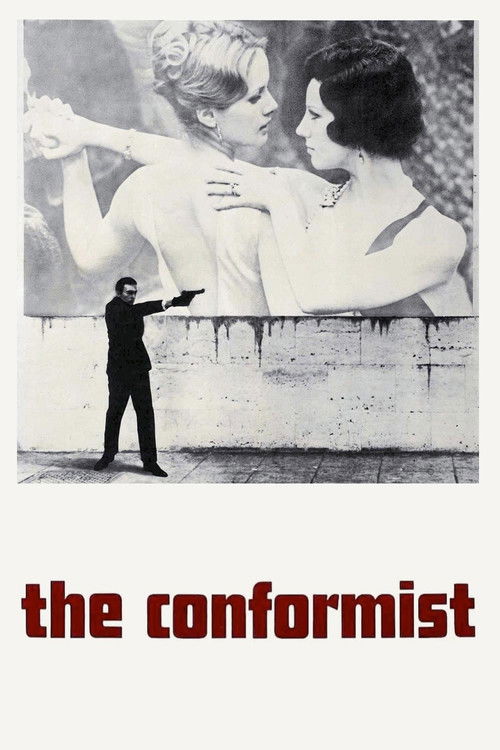
The Conformist1971
Bertolucci's masterpiece about a man compromising his principles to fit in. Like Tanner's film, it examines how ideology and desire war within a single person, with the same visual precision and moral complexity.
But It's longer, denser, and far more overtly political. The fascism is explicit rather than ambient. Requires active engagement throughout.
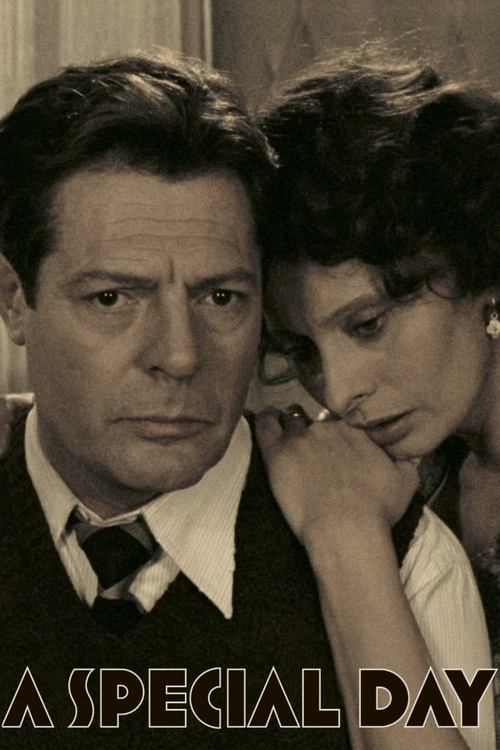
A Special Day1977
Ettore Scola's portrait of two people finding connection amid the machinery of fascism. Same era, same European sensibility, same belief that intimate moments matter most when the world is hostile.
But The historical context is more urgent and tragic. Less ambiguous about its moral stakes. Some viewers find the ending almost unbearable.
Jeanne Dielman, 23, quai du Commerce, 1080 Bruxelles1976
Chantal Akerman's three-hour observation of a woman's routine life. Like Tanner, she finds profound drama in the spaces between words, in domestic rhythms, in what people don't say about themselves.
But It is genuinely three hours of routine. No conventional plot. If you need forward momentum or dialogue-driven storytelling, this will test your patience severely.

Not sure tonight? Get a pick in a minute, starting from The Middle of the World
The wildcard
Something you would not have found on your own.
Courage Under Fire1996
Both films understand that personal transgression is political, and that individual feeling cannot overcome systemic pressure simply through sincerity or love.
Deepa Mehta's forbidden-love film about two women in Delhi discovering desire amid religious and family pressure. Structurally it's the inverse of Tanner—the lovers are on the margins rather than at the center of power—but the moral architecture is identical: desire against ideology, and no easy answers.
But It was banned in India. The subject matter is volatile. If you watch it expecting a love-story victory, you'll be disappointed and probably angry.
More like this (8)
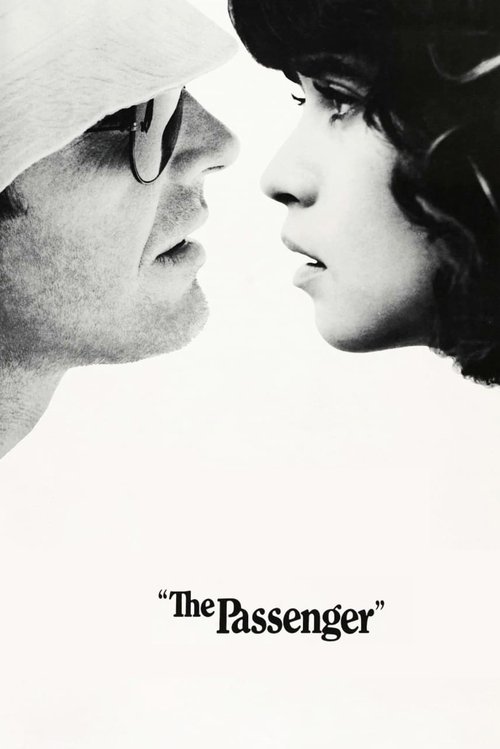
The Passenger1975
Antonioni's film about identity and drift, where a man's affair and escape plot become less important than the philosophical questions underneath. Both films trust the viewer to sit with uncertainty.
But Glacial pacing. The climax is deliberately anticlimactic. Antonioni's detachment can feel cold rather than humane, depending on your mood.
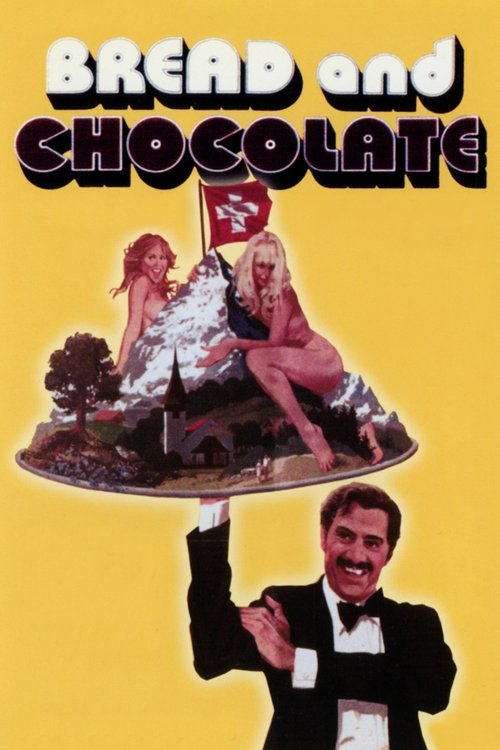
Bread and Chocolate1974
Franco Brusati's tender comedy about an Italian migrant worker in Switzerland. Covers similar ground—immigration, belonging, dignity—but with more humor and warmth than Tanner's approach.
But It's less formally adventurous and more conventionally earnest. After Tanner's restraint, this might feel like it's explaining itself too much.
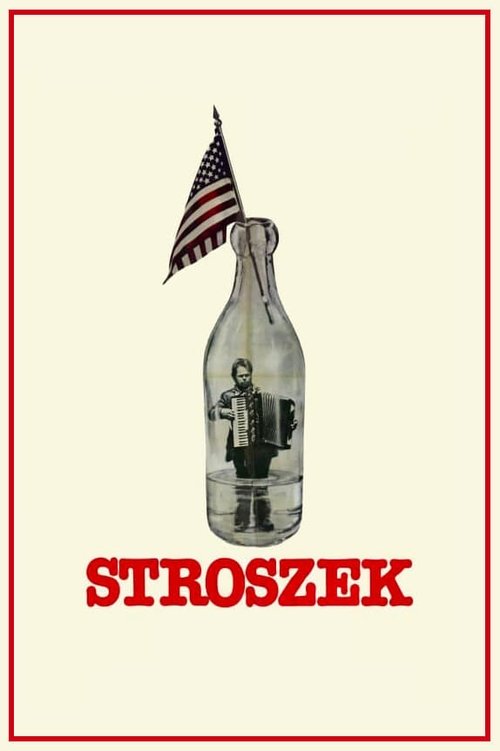
Stroszek1977
Herzog's film about a man and woman trying to escape their circumstances, full of strange beauty and quiet desperation. Both films have an almost ethnographic interest in how people actually live and fail.
But It's bleak in ways that feel willful. The eccentricity can overwhelm the emotional core. Not a film that makes you feel hopeful.
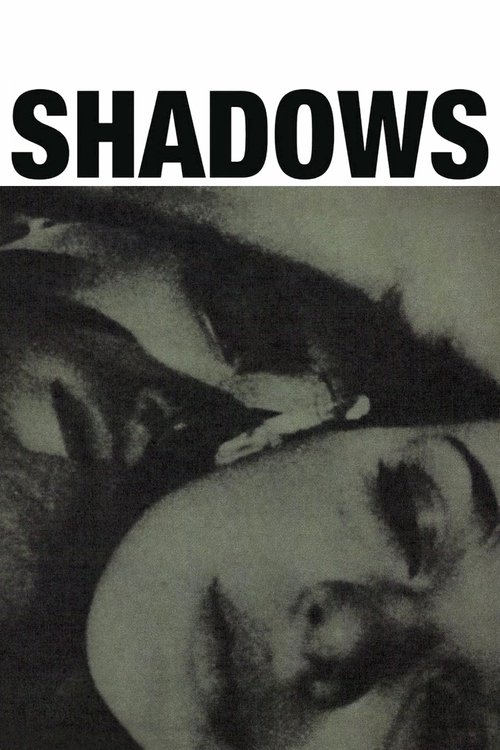
Shadows1960
Cassavetes' improvised jazz-riff on race and belonging in New York. Like Tanner, he's interested in spontaneous human connection and how social structures interrupt it, all shot with restless intimacy.
But The audio is often murky. The narrative is deliberately loose to the point of formlessness. Requires patience with ambiguity.
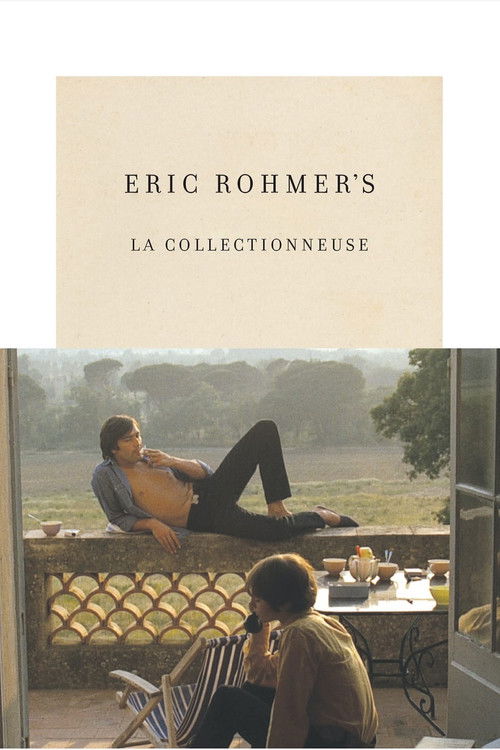
La Collectionneuse1967
Rohmer's chamber piece about three people on the Riviera and the unspoken feelings between them. Both films excel at capturing the gap between what people say and what they mean, and the paralysis that gap creates.
But Mostly conversation and glances. The stakes feel microscopic compared to real-world events. Some find it precious rather than profound.
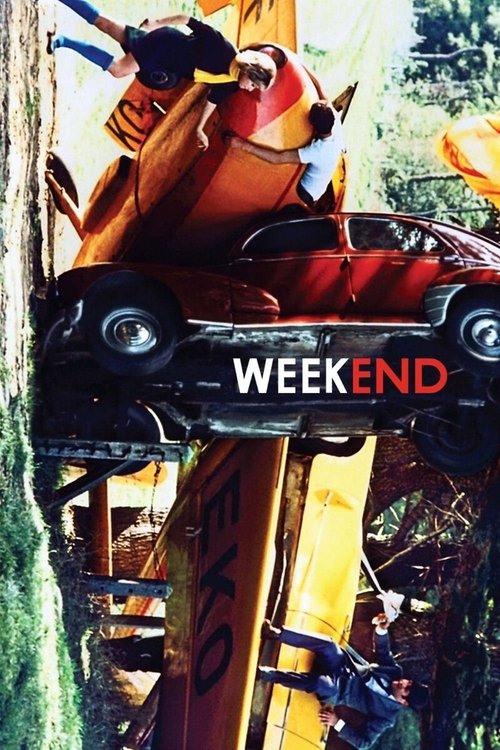
Weekend1967
Godard's anarchic road film about a marriage collapsing amid social chaos. Same era, same European cinema, both interested in how personal relationships crack under social pressure, though Godard is far more radical in form.
But It's aggressively experimental and increasingly difficult to watch. The politics are strident. It's less a film to enjoy than one to wrestle with.
The Ascent1977
Both films see ideology as something that lives inside people, not just outside them. Both ask: what do we betray when we obey? What do we lose when we resist?
Andrei Sokurov's black-and-white film about two Soviet soldiers during WWII, where ideology and faith collide in an almost unbearable way. Shot with Tanner's quietness but aimed at existential rather than social themes. Hypnotic and severe.
But It's entirely in black and white, very slow, and philosophically dense. Not a film for distraction. The suffering is real and unrelieved. Demands complete submission.

Fort Boyard1990
Like The Middle of the World, it's about the gap between what we believe and what we do, and how being right politically doesn't make you right with another person.
Anne Wiazemsky—Godard's ex-wife and actress—directed this documentary essay about their years together in the 1960s, interwoven with his films. It's not about Godard the theorist; it's about how a brilliant man's politics consumed his ability to love.
But It's a documentary, not a narrative film. It assumes some familiarity with Godard's work. Less a film to watch than a meditation to inhabit. Some will find it self-indulgent.
People
Cast
 Olimpia CarlisiAdriana
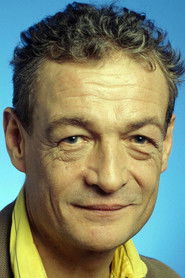 Philippe LéotardPaul
 Juliet BertoJuliette
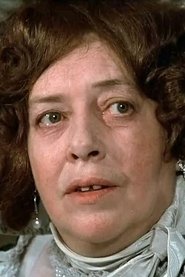 Denise PéronSchmidt
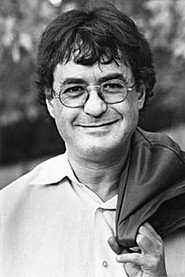 Jacques DenisMarcel
 Roger JendlyRoger
- Gilbert BahonAlbert
- Pierre WalkerLe président ADP
Directing
- Alain TannerDirector
Writing
- Alain TannerAdaptation
- Alain TannerDialogue
- Alain TannerWriter
- John BergerWriter
Production
- Yves GasserAssociate Producer