
Film
Bread and Chocolate
Nino Manfredi is an Italian immigrant in 1970s Switzerland, cycling through humiliating jobs while trying to belong to a country that won't have him. Director Franco Brusati's film is both tender and comic—a portrait of dignity under pressure, funny without ever punching down. It's for anyone who's felt like an outsider, or who wants to understand migration as lived experience rather than policy.
Should you watch it?
Watch it if you like comedy that stays close to humiliation and keeps its feet in real hardship, with a lead whose stubborn charm carries a bitter story from start to finish.
Skip it if you need plot momentum or a light heart, since the bad luck piles up with little relief and the mood sours steadily as the film goes on.
What it asks of you: Expect a long, unhurried watch with a lot of wandering from one job to the next, where the laughs come in short bursts between long stretches of quiet strain.
Not sure? Find tonight's pick in a minute.
If you liked this
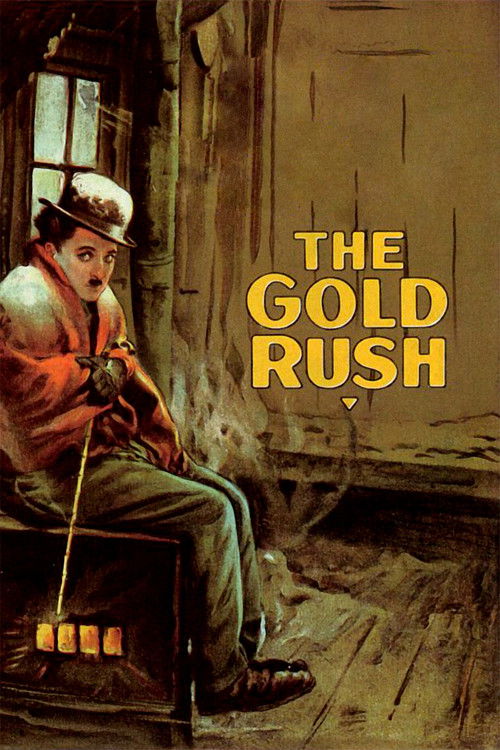
The Gold Rush1925
Chaplin's Little Tramp in the Yukon, surviving through ingenuity and good humour against an indifferent landscape. It has Bread and Chocolate's DNA: the immigrant, the menial labour, the refusal to break even when everything breaks.
But It's silent, and the pacing is deliberate. Modern audiences often find it slower than expected, and the pathos can feel theatrical.
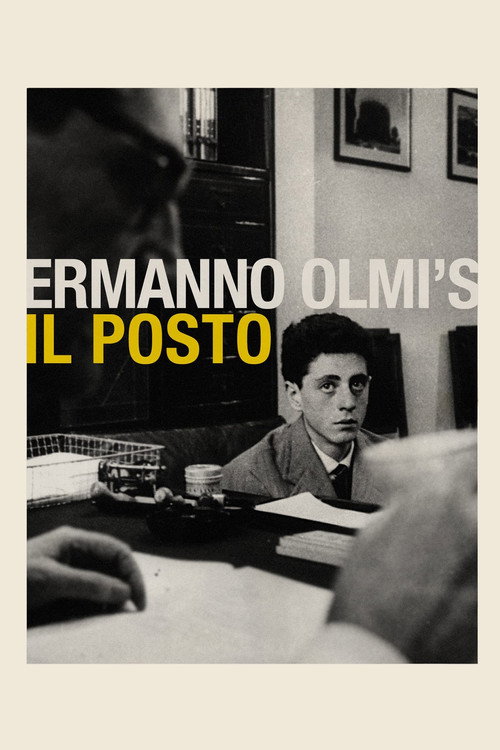
Il Posto1961
An Italian neorealist gem about a young man's first day at a massive corporation. Ermanno Olmi finds comedy and tragedy in bureaucracy and social climbing, with the same gentle eye Brusati brings to economic desperation.
But Nothing much happens. It's a film about small defeats and social machinery, which is the point—but it requires patience and humility from the viewer.
Stalker1979
Tarkovsky's metaphysical journey into a mysterious zone parallels Nino's pilgrimage through an unwelcoming foreign land. Both films treat their heroes' quests with absolute seriousness, finding meaning in perseverance and longing.
But It's 163 minutes of philosophical science fiction with minimal plot. Visual and meditative rather than narrative—not for everyone's evening.

Not sure tonight? Get a pick in a minute, starting from Bread and Chocolate
The wildcard
Something you would not have found on your own.
A Prophet2009
Both are about immigrants navigating systems designed to exclude or exploit them; both suggest that survival requires accepting humiliation as the price of belonging.
Jacques Audiard's film about a young Arab man inside a French prison, learning to survive by understanding power structures. It mirrors Nino's education in a hostile system, but inverts the setting: the outsider becomes powerful through knowing the rules better than those born to them.
But It's brutal and graphic, with violence treated as ordinary rather than sensational. The moral universe is grey throughout; there's no redemption arc to soften the experience.

More like this (8)
Bicycle Thieves1948
De Sica's masterpiece about a working man's desperation in postwar Rome. Like Bread and Chocolate, it's about dignity in precarity, shot with such humanity that exploitation becomes profound rather than merely sad.
But The ending is devastating and offers no comfort. Some find it too bleak, especially if you're already carrying the weight of the world.

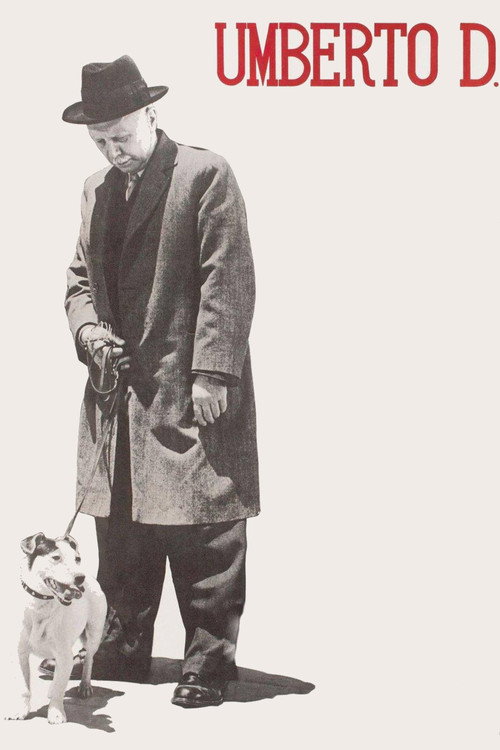
Umberto D.1952
De Sica again, this time following an elderly retired bureaucrat on the margins of society. It shares Nino's battle against invisibility and redundance, with the same unflinching compassion for the forgotten.
But It's quiet, slow, and centered on an old man—not the recipe for popular entertainment. The stakes feel small until you realize they're everything.
The Passenger1975
Antonioni's film about an identity swap and spiritual displacement. Like Brusati's work, it explores what happens when you try to belong to a place that isn't yours, and whether the self can survive such displacement.
But It's elliptical and refuses easy answers. Narrative clarity takes a back seat to mood and philosophical uncertainty, which frustrates some viewers.

Cinema Paradiso1988
Tornatore's love letter to cinema and to Sicily, told through memory and longing. It shares Bread and Chocolate's emotional warmth and its understanding of displacement—the ache of leaving home, the impossibility of return.
But It's sentimental and unabashedly nostalgic. If you're allergic to emotion or find sentimentality manipulative, this won't convert you.

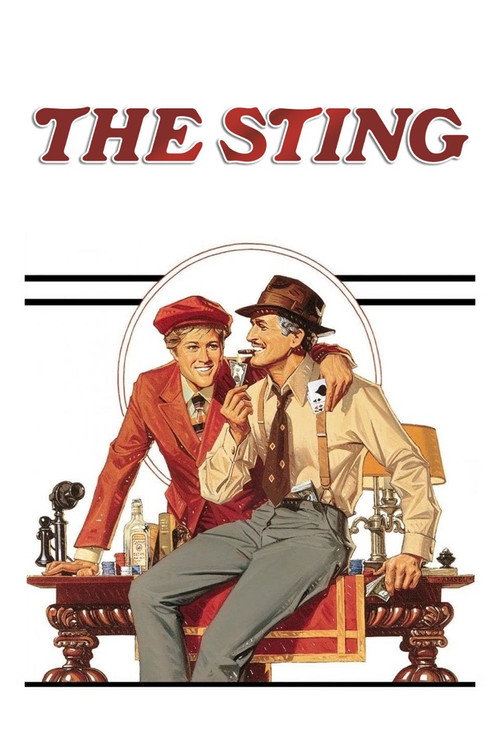
The Sting1973
A perfectly constructed con-game film with Newman and Redford. Like Bread and Chocolate, it's about outsmarting a rigged system through wit and perseverance, but played for pure entertainment rather than existential weight.
But It's glossy and feels somewhat dated now. If you want substance over style, the film's visual cleverness might seem to substitute for depth.
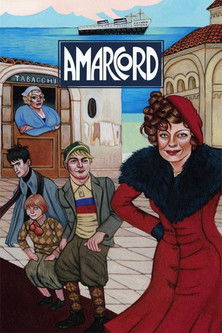
Amarcord1973
Fellini's portrait of provincial Italian life during Fascism, told through memory and digression. It shares Bread and Chocolate's interest in how ordinary people navigate systems that diminish them, though with Fellini's trademark surrealism and abundance.
But It's episodic and dreamlike rather than linear. You have to surrender to its rhythms; resistance will make it feel scattered and self-indulgent.
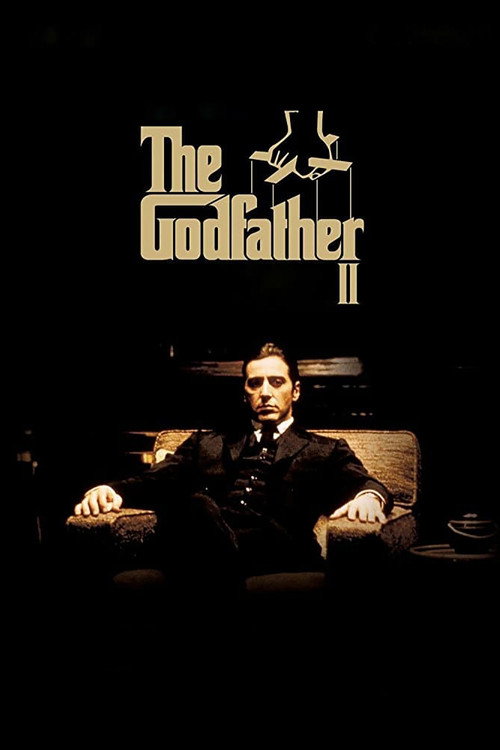
The Godfather Part II1974
Both follow Italians arriving in foreign lands and discovering what adaptation costs; both ask whether you can climb without compromising your soul.
Coppola's film parallels Nino's story through Vito's journey: the Italian immigrant making his way in a new country, using cunning and will to carve out a place. It's the inverse fantasy—what if the immigrant had power instead of only persistence.
But It's nearly four hours long, and its moral vision darkens as it goes. Some find the second half needlessly bleak, or the film's endorsement of ruthlessness repugnant.
Come and See1985
Both use a sympathetic protagonist to document what it means to be ground by a system larger than the individual, refusing sentimentality or false hope.
Elem Klimov's Soviet film about a boy conscripted into war. It's savage and visionary, but shares with Bread and Chocolate a commitment to showing how ordinary people endure systems that discard them—the difference being that Nino's system is economic rather than military.
But It's one of the most harrowing films ever made. Even serious cinephiles sometimes say it crosses from profound into gratuitous suffering. Watch it only if you're prepared for something unrelenting.

People
Cast
 Nino ManfrediGiovanni 'Nino' Garofoli
 Johnny DorelliItalian Industrialist
 Anna KarinaElena
 Paolo TurcoGianni
 Ugo D'AlessioPietro
 Tano CimarosaGigi
 Gianfranco BarraThe turk
 Giorgio CerioniPolice Inspector
 Francesco D'AddaRudiger
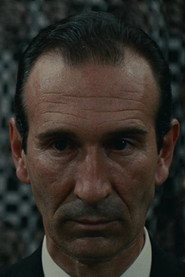 Umberto RahoJacques, the Maitre
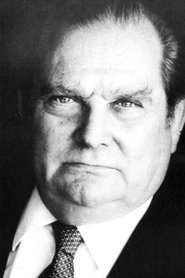 Geoffrey CoplestonBoegli
- Federico ScrobognaGrigory
Directing
- Franco BrusatiDirector
- Rinaldo RicciFirst Assistant Director
- Laura CurrelliScript Supervisor
- Francesco LessonaSecond Assistant Director
Writing
- Franco BrusatiScreenplay
- Jaja FiastriScreenplay
- Nino ManfrediScreenplay
- Franco BrusatiStory
Production
- Adalberto SpadoniAdministration
- Turi VasileExecutive Producer
- Alfredo MirabileLine Producer
- Maurizio Lodi-FèProducer
- Paolo De AndreisProduction Manager
- Giovanni BernardiProduction Secretary
- Giuseppe Bruno BossioProduction Secretary
Recommended by
Swept Away, Youngblood, Trophy Wife, Enormous Changes at the Last Minute, The Organizer, Intimate Lighting, A Special Day, Avanti!, Padre Padrone, One Sings, the Other Doesn't, The Misandrists, The Earth Cries Out, Three Brothers, The Middle of the World, Film About a Woman Who…, The Seduction of Mimi, Cousin, Cousine