
Film
The Earth Cries Out
A 1949 Italian drama about three friends—two Jewish survivors and a British soldier—separated by the Palestinian conflict after World War II. Shot amid the raw immediacy of post-war Europe, it captures the moral fracture when liberation and displacement collide. For anyone drawn to cinema that sits with historical wounds rather than resolving them.
Should you watch it?
Watch it if you like postwar dramas where the politics live in arguments between old friends and a crowded ship's deck, and where the ideas hit harder than the battles.
Skip it if you want brisk action or a lot of visual flair; this is talky, earnest and visibly old-fashioned, its argument carried more by speeches than by scenes.
What it asks of you: Ninety minutes, mostly in talk rather than action, so it rewards close listening over quick glances at the screen.
Not sure? Find tonight's pick in a minute.
If you liked this
Exodus1960
Epic account of Jewish refugees and the founding of Israel, with the scale and emotional sweep to match the historical stakes. Draws directly from the same historical moment and moral landscape.
But Nearly four hours long, and its heroic register can feel dated compared to the moral ambiguity of smaller stories.
The Passenger1975
Antonioni's meditation on identity, displacement, and the impossibility of escape. Shares the same European art-cinema DNA and existential weight as The Earth Cries Out.
But Deliberately elliptical and slow. If you want plot clarity, you won't find it here.
Bitter Lake2015
Adam Curtis documentary that traces how the modern Middle East was carved up by imperial powers and their contradictions. The historical complement to what The Earth Cries Out dramatises.
But Nearly three hours of dense political history presented as essay-film, not narrative. Curtis's voiceover style demands active attention.
Not sure tonight? Get a pick in a minute, starting from The Earth Cries Out
The wildcard
Something you would not have found on your own.
Kes1970
Both are post-war films about young men cleaved from what they need. Where The Earth Cries Out is political fracture, Kes is class fracture—different wounds, same ache.
Ken Loach's film about a working-class Yorkshire boy and a hawk. Seems far from The Earth Cries Out until you realise both are about the impossible love for something or someone that cannot stay. Loach's realism and tenderness.
But Class-conscious British social drama with regional dialect. If you're tired of stories about poor people's disappointments, this won't change your mind.

More like this (7)
The Skin1981
Visconti's Naples in 1943, occupied and liberated by turns, where morality dissolves under the weight of survival. Same Italian director, same historical period, same moral vertigo.
But Extremely long and sexually graphic. Visconti's baroque approach can feel excessive even to sympathetic viewers.
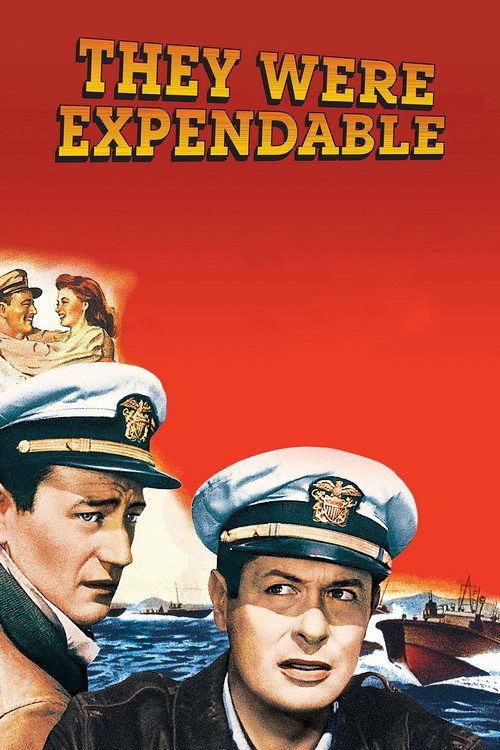
They Were Expendable1945
Ford's meditation on war's waste and the men left behind after the fighting stops. Quieter than most war films, concerned with loss rather than triumph.
But Made while WWII still raged—its propaganda elements feel quaint now, and the pacing is deliberate to the point of stillness.
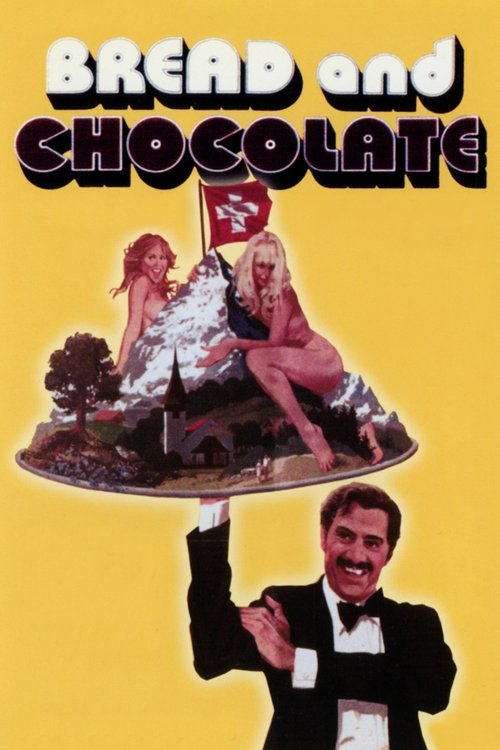
Bread and Chocolate1974
Benigni plays an Italian immigrant in Switzerland, caught between worlds and belonging nowhere. Italian cinema's humane take on displacement and the fracture between communities.
But Comedy-drama tone may feel uncomfortable when the subject is survival and humiliation. The shift between genres can jar.
Come and See1985
Elem Klimov's Soviet war film follows a boy through the Belarusian front in 1943. Brutal, unflinching, and concerned with how war destroys those caught in its machinery.
But Genuinely distressing and difficult. One of the hardest war films made. Not an evening, a trial.

Rome, Open City1945
Rossellini's neorealist classic about occupied Rome. Shot with documentary immediacy about collaboration, resistance, and ordinary people in extraordinary circumstances.
But Neorealism's lack of conventional drama can feel slow. And the film's depiction of sexuality and trauma reflects its 1945 moment, not ours.
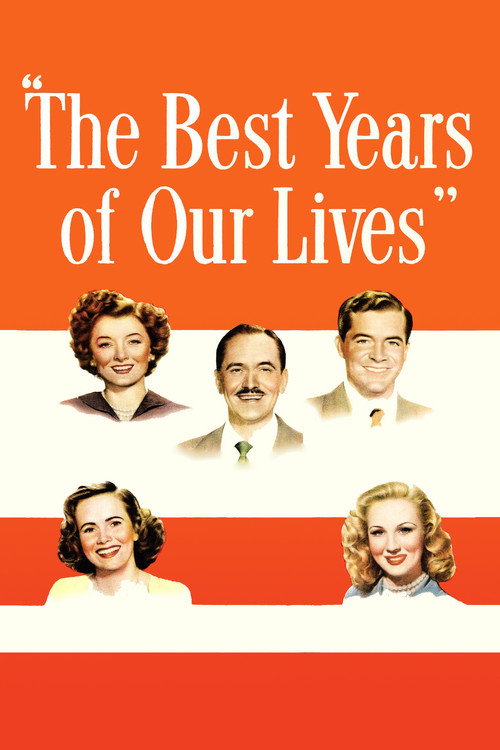
The Best Years of Our Lives1946
Wyler's humanist masterpiece about three servicemen returning to ordinary life after war. Concerned with wounds—visible and invisible—and how civilians and soldiers can no longer speak the same language.
But Three and a half hours, and unapologetically sentimental. Its faith in social institutions can feel naive now.
La Haine1995
Both films are structured around three men and the fault lines where they break apart. But Kassovitz races; The Earth Cries Out breathes. Different speeds, same fracture.
Mathieu Kassovitz's 24 hours in Paris with three young men—Jewish, North African, West African—navigating a city that won't claim them. Shot in black and white with furious energy. About belonging and the moment before violence.
But Formally restless and confrontational. If you want naturalism, Kassovitz will frustrate you. And the ending doesn't resolve—it escalates.

People
Cast
 Marina BertiDina
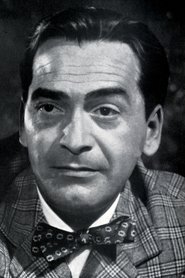 Andrea ChecchiAriè
 Vivi GioiJudith
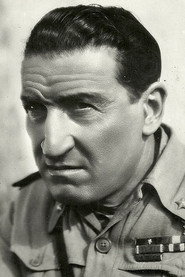 Carlo NinchiComandante della nave
- Filippo ScelzoProfessore Taumen
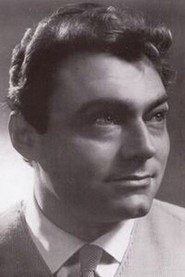 Luigi TosiDavid Taumen
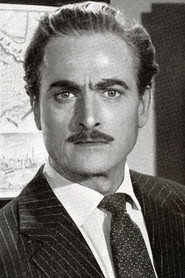 Peter TrentLt. George Birkemore

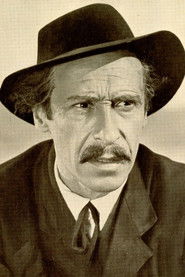 Alessandro FersenIl rabbino
 Nerio BernardiGenerale britannico
Directing
- Duilio ColettiDirector
Writing
- Maria R. BerardiStory
- Tullio PinelliStory
- Alessandro FersenWriter
- Carlo LeviWriter
- Giorgio ProsperiWriter
- Lewis F. GittlerWriter
Production
- Alberto SalvatoriProducer