
Film
The Skin
- War drama
- Very dark
Visconti's final film adapts Malaparte's memoir of Naples under Allied occupation in 1944, a city of rubble and moral collapse where survival means compromise. It's languid, gorgeously composed, and absolutely pitiless—not about heroism but about what war does to the spaces between people. For those who loved the moral exhaustion of *The Leopard* and want cinema that doesn't flinch.
Should you watch it?
Watch it if you are drawn to bleak, operatic history that treats a wrecked city as a moral argument, and you can sit with a film that stays deliberately uncomfortable.
Skip it if the length and the episodic, slow-building scenes can feel punishing, and its grimness is relentless rather than broken up by any lighter moments to rest on.
What it asks of you: Just over two hours of sustained attention, with long scenes that linger rather than explain, and a tone that stays heavy from start to finish.
Not sure? Find tonight's pick in a minute.
If you liked this
The Leopard1963
Visconti's masterpiece about an aristocracy watching its world dissolve. Same director, same Italian landscape, the same patient eye for beauty amid decline and the cost of survival in a changing world.
But Three hours of slow baroque observation. If you need plot momentum, this will feel glacial.

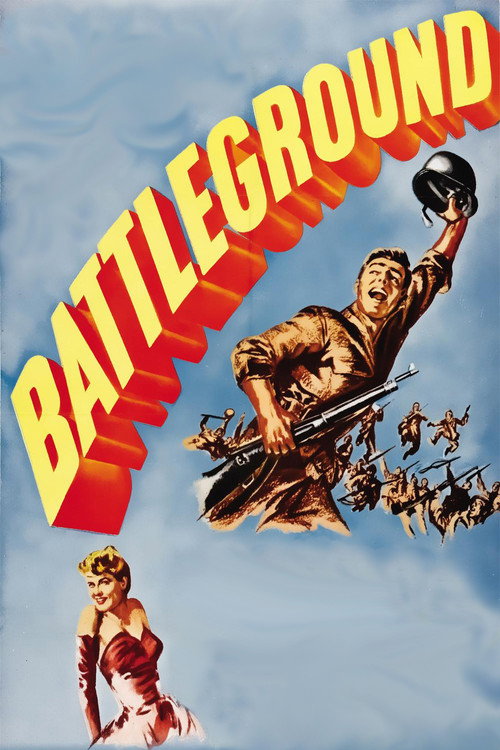
Battleground1949
American soldiers during the Battle of the Bulge—less interested in heroics than in mud, cold, and the way ordinary men break under pressure. Unglamorous war film that shares *The Skin*'s refusal to sanctify combat.
But Made in 1949, so the filmmaking feels dated. The focus on exhaustion over action may feel repetitive.
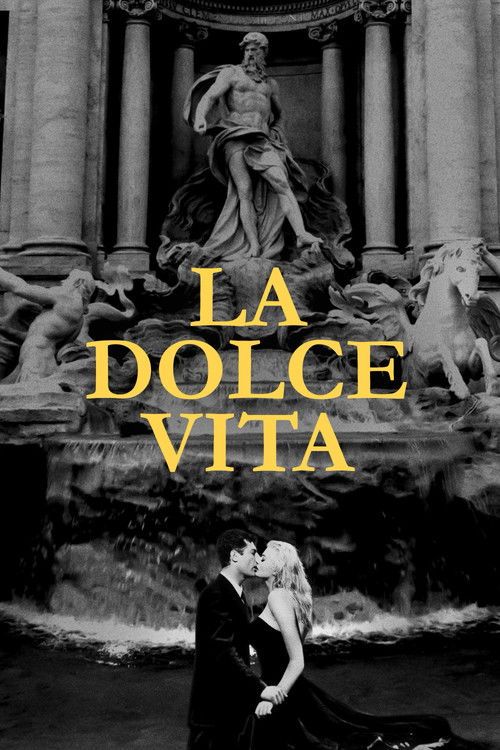
La Dolce Vita1960
Mastroianni in Rome during a glittering, corrupt era—same actor, same moral emptiness beneath surface beauty, same Italy spiralling through decadence. Longer, but hypnotic in a similar way.
But It's almost three hours of elegant aimlessness. Some find it tedious; others find that's the whole point.
Not sure tonight? Get a pick in a minute, starting from The Skin
The wildcard
Something you would not have found on your own.
Under the Skin2014
Both are about occupation and predation rendered in formal beauty; both films let you watch people consumed by systems larger than themselves without moralizing about it.
Glazer's science-fiction film—Scarlett Johansson driving through Scotland collecting people. Like *The Skin*, it's a study of an occupying intelligence observing prey, beautiful and utterly without sentiment. Both films treat their settings as moral landscapes, and both are hypnotic precisely because they refuse explanation.
But It's avant-garde science fiction that many found pretentious and slow. If you need narrative clarity or emotional catharsis, you will hate this.

More like this (8)
Paisan1946
Rossellini's neorealist masterpiece about Allied soldiers in liberated Italy. Made immediately after the events *The Skin* depicts, rawer and less composed, but the same collision of occupiers and occupied, idealism and ruin.
But Shot in actual wreckage with non-professional actors. The image quality is rough and the emotional register is devastatingly bleak.
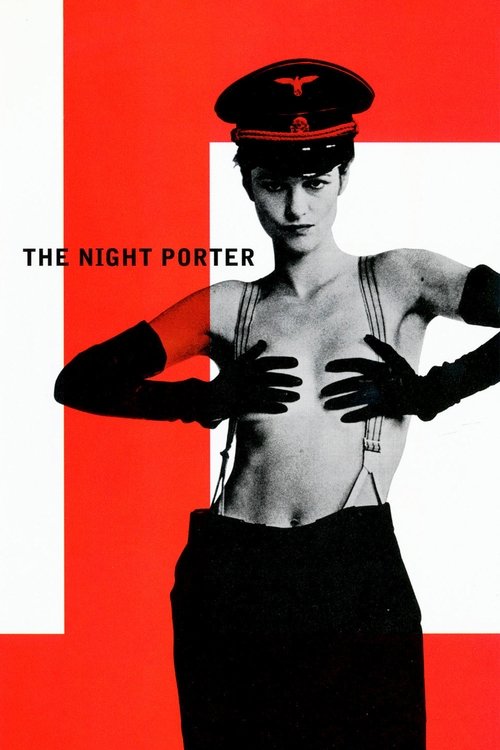
The Night Porter1974
Cavani's film about a concentration camp survivor and her former captor reuniting after the war—equally unflinching about desire, shame, and the way trauma binds people. Same era, same willingness to go morally dark.
But It's genuinely disturbing and deals with sexual violence. Not a film that lets you feel clean afterward, which is the point but also a real barrier.
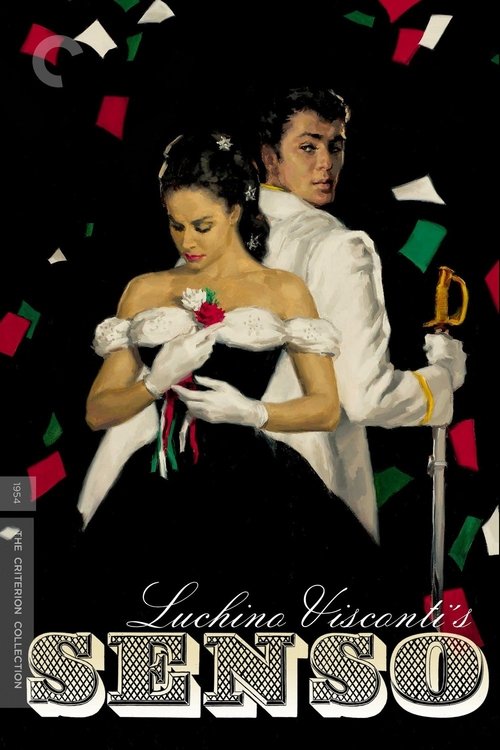
Senso1954
Visconti again, 1866 Venice, an aristocratic woman undone by passion during the Italian campaign against Austria. Technicolor melodrama about the gap between duty and desire, framed with operatic intensity.
But It's camp in places and the emotional stakes feel heightened to the point of artifice. Some audiences find that enchanting; others find it overwrought.
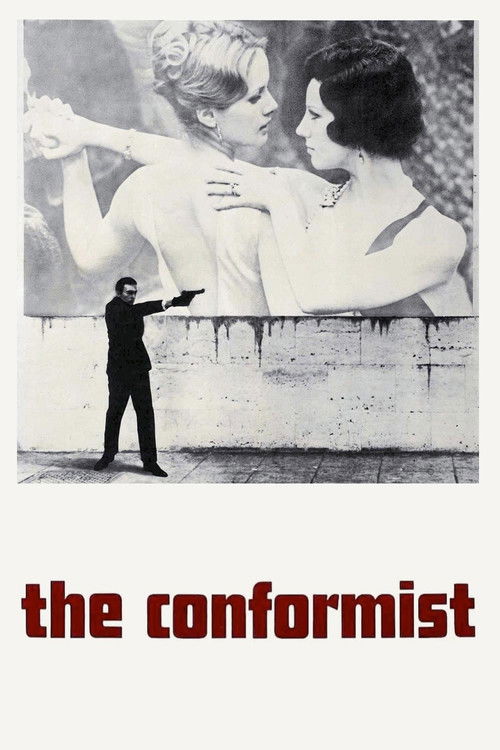
The Conformist1971
Bertolucci's Fascist-era study of a man trying to disappear into ideology. Visually sumptuous, morally queasy, about how ordinary people consent to extraordinary evil. Same Italian history, same gorgeous corruption.
But The narrative is deliberately fragmented and the moral centre is deliberately absent. Clarity is not what it's offering.
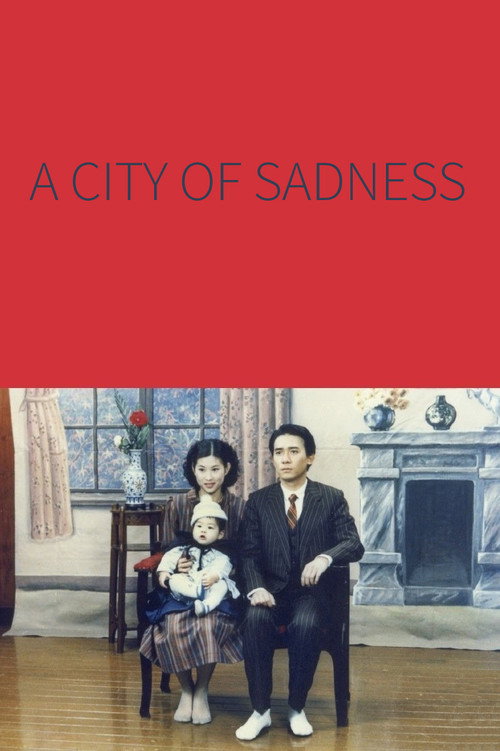
A City of Sadness1989
Hou Hsiao-hsien's film about Taiwan after Japanese occupation ends and Chinese rule begins—occupied land, displaced people, survival through small compromises. Formal beauty applied to historical trauma, Visconti's register in a different place.
But It's a four-hour Mandarin-language film shot in a style that asks patience. Subtitles and duration will stop most viewers before they start.
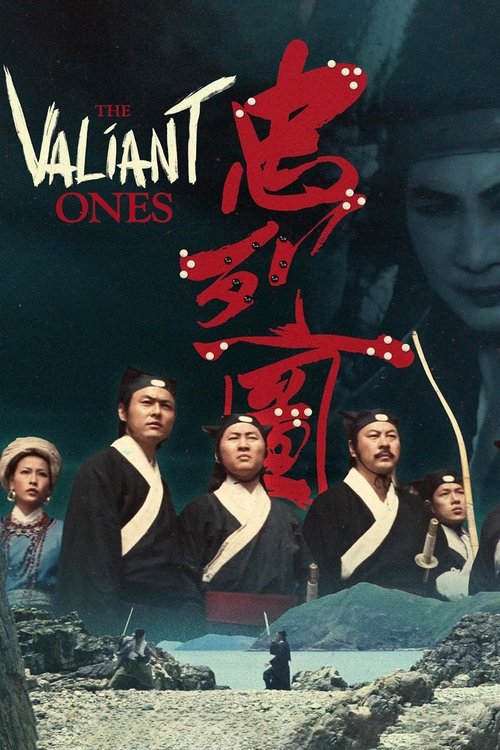
The Valiant Ones1974
John Woo's early film about Ming-era soldiers fighting Japanese invaders—warfare as exhaustion and mud and moral indifference, before he made action cinema operatic. Shares *The Skin*'s unglamorous view of military collapse.
But It's not well-known and harder to find. The action scenes are deliberately downbeat in a way that can feel tedious.
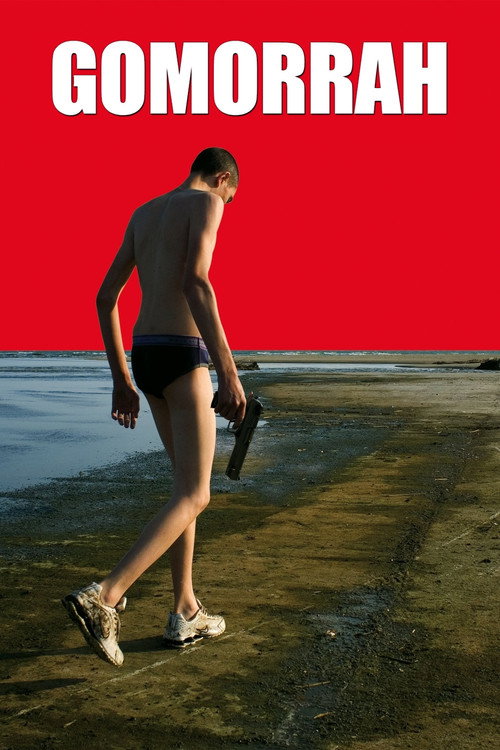
Gomorrah2008
Both films use Naples as a moral wasteland where institutions have collapsed and people do what they must. Both treat this without sentimentality.
Garrone's film about the Neapolitan mafia—Naples again, a city of rubble and corruption, survival through violent compromise. It's neorealism applied to contemporary crime, and it has the same refusal to separate beauty from degradation.
But It's brutal and sometimes bewildering. The narrative is fragmented across multiple stories and some viewers find that structure frustrating rather than illuminating.
The Ballad of Little Jo1993
Both are about individuals navigating collapse through performance and compromise; both treat this as morally complex rather than tragic.
Reichardt's Western—a woman passing as a man to survive frontier life. Formally precise, morally complex, about disguise as survival strategy in a collapsing world. Unlike anything else here, but it shares *The Skin*'s interest in how people perform identity when systems abandon them.
But It's a slow, austere indie Western made in the 90s. If you're expecting conventional narrative, you'll be disappointed.

People
Cast
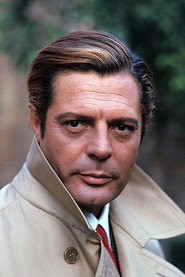 Marcello MastroianniCurzio Malaparte
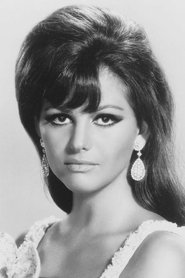 Claudia CardinalePrincipessa Consuelo Caracciolo
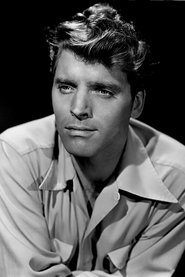 Burt LancasterGenerale Clark
 Ken MarshallJimmy Wren
 Alexandra KingDeborah Wyatt
 Carlo GiuffrèEduardo Mazzullo
 Rosaria della FemminaAmante di Jimmy
 Jeanne ValériePrincipessa a Capri
 Liliana TariMaria Concetta
 Peppe BarraSarto
 Cristina DonadioAmica di Anna
 Jacques SernasGen Guillaume
Directing
- Lodovico GaspariniAssistant Director
- Liliana CavaniDirector
- Paola TallarigoFirst Assistant Director
- Maria Luisa RosenScript Supervisor
- Alberto AcciaritoSecond Assistant Director
- Colette CaronSecond Assistant Director
- Roberta MazzoniSecond Assistant Director
Writing
- Curzio MalaparteNovel
- Catherine BreillatScreenplay
- Liliana CavaniScreenplay
- Robert KatzScreenplay
Production
- Antonio PalaAdministration
- Maria Rosa BolognaAdministration
- Remo StampiggioniAdministration
- Marc MauretteProduction Manager
- Sergio IacobisProduction Manager
- Andrea BologniniProduction Secretary
- Filippo CampusProduction Supervisor
- Giuseppe AuriemmaProduction Supervisor
- Richard BorgProduction Supervisor
Recommended by
Swept Away, Miracle in Milan, Two Women, The Story of O, Accattone, The Agony and the Ecstasy, Mamma Roma, The Children Are Watching Us, Bellissima, The Innocent, Caravaggio, The Earth Cries Out, Three Brothers, Five Branded Women, Black Angel, Giselle, The Lickerish Quartet, Occupation in 26 Pictures, The Story of Piera, Il Grido, Malena