
Film
Bellissima
Bellissima is Luchino Visconti's scathing comedy about a working-class mother in 1950s Rome who will stop at nothing to make her daughter a movie star. Anna Magnani is ferocious and tender as she navigates Cinecittà's machinery, ambition, and her own hunger for escape. It's funny, heartbreaking, and ruthlessly observant about class, motherhood, and cinema itself.
Should you watch it?
Watch it if you love Italian neorealist films that find real comedy and heartbreak in ordinary people chasing a dream they cannot afford, and you enjoy watching a character's pride and desperation collide in the same scene.
Skip it if you want a brisk plot that keeps moving; much of the running time is spent in crowded rooms, arguments and tense waiting, and the satire can feel repetitive if you come for story alone.
What it asks of you: Around ninety minutes of patient, talky observation before the mood shifts, so you need to settle in and let the restless energy of the crowds and the mother's stubbornness build.
Not sure? Find tonight's pick in a minute.
If you liked this
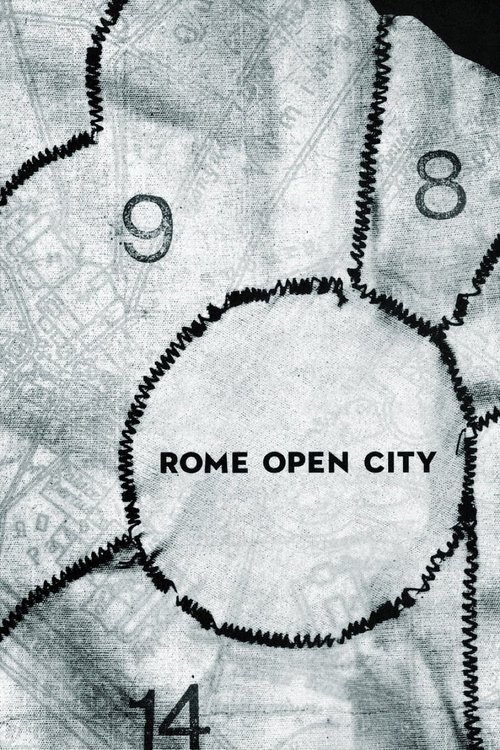
Rome, Open City1945
Rossellini's neorealist masterpiece about Italian resistance under Nazi occupation. Like Bellissima, it finds profound humanity in ordinary people navigating impossible circumstances, shot with documentary urgency and emotional depth.
But It's brutal in ways that don't soften for sentiment. The pacing is slow by modern standards, and some scenes of violence are genuinely hard to watch.
Bicycle Thieves1948
De Sica's neorealist classic follows a father searching for his stolen bicycle through Rome. Same era, same city, same ability to find both comedy and tragedy in working-class desperation and the gap between hope and reality.
But The ending is devastating and offers no easy comfort. If you need narrative closure that feels earned rather than tidy, this might frustrate you.

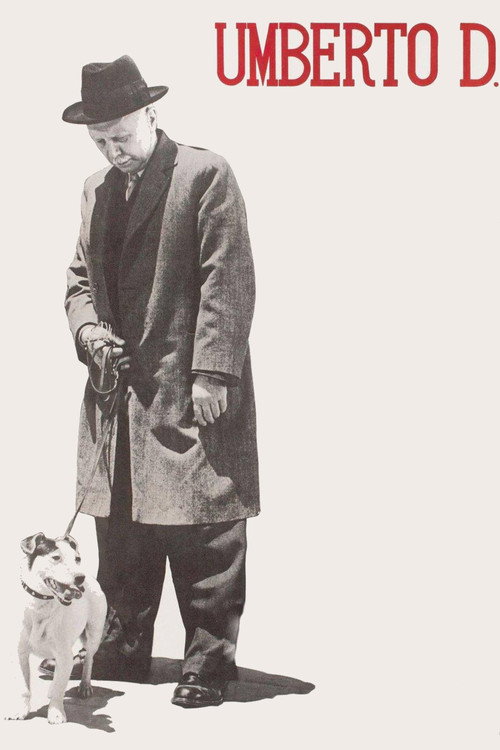
Umberto D.1952
De Sica's portrait of an elderly pensioner facing eviction in Rome. Released the same year as Bellissima, it shares neorealism's keen eye for indignity, poverty, and the way institutions ignore human vulnerability.
But It's relentlessly bleak with minimal plot. Some find it too austere; others feel it punishes the viewer as punishment rather than insight.
Not sure tonight? Get a pick in a minute, starting from Bellissima
The wildcard
Something you would not have found on your own.
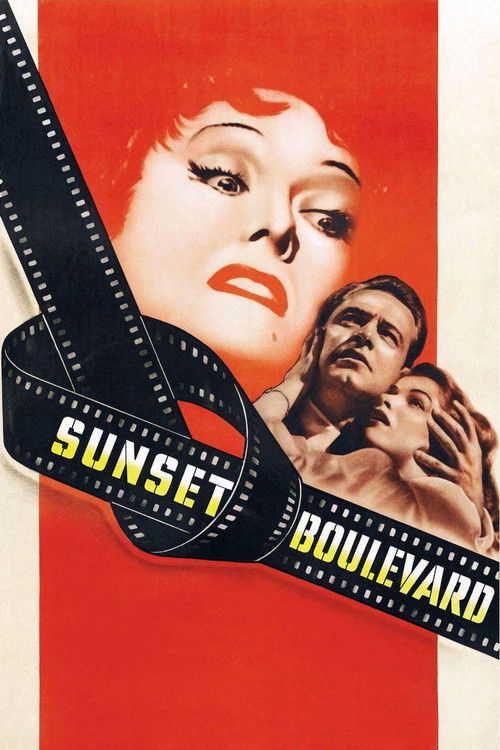
Sunset Boulevard1950
Both films stage the same moral question—what does cinema owe those it consumes?—but one is shot in Roman sunlight, the other in noir shadow.
Wilder's American noir about a struggling screenwriter and a deluded silent-film star in Hollywood. It shares Bellissima's precise dissection of cinema's machinery, hunger, and the price of ambition—but as Gothic nightmare rather than neorealist comedy.
But The tone is cynical and noir-dark; Bellissima has warmth underneath its critique. If you want to stay in 1950s Italian realism, this American shadow-world might feel alien.
More like this (7)
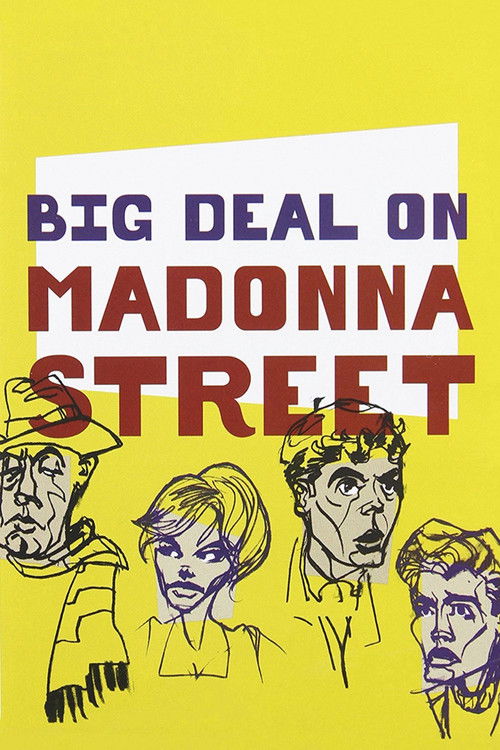
Big Deal on Madonna Street1958
Italian heist comedy with the same warmth toward working-class hustlers and con artists that Bellissima shows. Visconti's eye for character finds its lighter double: funny, affectionate, and full of Roman vitality.
But The tone is much breezier. If you're drawn to Visconti's darker edge and moral ambiguity, the comedy might feel slight.
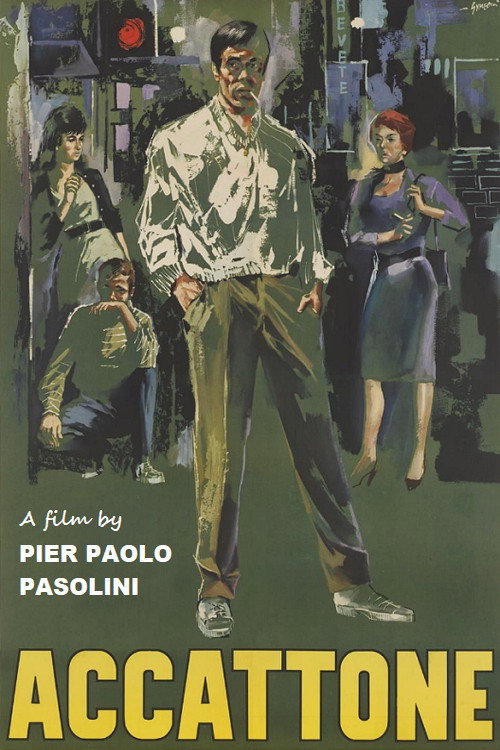
Accattone1961
Pasolini's debut about a pimp and petty criminal in Rome's underclass. It shares Bellissima's unflinching sociology: who gets to dream, who gets crushed, and what survival costs. Shot with terrible beauty.
But It's bleak, sexually frank, and doesn't center a protagonist you'll like. The style is challenging and the worldview is punishing.
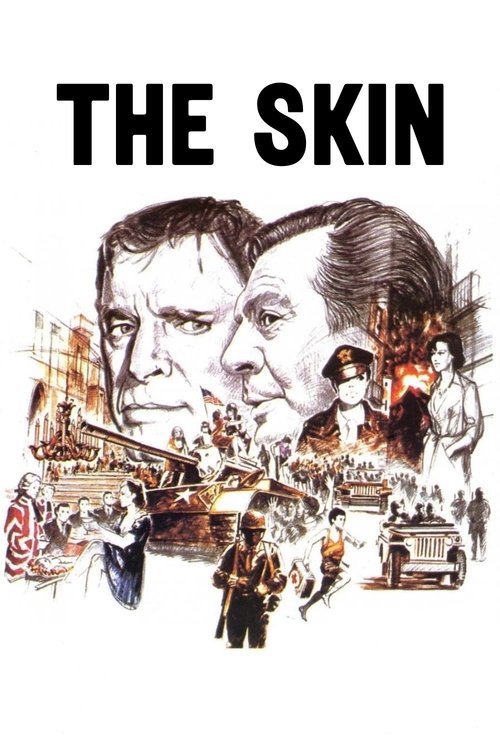
The Skin1981
Visconti's later film about American soldiers and Italian civilians in Naples during WWII. It has the same hunger to see how ordinary people navigate systems larger than themselves, with his characteristic visual opulence.
But It's long, digressive, and sometimes bewilderingly plotted. Visconti's baroque style can overwhelm narrative clarity.
The Leopard1963
Visconti's masterpiece about the Sicilian aristocracy during the Risorgimento. A different class than Bellissima, but the same obsession with how social change crushes individuals, shot in sumptuous Technicolor.
But It's a three-hour meditation on decline and futility. The pacing is stately; some find it glacial.

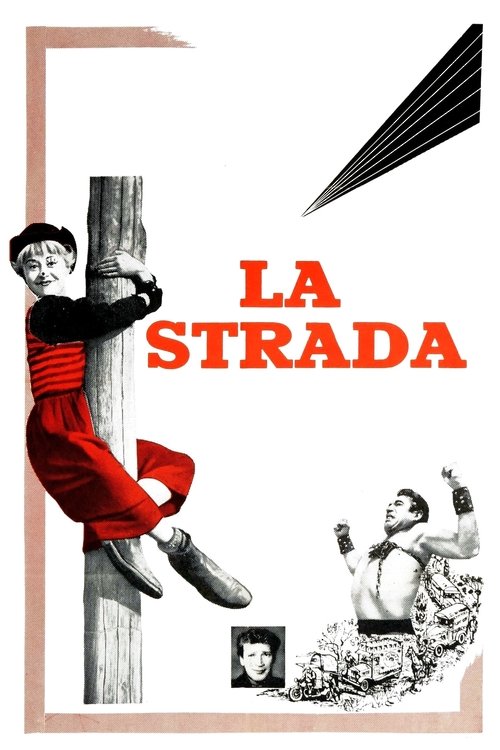
La Strada1954
Fellini's portrait of a young woman sold to a carnival strongman. Like Bellissima, it's about exploitation masked as opportunity, and it finds both tenderness and grotesquerie in the same frame.
But It's surreal and dreamlike in a way that distances you from the characters. Some viewers feel it sentimentalizes hardship.
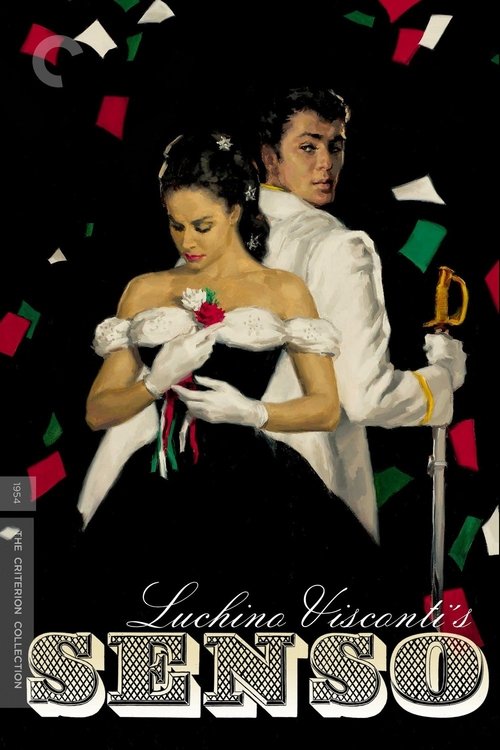
Senso1954
Visconti's melodrama about an Italian countess and an Austrian soldier during wartime. It has the visual richness and moral complexity of Bellissima applied to passion rather than ambition.
But It's ornate and slow, more interested in atmosphere than plot. The emotionalism can feel overwrought.
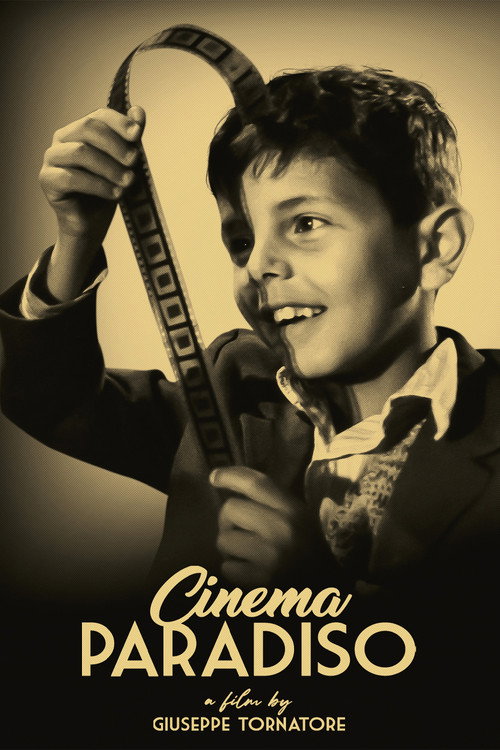
Cinema Paradiso1988
Both are about how cinema reshapes the lives of ordinary people, but Cinema Paradiso celebrates the dream while Bellissima dissects the hunger it creates.
Tornatore's love letter to cinema itself, about a boy who grows up in a small-town projection booth. It shares Bellissima's obsession with cinema as dream-engine and escape—but told as nostalgia and rapture rather than savage critique.
But It's emotionally manipulative in the ways Bellissima refuses to be. If Visconti's refusal to sentimentalize is what moves you, this film's sentimentality might feel like betrayal.
People
Cast
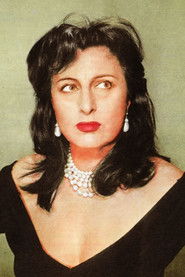 Anna MagnaniMaddalena Cecconi
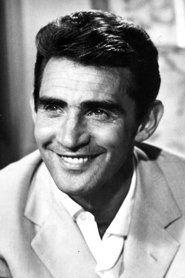 Walter ChiariAlberto Annovazzi
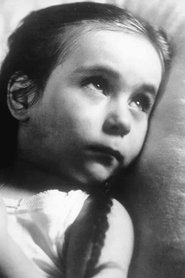 Tina ApicellaMaria Cecconi
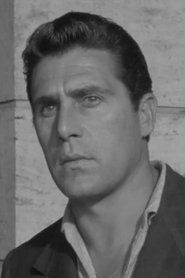 Gastone RenzelliSpartaco Cecconi
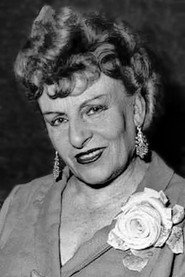 Tecla ScaranoTilde Spernanzoni
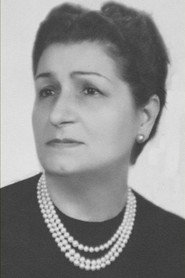 Lola BracciniPhotographer's Wife
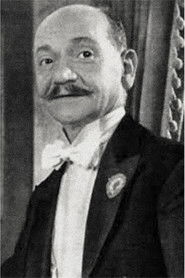 Arturo BragagliaPhotographer
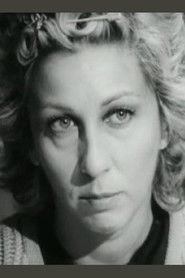 Nora RicciLaundry Worker
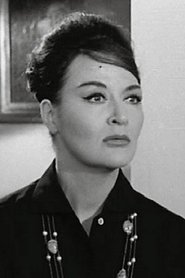 Linda SiniMimmetta
- Teresa BattaggiSnob Mother
- Gisella MonaldiDoor-keeper
Directing
- Francesco RosiAssistant Director
- Franco ZeffirelliAssistant Director
- Rinaldo RicciContinuity
- Luchino ViscontiDirector
Writing
- Francesco RosiScreenplay
- Luchino ViscontiScreenplay
- Suso Cecchi d'AmicoScreenplay
- Cesare ZavattiniStory
Production
- Salvo D'AngeloProducer
- Paolo MoffaProduction Manager
- Vittorio Musy GloriProduction Manager
- Spartaco ConversiProduction Secretary
- Orlando OrsiniProduction Supervisor